
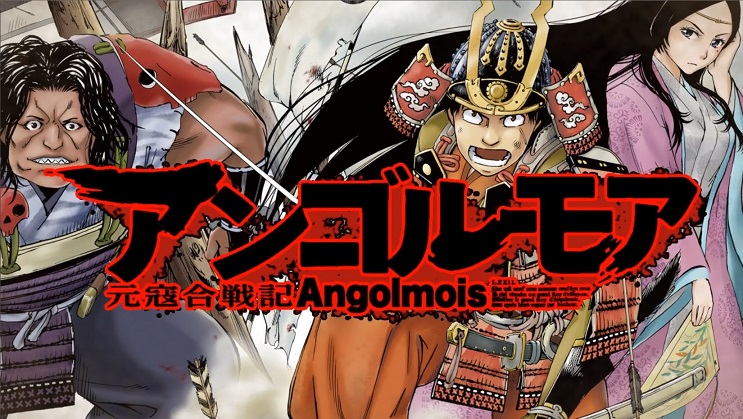
Angolmore: The Record of the Battle of Genko" is a fictional manga based on historical facts by Nanahiko Tagagi.
The time is Kamakura. A large Mongolian army lands on Tsushima. Former Kamakura retainer and exile, Kutsui Xunzaburo, outnumbered and outgunned, runs the battlefield to survive by using tactics, strategy, geographical advantages, and the "Yoshitsune style". He boldly faces soldiers, strategies, tactics, weapons, and military tactics that have never been seen before in Japan. The film depicts the nine days after the Mongolian and Koryo armies landed.
A general in the Koryo army. His son, who was the chief of 1,000 men, was killed by Xunzaburo.
He is used to warfare, and is able to estimate the approximate number of his troops from the noise of night raids.
Liu Fuheng
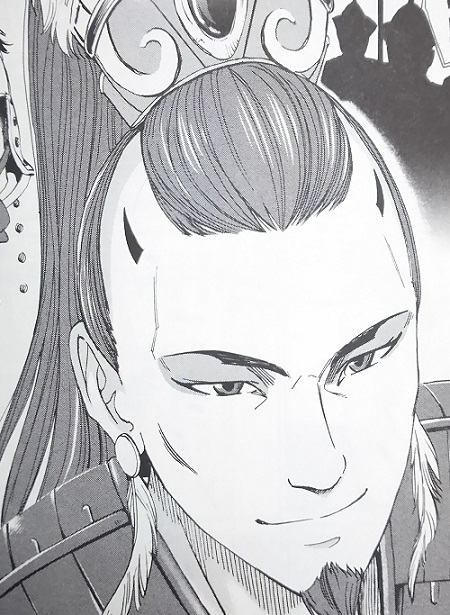
Vice Marshal of the Mongolian Army. He is of the Nyoshin tribe.
During the Sasu Night Raid, he fought with Onigomaru and Xunzaburo, but was interrupted by the order to summon the General.
Uriyan-e Day (14th day of the 4th month of the lunar calendar)
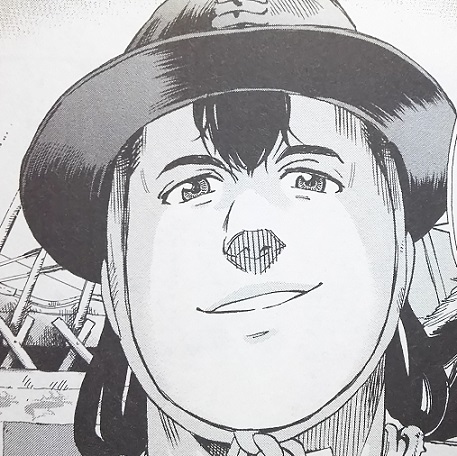
He was a general and royalty in the Mongolian army of Sendo. He landed on the opposite side of Sasu Village, on the side of Tsushima Province, and pursued the defeated Tsushima forces. Information obtained from Shiraishi led to an attack on Kanada Castle.
Terms for "Angolmore: The Battle for the Former Pirates
the Mongol Invasion
The name given to two invasions of Japan in the middle of the Kamakura period by the Mongol Empire and its vassal state, the Kingdom of Koryo, which ruled the continent at the time.
The first invasion was called "Bun'ei no Yaku" in 1274, and the second "Koan no Yaku" in 1281. This film is set during the first invasion.
Also known as the Mongolian invasion.
lower-ranking vassal in the Kamakura and Edo periods
It refers to the status of a warrior who is a retainer of a conquering general.
lord of a manor
A position chosen from among the local governesses to manage the military, police, tax collection, and administration of manors and public domains, as well as lands and peasants.
February riots
This refers to the civil strife between the Hojo clan in Kamakura and Kyoto that occurred in February 1972.
By order of Hojo Tokimune, the eighth regent of Kamakura, the brothers Nagoshi Tokisho and Noritoki of the Nagoshi school of the Hojo clan were killed in Kamakura, and in Kyoto, Hojo Tokisuke, Tokimune's half-brother in the southern part of the Rokuhara Tategata, was killed for plotting treason.
Xunzaburo was exiled for fighting alongside Tokisho.
sword purification rite performed twice a year, before daijôsai and after major disasters
Descendants of the warriors (sakimori) who were sent to Tsushima and settled there after the Great War six hundred years ago. They are not subject to the Soke, but have their own customs and war potential.
In this work, they work under the direction of Emperor Antoku. They are based in Kanada Castle.
Jurchen people
In peacetime, they live by hunting, farming, and herding livestock throughout Northeast Asia. However, when it comes to battle, they are brave and daring. They have made the Han Chinese and other tribes tremble.
One battle after another
Battle in Sasu Village
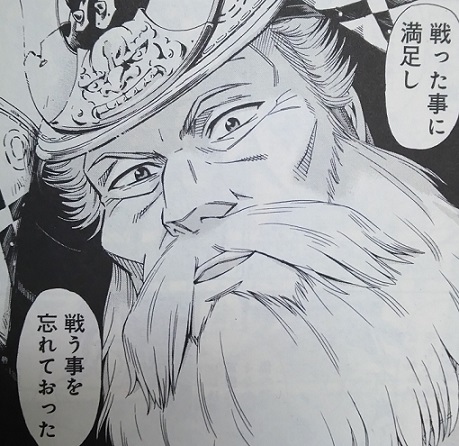
He spoke out against Xunzaburo before intercepting the Mongolian army that had landed in Sasu Village. He realized that he had forgotten to fight because of Xunzaburo's face-saving action at the military meeting in Kokufu.
According to the "Hachiman Gudoki," one of the generals, Mune Uma Jiro, shot him in the upper right breast and he fell from his horse. Dozens of others were shot by Mune Sukenokuni and Yajiro and fell upside down. The number of foreign soldiers who were hit by arrows from Munen's army was countless. The soldiers fought hard, but were defeated.

Contents
- The story of "Angolmor: The Battle of Angolmor" (Japanese only)
- Main People Ryujin
- Xunzaburo Kuchii
- Onitakemaru
- Kazuhisa Shiraishi
- Saburo Obusuma
- Amushi
- firefly (Luciola cruciata)
- Zhang Mingfu (Chouminpuku)
- Key Figures The Soe Clan
- Princess Teruhime
- So Sukekuni
- So Umajiro
- Yajiro Abiru
- Main Character Toibarai
- Nagamine Hankan
- Key Figures Shogunate Forces
- Key Figures Mongolian and Goryeo Forces
- Kim Ho-kei
- Liu Fuheng
- Uriyan-e Day (14th day of the 4th month of the lunar calendar)
- Terms for "Angolmore: The Battle for the Former Pirates
- the Mongol Invasion
- lower-ranking vassal in the Kamakura and Edo periods
- lord of a manor
- February riots
- sword purification rite performed twice a year, before daijôsai and after major disasters
- Jurchen people
- One battle after another
- Battle in Sasu Village
- Mongolian Night Raid Operation in Sasu Village
- Battle to Intercept the Mongolian Army
- Kanada Castle (Kanada no Ki)