

Fighting cockroaches that have evolved to human size. The manga "Terraformers" shook readers with its hair-raising setting. We have compiled a "Mars Ranking" that shows the high level of ability of the humans who have acquired insect characteristics through surgery. In addition to the profiles of the characters, what insects they are based on and the abilities they have acquired after the surgery are thoroughly introduced.
Orthoptera (Orthoptera), Ensifera, Grylloidea, and Kerataceae
Dorcus rectus (species of stag beetle)
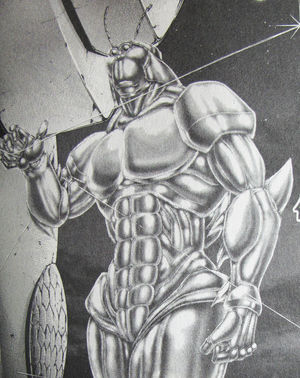
Ability obtained from: Maria Billen
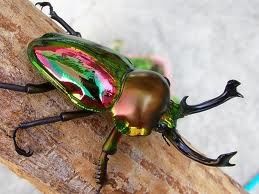
A Lucanidae belonging to the class Insecta, order Coleoptera, family Lucanidae.
It lives in Oceania, but is famous in southern New Guinea and Queensland in northern Australia. It is known as the world's most beautiful stag beetle that shines in seven colors.
One of the morphological features of the Lampriminae is that the head of the adult male is small and narrow, and the bases of the maxilla are strongly close to each other, curved upward in a semicircle, and bifurcated at the tip. At first glance, the shape of the maxilla seems to be difficult to pinch, but the power is not so weak. When fighting, he is good at scooping up the opponent from the bottom like a rhinoceros beetle with his arched maxilla rather than pinching the opponent. This maxilla is coiled at the pupal stage.
28-spotted ladybird (Epilachna vigintioctopunctata)
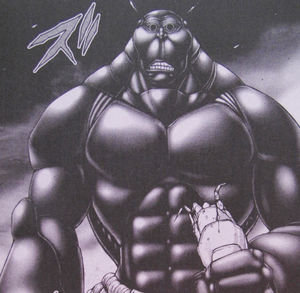
Capability obtained from: Jaina Eisenstein
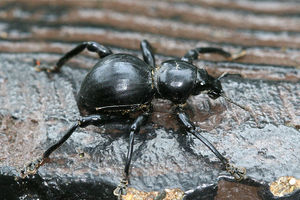
A member of the Coleoptera group. In the narrow sense, the weevils are a general term for beetles that are classified as Curculionidae or Curculionidae, while in the broad sense, the weevils refer to insects that are classified as Coleoptera (Coleoptera) or Curculionoidea. The name is derived from the shape of an elephant with its elongated mouth, but it also includes Leaf-rolling beetle and bark beetles that do not have the shape of a weevil.
Taxonomically, it is closely related to the Chrysomelidae such as the sawyer beetle and the leaf beetle, and it is a group well adapted to plant food. It is said that there are more than 1,000 species in Japan and about 60000 species in the world with the name of the species alone, and it is an especially large group among various Coleoptera.
Myrmarachne japonica (species of spider moth)
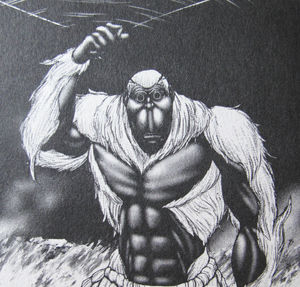
Ability obtained from: Nanao Akita
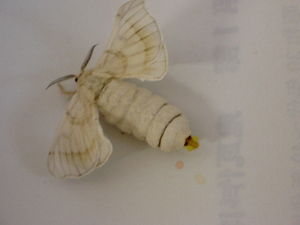
The silkworm (Bombycidae) is a species of insects that belongs to the Lepidoptera (Lepidoptera) family. Its official Japanese name is the silkworm moth. The silkworm is originally the name of this larva, but it also refers to this species in general. It feeds on mulberry, produces silk, and produces the cocoons of the pupa. Since recorded history, this insect has lived with the history of sericulture and the cultures of various countries.
diving beetle
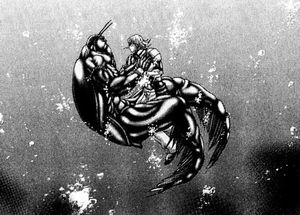
Ability obtained from: Joan Wellsoke
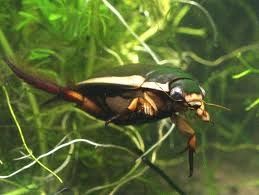
A general term for several aquatic families of the Dytiscidae (some people consider them collectively as Cybister chinensis) that belong to the class Insecta, the family Coleoptera, the family Caraboidea. Among them, it refers only to the family Cybister chinensis, or is used as the standard Japanese name for the family Cybister chinensis, the family Cybister japonicus. Even in the same aquatic group of Caraboidea, the family コガシラミズムシ and the family Whirligig beetle, whose larvae take gill respiration, are not usually included in the Dytiscidae. In some areas, it is used for food. Cybister chinensis
Selenotoca papuensis (species of Western Pacific scat known in Sulawesi and Papua New Guinea)
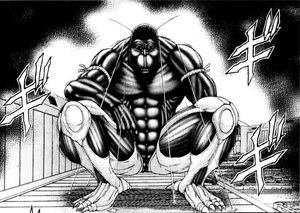
Ability obtained from: Ting

Related Articles

Spoiler commentary and discussion of TERRA FORMARS.
TERRA FORMARS (Terraformers)" is a comic work written by Yu Kike and drawn by Kenichi Tachibana. It was ranked No. 2 in "National Bookstore Owners' Choice Recommended Comics 2013" and No. 1 in "This Manga is Amazing! (2013)" in the otoko (male) section. The total number of copies sold has exceeded 16 million (as of April 2016). It depicts the battle for the survival of the human race against "Terraformers," cockroaches that have evolved abnormally as a side effect of the development of Mars.
Read Article
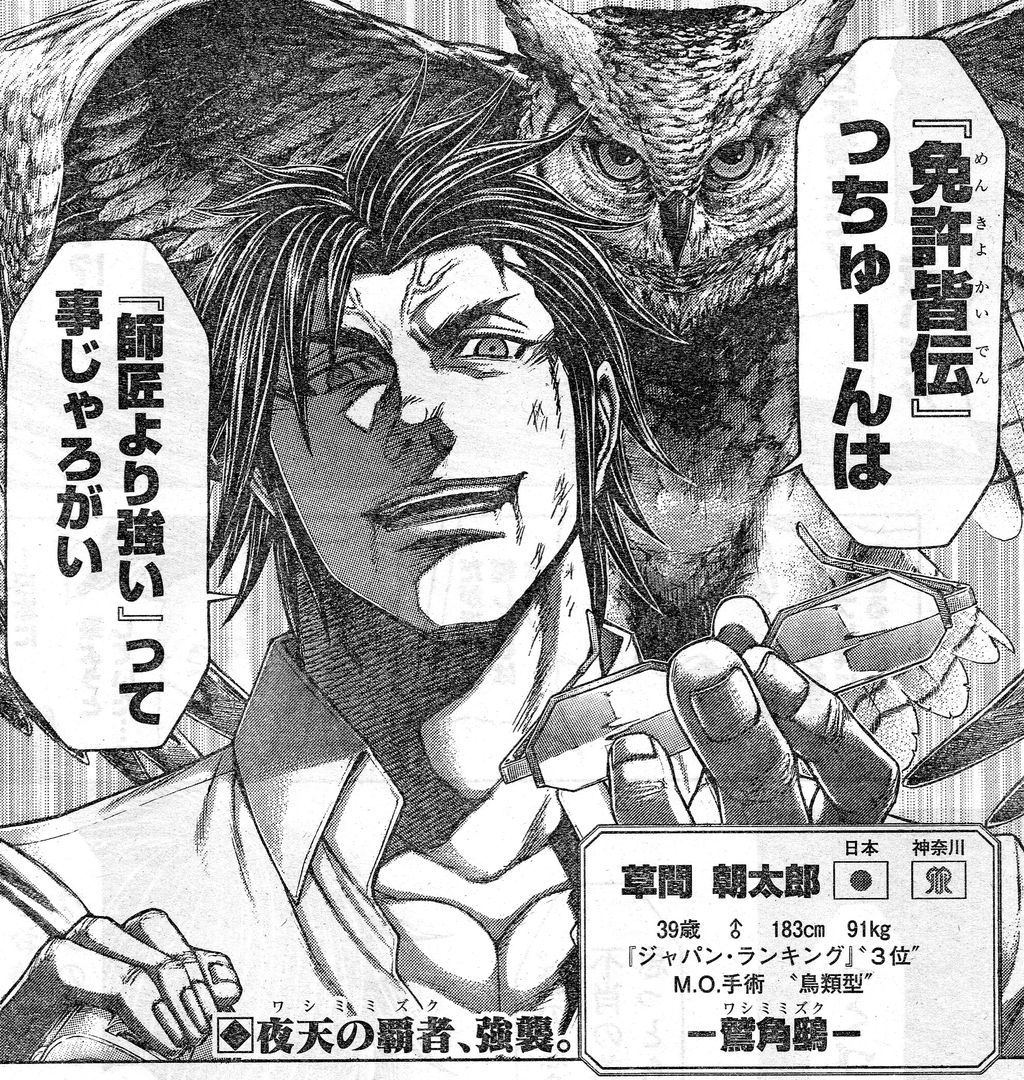
Summary of "Japan Ranking" characters and surgical bases for the Earth version of "Terraformers" [with images].
In "Terraformers," there is a "Mars Ranking," which is a U-NASA-approved ranking system, but there is actually a "Japan Ranking," which is unique to Japan. This section provides a detailed summary of the backgrounds and surgical base organisms of those who fall under the "Japan Ranking" category. Images of each character and surgical base organism are also included.
Read Article
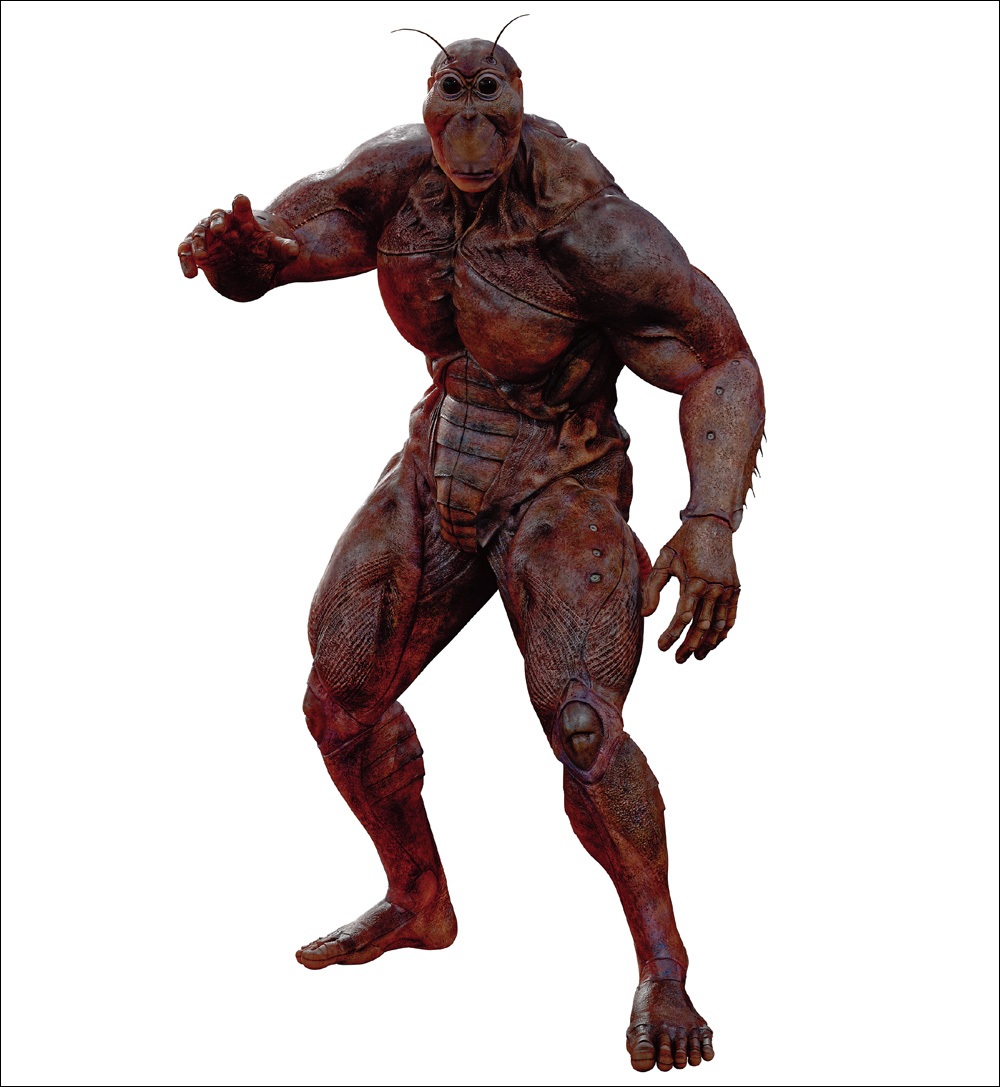
Further Evolution of the Cockroaches in Terraformers! Summary of surgically enhanced cockroaches
In order to adapt to the Martian environment, the cockroaches in "Terraformers" have evolved to human size. Here we have compiled a list of cockroaches that have evolved by applying human technology and acquiring the powers of other insects. We'll give you a thorough rundown, including what insects they were based on!
Read Article
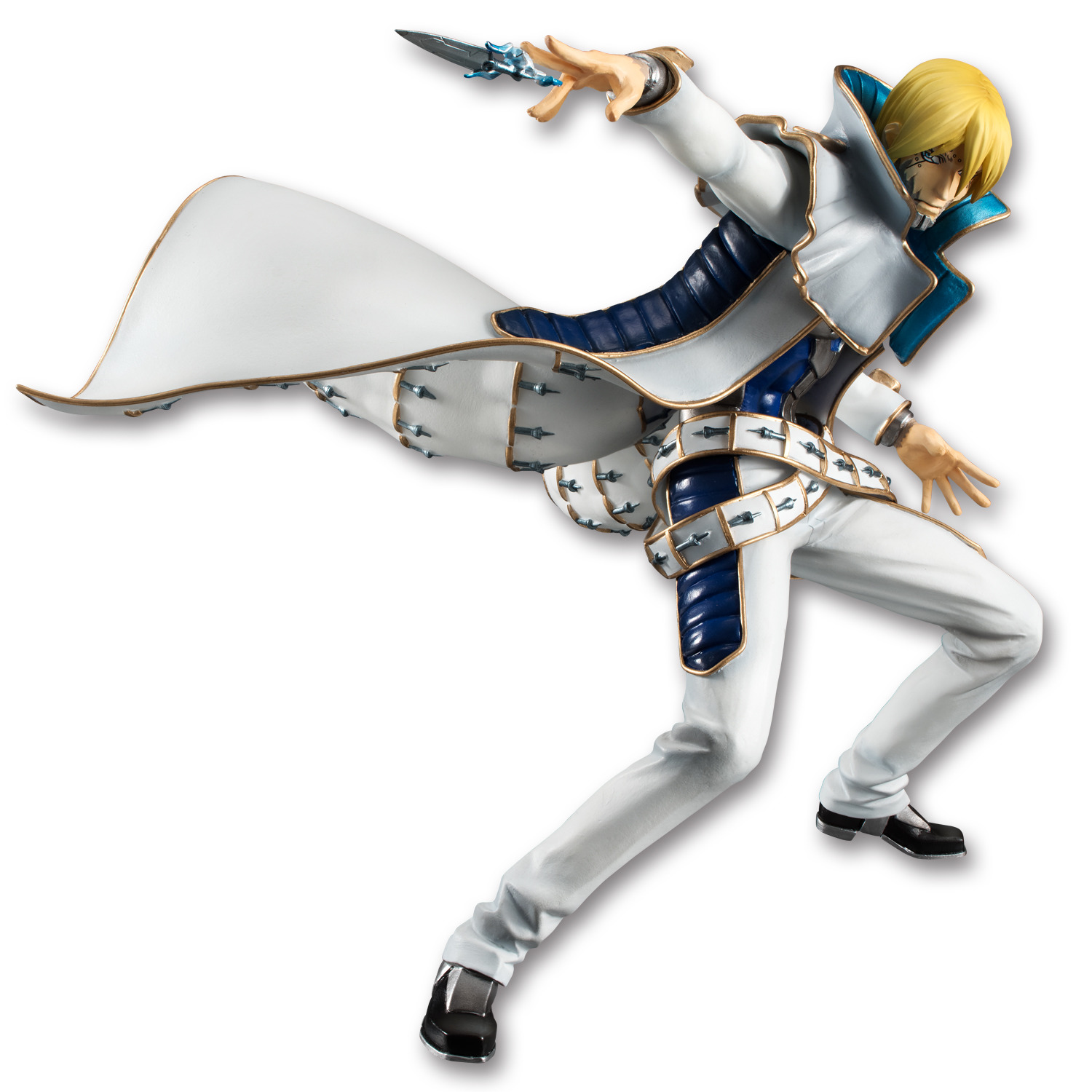
Terraformers and top-ranked exclusive weapons summary
Set on Mars, the manga "Terraformers" depicts a deadly battle against the "Terraformers," the most powerful cockroaches that have evolved to human size. Here we have compiled a list of exclusive weapons of the top "Mars Rankings" humans who fight Terraformers. The power of the weapons and the top rankers who use them are introduced along with famous scenes.
Read Article

In-depth explanation of the members of "Terraformers" Bugs #2!
The manga "Terraformers" depicts a battle against human-sized cockroaches. The following is a summary of the members of "Bugs No. 2," who have acquired insect abilities through surgery in order to complete their grueling missions. What abilities did the members of "Bugs No. 2" acquire through surgery?
Read Article
A compilation of the worst rated shitty movies in "Yuichi Maeda's Super Film Critique! Terraformers" etc.
Here we have compiled a list of movies that have received the lowest rating on the movie review site "Yuichi Maeda's Super Movie Review. The list includes "Terraformers," based on the manga of the same name; "Lupin the Third," starring Shun Oguri, which received a storm of bad reviews; and "Devil Man," which has become the gold standard for B-movies from Japan.
Read Article

Yu Kike, the author of "Terraformers," and Atsuhiko Nakata of "Oriental Radio" look alike!
This article is about the controversial facial resemblance between Yu Kike, the author of the manga "Terraformers," and Atsuhiko Nakata of the comedy duo Oriental Radio. The article also includes images and biographies of both Takaya and Nakata, as well as a brief synopsis of "Terraformers.
Read Article
Tags
Contents
- What is TERRA FORMARS?
- What is the M.A. R.S. Ranking?
- No. 1: Joseph G. Newton
- 手術ベース:不明
- 専用武器:対テラフォーマーコーティング式西洋刀「ジョージ・スマイルズ」
- 2nd : Adolf Reinhardt
- 手術ベース:デンキウナギ(魚類型)
- 専用武器:対テラフォーマー受電式スタン手裏剣「レイン・ハード」
- Third place (tie): Sylvester Asimov
- 手術ベース:タスマニアン・キング・クラブ(甲殻型)
- 専用武器:対人・対テラフォーマー貧栄養時用圧縮再生芽「カフカス・スヴィエート」
- 3rd (tie): Komachi, Shokichi
- 手術ベース:大雀蜂(昆虫型)
- 専用武器:対人大雀蜂毒解毒薬"針便鬼毒酒(じんべんきどくしゅ)"
- No. 5: Michelle K. Daves
- 手術ベース:爆弾アリ(ジバクアリ:Camponotus saundersi)(昆虫型)
- 遺伝M.O.: パラポネラ(昆虫型)
- 専用武器:対テラフォーマー起爆式単純加速装置「ミカエルズ・ハンマー」
- No. 6: Knee-jointed lamp
- 手術ベース:希少種オオミノガ(昆虫型)
- 遺伝M.O.:華蟷螂(昆虫型)
- 専用武器:対テラフォーマー振動式忍者刀「膝丸」
- No. 7: Alexander Asimov
- 手術ベース:スマトラオオヒラタクワガタ(昆虫型)
- 専用武器:対テラフォーマー大顎充填式スペツナズナイフ 「カフカス・カリンカ」
- No. 8: Keiji Onizuka
- 手術ベース:モンハナシャコ(甲殻型)
- 専用武器:対テラフォーマー甲殻一体式パワーリスト「ガナ・フライ・ナウ」
- No. 9: Marcos Ellingrad Garcia
- 手術ベース:アシダカグモ(節足動物型)
- 専用武器:アラクネバスターMKⅡ
- No. 10: Ivan Pereperkina
- 手術ベース:チョウセンアサガオ(植物型)
- 専用武器:篭手
- No. 11: Marcia
- 手術ベース:テッポウウオ
- 12th: Alex Kandri Stewart.
- 手術ベース:オウギワシ(鳥類型)
- 専用武器:対テラフォーマー投擲用硬球「ランディ・ジョンソン(ズ)」
- 13th
- 手術ベース:リオック(昆虫型)
- 専用武器:対テラフォーマー攻撃用蹴球レガース「カルナバル・ド・パリス」
- 14位:ムテバ・ネルソン・ムテキチ・インビクタスJr.
- 手術ベース:ラーテル
- 専用武器:対テラフォーマー臭気式偵察ドローン「ベアーズ・サイドキックス」
- No. 15: Kanako Sanjo
- 手術ベース:ハリオアマツバメ(鳥類型)
- 専用武器:対テラフォーマー飛翔補助ウイング 「飛燕」
- 17位:アーロン・ユージック
- 手術ベース:アオズムカデ(節足動物型)
- No. 18: Nina Yuzik
- 手術ベース:オブトサソリ(節足動物型)
- No. 19: Elena Pereperkina
- 手術ベース:ベラドンナ(幻覚植物型)
- No. 20: Anastasia Andreyevna Politkovskaya
- 手術ベース:トタテグモ(戸立て蜘蛛)(節足動物型)
- No. 21: Hiraki Kono
- 手術ベース:ハブ
- 23rd : Jared Anderson
- 手術ベース:シャチ
- No. 44: Liu Yiwu
- 手術ベース:ヒョウモンダコ(軟体動物型)
- 専用武器(非公認):対人・ 対テラフォーマー移植可能第二・第三心臓「死神転生」
- No. 49: Borjigin Dorjibarki
- 手術ベース:灰色狼
- No. 50: Bao Tuolan
- 手術ベース:チャツボボヤ(脊索動物型)
- 58th
- 手術ベース:メダマグモ
- 61st : Jet
- 手術ベース:錦鉄砲蝦(ニシキテッポウエビ)(甲殻型)
- 専用索敵具(非公認):「銀河蝦虎魚(ギンガハゼ)」
- No. 70: Ryuichi Robson
- 手術ベース:メダマグモ
- No. 77: Amilia Venkatesh
- 手術ベース:イッカククジラ(哺乳類型)
- 82nd: Peggy Foote
- 手術ベース:ハリモグラ
- 89th: Sheila Levitt
- 手術ベース:ヤドクガエル
- 90th: Wolfe Redfield
- 手術ベース:シュモクザメ
- 95th
- 手術ベース:ニホンヤモリ
- No. 97: Hong
- 手術ベース(紅式手術):細菌型
- 専用武器(非公認):対人・対テラフォーマー毒素充填吹き矢
- No. 98: Yaeko Yanasegawa
- 手術ベース:シマスカンク
- No. 99: Xi Chunli
- 手術ベース:ミナミハナイカ
- No. 100: Eva Frost
- 手術ベース:プラナリア(扁形動物型)
- 継承ベース:デンキウナギ
- Mars Rankings Unknown
- yo!
- Hagfish
- Bourne (shell)
- Chrysomallon squamiferum
- Aaron Yusick.
- Scolopendra subspinipes japonica
- Gao Jun
- Lee
- Jen.
- Sandra Hoffman
- Felis silvestris catus (Germanrex)
- Other members of the Adolph team
- Characters in the New Chapter Earth Arc
- Sho Saito
- Cricket
- Kutouryu Crew
- Yan Chao Kai
- Aritake
- Bao Yuiran
- Halocynthia
- extra (special) edition
- Sachiko Kobayashi
- Horned cicada
- Moga Moga
- Wolverine
- Terraformers Gaiden Asimov
- Vwork Hevsenko.
- Polar bear
- Pheropsophus jessoensis
- Scavengers & Outsiders
- Tohei Tachibana
- Brown rat
- Elizabeth Rooney (Lizzie)
- Felis silvestris catus (American shorthair)
- Siegfried Balzer
- Dog (Doberman)
- Reina Yamaba
- Diestrammena apicalis
- Pheropsophus jessoensis
- Rhinoceros beetle
- Polyergus samurai
- mountain witch
- Polyergus samurai
- Dale Gibson
- Macrotritopus defilippi
- LOST MISSION Ⅰ Memory of the Moon
- Rubio (Luna Garcia)
- Lasso Spider
- Skyler Bellwood.
- Ophiuroidea
- Marcos Piazza
- Elephant beetle
- Seu (Seu Juarez), a man of color
- Kissing bug
- Tibi (Gregorio)
- Water strider
- MO terraformer
- Smato Hill stag beetle (Dasypus smatoensis)
- Monohana partridge (Sepia esculenta)
- Tasmanian King Club
- spiny anteater
- ratel (Mellivora capensis)
- Bostrycapulus gravispinosus (species of spiny slipper snail)
- archerfish (any fish of family Toxotidae, esp. the banded archerfish, Toxotes jaculatrix)
- Bugs-type terraformers
- flower praying mantis (esp. the narrow-winged mantis, Tenodera angustipennis)
- Cochlea (small cowry)
- Paraponera (Sassihariari)
- パラポネラ (Paraponera clavata)
- Onyanma (Onyanma daruma)
- mole cricket (esp. the Oriental mole cricket, Gryllotalpa orientalis)
- Dorcus rectus (species of stag beetle)
- 28-spotted ladybird (Epilachna vigintioctopunctata)
- Myrmarachne japonica (species of spider moth)
- diving beetle
- Selenotoca papuensis (species of Western Pacific scat known in Sulawesi and Papua New Guinea)
- Pheropsophus jessoensis (species of bombardier beetle)
- Medaka honeycreeper
- The Buggs 2 crew and the stolen Buggs capabilities.