
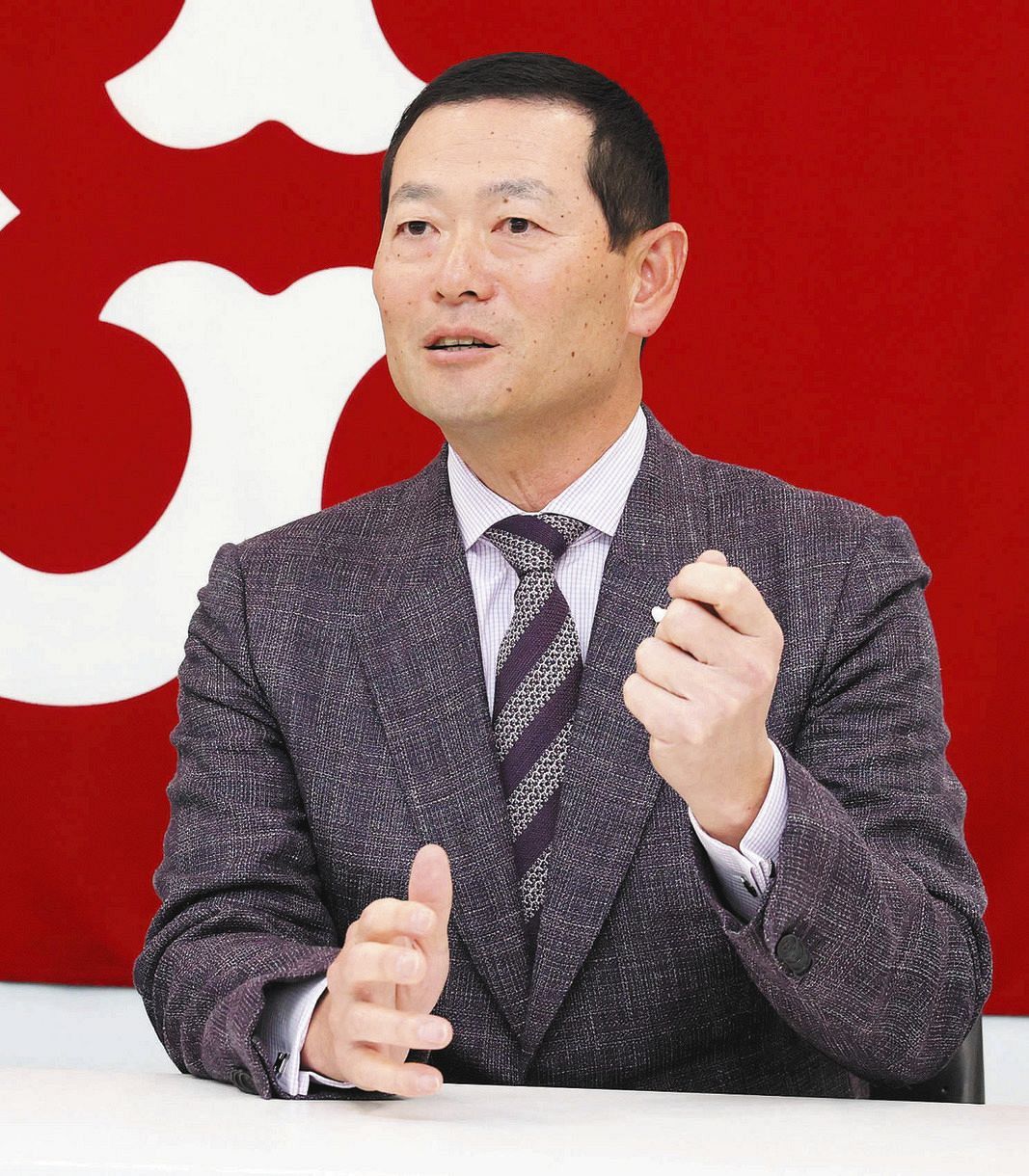
This is a summary of Matt's father, Masumi Kuwata, who is very active on TV. He was a great pitcher representing the baseball world in the Showa and Heisei eras, and was also highly regarded as a hitter during his high school years, and like Shohei Otani, his two-faced success became a topic of conversation. This is a thorough explanation of the greatness of Kuwata, the baseball man.
This is an episode from my freshman year.
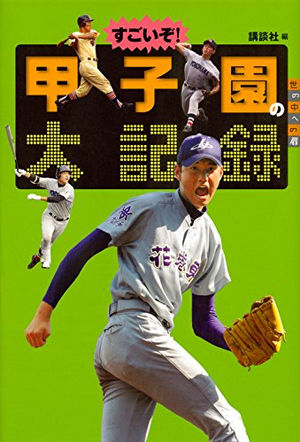
From the summer of his freshman year to the summer of his junior year, he participated in five consecutive Koshien tournaments, winning two championships and finishing in the runner-up position twice, a record similar to Dokaben's Meikun High School.
Source: dic.nicovideo.jp
Koshien's total of 20 wins is still an unbroken record.
Source: www.amazon.co.jp
He has been the ace since his first year, and his "20 wins in Koshien" remains the best record after the war.
Source: dic.nicovideo.jp
Kuwata thought about what he would do when he became a professional pitcher, and pitched only with a straight line and a curveball for three years. The purpose of this was to extend his career as a pitcher by gradually increasing the variety of his pitches.
Source: middle-edge.jp
Many teams have won consecutive spring and summer championships, but the only team to achieve this level of success in five consecutive seasons was PL Academy at the time of the KK combination after the reform of the school system.
Source: ja.wikipedia.org
■This momentum has continued after turning pro.
Source: www.amazon.co.jp
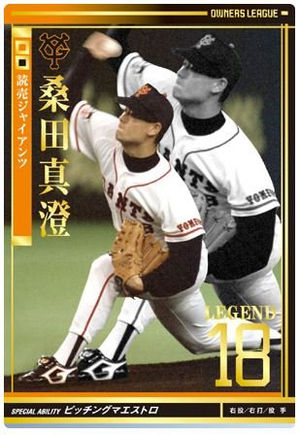
After joining the Yomiuri Giants in 1986, Kuwata became the team's ace, winning the Sawamura Award and many other titles.
Source: www.fnn.jp
In 1989, when he was named the starting pitcher for the second consecutive year, he started the season with five consecutive wins without losing a game. Marked 17 wins, the most in his career.
Source: ja.wikipedia.org
Since 1990, he has maintained a consistent record of 14, 16, 10, 8, and 14 wins. Especially in 1994, the year he won the championship, he was awarded the MVP award for his performance including a good pitch in the legendary "10.8 decisive battle.
Source: www.excite.co.jp
■The comeback play from injury was also inspiring.
Source: amanaimages.com
It turns out that he had suffered a serious injury, a rupture of the lateral collateral ligament. He then went to the U.S. to undergo Tommy John surgery to transplant a healthy ligament from his left wrist for treatment.
Source: middle-edge.jp
The rehabilitation process was long and fierce. Kuwata ran at the Giants' stadium, believing that he could "strengthen his lower body. The turf in the area where Kuwata continued to run became peeled off and is now known as "Kuwata Road," a legendary road in the Giants' stadium.
Source: www.excite.co.jp
One of the most famous resurrection performances is that of former Giant Masumi Kuwata (50) on April 6, 1997, at the Tokyo Dome, his first appearance in 683 days. The story is still told of how he placed his hands on the mound and thanked the "God of Baseball.
Source: www.news-postseven.com
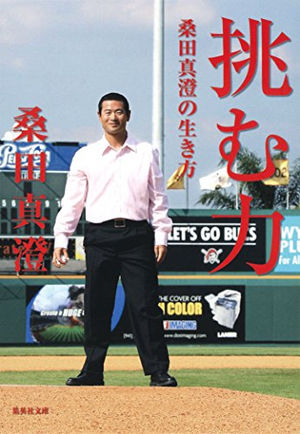
■ And experience in the majors.
Source: www.amazon.co.jp
In 2007, he signed a minor league contract with the Pittsburgh Pirates. He missed the opening day of the major leagues due to an injury, but was promoted to the majors in June.
Source: dic.nicovideo.jp
Debuting at 39 years and 70 days old is the first time in history for a Japanese player (at that time, currently second only to Ken Takahashi), and the second time in the post-World War II era for all majors after Satchel Paige at 42 years old and Diomedes Olivo at 41 years old.
Source: ja.wikipedia.org
Unfortunately, Mr. Kuwata was unable to win a major league game, but the challenge of the 39-year-old veteran is still burned in the hearts of many baseball fans.
Source: www.tbsradio.jp
■And the best thing about Mr. Kuwata is that he was also an active hitter.

Source: www.aflo.com
He looked like the Otani player of today.

Contents
- Matt
- ■It is no exaggeration to say that this is the most talked-about
- ■Do you know who Matt's father is?
- ■This Masumi Kuwata's working days were amazing. His greatness started when he was in junior high school.
- ■And the all-too-famous high school years
- Koshien's total of 20 wins is still an unbroken record.
- ■This momentum has continued after turning pro.
- ■The comeback play from injury was also inspiring.
- ■ And experience in the majors.
- ■And the best thing about Mr. Kuwata is that he was also an active hitter.
- ■Continues to remain in the hearts of many of today's fans