
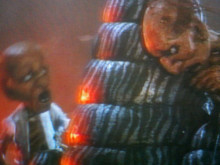
The famous short story by Ryunosuke Akutagawa, a great writer, was broadcast by NHK as a puppet show decades ago. The story is even traumatic, and the puppets are creepy and leave a strong visual impact. The impact was further strengthened by an arrangement not found in the original story.
Original story "The Spider's Thread
Buddha was strolling in the Paradise. Suddenly, he peeks into a pond and sees a group of departed souls in torment in hell. Among them, there was a man. He was Kandata, an evil man who had committed robberies and other crimes. He had done deeds that should have landed him in hell, but he said, "I did only one good deed during my life. He did not kill a passing spider, but saved it, saying, 'Poor spider,'" and Buddha took his good intentions and sent the golden thread of the spider, which had been in the Paradise, down to hell. Kandata was overjoyed. He climbs up to escape from hell and enter paradise, but as soon as he yells at the other departed souls coming up, "Don't come up here without permission! The thread breaks, and Kandata goes back to hell.
Arranged part, Hell and Paradise
At the beginning of the film, a picture of Paradise is shown, and just as the viewer is about to admire its beauty, a picture of Hell is shown. In Buddhism, there are other "worlds" besides paradise and hell, but since this is for children, the concept of "if you do good, you go to paradise, and if you do bad, you go to hell" is imprinted on them by the change of background music and the horror of the hell picture.
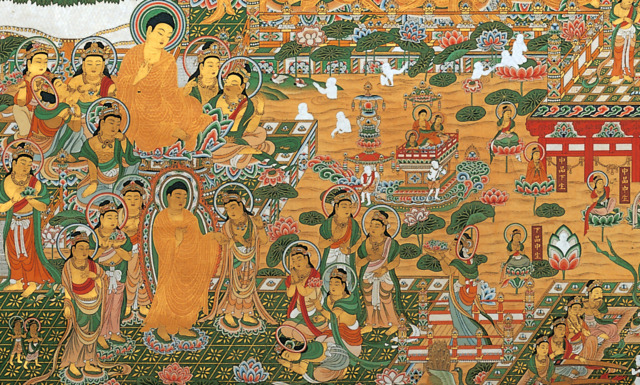
I heard that they used to take children to temples and show them pictures of hell and paradise.
Paradise is a quiet, moderately bright, beautiful place. Hell, on the other hand, is dimly lit, and the pond of blood in which Kandata is tormented gives the impression of a cesspool of filth. Here, too, the contrast seems to take the form of a contrast.
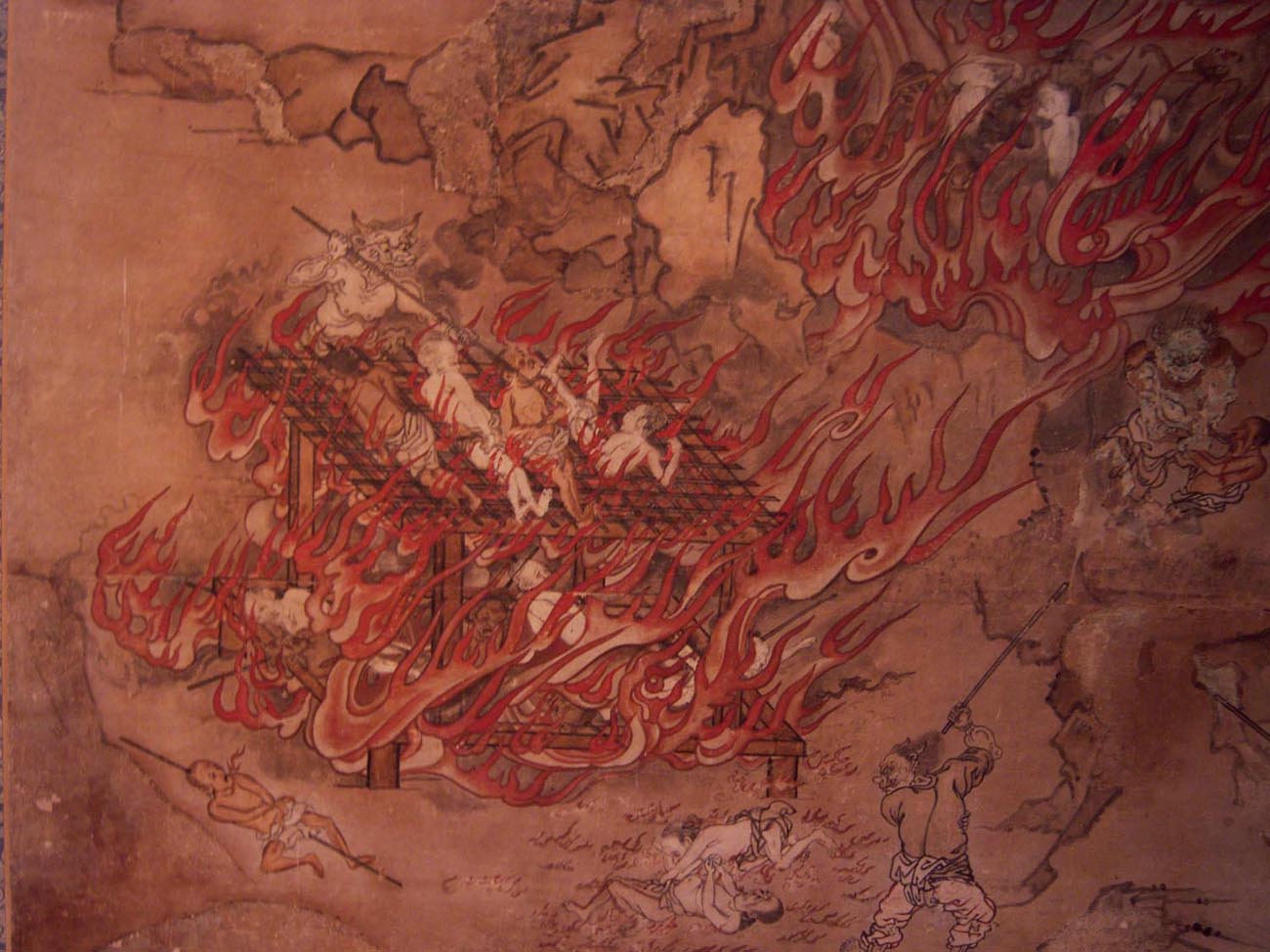
If you do evil, you will suffer this after death, maybe?
Arrangement part, Kandata's workmates
In the original story, Kandata was alone, but in this puppet show, his "workmates" (I call them this because they were not specifically named) appeared before his death. He is a small villain, making a fuss when he sees the blood on his body (in the pool of blood). Kandata, on the other hand, seems to have lost none of the courage he had before his death, despite his taciturnity, perhaps due to fatigue. He shouted at him, "Shut up!
Why did you bring up "business associates"?
However, this little villainous workmate was actually an important character to show well the "duality" of human beings. As in the original story, when the spider threads came down, Kandata called out to his workmates, "Keep your hands to yourself and don't fall," and they encouraged each other as they climbed up. It was the same as when he tried to clear away the cobwebs that were in his path to work the fire before he died, but he stopped himself from feeling "sorry" for them. It was cool to see him give up his "job" for the day while muttering, "I must have done something wrong..." even though he was a scoundrel. It was "goodwill" to think of others.
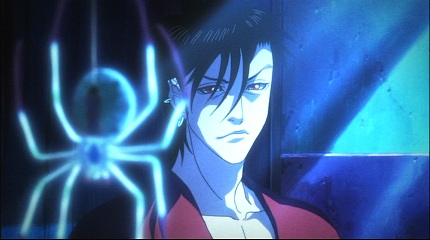
Things changed when I took a break and looked down. The scene is that the walkers are gathering on the spider threads as if they were hanging on and coming up. They shout in panic, but Kandata says, "You get off too!" and kicks his workmates off. He doesn't want the thread to break, so he goes to paradise, even if it is only by himself. This is how the "selfish side and malice" came to the surface.
Depiction of Hell
The workmates are falling into hell, but the hell in this scene is glistening red, like a boiling cauldron. The scene in which the dead are swarming around the threads is also unnerving, and shows the seriousness of the filmmakers. It has a power that no human, animation, or computer graphics can bring out.
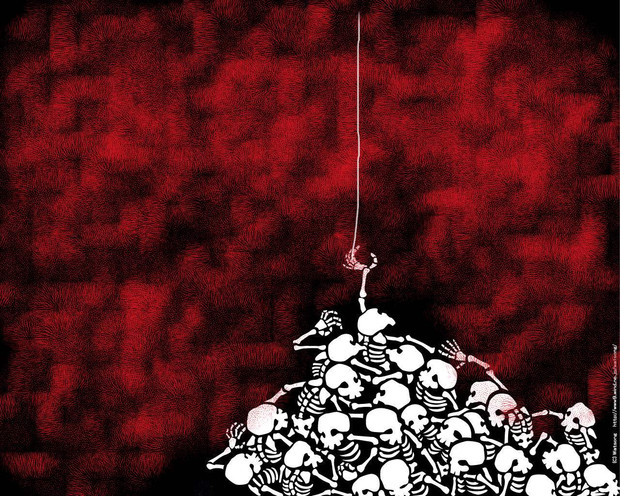
Bone-like wraiths swarmed the threads like this...or was it more gruesome than that?
summary
If it were now, it might not be aired because it would "scare kids" or something. Or it might be remade and portrayed somewhat lukewarmly. However, it seems that the education of "showing a picture of hell" has been reaffirmed, and I would venture to say that it should be broadcast again, or even as many times as possible. Not only "The Spider's Thread," but I think there were many masterpieces in NHK's puppet shows. This was the arranged part of the puppet show version of "The Spider's Thread.
