
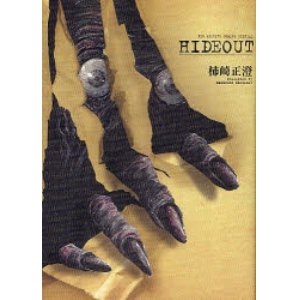
What are your feelings about the speed horror depicted in a single book? We have avoided introducing painful descriptions, but please refrain from doing so if you are not a fan.
About This Book
Serialized in Big Comic Spirits 2010 No.28-38 2010 Book release
Author: Masazumi Kakizaki ... Works: "Infectious Islands", "RAINBOW: Seven People in Two Rokubou", etc.
Synopsis/Story
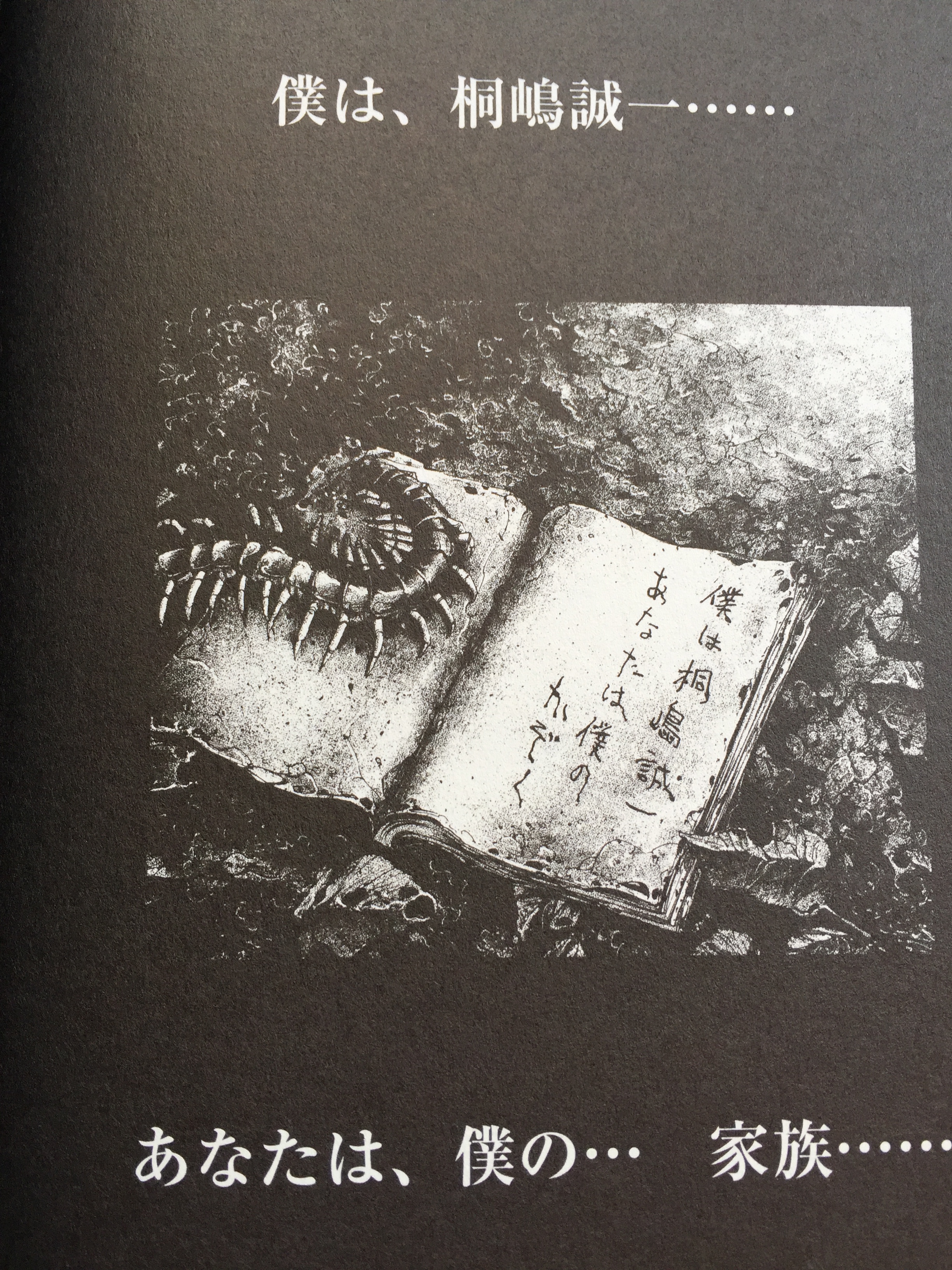
Seiichi Kirishima, his wife Miki, and their child Jun were living happily together. Seiichi's business was not going well, and his serialized works were discontinued. He tried to write new works and visit publishers, but was turned down. In contrast to her husband, his wife, Miki, buys a lot of brand-name goods. Not wanting to worry the young Jun, she pretended that her work was going well and continued to write frantically. Miki left the house telling Seiichi that she was going shopping with a friend and wanted him to watch the child, but Seiichi did not hear her because he had his earphones on and was concentrating on his work. Meanwhile, tragedy struck. Jun fell to his death from the balcony. Seiichi proposed having a child because he would be ruined if he kept dragging Jun along, but Miki told him, "I never wanted to have a child from the beginning. Jun had no choice but to have a baby because she could. You have to earn more money for me than that. Miki's response is to dismiss him. The smoldering spark started to burn. Seiichi takes Miki on a trip to "start all over" and discovers a strange cave and enters it...
All for the family.
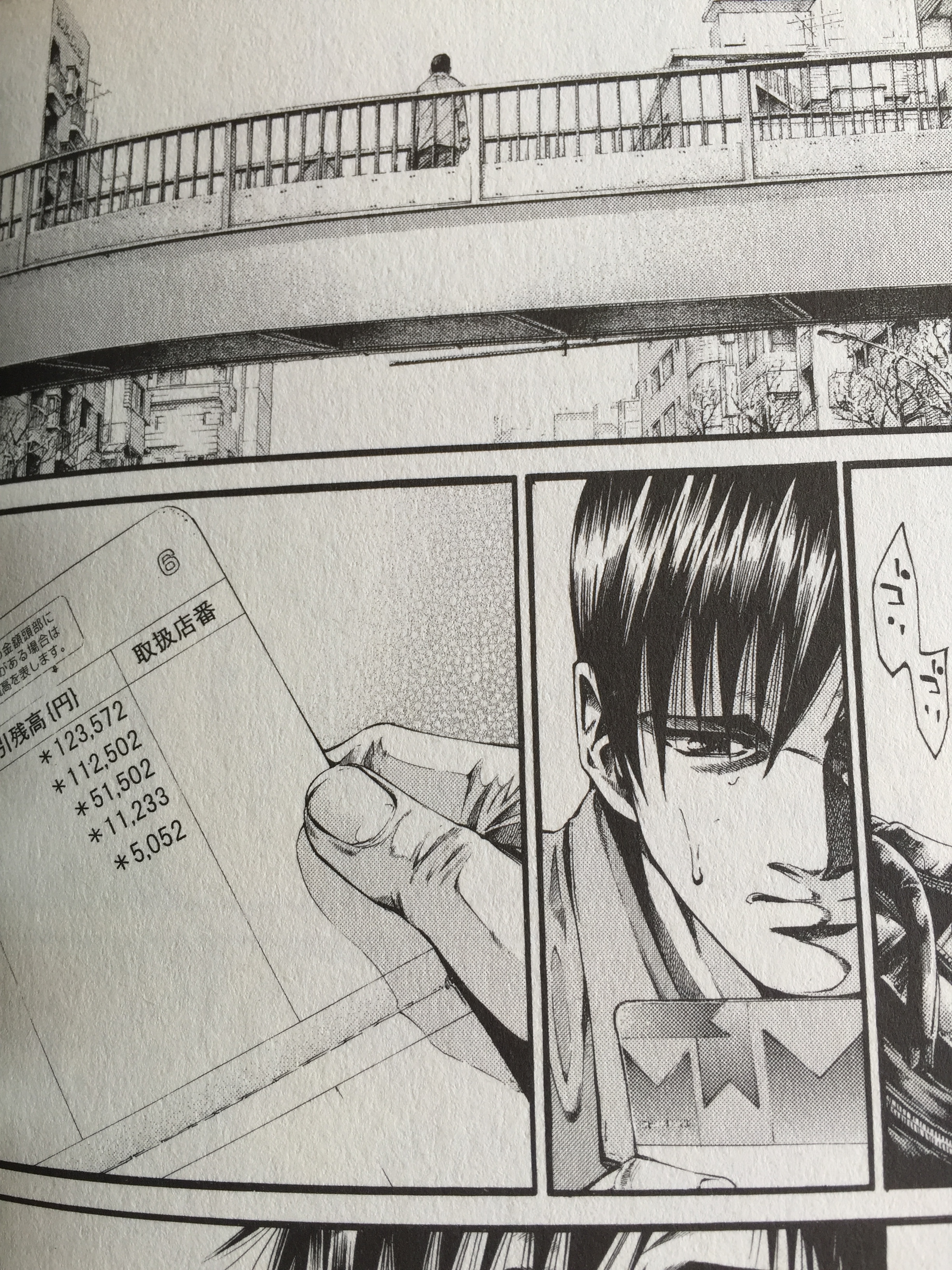
Seiichi continues to pretend that his work is going well while draining his savings.
If only I had been more careful back then...
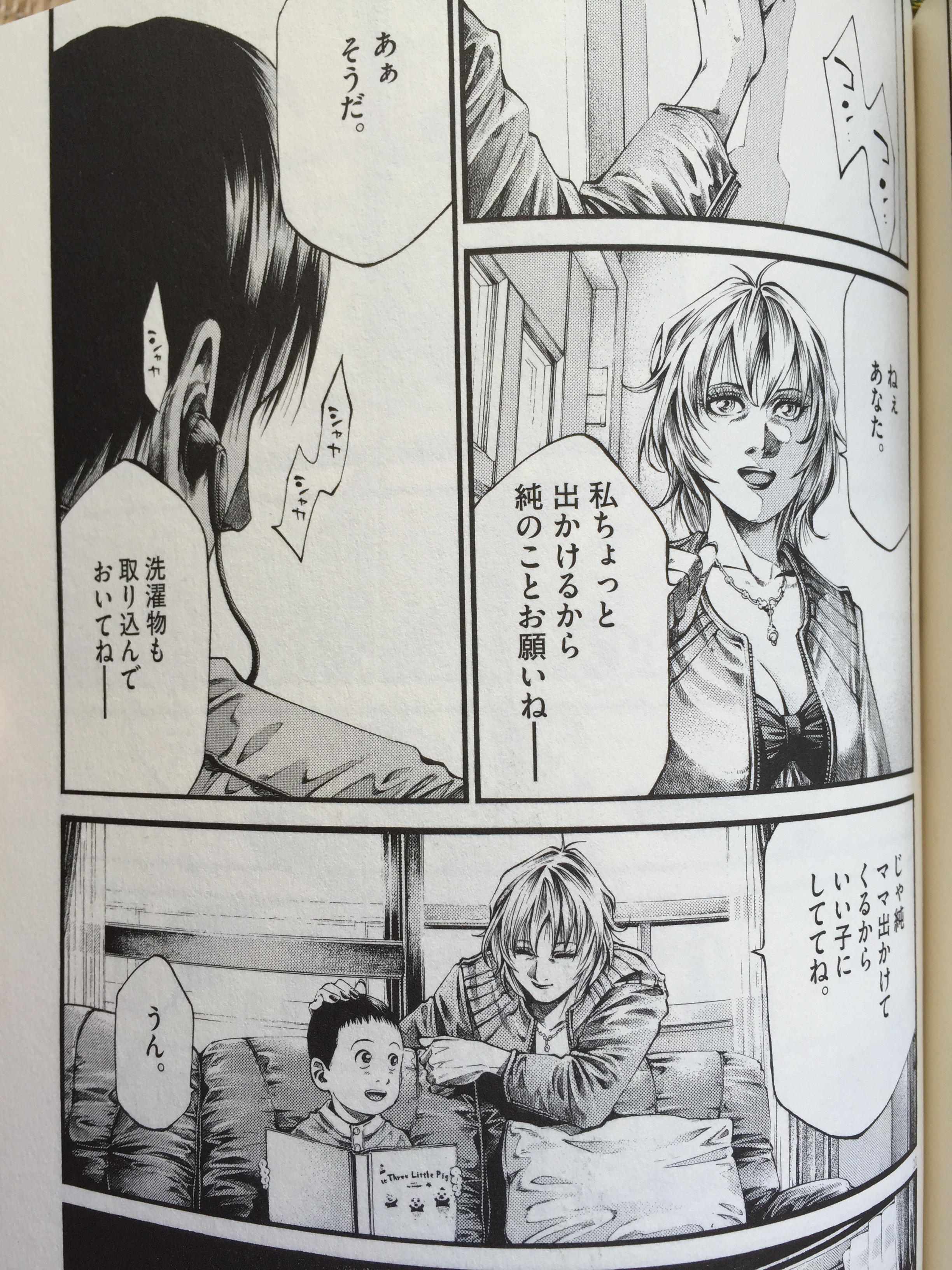
Miki "told" her husband, but Seiichi did not hear her because he was wearing earphones. He must have been listening with the volume turned up too high to concentrate. Jun, the child, heard Miki telling him to take in the laundry, and since the window was still open, he slipped off the step ladder to take in the laundry.
It's your fault.
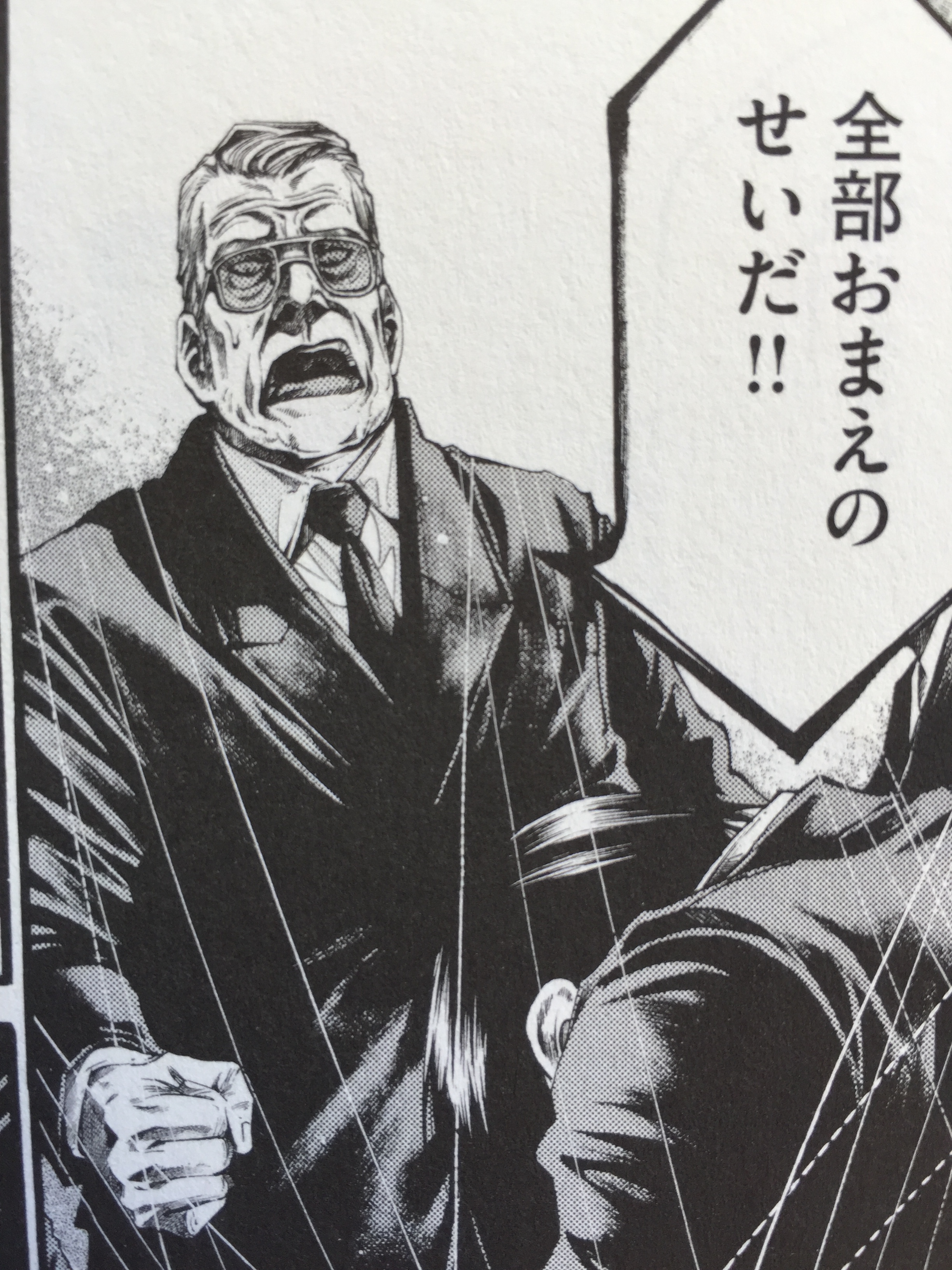
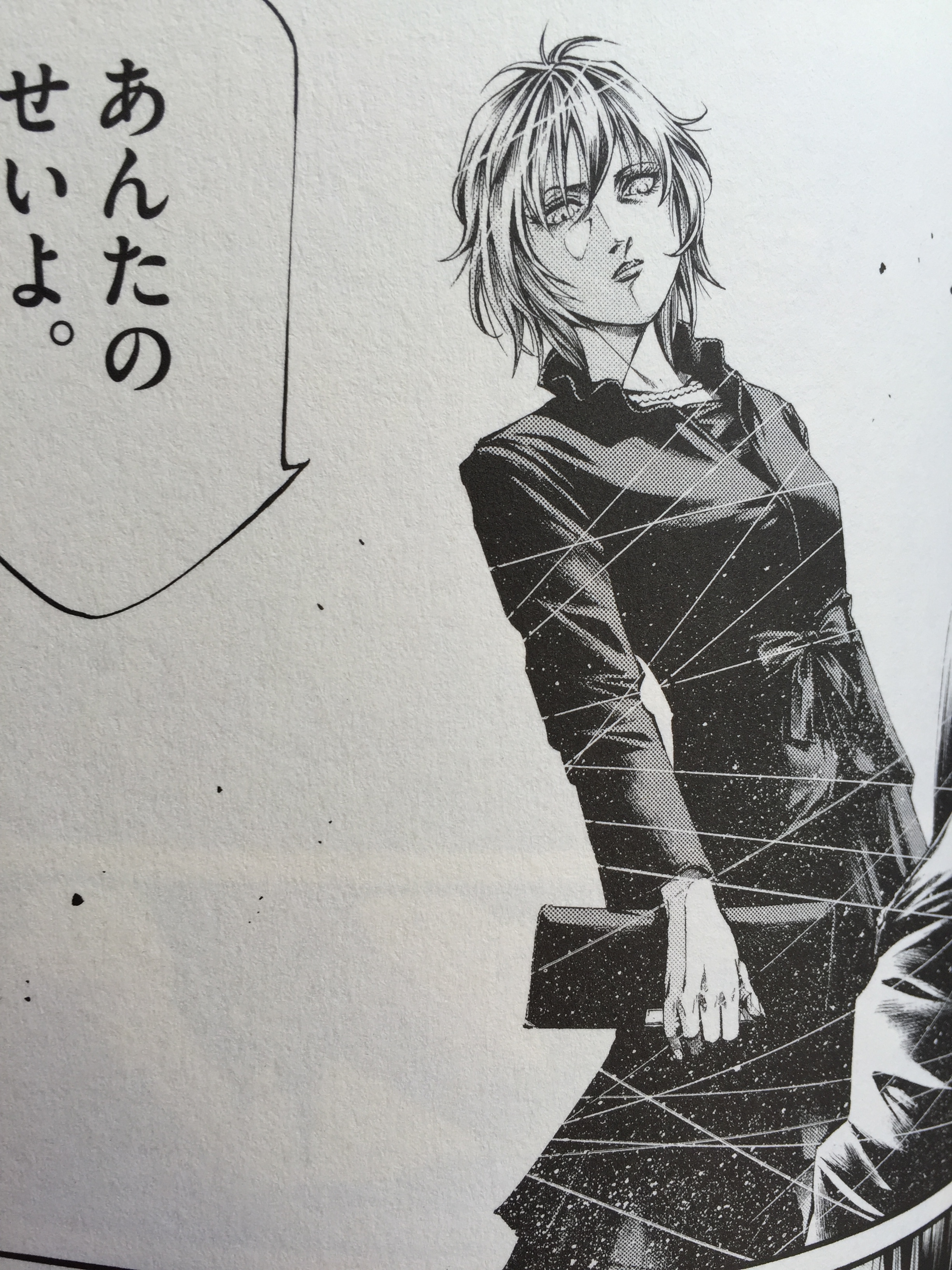
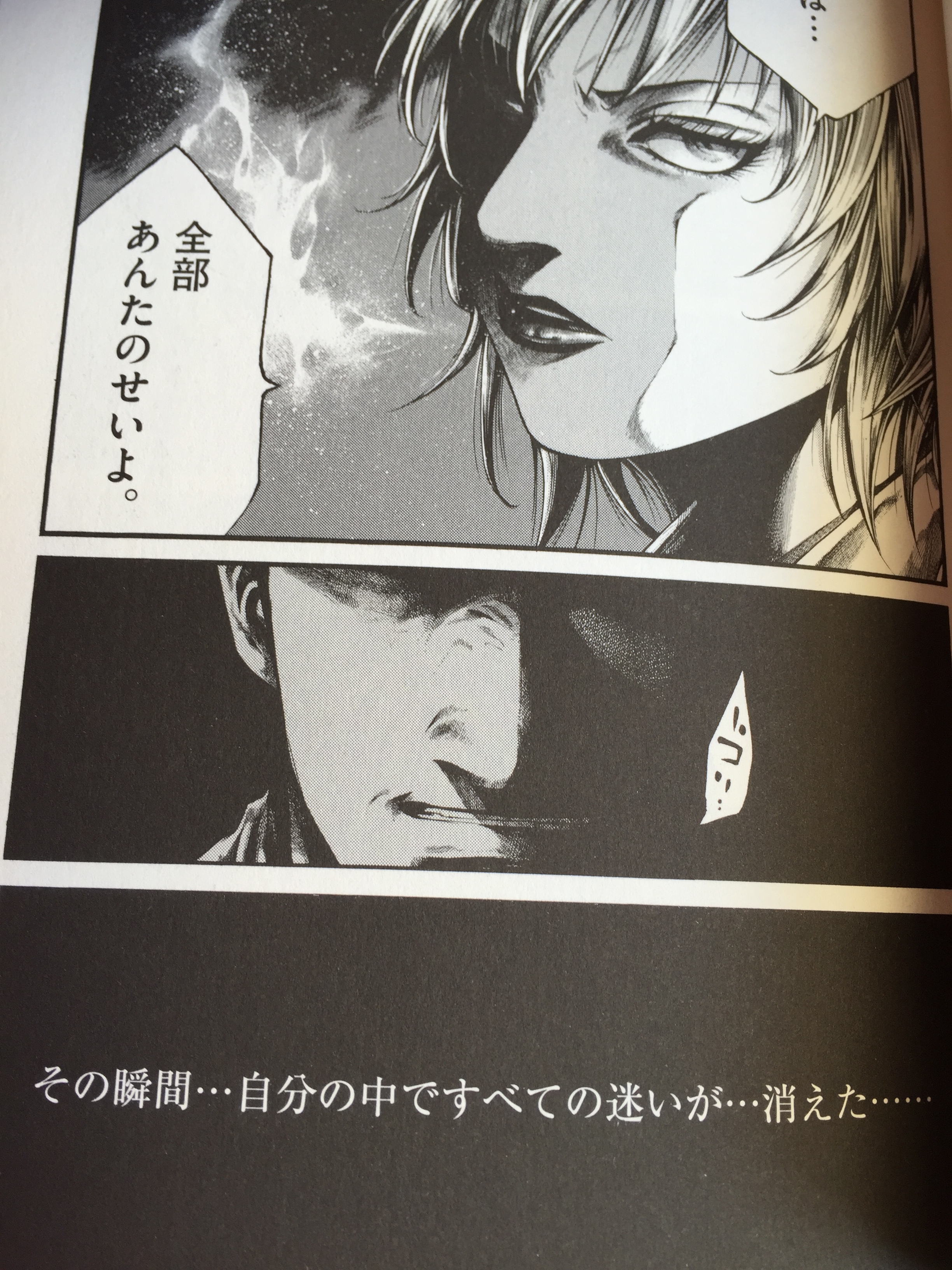
Repeated reprimands blew reason out of the water.
Cave Monster
Miki is taking Miki on a trip to "start all over again." Deep in the mountains of an island that was once the scene of a fierce war, Miki is now in the middle of the "happily ever after" waterfalls. The moment finally came when they went deep into the mountains to see the "waterfall that makes you happy". I had imagined over and over again... this moment of killing this woman. Seiichi believed that if he killed the bitch, he could get a second chance, so he took advantage of the opportunity and chased Miki, who ran away, into a cave. In the cave, a "monster" who had once survived the war as a soldier was living on human food. A captured woman, a small boy, Miki who was still alive, and Seiichi who was attacked for food.
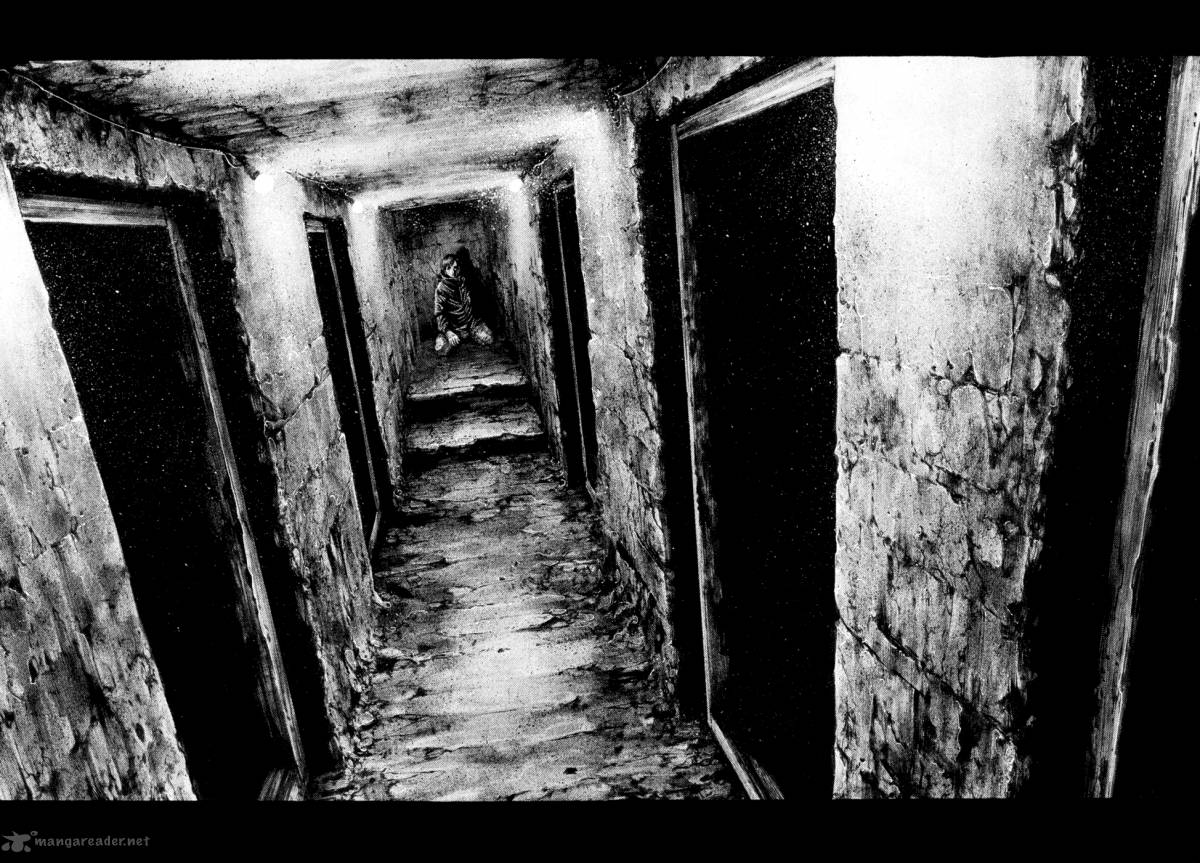
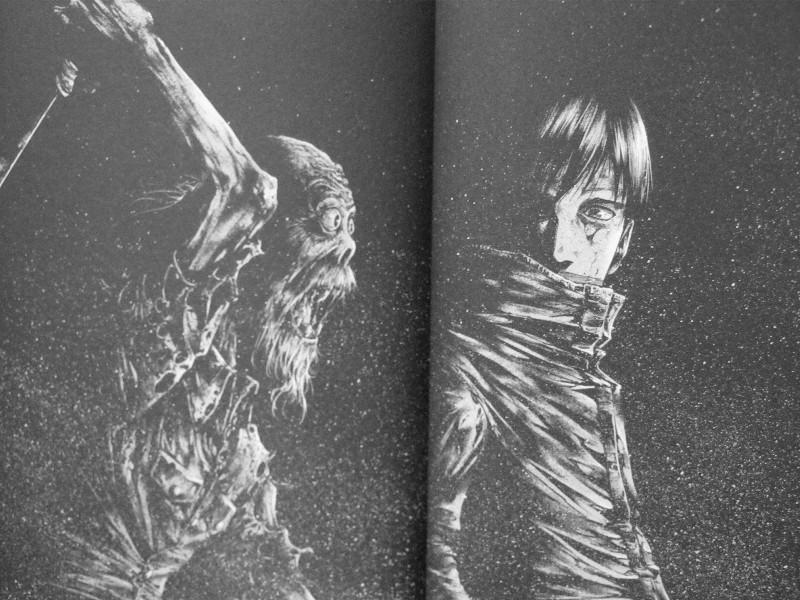
Don't leave me. Don't leave me alone.
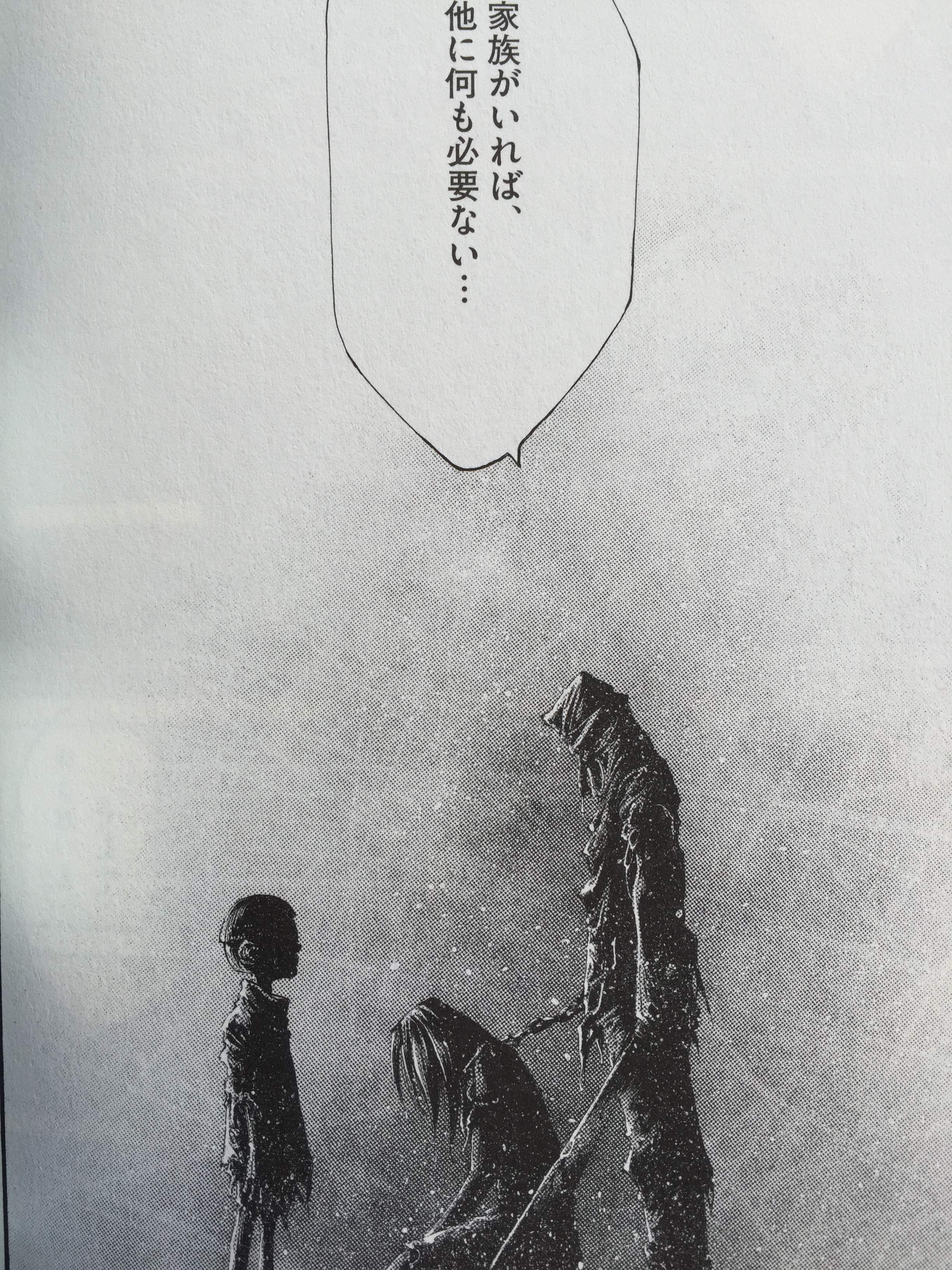
Seiichi wanted a family. He wanted to build a new family, calling the woman trapped in the cave his beloved wife and the child his beloved son. Here (in the cave) is what Seiichi was looking for. This is his story in a certain month of 1989.
Time passed and on November 30, 2010, a couple was about to enter the cave.
I have been alone all my life...I am lonely.... I want to see you.... Please help me... no more... no more... I don't want to be alone..."
You are my... family..."
postscript
In the afterword by Masazumi Kakizaki, the author of "The Green Mile" and "The Shawshank Redemption," he writes that he was influenced by Stephen King, a leading modern horror writer and the author of "The Shawshank Redemption," and that he has been fascinated by horror since childhood, and that he is grateful to those who helped shape it even though he knew that horror would not sell. I am writing this book in the hope that readers will feel something, good or bad, while expressing my gratitude to those who made it possible for me to write this book. It is interesting that the author describes what he was able to do this time as "poison nuki". It also says that he hopes "HIDEOUT" will be lined up in a corner of your bookshelf.
Love it or hate it - readers' opinions are beautifully divided.
It is a masterpiece, which deserves to be better known.
On the cover of Spirits (a serialized magazine of this work), which was on sale at the airport bookstore before I boarded the plane,
I was drawn to it from the moment I saw the illustration.
I was drawn in from the moment I saw the illustration of this work on the cover of Spirits (a serialized magazine of this work) sold at an airport bookstore before I boarded the plane.
If you are exposed to a certain amount of the work, you will have a sense of déjà vu, as you do with most movies, comics, music, etc.
You will feel a sense of déjà vu.
I think it is a matter of how you cook (direct) it.
Source: www.amazon.co.jp
