
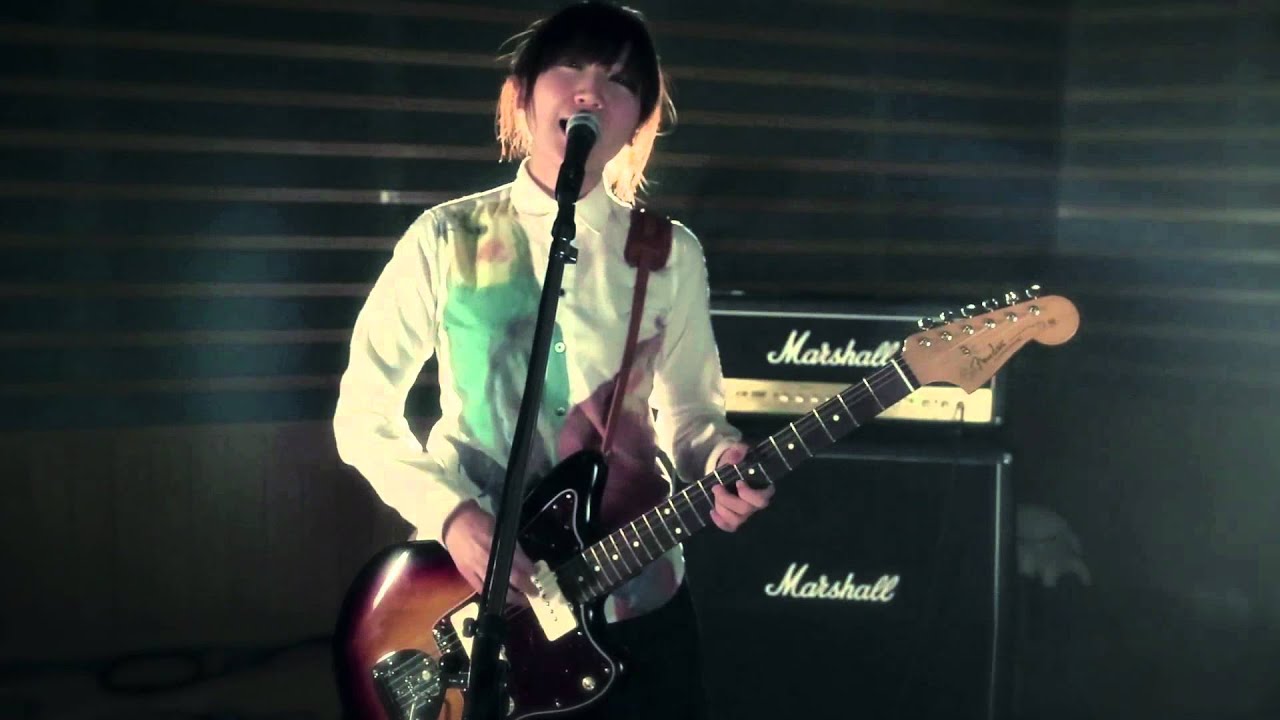
If the second generation of Japanese shoegaze was Shoujo Skip, it does not make sense that everything before that would be the first generation. The shoegaze scene has existed in Japan for a long time. Divided by era, the generations of Japanese shoegaze include Generations 0, 1, and 2. However, there was another generation in between Generations 1 and 2. These are recapitulated in chronological order.
How I became aware of the shoegaze generation
In 2012, "Shoujo Skip" released the album "COSODOROKITSUNE," which was introduced as the "second generation" of Japanese shoegaze. I wanted to organize the information about the "second generation" of Japanese shoegaze bands, since there is no summary of what bands were in the generation before and after the "second generation. I wanted to take this opportunity to cover all the major bands of each era.
There are 0, 1, and 2 generations of Japan shoegazers.
If the second generation is the girl skips, it does not make sense that everything before that is the first generation. The shoegaze scene has existed in Japan for a long time.
Japanese shoegaze scene special - cruyff in the bedroom INTERVIEW - CDJournal CDJ PUSH
www.cdjournal.com
The names "newgaze" and "neo shoegaze" are thrown around, and the pop-ups in record stores say "a must for shoegazers," "recommended for mybla lovers," and "'Lovelace' is a great album. ......
Discogs Search Japan Shoegaze
www.discogs.com
Dividing the Japanese shoegaze scene into four generations
I believe, however, that the next generation can be divided a little before and after Total Feedback started in March 2008, i.e. before Shoujo Skip, etc. Before Yusuke Hata of Cruyff in the bedroom started Total Feedback in 2008 at Koenji HIGH, shoegaze bands survived at rock events at live houses and clubs in Shimokitazawa, Kichijoji, and Koenji. of Cruyff in the bedroom started Total Feedback at Koenji HIGH in 2008, shoegaze bands survived at rock events held at live houses and clubs in Shimokitazawa, Kichijoji, and Koenji. Typical events included natural gift, Getting Better, and a place in the sun. Manabu-san of a place in the sun, in particular, was the one who kept the shoegaze scene going.
Getting Better
getting1996.com
OFFICIAL WEB SITE of "Getting Better", a nationwide ROCK DJ PARTY, celebrating its 20th anniversary in 2016.
Generation 0 is early to late 1990s
In the first generation, rock bands such as ZEPPET STORE and dip emerged from the rock scene, and guitar-pop bands from the Shibuya style emerged, influenced directly by the overseas scene. They were not so much fascinated by the shoegaze genre, but rather adopted it as one of the coolest sounds from overseas.
Bands such as COALTAR OF THE DEEPERS, Venus Peter, ZEPPET STORE, Flipper's Guitar, Spiral Life, and Salon Music.
The first generation was from the late 1990s to the early 2000s
The first generation, while active in the indie scene since the early 90s, sometimes rejected the musicality of shoegaze because it was a time when the genre was treated with contempt.
cruyff in the bedroom, Luminous Orange, Hartfield, Human Station, Supercar, Honeydip, dive, Mash, etc.
Generation 1.5 in the mid-2000s
After "Blue Skied an' Clear," electronica and post-rock were springing up, and the genres of music that were being brought in were rock bands, home recording, post-rock, and guitar pop, just like the current diverse music scene. The events that contributed the most in Tokyo were a place in the sun and natural gift.
Bands included Mono (not Monocism), CLAMS, maikotobranco, Cosmicdust, Texas Pandaa, Cryv, Oeil, Caucus, John juhl's Cornfield, burrrn, sgt. In addition to these, Lemon's Chair of HIFADER RECORD, the main label of the shoegaze movement in Kansai, is also included here.
High Fader RECORDS diskunion.net OLD ROCK ONLINE SHOP
diskunion.net
The second generation is in the late 2000's ~.
Now, finally, the second generation is coming out. The second generation includes "dead my girlfriend," "plastic girl in closet," "bloken little sister," and so on. The bands that come out after this will be recognized as the second generation for a while.


Tags
Contents
- How I became aware of the shoegaze generation
- There are 0, 1, and 2 generations of Japan shoegazers.
- Dividing the Japanese shoegaze scene into four generations
- Generation 0 is early to late 1990s
- The first generation was from the late 1990s to the early 2000s
- Generation 1.5 in the mid-2000s
- The second generation is in the late 2000's ~.