
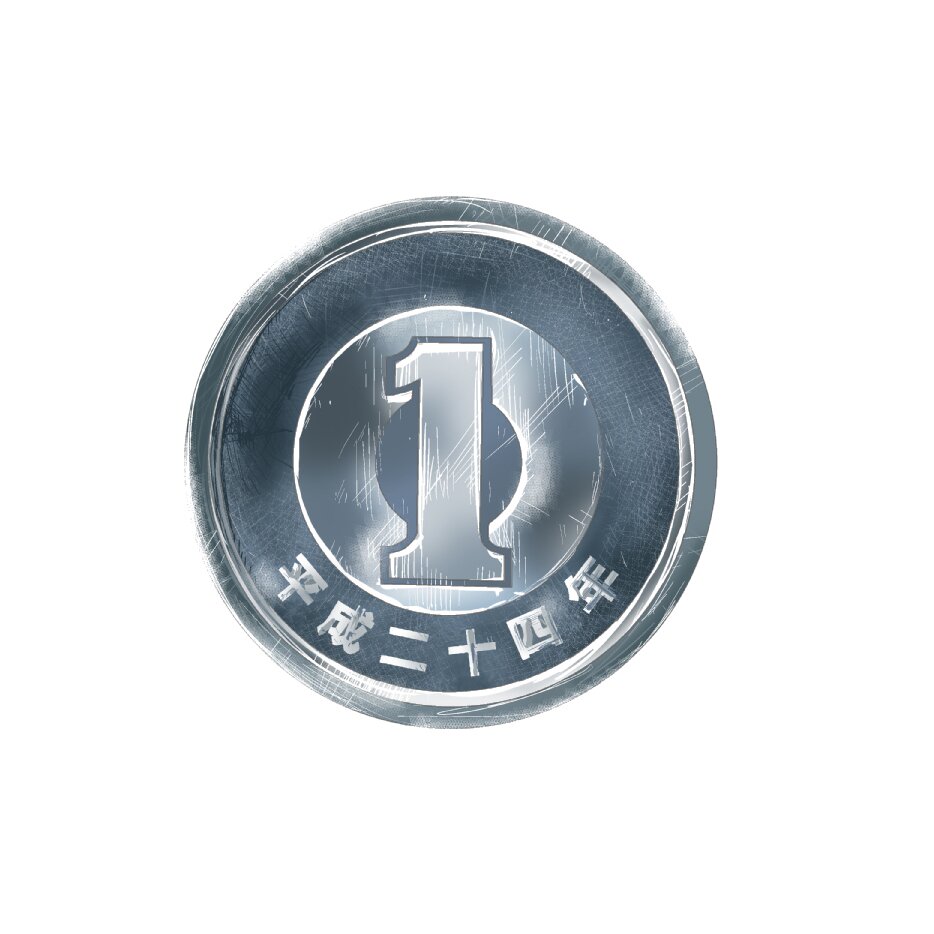
An obstacle that swells your wallet. These days, even in supermarkets, one-yen coins are increasingly losing their place as payment by card has become the norm. However, there is a lot of trivia about them that we may or may not have known. Here we take a closer look at the profile of the one-yen coin.
What is a one yen coin?
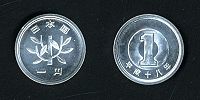
The one yen coin is a coin issued by the Japanese government with a face value of one yen. It is also called Ichien-dama (one-yen coin).
Manufactured by the Mint Bureau, the Ichien coin has the highest cumulative production volume of all coins in circulation in Japan, with approximately 44,244,416,000 coins produced through 2014.
Grade: 100% aluminum
Weight: 1 g
Diameter: 20 mm
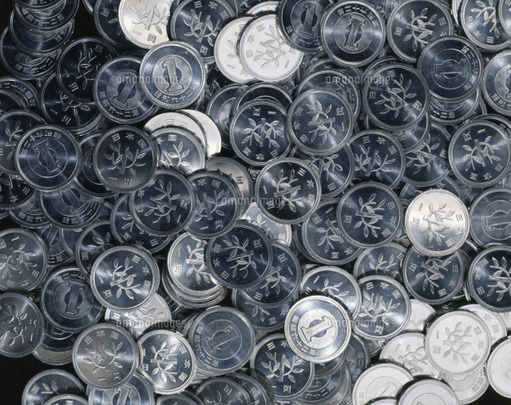
Design: young tree (surface)
Thickness: approx. 1.5mm
Year of issue: 1955 *Current 1 yen aluminum coin
Designed by "young tree
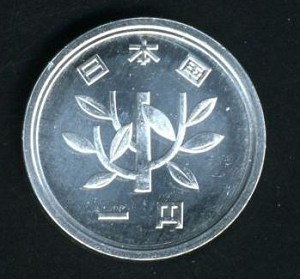
The side with the picture on the coin is considered to be the front, and the side with the year of manufacture engraved is considered to be the back. Therefore, the front of the one-yen coin is the side with the "young tree" on it.

The design of this young tree was chosen from among those submitted by the public in 1954, and was a "tree of creation" without a specific tree species as a model. The intent of the design was to "entrust the growth of the nation to a young tree that would grow quickly" since it was just after the end of World War II.
The production cost of one yen is more than one yen.
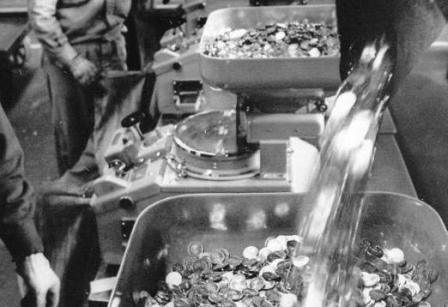
The cost of producing a 1 yen coin is always more than its face value. Depending on the market price of aluminum ingots, the cost of raw materials alone is about 0.7 yen per coin, and from there it takes about 1.6 to 1.8 yen per coin to complete the production as a 1-yen coin, which ultimately costs about 2 to 3 yen.
In case you are wondering, in 1968, 1 yen coins were not manufactured in order to adjust the amount of coins in circulation due to overproduction. Therefore, no matter how much you look for it, you will not find it.
The only one of its kind in the world! The coin that floats on water

There are many coins in the world, but only the Japanese one-yen coin floats on water.
The specific gravity of water and aluminum is 2.6, which is heavier than water, but the aluminum surface is covered with an oxide film that repels water, and the high surface tension of water allows it to float.
Also, since each piece weighs exactly 1 gram, it can be used in place of weights (provided there is no wear, etc.).
Proverb He who laughs at a penny, cries at a penny
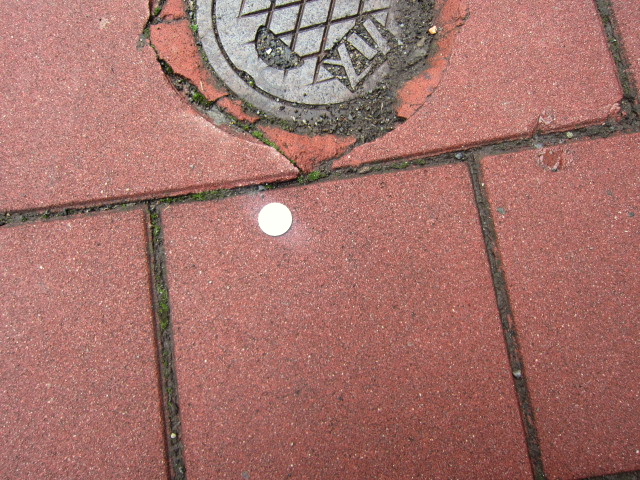
The original meaning of the phrase is "He who laughs at a penny cries at a penny. The reason is that "one yen" is a small amount of money, and those who make fun of it because it is a trifling amount of money will cry one day because they don't have it. It is also used to say how important it is to save and be thrifty.
Sold for ¥2.8 million, the "Error One Yen Coin."
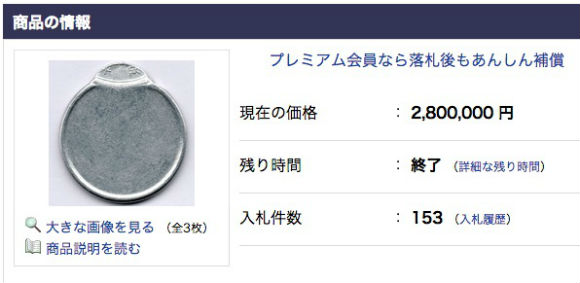
Sunday, 09.03.2014 22 : 41 Sold
On March 3, 2014, a very rare 1 yen coin with two smooth sides and only a few press marks on the edges was listed on the online auction site Yahoo! The coin sold for a whopping 2.8 million yen after a fierce bidding war of 153 bids and became the talk of the town.
Error coins are coins that were not made correctly due to errors during production. Because they are strictly checked before being put into circulation, these coins are very rare and fetch very high prices for collectors.
