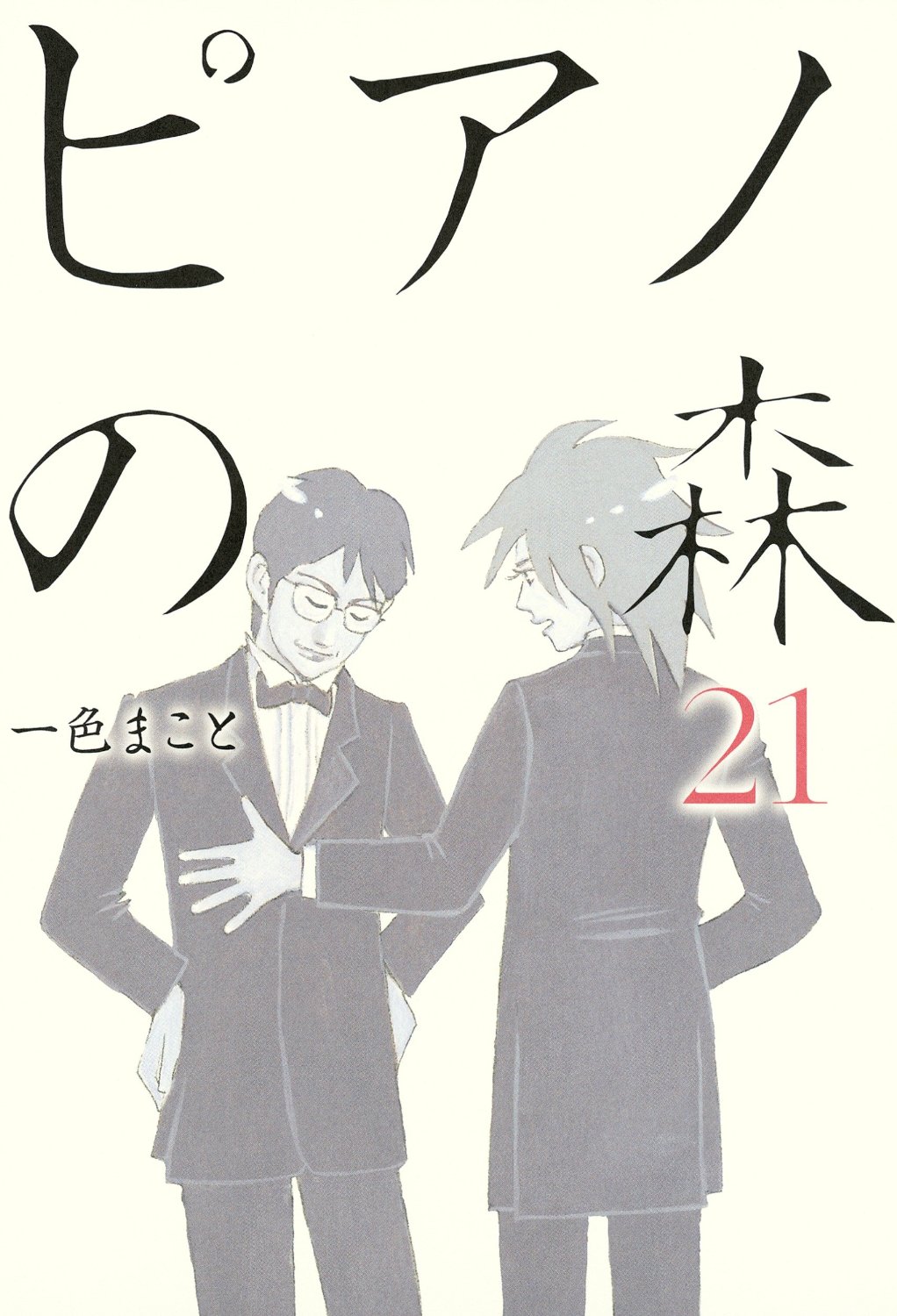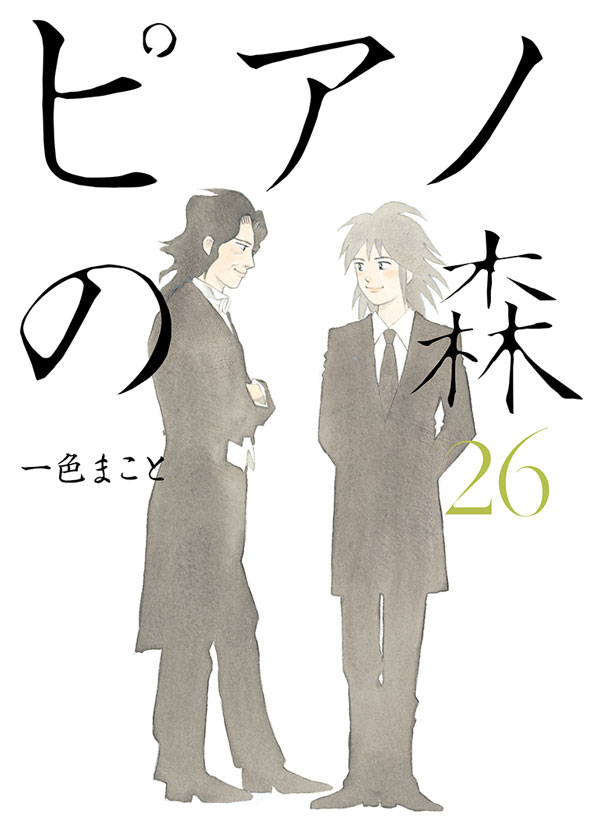
Piano Forest will bring the curtain down on its story with the publication of the final fall 2015 episode in Morning, issue #49, 2015. The story follows the growth of Kai, a genius pianist, from his childhood.
The final volume was released in book form in December 2015, allowing readers to read this inspiring masterpiece in one sitting. For those who have not yet read it, here is a brief summary.
Definitely interesting as a story.
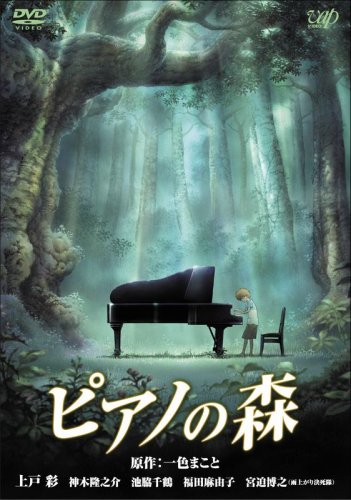
Amazon.co.jp Piano Forest [DVD] DVD & Blu-ray - Aya Ueto. Ryunosuke Kamiki. Chizuru Ikewaki. Mayuko Fukuda. Hiroyuki Miyasako, Masayuki Kojima
www.amazon.co.jp
Piano no Mori" is a youth manga by Makoto Isshiki.
Piano no Mori" was made into an animated movie in July 2007 and won the Grand Prize in the Manga Division of the (12th) Japan Media Arts Festival in 2008, quickly gaining popularity. It is definitely interesting as a story.
Here is a summary of the episodes from the beginning to the end of the story, with volume numbers and summaries.
It was a long-term serialization, and there were also interruptions in the middle of the series, so there are probably many people who have missed out on reading the story.
We hope that the episodes summarized here will help you determine what volume to start reading.
Beginning of the story
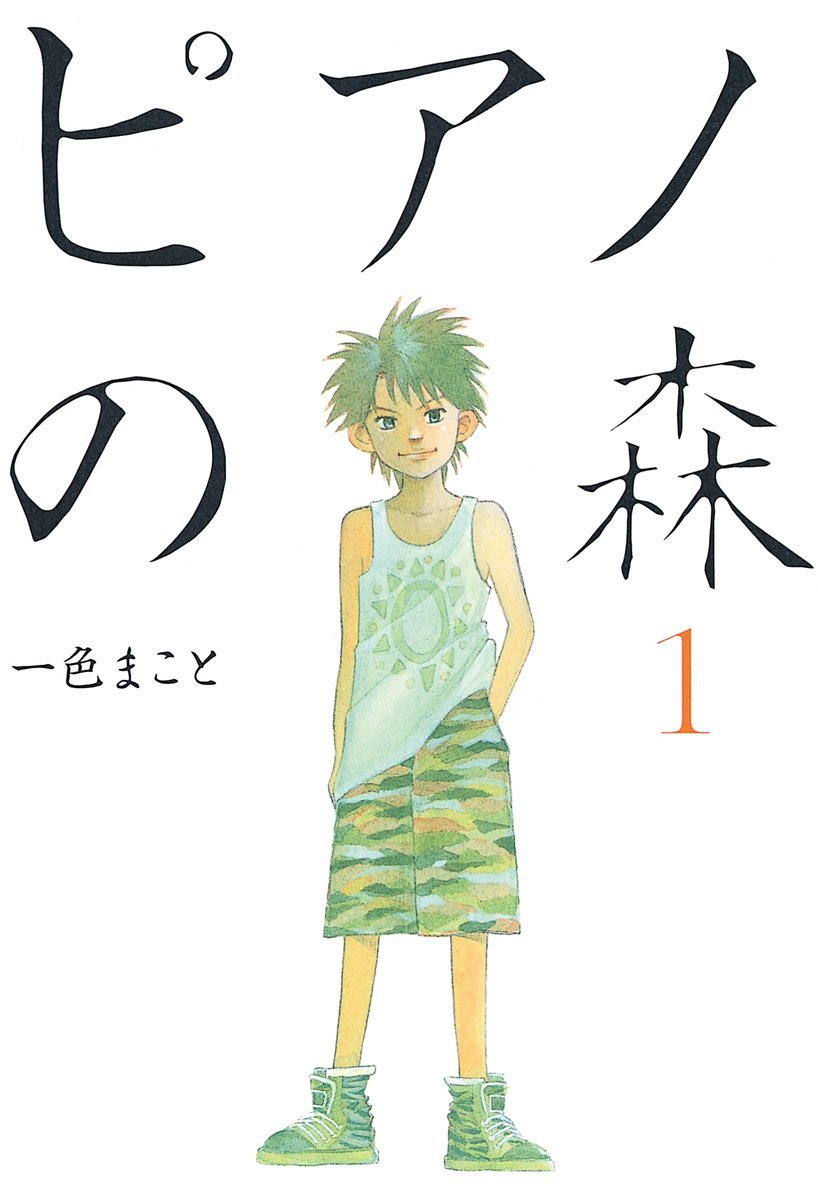
Growing up in a complex and harsh upbringing environment, "Ichinose Kai" enjoyed touching a piano abandoned in the forest as a toy.
Sosuke Ajino, once a renowned pianist, is now a music teacher at an elementary school nearby. Shuhei Amamiya is transferred to Moriwaki Elementary School, where Kai and Ajino live. Shuhei's father is the famous pianist Yoichiro Amamiya, and Shuhei was educated from an early age as a gifted child. The story begins when Shuhei and Ajino discover Kai's talent.
Episodes per era are in three parts
The story is divided into three parts: the episode in which Ajino was able to raise Kai in elementary school, the episode in which Kai grows up to the point where he is ready to take on the world, and the episode in which Kai, having developed his skills, competes in Chopin competitions abroad.
1. boyhood and the piano in the forest
Volumes I through VII.
The episodes from elementary school carefully depict the process by which the free-spirited Kai gradually began to seriously touch the piano and gain the joy of playing it. The story of Sousuke Ajino's past accident, the fact that the piano in the forest was actually Sousuke Ajino's piano, and Kai's harsh upbringing in the entertainment district at the edge of the forest and the warmth of the people around him are all moving.
The story of Kai's struggle to make friends who will be his rivals for the rest of his life and his determination to play the piano for the rest of his life is very moving.
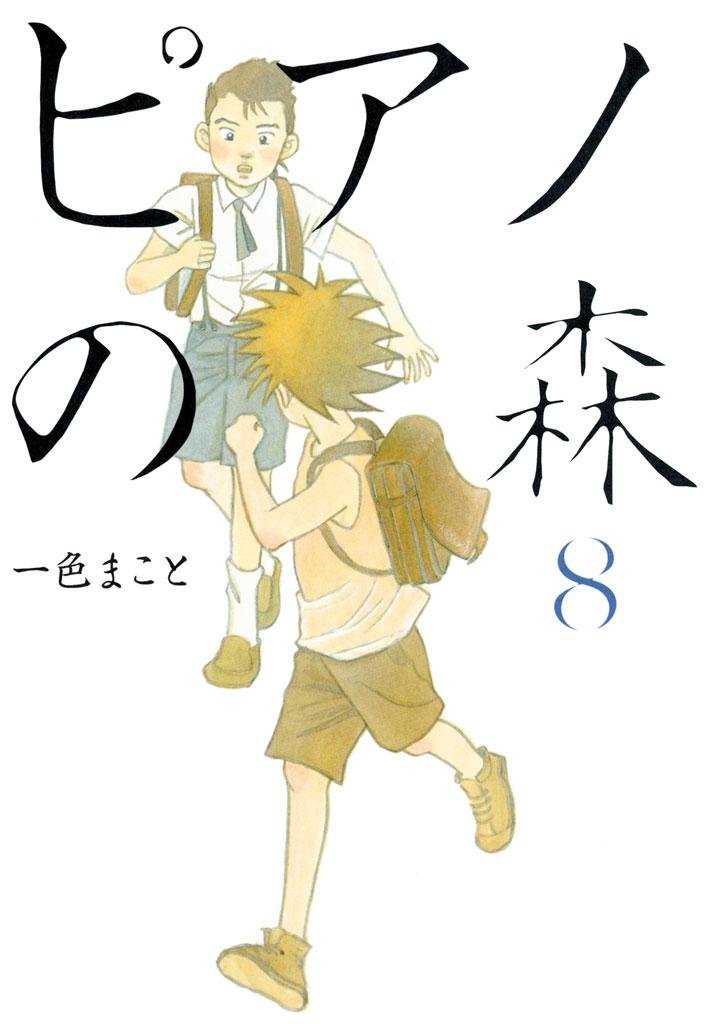
2. to KAI's preparation to go out into the world
Volumes 8 through 11
Shuhei, who studied abroad, becomes obsessed with Umi's piano and falls into a slump, but Kai's piano gives him the determination to face the piano once again, and the way Sousuke Ajino quietly and surely nurtures Kai with great care shows the seriousness of Ajino's love for his talent.
Along with the efforts of Eiko, Shuhei, and Kai, the story was also told in parallel about the breakdowns about hands, fingers, and wrists that pianists value most, which added depth to the story.
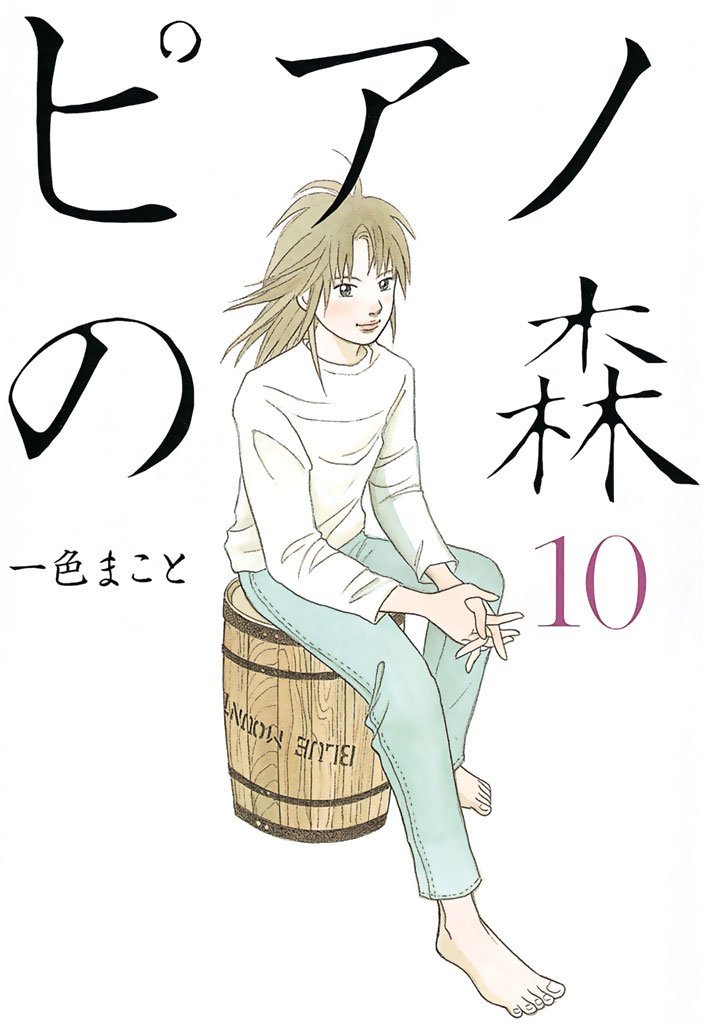
3. the International Chopin Competition
Volumes 13 through 26.
A last-minute qualifier. The friends of Theroux support Umi. Umi prepares for the Chopin Competition while working part-time at a bar that Theroux introduces. The story of the Chopin Competition goes on, with unique performers such as Pan Wei, Lev Szymanowski, Shuhei Amamiya, and Adamski, as well as stories about the judging and behind-the-scenes of the Chopin Competition. Of course, Saga and Eiko also appear.
The pain of their lives and their search for a way out of it are depicted along with their respective pianos, adding a great depth of expression to the story.
This is the most exciting part of the story, and many of you may have missed it, so I will refrain from writing about it in detail.
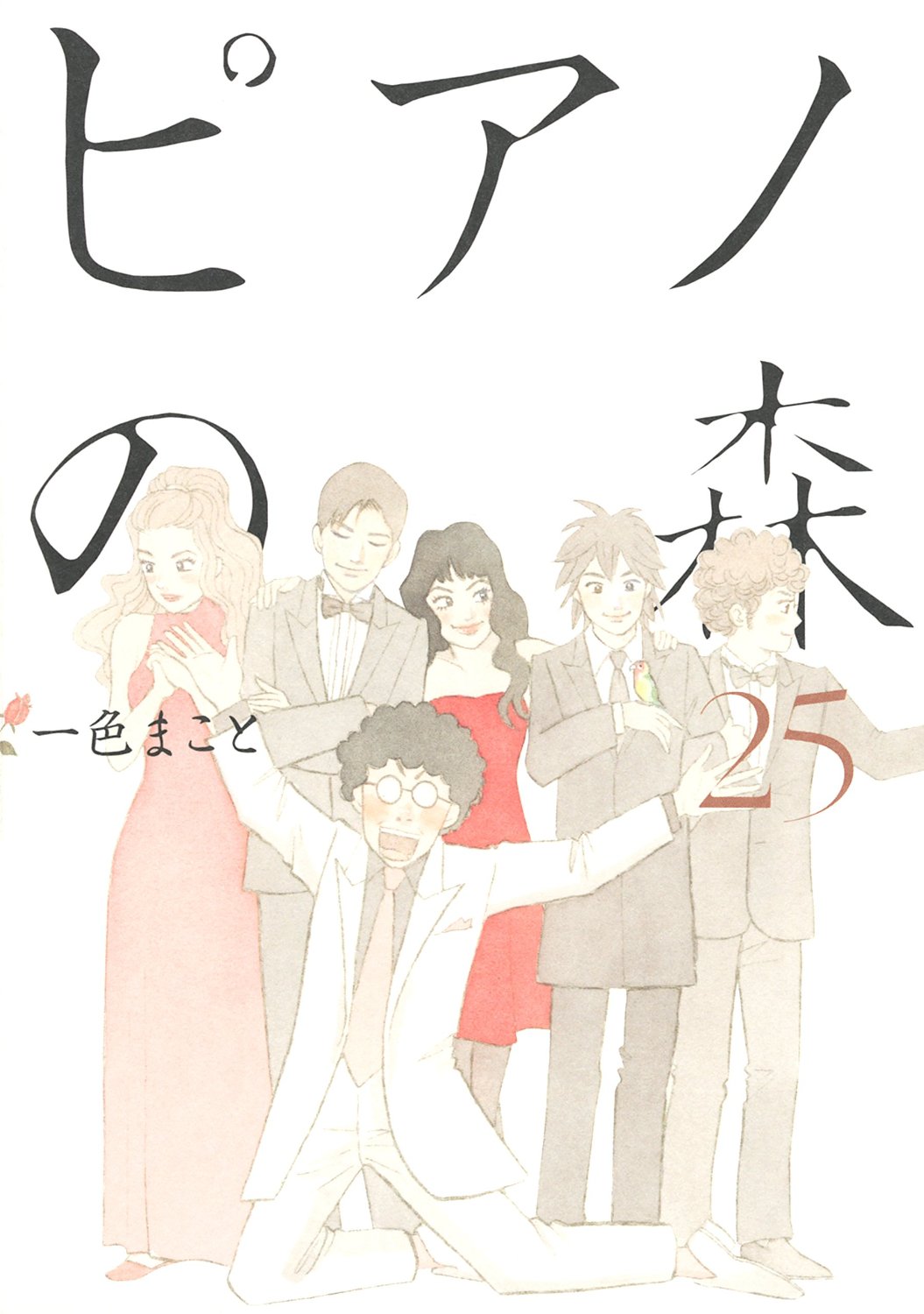
Finally.
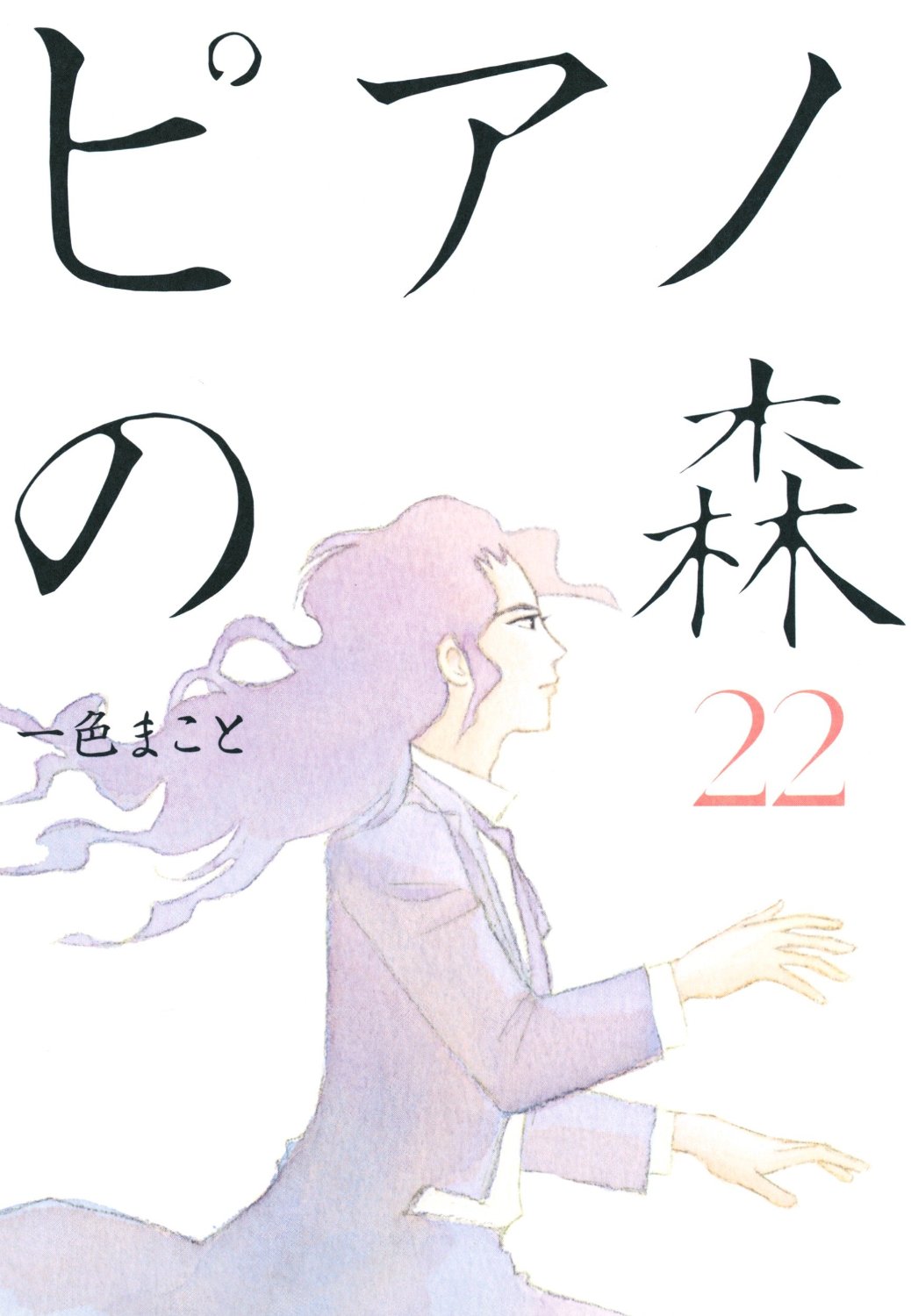
The series started in 1999, went on hiatus in 2002, and returned in 2005. It took another 10 years to complete the series. Makoto Isshiki himself must have gone through a lot of hard work to complete this work, as the magazine in which it was serialized stopped publication during the course of its serialization. It took a long time, so some of you may have stopped following the work halfway through. In all the episodes, from boyhood, growing up, the Chopin competition, and afterwards, I was so fascinated by Makoto Isshiki's wonderful power of expression that I could hear the sound of the piano, and his monotakari (the desire to make the characters in the story happy) that gently made me feel as if I could hear the piano, that I had no time to dry my tears.
It made me cry until the very end. This is the perfect manga for tear-jerkers, so take this opportunity to read it in one sitting at its conclusion!