
You hear the words "rhapsody," "serenade," "symphony," or "concerto" around town, don't you? But in fact, there are many people who don't really know what they mean. It is not necessary to know them in depth, but if you can just say "this is what it means," that's a high point! If you think so, let's have a little fun.
Rhapsody."
In Japanese, it is "rhapsody". The word comes from "rhapsōǐdia," rhapsōidia. There is no absolute formula, but it refers to a song with a strong folk flavor and an epic dynamic. Famous examples include "Rhapsody in Blue. You may have heard it in Disney's Fantasia, and you may have heard it in commercials. It was also used in Nodame Cantabile. The clarinet at the beginning is very impressive, but it is sometimes played on pianica. The tune is varied and can be enjoyed by people of all ages. Some of the songs have a jazz flavor and are very stylish.
Serenade."
In Japanese, it is "koyogaku. It refers to a sad piece of music played at home when guests are invited, or played under a window for a lover. Contrary to those played in a large hall on a grand scale, these pieces are played indoors with a small number of people, and so on. Violins and other stringed instruments are overwhelmingly used. The most famous piece is Mozart's "Eine Kleine Nachtmusik. I think most of you have probably heard of it. Fumie Hosokawa and Norika Fujiwara danced to this song in the bath salts "Bath Romance.
Nocturne."
In Japanese, it is "nocturne. Like rhapsody, it has no fixed form, but generally refers to a quiet, beautiful melody reminiscent of night or dawn. The Irish pianist J. Field was the founder of this genre. The overwhelming majority of the pieces are solo piano pieces, with Chopin's works being the most famous. Those who have learned to play the piano will certainly have practiced Chopin's Nocturne No. 2. Of course, there are also orchestral pieces, such as Mendelssohn's "A Midsummer Night's Dream" which is very famous.
Concerto."
In Japanese, it is a "concerto. A piece that consists of a soloist and an orchestra playing alternately and together. A violin soloist and orchestra play a "violin concerto," while a piano soloist and orchestra play a "piano concerto. Since the soloist must play with the orchestra, the soloist's skill is very important. Vivaldi's "Four Seasons" is a famous violin concerto.
Symphony."
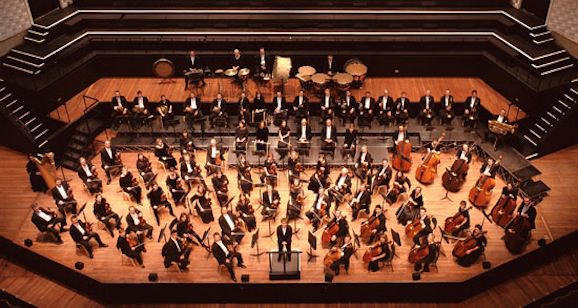
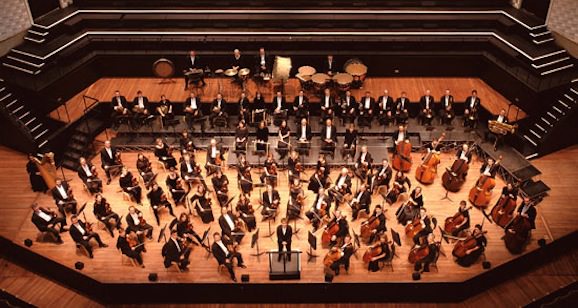
In Japanese, it is a "symphony. It does not have solos like a concerto, and is performed in a large hall or similar setting with a large group of orchestral musicians (around 20 to 50). Most are grand compositions in four movements, with quiet and lively parts. The last part is a piece that allows the audience to enjoy the orchestra, concluding with a powerful, loud sound. The NHK Symphony Orchestra, commonly known as the "NHK Symphony Orchestra," is well known in Japan as the orchestra that performs this piece.
Surprisingly many songs I know.
What do you think? Even if you did not know the meaning of a nocturne or concerto, you probably knew many of the pieces. Even those who do not dare to listen to classical music may be surprised to hear them in commercials. If you know the meanings of some of these terms, won't you become more familiar with classical music? Next time you hear classical music, try to guess what it means by saying, "Oh, this is a concerto.
