

Many of the stories in "morning dramas," including Asa Shiraoka's Asa Asa (Asa Asa Comes), are based on real people. Here are some of the models for these morning drama heroines. Honorifics omitted.
Hanako Muraoka Profile
Her real name is Hana Muraoka. Her maiden name is Annaka. She was baptized at an early age because her father was a Christian, and entered Toyo Eiwa Girls' School at the age of 10 as a "scholarship student. After graduation, she taught English at Toyo Eiwa Girls' School and began writing stories for children around 1916. The following year, she published her first book and resigned from teaching to work for a publishing company in Tokyo. There he met and married Kenzo Muraoka. After that, he translated "The Prince and the Beggar" and became a member of the coterie literary magazine "Firebird. She first encountered the original "Anne of Green Gables" in 1939. The translation was done secretly during World War II.
Source: ja.wikipedia.org
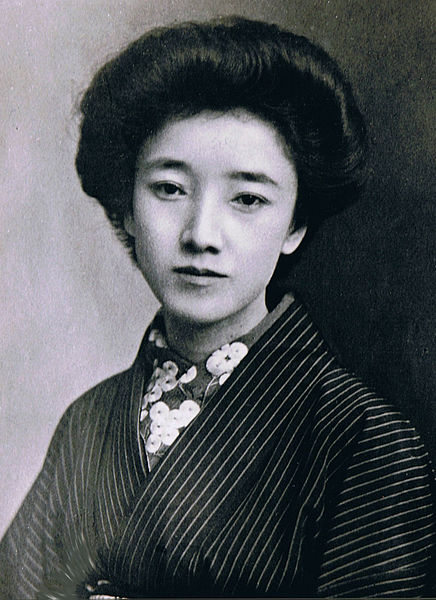
Air raid scene from the beginning of the first bird. It was a hard start, knocking out the fire that had reached the manuscript. From there, the current "Hanako," as she is called today, remodeled her girlhood, girl's school days, etc., and the flow went on. When surprised in her hometown of Kofu, "Te! is not a lie. I just don't exaggerate that much. I mean, I wasn't a teacher back in my hometown, was I?
My personal shadow protagonist: Principal Blackburn. Go to bed!" is a great phrase. Renko-sama also did a bold thing, but I think the most dignified person was the principal. Densuke in the drama is too cute.... I heard that he was a DV in the history.
Asa Asa."
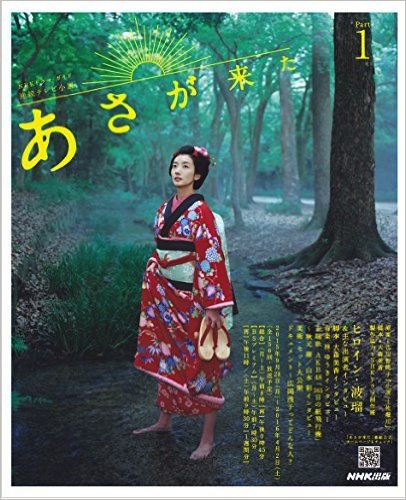
Heroine's name : Asa Hirooka
Based on:Asako Hirooka
The main character is a woman who created Japan's first women's university.
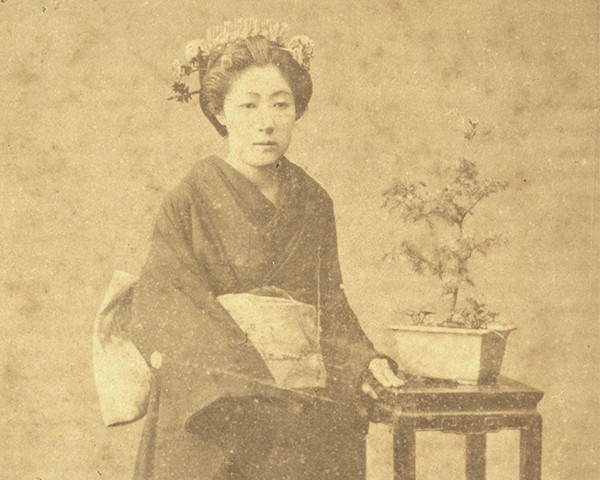
Profile of Asako Hirooka
A female businesswoman whose pen name is Kyuten Jikisei (九転十起生). She is also known as "the woman of a lifetime. From childhood, she was interested in learning, but was told, "Women don't need such things. At the age of 17, she married the second son of Kashimaya, one of the wealthiest merchants in Osaka, and taught herself bookkeeping and arithmetic. After the Meiji era (1868-1912), she worked hard with her husband and brother-in-law to rebuild the store. She achieved success in the coal mining business in Chikuho and other businesses, making Kashimaya a powerful conglomerate in Osaka. She also made a name for herself as a female businesswoman, and with the donation of land from the Mitsui family and support from the women's school system, she went on to found Japan's first women's university.
Source: ja.wikipedia.org
It seems that "pointing the pistol at the miners" is also based on a true story or folklore. Even if the story goes according to the historical fact, how will the dramatic and "surprising" development be shown?
