
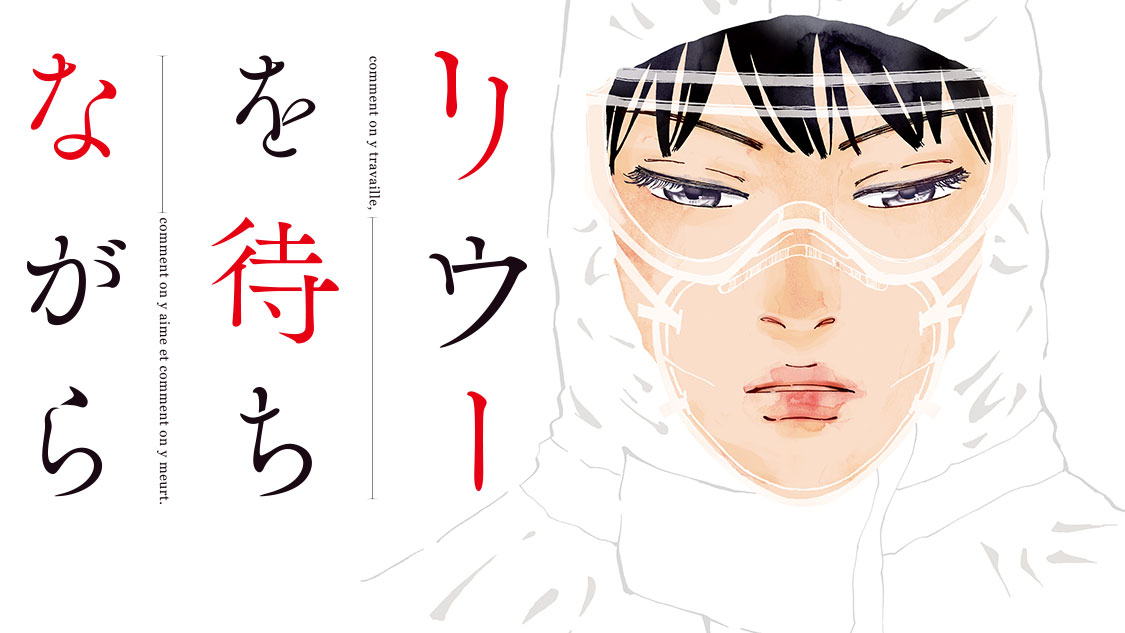
Waiting for Liou" is a three-volume medical suspense manga serialized by Ao Shudo in Evening from 2017 to 2018. The main character, Tamaki Ryoho, is an internist working at a hospital in Yokoshiri, a town with a view of Mt. One day, a Self-Defense Force member stationed there vomits blood and falls into a coma, and a series of patients with the same symptoms die. The hospital is packed with patients, and antibiotics become scarce. Without knowing the cause, the situation continues to worsen and the city of Yokobori is sealed off. This is a story about people trying their best to live in a town that is quietly dying.
Yokozuri Central Hospital
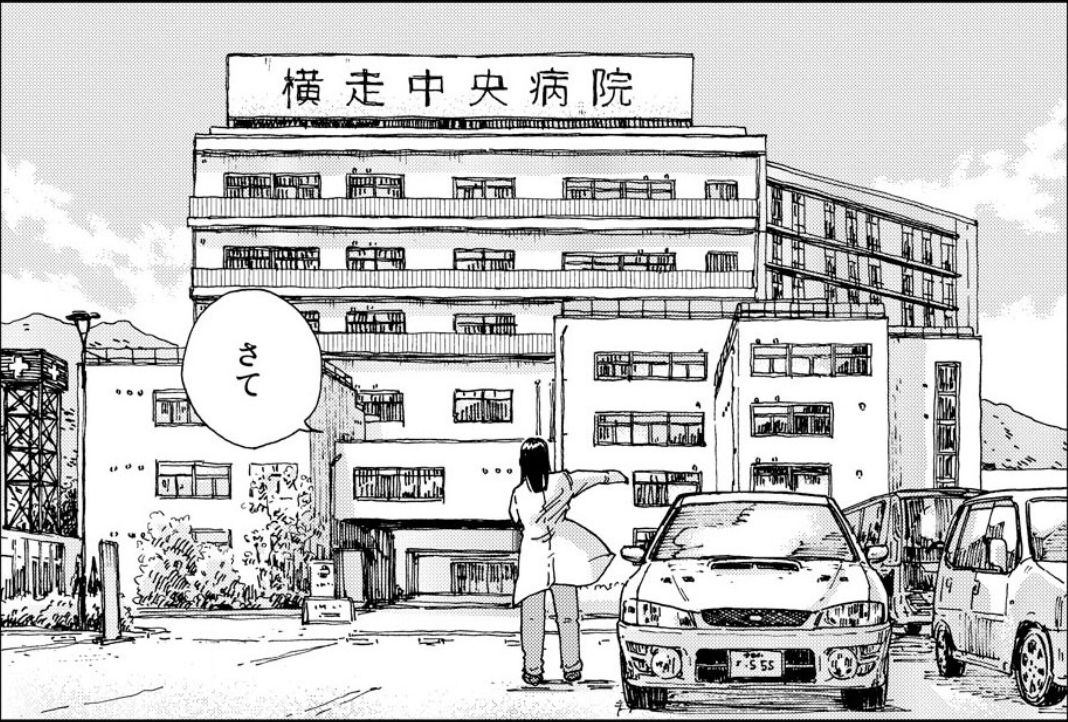
Tamaki worked at a hospital that became the center of the story. Five years ago, the hospital lost nearly 100 million yen due to the Salmonella scandal. It was originally called Toroku Hospital, but changed to the current name three years ago due to the municipal merger.
National Institute for Epidemic Research
Commonly known as "Enken"
The place where Harakami works. The place in the story where Tamaki sent the sample.
Plague
It's been raging three times in the world, killing 200 million people worldwide.
The first was the Eastern Roman Empire in the 6th century, the second was medieval Europe, and the third was China and India in the 19th and 20th centuries.
The most famous Middle European epidemic killed 85 million people worldwide, one third to two thirds of the population of Europe at the time.
Plague is almost always transmitted by the bite of a flea carrying Yersinia pestis, and since rodents such as marmots, gerbils and Geomyidae live together with plague in nature and are widely distributed throughout the world, it is difficult to eradicate plague.
The epidemic in the novel is called "pneumonic plague," which is said to be transmitted directly from person to person through coughing. Pneumonic plague begins with a sudden high fever and is accompanied by headaches, breathing difficulties, chest pain, coughing, bloody phlegm, and digestive symptoms. Without treatment, 100% of patients die within a day or two. Antibiotics work well, but if treatment is not started within 18 hours of the onset of symptoms, the prognosis is poor.
Multidrug-resistant bacteria
Multidrug-resistant bacteria are bacteria that have acquired resistance to many antibiotics. If antibiotics can be used to treat an infection, the bacteria will die and the symptoms will recover. If a bacterium becomes resistant to one antibiotic and can no longer be used for treatment, it can be treated with other antibiotics because there are many different types of antibiotics. However, if a bacterium is infected with a multidrug-resistant bacterium, the types of antibiotics available are quite limited, making it more difficult to treat than non-resistant bacteria. The plague in this movie is a plague that has been transferred from Salmonella, which is resistant to almost no antibiotics.
Tarbagan marmot
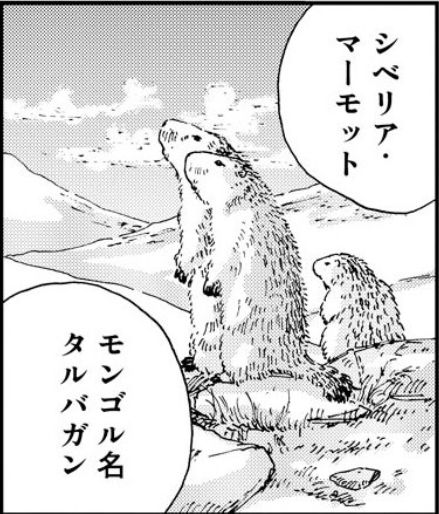
Siberia = the Mongolian name for the marmot.
It is said to be the only one in the world that can spread pneumonic plague without using fleas. It is abundant in Central Asia.
"Waiting for Riu"'s words, lines, scenes, and scenes
Ichiro: "There are things in this world that you can and can't control. If you don't give up and work harder, you won't be able to continue."
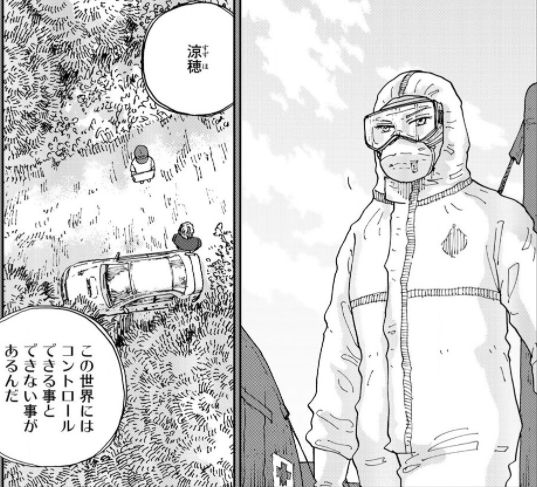
The words that Tamaki said to ichiro when she was a child. When she was driving with ichiro and her car broke down on a forest road deep in the mountain, ichiro told Tamaki, who had never given up hope, "There are things in this world that I can control and things that I can't. If you don't give up more, you won't be able to continue," and advised Tamaki not to expect too much from the world. Tamaki was surprised to hear the words from Tamaki, who thought she was a cluster of positive people. The words made Tamaki not to expect too much, but not to be pessimistic and to work patiently. ichiro
Jungetsu "Yes. I won't forgive you."
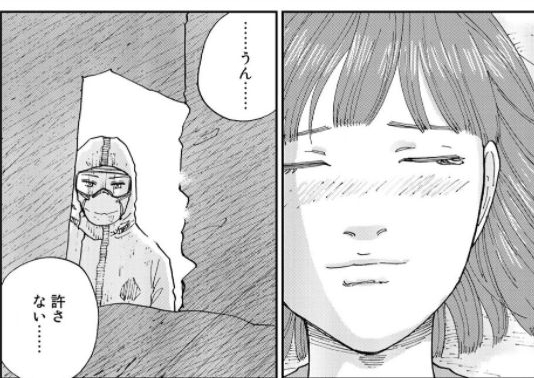
When he was attacked by loneliness and fear after being infected with the new type of plague, his father appeared and apologized to him for having left him alone. He told his father, who was about to quit his job and stay with him, "Yes. I won't forgive you." with a relieved look on his face. He hated his father, who had left his mother and in Tokyo. He thought he had to live on his own, so he pushed himself hard, but he got infected with the plague. When he was attacked by loneliness and fear and was about to give up, he rushed to the scene and was relieved that he was no longer alone.
Behind the Scenes, Trivia, Small Stories / Episodes and Anecdotes of "Waiting for Liou"
"Liou" is the name of a doctor in Camus' novel.
"Riu" in the title is based on the name of a doctor who wrestles with illness in Albert Camus's masterpiece "Pest" and "Waiting for Godo" by Samuel Beckett, which is known as a Jori Engeki. In the novel, Genshin recommends a book to Jungetsu, saying that he wanted to be the teacher in "Pest." The author said in an interview, "Riu is a kind of logical imagination. It means that we will work together to become such a person."
Coronavirus renews attention
"Waiting for Liou," a comic about infectious diseases, became a hot topic as the coronavirus spread. In May 2020, it was urgently republished as the realistic depiction of the novel overlapped with the Japanese reality. The government declared a state of emergency and closed down Yokozuna. The spread of malicious intent through social media and rumors and the suffering of people involved in Yokozuna overlap with actions taken in the real world to discriminate against people infected with the coronavirus and online accusations and insults directed at those who spread the disease. "Now is the other side of a hard time," Ao Akato said in an interview. "It's complicated, but I hope it will be an opportunity to think about how to spend the next day."

Tags
Contents
- Overview of Waiting for Liou
- Outline and story of "Waiting for Riu"
- Welcome to the crosswalk.
- New patient
- Tarbagan marmot's disease
- Outbreak
- I can stand today.
- 100%
- Defeat
- シヲフウサセヨ
- Waiting for Rieu
- Doctor's Last Day
- Let's meet in this world.
- Cross-border person
- The Legacy
- Exclusion and segregation
- There was no light
- At the end of despair
- In a world without you.
- Characters in "Waiting for Liou"
- Abashiri Central Hospital
- Tamaki 涼穂
- Tomoko Ayusawa
- Carlos.
- Kawashimata (Kazuaki Kawashima da)
- Self-
- Takihara
- Komano no Monji
- Hitosugi (Hitosugi)
- Yokozue citizens
- Uzuki AYUSAWA
- Akio Nakahata
- Masako Nakahata
- Tomomi Nakahata
- Ogura 真結
- Yoshito OGURA
- Kota
- Itano
- Sachika ITANO
- Erika Nakamaru
- National Institute for Epidemic Research
- Haragami Satoru
- Assistant
- Other
- Ichiro Tamaki
- Simone
- Intermediary
- Term "waiting for Liou"
- Yokobashi-shi City
- Yokobashi-Tsunataro (transverse 綱太郎)
- Yokozuri Central Hospital
- National Institute for Epidemic Research
- Plague
- Multidrug-resistant bacteria
- Tarbagan marmot
- "Waiting for Riu"'s words, lines, scenes, and scenes
- Ichiro: "There are things in this world that you can and can't control. If you don't give up and work harder, you won't be able to continue."
- Jungetsu "Yes. I won't forgive you."
- Behind the Scenes, Trivia, Small Stories / Episodes and Anecdotes of "Waiting for Liou"
- "Liou" is the name of a doctor in Camus' novel.
- Coronavirus renews attention
- Connection to author's first book "Final Phase"