
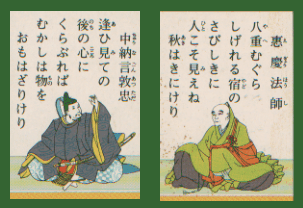
Have you ever heard of "Accidental Tanka"? As the name suggests, the "Accidental Tanka Bot," which extracts sentences that happen to be in the rhythm of "5, 7, 5, 7, 7" in casual speech, has been attracting a lot of attention. Furthermore, only tanka poems created by amateurs are introduced in "Tanka Please," which Hiroshi Homura has been serializing in the literary magazine "Da Vinci. The "accidental nature" of tanka, which is now changing, is interesting.
What is "Chance Tanka Bot"?
Accidental Tanka Bot, as the name suggests, is a bot that posts tanka poems that were born by chance.
The sentences are picked up from among those posted on Wikipedia, and the part of the sentence that is accidentally 5-7-5-7-7 and which page in Wikipedia it is written on are noted.
新鮮なコーヒー豆の提供とフレンドリーな売店づくり #tanka
— 偶然短歌bot (@g57577) November 27, 2015
ウィキペディア日本語版「ドトールコーヒーショップ」より https://t.co/kiUG0Wt0IO
道路から少し離れた北側の畑の中に設立された #tanka
— 偶然短歌bot (@g57577) November 26, 2015
ウィキペディア日本語版「角盤町」より https://t.co/ftSVGn91jt
五十鈴川「御手洗場」で、口と手を清めることをお勧めします #tanka
— 偶然短歌bot (@g57577) November 26, 2015
ウィキペディア日本語版「五十鈴川」より https://t.co/hxUZHuJXYu
役割が都市開発の主体から規制体へと変化している #tanka
— 偶然短歌bot (@g57577) November 23, 2015
ウィキペディア日本語版「ニュータウン」より https://t.co/VSqg8LS5RP
設計し、都市計画と建築を全体として適合させる #tanka
— 偶然短歌bot (@g57577) November 25, 2015
ウィキペディア日本語版「ウィレム・デュドック」より https://t.co/QMaamT9qm0
文章を一束にする方法は、神経言語プログラミング #tanka
— 偶然短歌bot (@g57577) November 23, 2015
ウィキペディア日本語版「ミーム」より https://t.co/72tVR9Bngj
What is "TANKA Kudasai"?
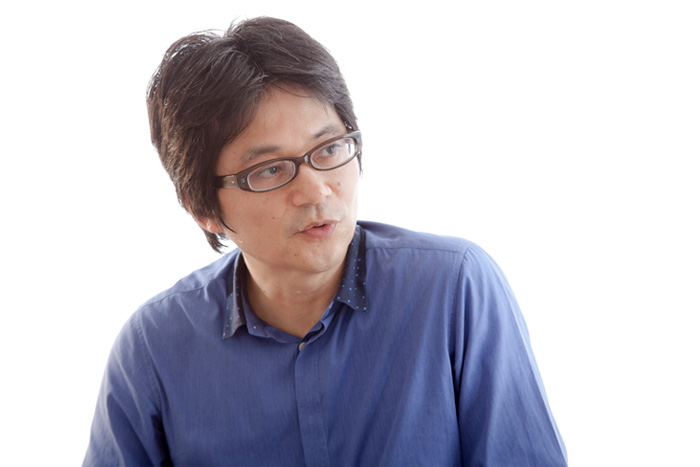
One of contemporary poets, Hiromu Homura not only composes his own poems as a poet, but also publishes essays such as "Moukaeri oujikaerimasu" (Let's go home already), "Sekai otonami" (World tone deaf), "Matter of fact, it's different diary", short stories such as "Mysterious story I heard from a tormenting angel", picture books such as "Elephant poop", "Petanpetan", and Swan is Coming" and other picture books.
In his wide range of activities centering on tanka poetry, he is also in charge of a series of articles in the literary magazine "Da Vinci," in which he introduces tanka poems selected from among those submitted by the general public.
Many of the poems are unconventional and quite unique because they are composed by "amateurs" rather than "tanka poets!
Poet Homura Speaks Out Against Easy Words
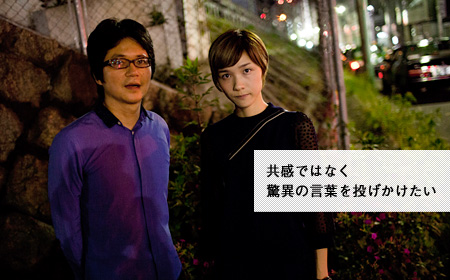
In a conversation, Ms. Homura was asked by Haruka, the artist Tomiyuki Haruka, "When I read your books, I often see 'anger at easy words,' is that something you always feel?" He asked me,
I think there are "sympathy = sympathy" and "wonder = wonder" in expression, and the essence of poetry and music is wonder, but now is the time of sympathy by far. At least until I was in my youth, I think the value of wonder was great, as in "I want to see something no one has ever seen before" or "I will be the first to do that," but I am shocked that it has fallen so far out of value. I wonder where that longing for something "never seen or heard before" has gone."
I wonder where the longing for something "unseen and unheard of" has gone?
The most famous tanka poems as "literature" that we learn in school are
Cherry blossoms and moonlit nights passing through Gion to Kiyomizu, all the people I meet are beautiful (Akiko Yosano).
I work and work, but my life is still not easy.
When the grass is young, the reddish powder of my colored pencils drips from my hand as I sleep and sharpen my pencils.
Aka aka aka aka a road and a path, and it is my life that is being burned (Mokichi Saito)
After the spread of "colloquial" poetry by Machi Tawara and Hiroshi Homura, tanka became more accessible, which is why accidents occurred and "wonders" were created.
If you look for "accidental tanka" in your surroundings, you may find wonder there.
