
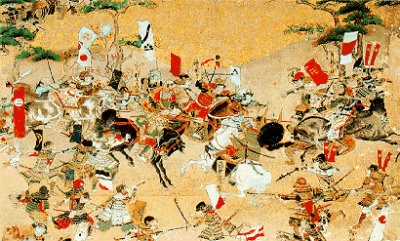
This is not so much trivia as it is a collection of "huh" stories about the Sengoku period. Some of them may or may not turn your view of the "Warring States Period" upside down. What was the Warring States Period like?
Both Ano and Kono battles were taking place at a certain "time"!
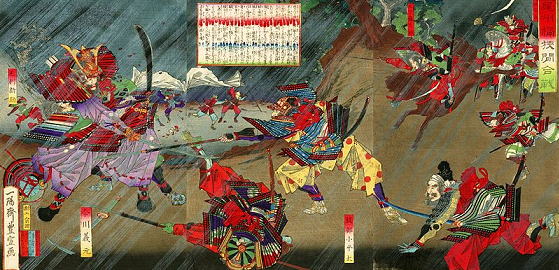
The Warring States Period...a time of bloodshed and warriors...everything was done for the convenience of the warriors, and the commoners were left to cry. But many of the most famous battles in history took place during the "off-season" for farmers. Why? Because the majority of the soldiers, the foot soldiers, were farmers. For them, the fields were more important than anything else. They don't want to risk their lives fighting in heavy armor! The rice fields are important! The samurai also valued rice and other things, so they followed their orders, or perhaps there was an unspoken understanding that "it can't be helped...". Is it my imagination that I find it surprisingly cute that the farmers were accommodating to their convenience?
Too tough ordinary people, watching the battle
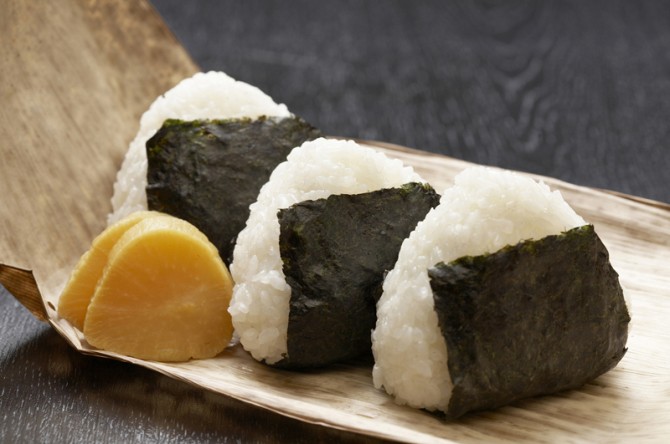
I didn't know human heads could fly that high. (MOGUMOGU)
What did the ordinary people who did not participate in the war do? Did they hide and rattle and shake? Sure enough, not all of them were like that. They brought their own lunch boxes, water, etc., and literally decided to "watch the battle from a high vantage point. But to bring a lunch box...to eat while watching heads flying off or being hit by gunmen...the guts of the people of the Warring States period must have been unbelievably gutsy.
A part-time job" of ordinary people and housewives who are too hardy
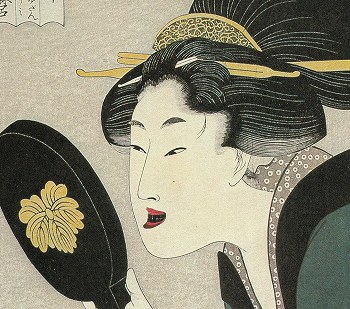
Even if they looked poor, if they had black teeth, they could have sold them for a lot of money. Probably.
A raw head chopped off in battle. They ransack it and paint the teeth black. For what purpose? To sell them at a high price. So-called "tooth blackening" was an etiquette for people of noble status, and black teeth were a sign of status. The fact that this kind of "part-time job" was common means that there were "black-tooth maniacs" out there. Housewives worked hard to paint their heads black, and when they were tired, they would sleep peacefully among the heads. I guess there must have been some people who were sleepwalking and hugged them like teddy bears... I wouldn't mind trying it myself if it depended on my salary. As long as I'm allowed to use the tools.
Was Kenshin Uesugi well respected by his people?
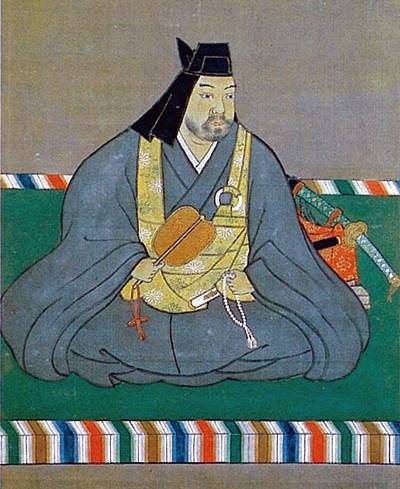
The originator of the gender controversy?
Uesugi Kenshin was famous for saying, "Send salt to your enemies. There is a theory that he was a woman, but it is said that he was adored by the people. The reason for this was that he did not do anything violent and did not destroy things without meaning. The farmers secretly told him about their secret places and offered him food. As one might expect, they sent salt to their enemies. He received a prophecy in his dream from Bishamonten, whom he worshipped with great fervor, which said, "Save the suffering people.
Banquet held by Toyotomi Hideyoshi
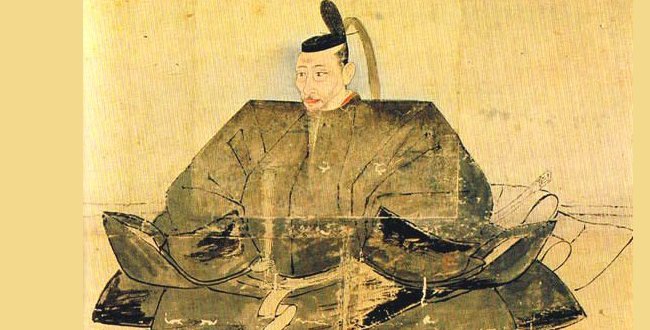
Toyotomi Hideyoshi managed to make the non-singing Hototogis sing by himself. It is also well known that he held banquets to raise the morale of his soldiers. Some of them even held "costume contests," where he dressed up as a "gourd vendor" to sell gourds. It seems that Hideyoshi's skill to control the hearts and minds of the people, which he used to do anything to gain the favor of Nobunaga Oda, was demonstrated even after he became a great man. By the way, Tokugawa Ieyasu is said to have played the role of a basket salesman.
The Warring States Period lasted until the end of one era and the birth of a new era of peace. It turned out that it was not only warriors who were "fighting," but also that there was more than one form of "battle.
