
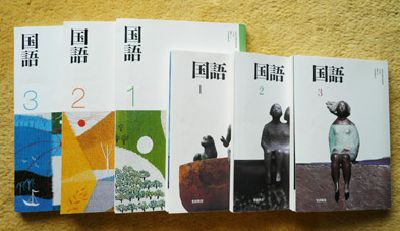
All of the works in the Japanese language textbooks are very impressive. Even several years after graduation, some of them may still be remembered as "Oh, yes! Even several years after graduation, you may be able to remember some of them. We have collected a variety of titles, including those found in elementary and junior high school Japanese textbooks, stories that are easily talked about, and short explanations of a few pages. How many do you remember?
So that everyone can be involved.
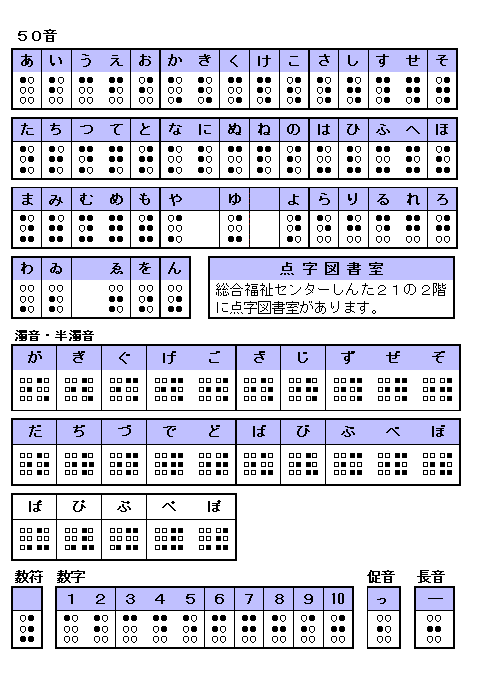
This unit is related to Braille, which is learned in the fourth grade of elementary school.
Along with the "Reading with Hands and Heart" page, the purpose of this unit is to deepen the understanding of blindness and Braille.
Many students actually go out to the library or town to look for Braille and touch it... This unit is easy to remember because many of them have received instruction in this area.
one flower
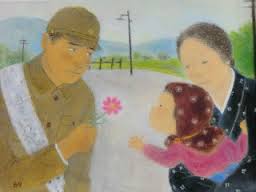
A story about a family sending off a father to war and a young daughter.
The mother makes onigiri for the father and the daughter begs him, "Ojigiri, give it to me. The father picks a flower that was blooming around the house and gives it to the daughter.
This story, which appears in textbooks for fourth graders, is a story about the cruelty of an innocent child as seen through the eyes of a parent, and is an appropriate story for fourth graders who are experiencing the awakening of their ego.
Life of the Sea
This impressive story is accompanied by illustrations depicting the beauty and horror of the sea.
The content, which is taught in the sixth grade, is more weighty than in the lower grades and relates to the concept of life and death.
The weighty words of Yokichi Jissa may give you a different impression when you read it again now.
Picking up fallen ears of deer
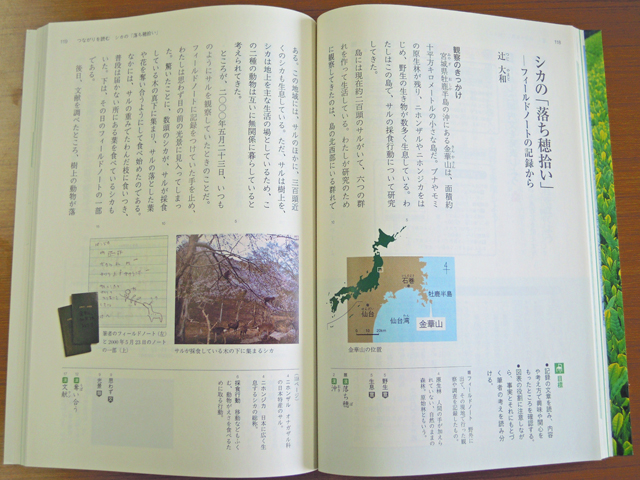
This unit, which is taught in the first year of junior high school, is a unit that requires logical thinking: reading charts and editorial texts.
Many students may have found sentences related to the ecology of deer and monkeys more difficult to read than narrative texts up to elementary school.
Do not bind me.
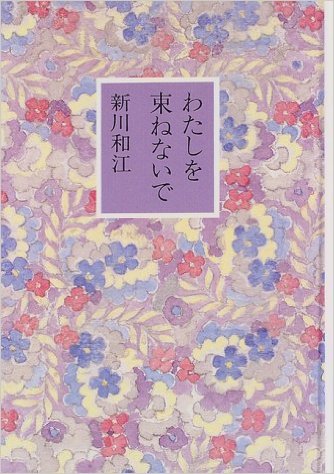
Third grade, the last poem published in the third grade.
Some schools and teachers skip this poem because they prioritize studying for entrance exams, but it is so beautiful and lyrical that it would be a shame to do so.
The author, Kazue Shinkawa, describes several poems from a feminine perspective as she traces her journey from adolescence to motherhood.
