
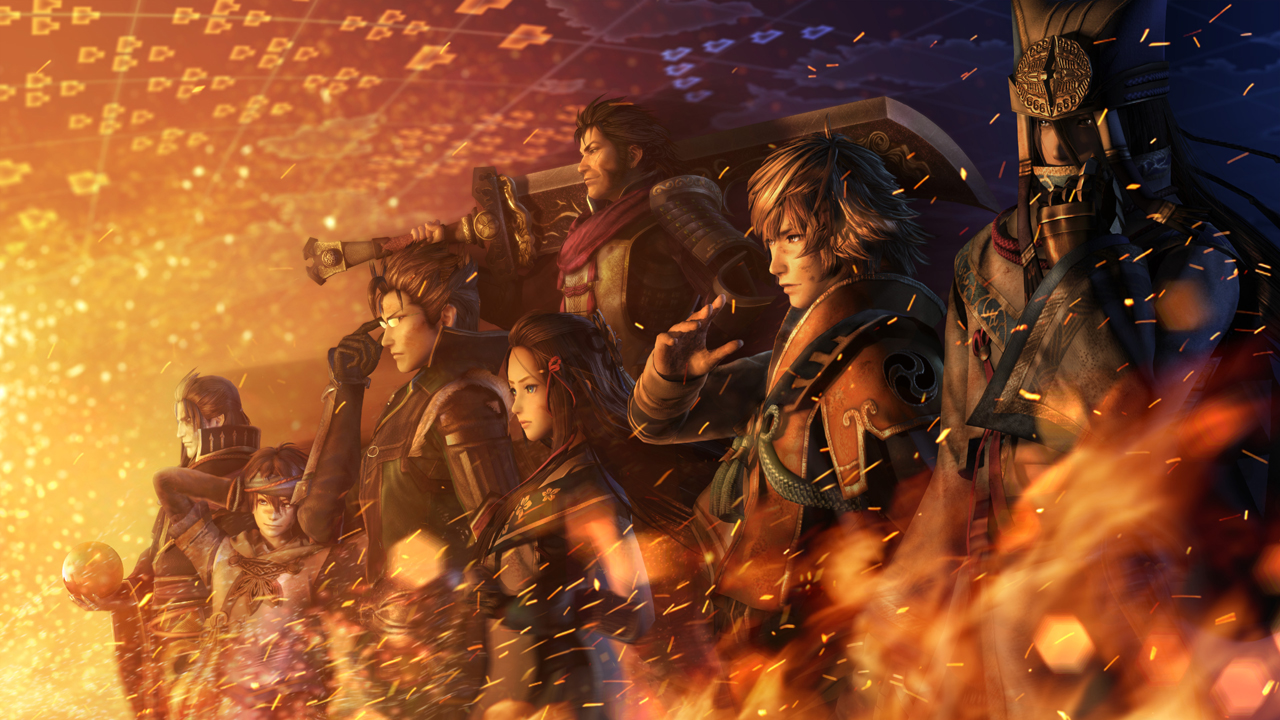
The Sengoku Musou series is an action game set in Japan's Warring States period. There are more than 50 playable characters that have appeared in the series so far, but some of them have been restructured depending on the numbered titles, so be careful if you want to use a particular warlord.
Source: www.gamecity.ne.jp
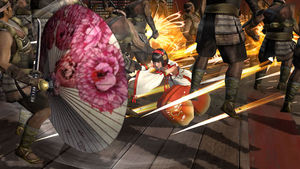
Bangasa
They use a bangasa in their hand to attack the opponent. When closed, they use the tip of the bangasa to poke or hit the opponent like a baton. When open, they turn and throw the opponent. They perform tricky actions such as opening the bangasa in the air and using it as a parachute.
Source: vignette2.wikia.nocookie.net
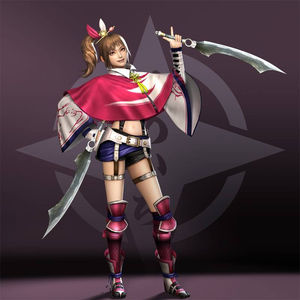
"Kunoichi", a flower dancing in the darkness
Voice: Yuko Nagashima
Two names: The Flower Dancing in the Darkness
First person: I
Height: 152 cm → 158 cm (3 or more)
Weapon: Kumu
Muso Okugi Moji: Satsu => Mitsu (after 3)
Esoteric and Kaiden characters: Funeral → Shun (after 3)
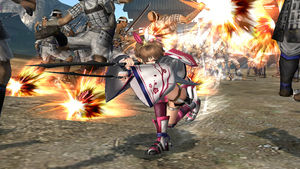
He is a servant of the Sanada family. He acts like a small devil, flirting with enemy commanders and carrying out his duties efficiently. Although he has a freewheeling personality, he wholeheartedly serves his master, Yukimura, and shows his wholeheartedness of protecting his own life at the risk of losing it.
Source: www.gamecity.ne.jp
Mochizuki Chiyome
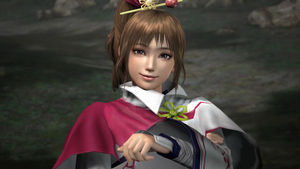
The motif is said to be Mochizuki Chiyome, a female ninja who served the Takeda family, and Ogo, a grassy woman who appears in "Sanada Taiheiki" (The Record of the Great Peace). The former is based on the description of Chiyojo in the explanation column of Kunoichi, and at the beginning of the story, she served the Takeda family and called Shingen "Wakadono." The latter is based on the story that she fought with Yukimura at Osaka Natsu no Jin (Summer Siege of Osaka), and in the end, she mourned the death of Yukimura.
Source: www.gamecity.ne.jp
Tsukimaru
In "1," she had a different vector from that of Hanzo HATTORI, but her words were somewhat bizarre and she often spoke merrily and cruelly. In "3" and subsequent titles, she had a secret love for Yukimura, but she was unable to say it because she was in hiding, and she was distressed; she was depicted as an otome-like character. Also, since "4-II," she was accompanied by a flying squirrel named Tsukimaru.
Source: vignette3.wikia.nocookie.net
Wandering Sniper "Saika Magoichi"
Voice: Hiroshi Isobe
Two: Wandering Sniper.
First person: I
Height: 187 cm
Weapon: matchlock gun
Muso Okugi Moji: Shooting
Esoteric and Kaiden characters: Tachi
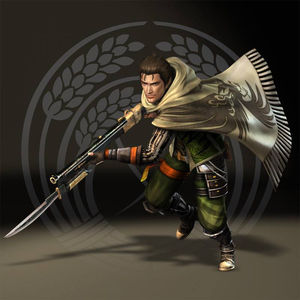
He was the head of the gun mercenary group, Saiga shu (Ikko groups). He had no fixed lord, and he was a mercenary who worked for money, but he never worked for anyone he didn't like, no matter how much he was paid. On the other hand, he sometimes lent his power without profit or loss to anyone he expected.
Source: www.gamecity.ne.jp
Handsome man
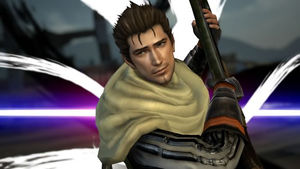
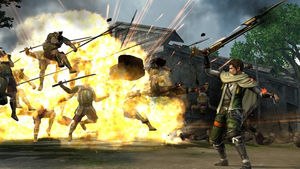
Furaibo loves freedom and women. He is so soft-hearted that if he meets a beautiful woman, he talks to her with a line that makes his teeth float. However, he is not very popular with women. There are also narcissists who call themselves "men" all the time. The hinawaju used as a weapon can be fired repeatedly and has a blade at the tip like a bayonet. Indirect attacks use guns instead of bows and also use foot techniques. He is the character who most benefited from the "Jinsoku-action" introduced from "4" and became violent like a fish with water.
Source: www.gamecity.ne.jp
Yatagarasu
The model is Suzuki Shigehide in "1" and "2" and Suzuki Shigetomo in "3". Originally,' Magoichi SAIGA' was the common name of the head of Saiga shu, and there are several people who correspond to it. The costume is in green throughout the series, and it is often worn as a haori (half-coat) like a long coat, and a picture of' Yatagarasu,' the symbol of Saiga shu, is carved somewhere on the costume.
Source: vignette1.wikia.nocookie.net
Kai no Tora "Takeda Shingen"
Voice: Daisuke Gori => Ryuzaburo Otomo
Two names: Kai no Tora
First person: I
Height: 180 cm
Weapon: Gunbai
Muso Okugi Moji: Sochi
Esoteric and Kaiden characters: Furinkazan
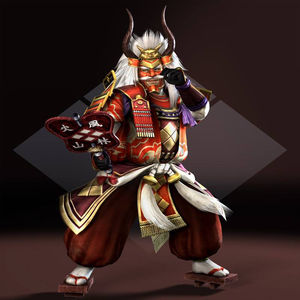
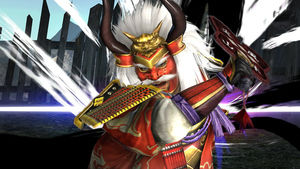
He was a daimyo (Japanese feudal lord) who ruled Kai Province and was called "Kai no Tora" (Tigers of Kai Province). He was full of composure and intelligence, and was a bright and cheerful person who was respected by his vassals. He planned to go to the capital (Kyoto) to lead the Takeda cavalry, the most powerful cavalry in the Sengoku period (period of warring states), to establish a royal road in troubled times.
Source: www.gamecity.ne.jp
Royal Road
As the head of the Takeda family, he had Sanada Yukimura and Sakon SHIMA under his command, but the story is closer to a teacher-pupil relationship than a master-servant relationship. Kenshin UESUGI regarded him as' an old enemy' and both of them have a strong sense of rivalry. Hojo Ujiyasu commented that they were' shady' at every opportunity, but they also recognize each other like Kenshin. He advocated' the royal road' against' the hegemony' of Nobunaga ODA. He used' Okoto' as his second person. He always wears a mask and does not read facial expressions.
Source: www.gamecity.ne.jp
Gunbai
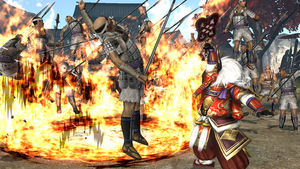
He has a well-built body with a playful personality and uses many ending words such as "nanchatte." In combat style, he uses Gunbai as a weapon, and he also uses attacking techniques with a Furinkazan motif and professional wrestling techniques such as Western lariat and Giant Swing. If you perform a costume change in "1", you can wear a special costume inspired by Namahage.
Source: vignette1.wikia.nocookie.net
"Date Masamune": Dokuganryu of Oshu
Voice: Nobuyuki Hiyama
Two names: Dokuganryu in Oshu
First person: I
Height: 140 cm → 174 cm (2 or more)
Weapons: wooden swords (two sword style) => jintachi and two point pistol (after 2)
Muso Okugi Moji: Ran
Esoteric and Kaiden characters: Dragon
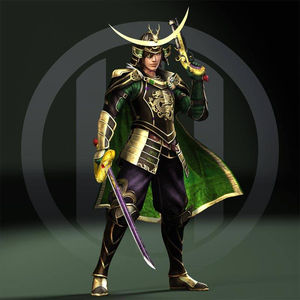
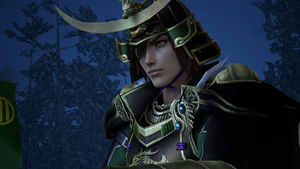
THE YOUNG HEAD OF THE DATE FAMILY, THE DAIMYO OF MUTSU. NICKNAMED THE "DOKUGANRYU" FOR COVERING HIS RIGHT EYE WITH AN EYE PATCH. HE IS AMBITIOUS. DESPITE HIS YOUTH, HE IS GOOD AT ADULTERY, BUT IN ESSENCE, HE HAS A GENTLE AND CHEERFUL PERSONALITY. IN HIS ARROGANT BEHAVIOR, FROM TIME TO TIME, HE SHOWS OFF THE STATUS OF THE CONQUEROR OF OSHU.
Source: www.gamecity.ne.jp
Idiot!
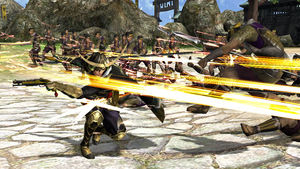
He is full of ambition and ambition to conquer the world, and his youth stands out for better or worse. He appears as a boy in "1" and as a grown young man in "2" and later works. He is the character that changed the most in the transition from "1" to "2" like Oichi. "Idiot!" is his favorite phrase. In all the series, he wears the crescent-shaped front helmet that Masamune wore in the historical fact, and an eye patch on his right eye. Image color is green.
Source: www.gamecity.ne.jp
Date and Saiga
Kanetsugu is a relationship between dogs and monkeys, perhaps reflecting historical facts. According to him, Masamune is a' mountain dog that swarms to profit.' The two men have different ideas, but in the enpa in "3," and in the chronicle, they recognize each other even though they are opposed to each other. Magoichi is originally set up as a relationship between close friends (however, there is a record of interaction between Date and Saiga in historical fact). Kai-hime was developed like a girl's comic in the story of "3" enpa.
Source: vignette2.wikia.nocookie.net
"No-hime": A Butterfly Nestled Close to the Evil King
Voice: Mariko Suzuki
Two names: THE DEVIL KING'S BUTTERFLY.
First person: I
Height: 165 cm
Weapon: Anki (Iron Claw / Bomb)
Muso Okugi Moji: Tsuya
Esoteric and Kaiden characters: Butterfly
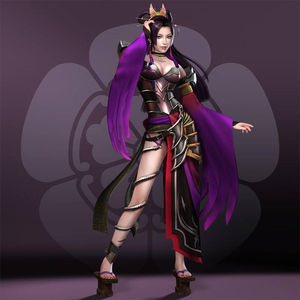
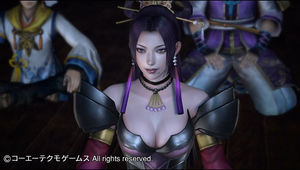
She was a daughter of Saito Dosan, a feudal lord of Mino Province who was called' mami' (a kind of viper), and the wife of Nobunaga ODA. She was a beautiful woman who gave an impression that she was hard to approach because of her melancholy and cold atmosphere. She always stood beside Nobunaga and supported his tenka-fubu (unification of Japan).
Source: blogs.c.yimg.jp
Enchantment
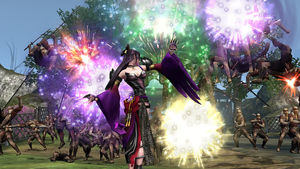
She is characterized by her Toyomitsu body and white skin. Contrary to her glamorous mood, she is a beautiful woman who is full of insanity. She is an aggressive and passive type according to her opponent. She is sometimes involved in women's battles with other female characters. There is a part where she tries to play the roles of the opponent according to the opponent's taste, and even in a provocative attitude, she expresses the kindness of a No-hime.
Source: www.gamecity.ne.jp
Butterfly return
The fighting style is to use a dark weapon like a long claw, and to make full use of splendid taijutsu, mainly kicking. In addition, bombs are used in charge attacks and Muso Okugi, and purple butterflies appear in the effect according to the imina (personal name) Kicho. According to the staff, "I have a hard time with the action that Japanese clothes do not get in the way."
Source: vignette3.wikia.nocookie.net
Lonely Shadow "Hanzo HATTORI"
Voice: Takaya Kuroda
Two names: Solitary shadow
First person: I
Height: 170 cm
Weapon: Kusarigama
Muso Okugi Moji: Dan
Esoteric and Kaiden characters: Destroyed
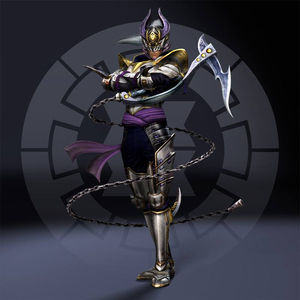
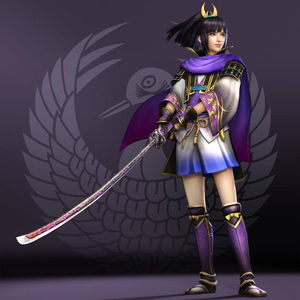
He served Ieyasu TOKUGAWA and was the head of the Iga ninja army. He followed his master, Ieyasu, like a shadow, and made efforts to take control of Ieyasu. Although he was quiet and cold-hearted, he was very loyal and trusted by Ieyasu as a ninja with firm conviction.
Source: blog-imgs-65.fc2.com
Oni Hanzō
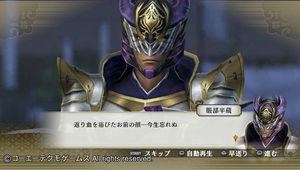
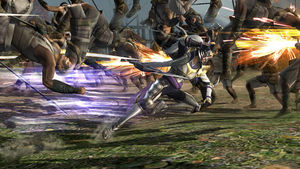
He is an extremely taciturn professional who calls himself' shadow' and vows absolute loyalty to his master. In addition to slashing with kusarigama (a chain scythe) and brandishing weights, he is characterized by his two step jumps and quick movements that seem to be stealthy, and he also uses other special techniques such as the art of alter ego and the art of katon. From the first to the second, he wore the standard Shinobi costume style and covered his face with a hood except around his eyes, but from the third, he began to wear a mask of an ogre according to the street name of' Oni Hanzo' (Demon Hanzo) and the opening of his mouth was lifted.
Source: www.gamecity.ne.jp
Sleep, dog of troubled times.
He seems to be very cold and cruel because he is quiet and does his job easily, but he gets angry when he is insulted by Ieyasu. You can catch a glimpse of his hidden hot emotions, such as riding on the provocation of Kazama and showing a slight tenderness to Nene. In "3," Hanzo's inner tenderness and the battle between ninjas are depicted. Also, his number of words is clearly increased compared to the works before that (he sarcastically described Kotaro's thought and existence as' Sleep, dog of troubled times' when he was despised as' Tokugawa dog' by Fuma Kotaro).
Source: vignette2.wikia.nocookie.net
"Mori Ranmaru": A Rinrin Boy Swordsman
Voice: Naomi Shindo
TWO NAMES: Rinrin BOY SWORDSMAN.
First person: Me, Ran
Height: 178 cm
Weapon: Nodachi (field sword)
Muso Okugi Moji: Makoto
Hiokugi / Kaiden moji: gi => kengo (from 4)
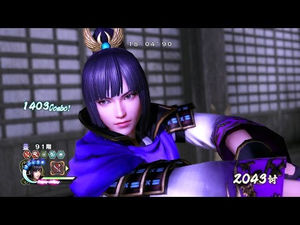
He was a young vassal who was close to Nobunaga ODA's side. He had a strong sense of justice and a straight personality, but he was modest and did not step forward. He was gentle and quiet. However, he showed a dignified and strict attitude toward his enemies. He was in awe of Nobunaga and devoted himself to it.
Source: i.ytimg.com
Love for Nobunaga
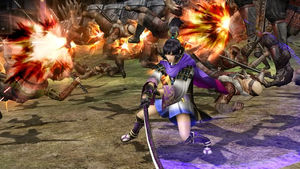
As a pageboy of Nobunaga ODA, he was unusually enamored of Nobunaga and made many remarks and actions that seemed to make light of his own life. He was evaluated as being closer to dependence than loyalty to No-hime. He is modest and calm, but he has a strong core and shows a strict attitude toward enemies. In battle, he uses a long sword as long as he is tall, and although the attack speed is slow, he attacks with a large swing with a wide reach that involves many enemies.
Source: www.gamecity.ne.jp
Thigh
He is a beautiful boy with a neat face that can be mistaken for a woman (he is mistaken for a woman by Magoichi SAIGA during the game), and he is often involved in misfortune such as being picked up by a man or forced to participate in a match to decide a beautiful woman. His costume is often purple, the same as that of other vassals of the Oda family. Women's motion is used when he is killed and falls. In addition, his thighs are always exposed throughout the series.
Source: vignette2.wikia.nocookie.net
"Hideyoshi Toyotomi", the Golden Tenkabito
Voice: Munehiro Tokita => Hideo Ishikawa
Two names: Golden Tenkabito
First person: I
Height: 155 cm
Weapons: trionyx
Muso Okugi Moji: Shi
Esoteric and Kaiden characters: Noboru
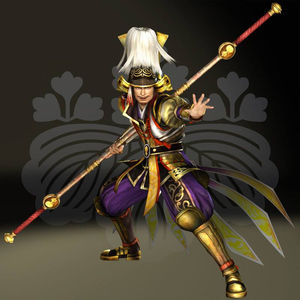
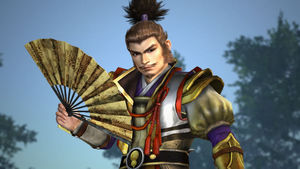
HE WAS A COMMONER AND A VASSAL OF THE ODA FAMILY. HE HAD A BRIGHT AND FUNNY PERSONALITY, WAS VERY SMART, HAD THE ABILITY TO SEE THROUGH THE ESSENCE OF PEOPLE, WAS COMPASSIONATE, AND HAD A CHARM THAT CAPTIVATED PEOPLE. HE DISLIKED SEEING PEOPLE GRIEVING, AND WANTED EVERYONE TO BE ABLE TO ENJOY AND LAUGH.
Source: www.gamecity.ne.jp
The most successful leader in the Sengoku period
Although he was originally a peasant, he was one of the most successful people in the Sengoku Period (Period of Warring States), and after the death of Nobunaga, he became the ruler of the country. He sees the world from a different point of view from Nobunaga. In "No. 1" and "No. 1 Gensho Den," he spoke in the Nagoya dialect, but after "No. 2," he spoke in a tone close to the standard Japanese language. Throughout the series, he was depicted as having a bad taste for women, but he was also depicted as having a deep friendship with men such as Magoichi and Toshiie, and as being respected by child-rearing warlords such as Kiyomasa and Mitsunari.

Related Articles
Spoiler commentary and discussion of Sengoku Musou - Sanadamaru (game)
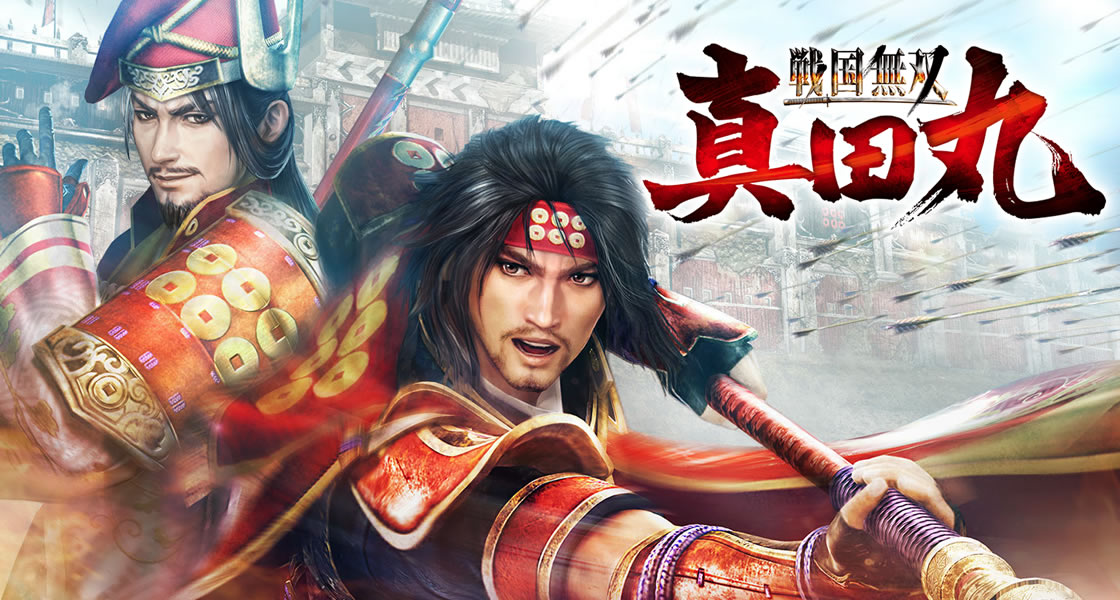
Sengoku Musou: Sanadamaru" is a game title released in November 2016. It is part of the "Sengoku Musou" series and is also an official tie-in with the 2016 NHK historical drama "Sanadamaru". Based on the "Sengoku Musou 4" series, the main feature of this game is that the story focuses on the Sanada family. The drama of the turbulent Sengoku period unfolds with father and son Masayuki and Yukimura Sanada as the main characters. In addition, the game features a number of new challenges, such as long-term battles, the concept of day and night, and changes in appearance with the passage of time.
Read Article
Spoiler commentary and discussion of Sengoku Musou 4 (4-II / 4Empires / 4DX)
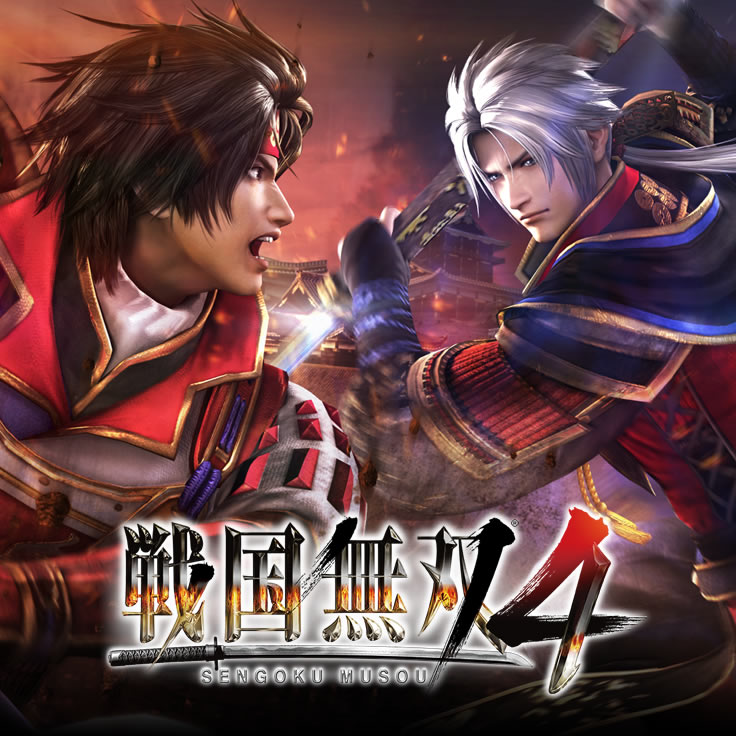
Samurai Warriors 4" is the fourth PS3 game in the "Sengoku Musou" series, released in March 2014. It is also the 10th anniversary title of the series, which is set in the Sengoku Period and features a number of warriors in action. A PS4 version was later released. Various dramas unfold in the turbulent Sengoku period, centering on the bond and rivalry between Yukimura Sanada, the main character of the series, and Yukimura's elder brother Nobuyuki, who joins the series for the first time in this title.
Read Article
Spoiler commentary and discussion of Sengoku Musou 1 (1 Tetsusho Den)
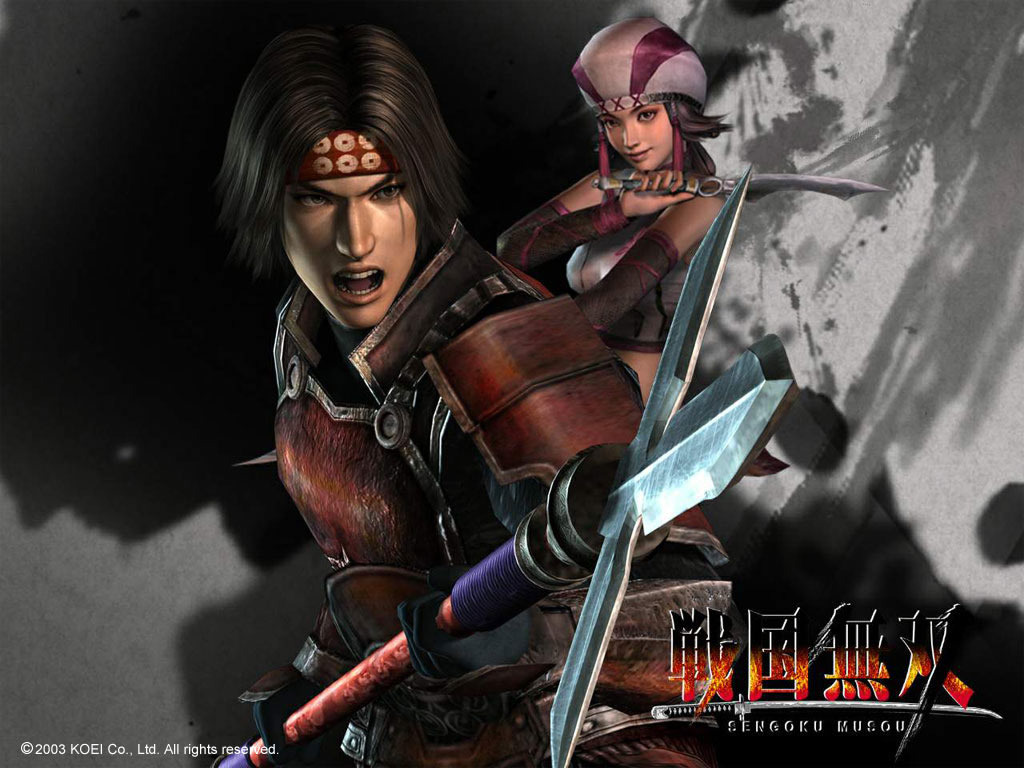
Sengoku Musou" is the first game in the "Sengoku Musou" series, released by Koei on February 11, 2004. It is also a sister title to "Shin-Sangoku Musou" series. The game takes place during the Warring States Period in Japan, where warlords who have left their mark on history run through various battlefields. The game features a multi-ending system in which the story of each general has a different ending, and a new history can be spun out depending on the player's actions.
Read Article
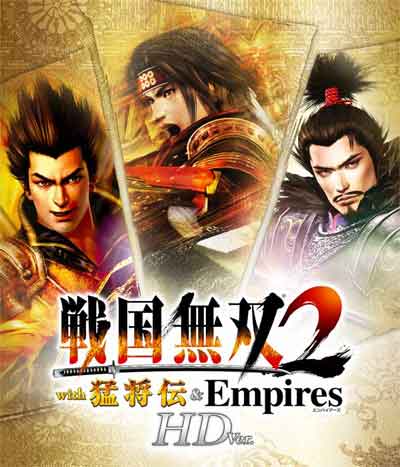
Spoiler commentary and discussion of Sengoku Musou 2 (2Empires / 2Takeshouden)
Sengoku Musou 2 (Samurai Warriors 2) is the second title in the "Sengoku Musou" series of action games set in Japan's Warring States period. In contrast to the previous game, which focused on the age of the rivalry between the warring factions, the story of "Samurai Warriors 2" centers on the battle of Sekigahara. Later, "Empires" and "Takerushoden" were also released. It is also highly regarded as the work that established the "Sengoku Musou" series in all aspects, including action and systems.
Read Article
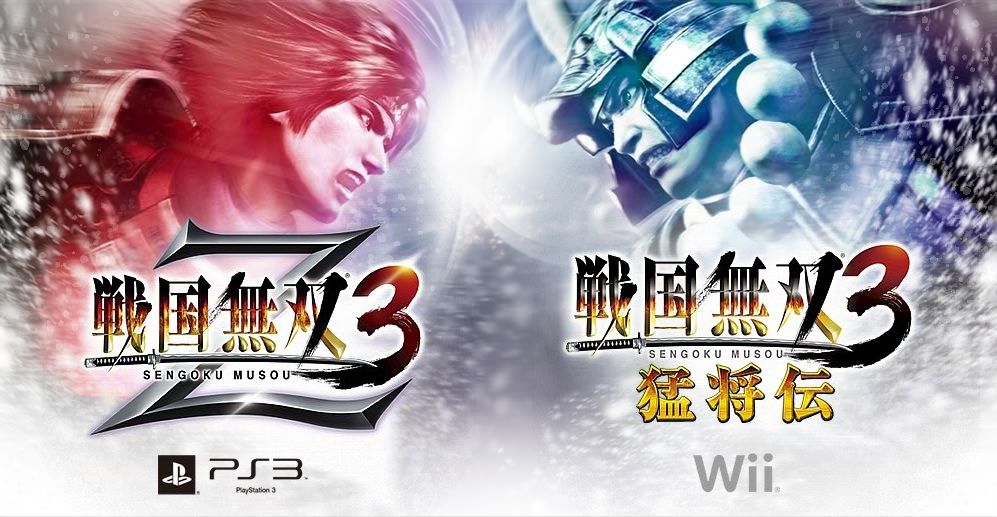
Spoiler commentary and discussion of Sengoku Musou 3 (3 Resshouden / 3Empires)
Samurai Warriors 3" is a Wii exclusive game released in December 2009, with a PS3 version released later. It is the third title in the "Samurai Warriors" series, which is set in the Warring States period and tells the story of a number of generals. The game focuses on the various forms of "bonds" among the warlords and is characterized by its three main storylines: "Kanto Sangokushi," "Sengoku no Sanketsu," and "Sekigahara no Wakamusha.
Read Article
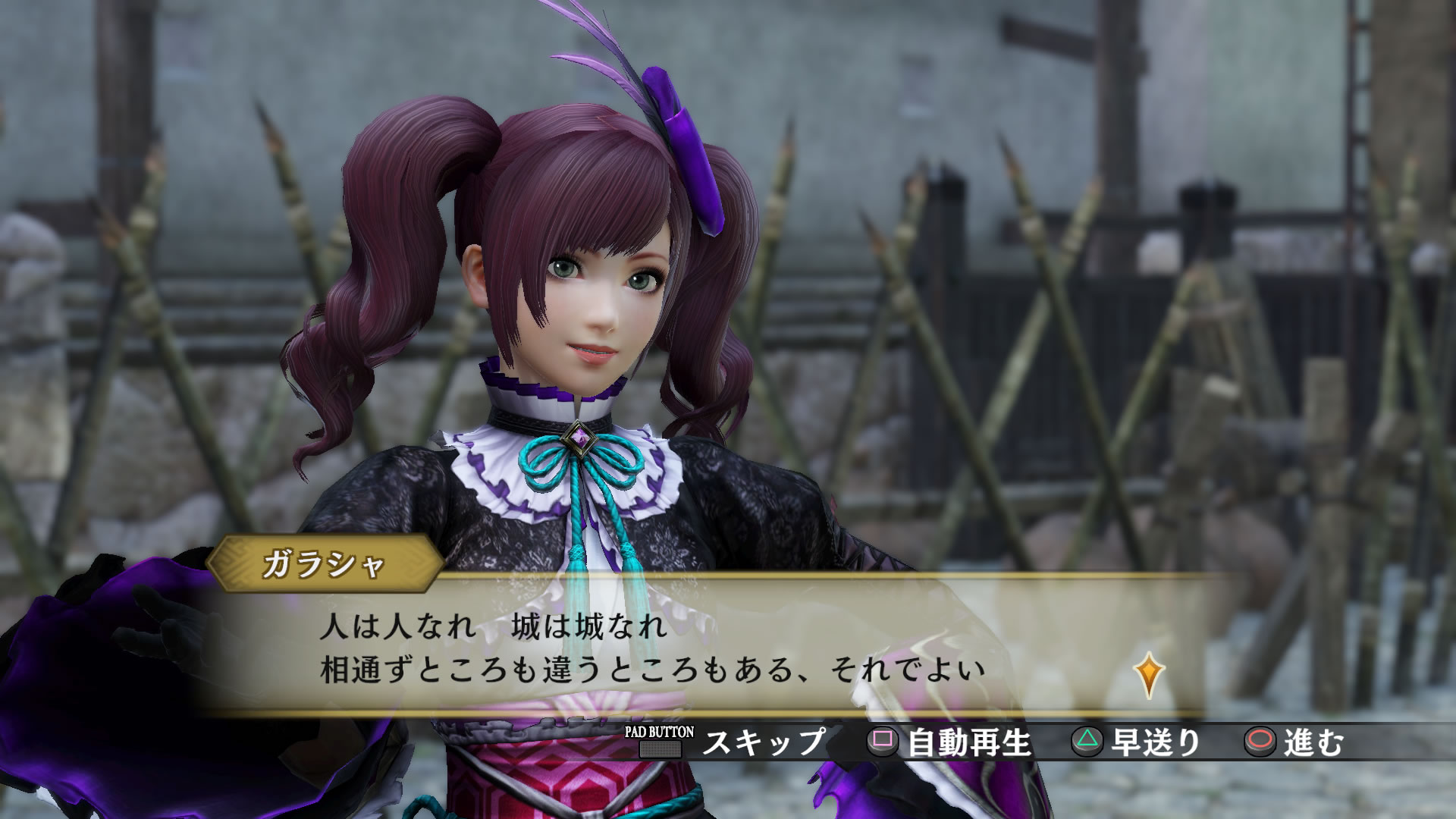
Tragic woman! Summary of information on Hosokawa Garasha, a character in the Sengoku Warriors series.
The "Sengoku Musou" video game series is based on actual history. Hosokawa Garasha, who appears in the game, is a woman famous for her tragic end at the mercy of history. In this article, we will introduce Hosokawa Garasha in detail, comparing her life in the "Sengoku Musou" series with the historical facts.
Read Article
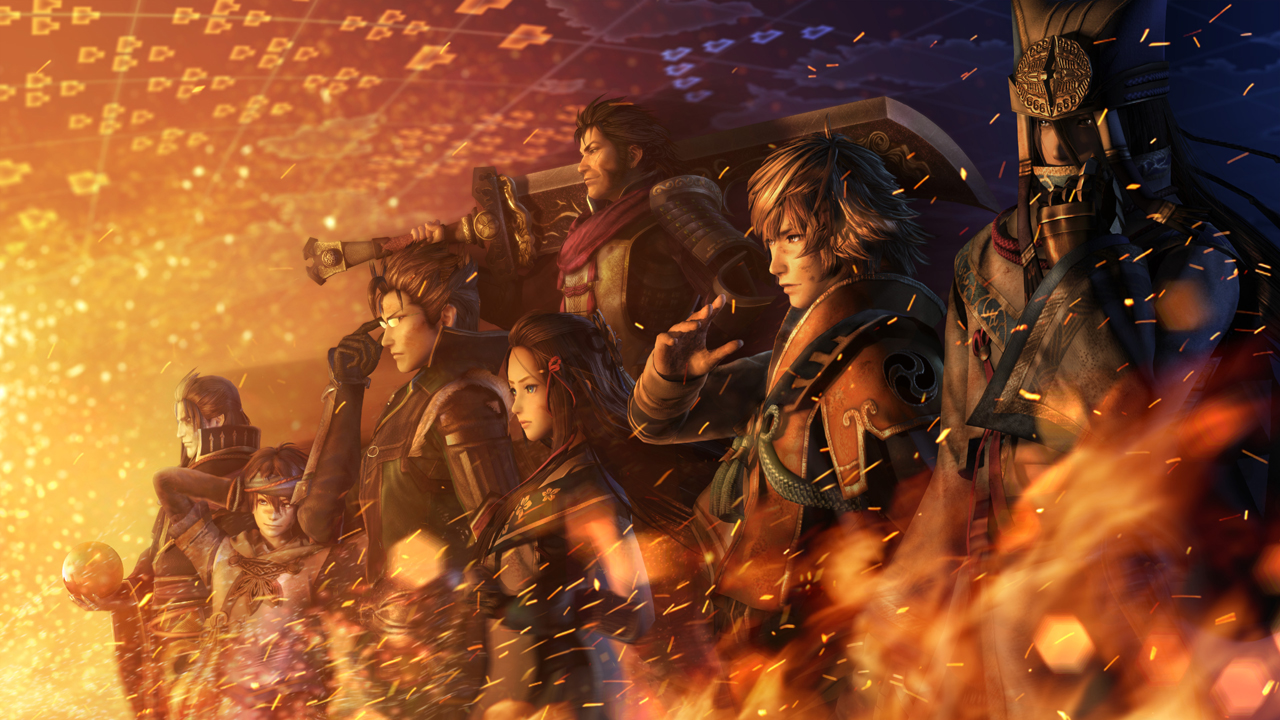
A collection of beautiful images from the "Sengoku Musou" series for your PC or smartphone wallpaper!
Here is a collection of beautiful images from the "Sengoku Musou" series. The popular images of Mitsunari Ishida, Yukimura Sanada, Garasha, Yoshitsugu Otani, Kunoichi, Nobunaga Oda, etc. are available for your PC or smartphone wallpaper.
Read Article
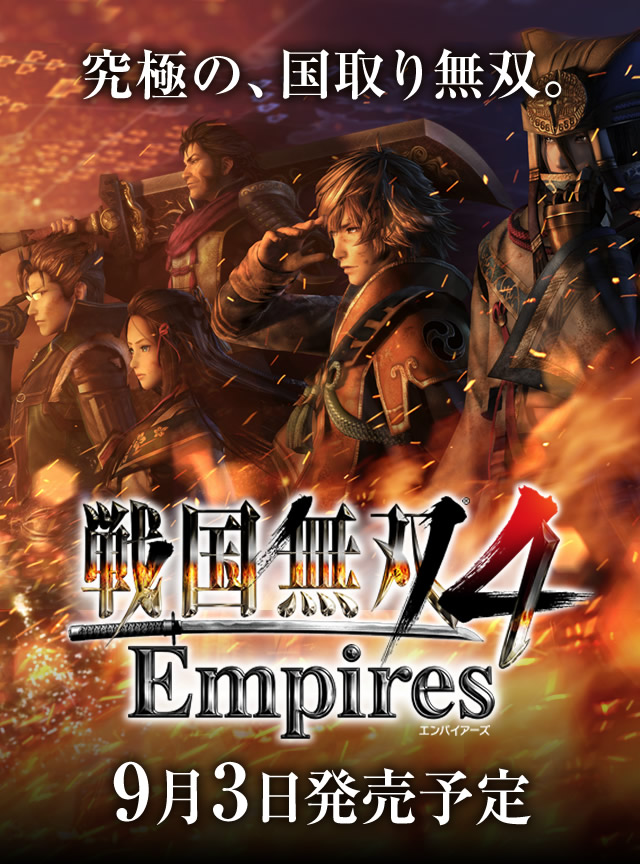
The Definitive Edition of Empires! Summary of basic information on "Sengoku Musou 4 Empires".
Basic information about "Sengoku Warriors 4 Empires," scheduled for release on September 3, 2015.
Read Article
![Sengoku Musou] Summary of derivative works of the hit title, "Musou" series [Sengoku Musou].](https://renote.net/files/blobs/proxy/eyJfcmFpbHMiOnsiZGF0YSI6Mjg1ODAsInB1ciI6ImJsb2JfaWQifX0=--86b3ceb2ca5c6e5bca104a5556fad5232300897f/img59268495.jpg)
Sengoku Musou] Summary of derivative works of the hit title, "Musou" series [Sengoku Musou].
This is a compilation of derivative works of the "Shin-Sangoku Musou" series, a popular work that was a big hit for Koei and established the "Musou action" genre. From "Shin-Sangoku Musou", which started it all, to "TROY Musou" released on PS3, "Hokuto Musou" and "Zelda Musou", which are collaborations with popular manga, are introduced.
Read Article
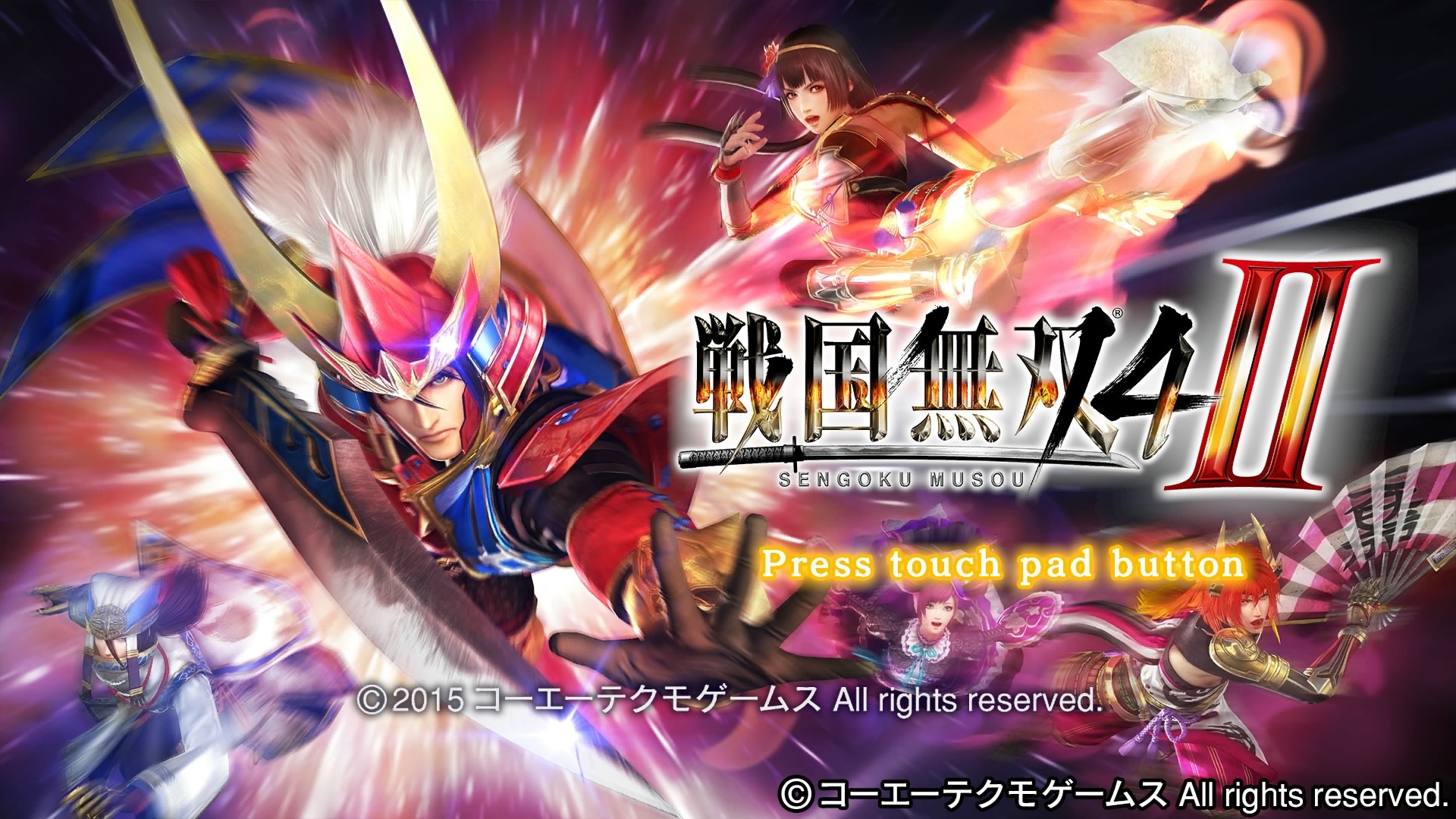
Summary of "Sengoku Musou 4-II" strategy sites and wikis
Here we have compiled a list of strategy sites and wikis for "Sengoku Musou 4-II" released by Koei Tecmo Games. It is a minor-changed version of "Sengoku Musou 4," with Ii Naomasa as a new character. It also sells scenarios focusing on each character.
Read Article