
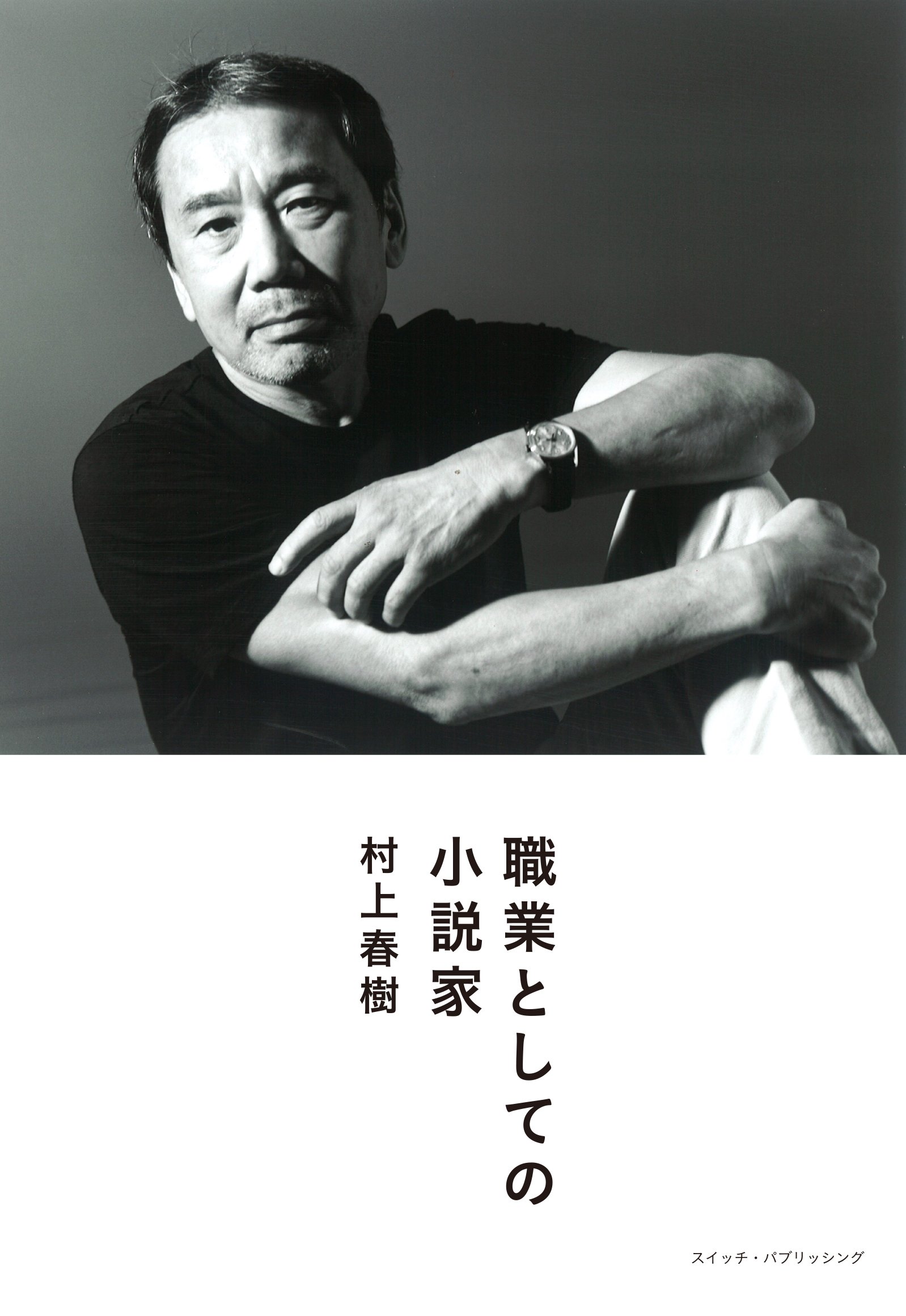
Haruki Murakami's serious yet humorous essay on his stance on novels is a work that can be enjoyed by those who are not Haruki Murakami fans, or "halkists. This time, we would like to introduce the essay "Novelist as a Vocation," in which we can hear some surprisingly honest thoughts from the man who is expected to win the Nobel Prize every time.
How to draw a novel
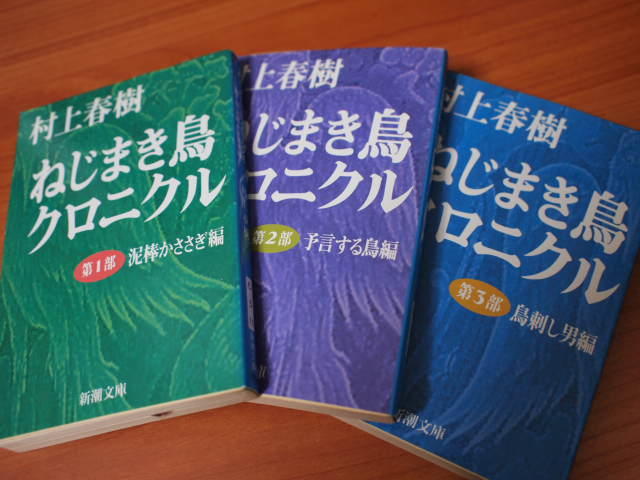
I do not like Haruki Murakami's novels very much. However, I like the rhythm of the writing itself. I like the appropriate choice of words and the flowing tempo of the sentences. I guess a skilled novelist knows how to write, and I really like the writing itself.
In this book, he describes how to write a novel. To summarize briefly, there are two points. Write as you like, and write consistently every day. The first is not to set up every detail. Let your own instinctive imagination take the lead in creating a character. That's what I mean. However. They seem to put a lot of effort into later revisions. He takes the story he drew instinctively and gives it a rational shape.
He writes a few pages a day, no matter how excited he is or how slow he is, and then he stops writing after a set number of pages. That's what he says.
How does Haruki Murakami view the Nobel Prize?
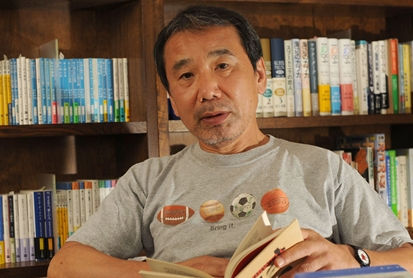
Apparently he is not interested in the Nobel Prize, the Akutagawa Prize, or anything like that. He has certainly not been selected for any awards, and even if he had been, he would have declined the nomination. Perhaps the term "pure writer" rather than "commercial writer" suits Haruki Murakami better. Perhaps he would continue to draw stories even if he could no longer make money from his novels. Haruki Murakami is buried in the novel to such an extent, and I believe that he himself enjoys it.
He does not like the term "Harukisto," though he has written another book about it. According to Haruki Murakami, he wants to call his fans "Murakamiists. Whether or not this will catch on depends on future developments, but I think it is at least a much better name than "Harukist. I don't like the name Halquist either. It kind of suggests a shallow pride that they are an exalted race of people who understand literature.
After all, Haruki Murakami is just Haruki Murakami.
Haruki Murakami seems to live through all kinds of things. He is just an ordinary old man who writes novels as he likes, translates them as he likes, and repeats such things over and over again. I am sure that being able to live without criticism is also a kind of talent. Everyone is depressed when he is criticized, and happy when he is praised. Haruki Murakami, however, lets the criticism slide by saying, "Well, I guess there are people like that.
I don't know how he really feels. I don't know if he really means it or not, because it is possible to revise an essay as much as you want. However, I am sure that he has the stance to depict only what he wants to depict without fear of criticism. Otherwise, he would not have been able to write a novel like that, which is too much for the likes and dislikes of the readers. I don't know whether it is better to be conscious of readers and flatter them, or to go his own way, but in my opinion, I like Haruki Murakami's stance of drawing what he likes, when he likes.
summary
Although I don't like Haruki Murakami's novels, I like the writing itself. That will not change. I probably won't buy his new book even if it comes out in the future, and I would probably refrain from reading it even if he asked me to lend it to him. But I really like his writing. In fact, I liked this essay.
For those of you who are not Harukists, please read this book. I think it will change the way you look at Haruki Murakami. Well, that doesn't mean that it will directly change the way you look at his novels, but at least it will change the way you look at Haruki Murakami himself. At the very least, it will change your opinion of Haruki Murakami himself. Please read the book.
