

Mieko Kawakami won the Akutagawa Prize in 2008.
Her beauty has made her a popular and successful author who has been featured on magazine posters and appeared on "King's Brunch.
In this issue, we will take a closer look at her "three faces," which are not only beautiful but also talented.
1. novelist
Mieko Kawakami has published many novels and won many prestigious awards.
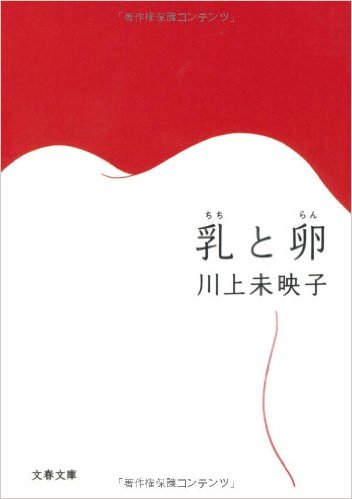
This is "Milk and Eggs," an Akutagawa Award-winning work.
Mieko Kawakami's early works are characterized by her rhythmical writing style using Kansai dialect.
Although each sentence is long, it is easy to read through without feeling any pain.
There are only three characters: the main character, her sister, and her daughter (who is a niece to the main character), and the composition is simple, describing the events of a few days during summer vacation, making it easy to read.
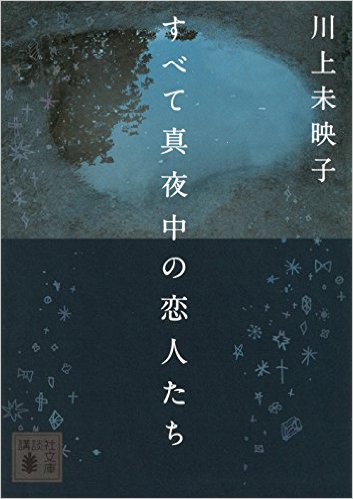
Next is "All the Midnight Lovers".
In this work, the Kansai dialect is no longer used. Instead, hiragana is used extensively to soften the overall atmosphere of the story.
The main character is a shy and rather reserved type of woman, but one day she begins to interact with a man (who is quite elderly). There is no simple and clear-cut heartbreak or fulfillment waiting for her, but the story conveys the kindness of each of them.
I personally recommend the female character Hijiri. She is a sharp speaker, neat and tidy, and has a personality that is in stark contrast to the main character. However, her personality gives her a stimulating and closing role amidst the many friendly characters in the story.
2. poet
In fact, she also writes poetry.
That's a bit surprising, isn't it?
Even though novels and poems are the same literary work, (as you will see when you actually try writing them yourself), just because you can write novels does not mean you can write poems. The opposite is also true.
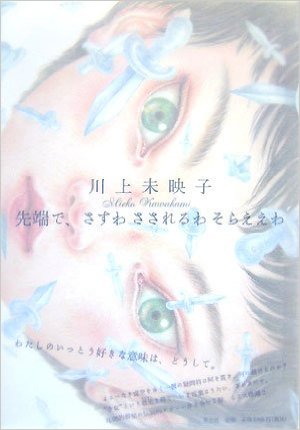
This is the winner of the Nakahara Nakaya Award, a well-known prize in the world of poetry.
From the title, it is no longer an ordinary person's idea. (In a good way.)
When you open the book and read the contents, you will find a language that you have never read before scattered throughout the book.
Let's read it with the attitude of enjoying the world depicted in the book, without the logical reading of "this is this, therefore this is that".
3. essayist
Since her debut, she has published many books of essays.
Currently (as of 9/30/2015), he is also active as an essayist, writing a series of essays for the magazine Shukan Shincho.
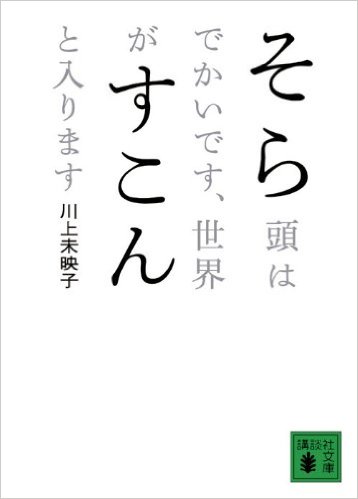
A collection of early essays.
He writes in his sarcastic Kansai dialect about a great variety of topics, from philosophical questions to his pet saboko (a plant cactus).
Each chapter is short and can be read easily when taking a break or commuting to and from work.
It is a book that will give you an idea of the kind of sensibility that Kawakami Mieko has.
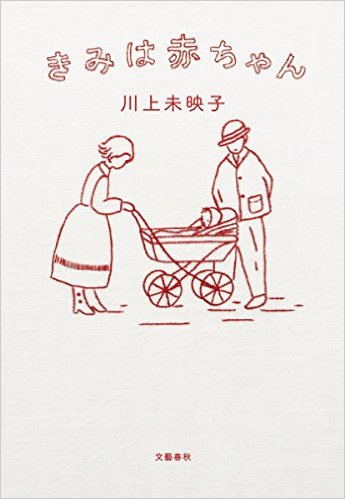
It was published in 2014, so it is a relatively new work.
This is a book about childbirth and childrearing that Mieko Kawakami herself experienced.
It is not just a book about the image of a mother who is very caring about her children, but a book about the process of thinking seriously about what it means to actually have a child, worrying about it, and then giving birth and raising a child. (For example, there is a chapter in which she worries about the pros and cons of prenatal diagnosis.)
) The book was quickly reprinted, partly due to Ms. Kawakami's high name recognition, but also because of the sympathy and praise of those who read it. This is a book that should be read by anyone who is about to get married or have a baby.
summary
What do you think?
Mieko Kawakami is a beautiful woman, but she does not rest on her laurels, and her talent for writing is very attractive.
We look forward to seeing what kind of works she will produce in the future!
