
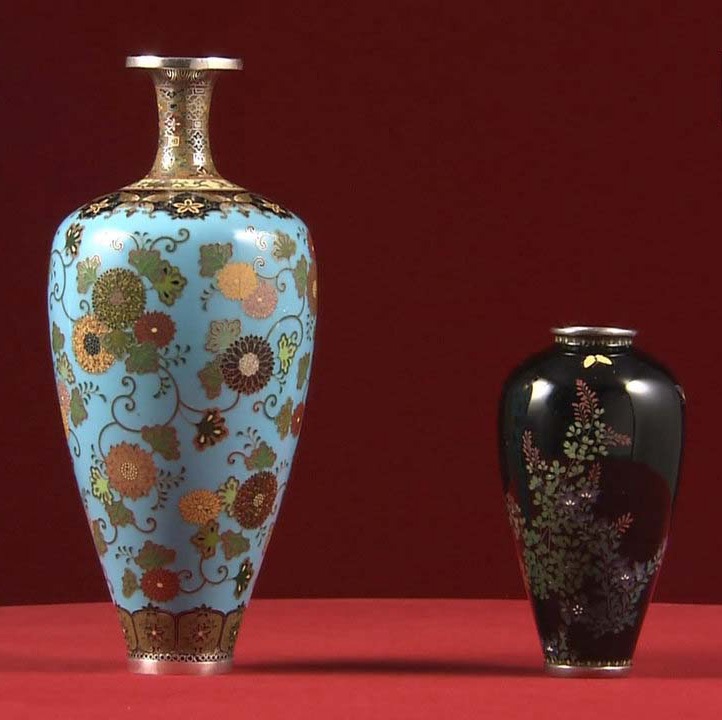
Cloisonne enamel artist Yasuyuki Namikawa (October 1, 1845 - May 24, 1927) was a Japanese cloisonne enamel artist. He was one of the leading cloisonne enamelists in Japan during the Meiji period (1868-1912), and was active mainly in Kyoto. He was a master of wired cloisonne enamel, the starting point of modern cloisonne enamel, and was regarded as one of the "two Namikawas" along with his rival Tawokawa Sosuke, who was active in Tokyo and specialized in wireless cloisonne enamel.
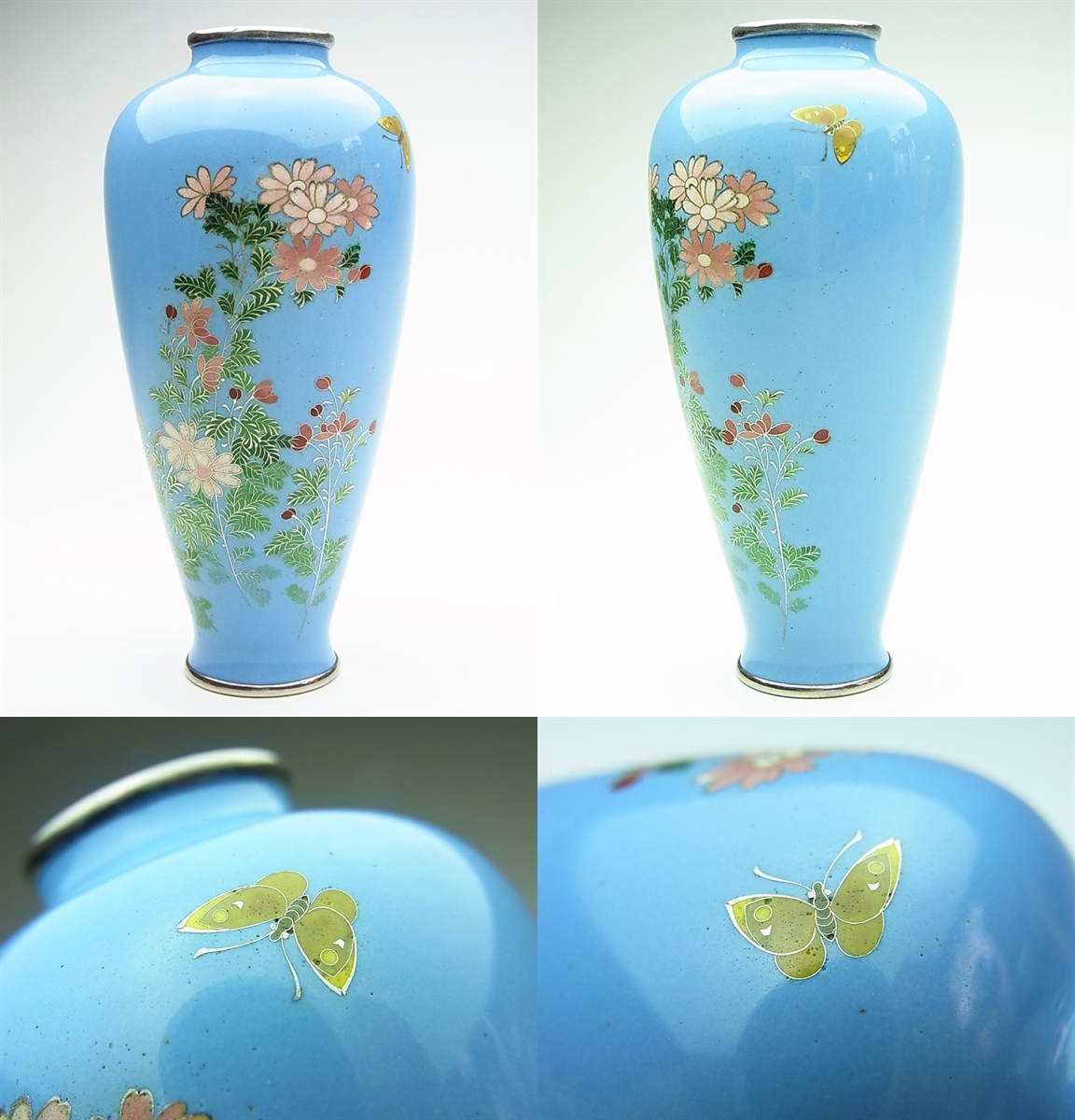
How many years has it been since I first became acquainted with the world-class cloisonne enamel ware of Yasuyuki Namikawa of Japan? Cloisonne enamel ware is a divine art of beauty that can be summed up in a single word: cloisonne enamel ware is a paste of fine mineral powder made with water and fumori, which becomes crystal when fired. The glaze is then fired at a high temperature of around 800 degrees Celsius, and the glaze is completed with beautiful colors that emit a jewel-like radiance.
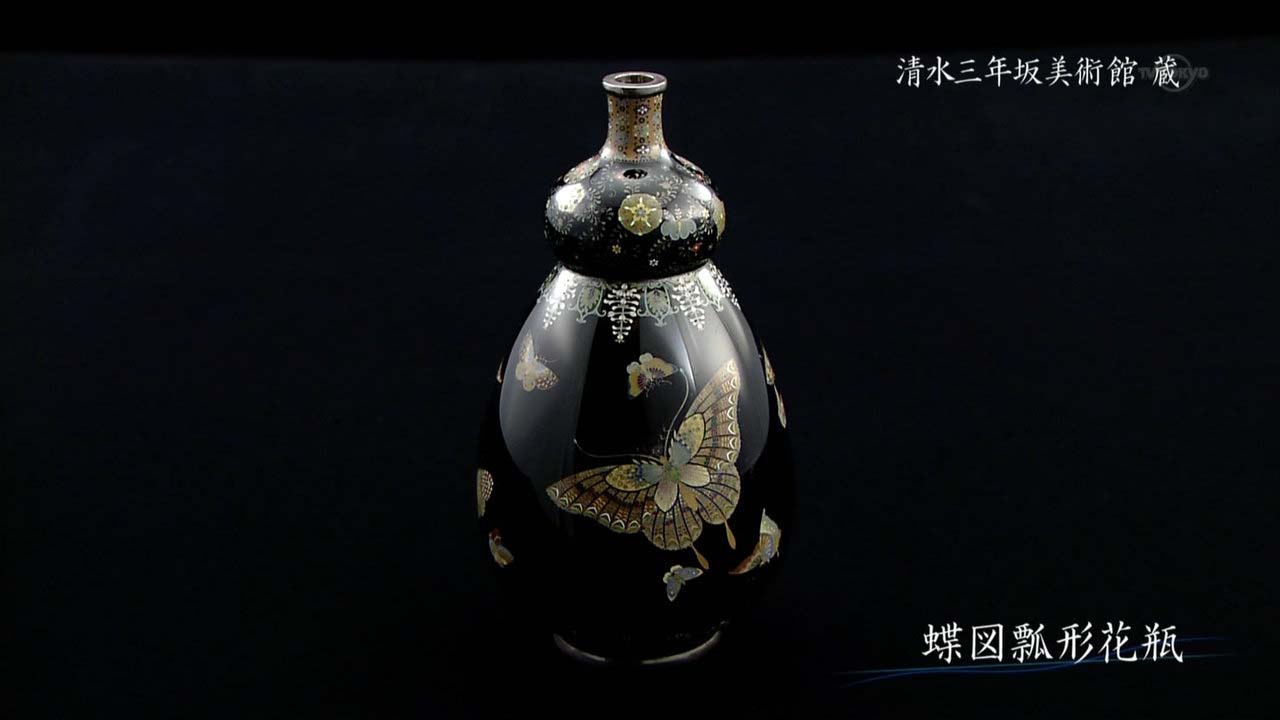
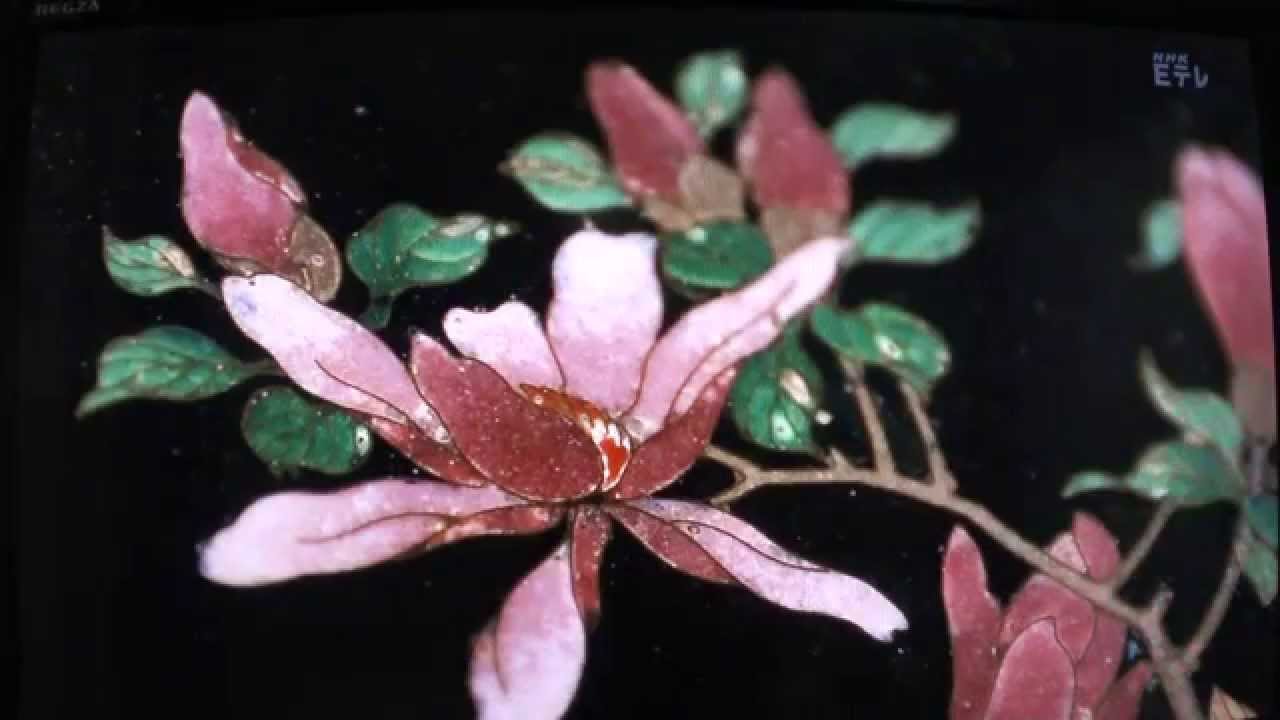

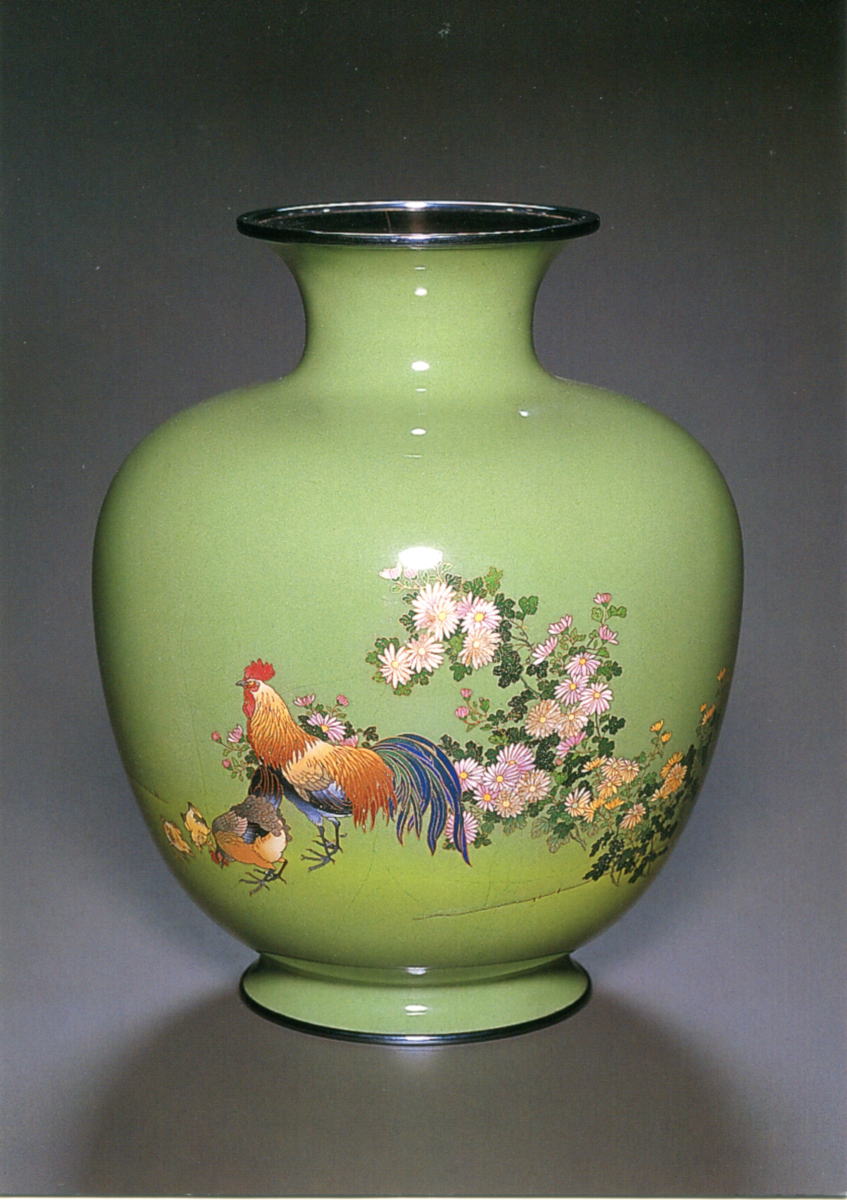
Yasuyuki Namikawa's cloisonne enamel ware excels especially in the expression of "black." The transparency and the deep, almost absorbing black are unique, and have won many awards in Europe and the United States, where they are known as "Namikawa's black.
The production process of his works is so detailed and precise that one is surprised to find oneself holding one's breath while watching the work. The artist creates each piece of metal in the form of plates and lines, which are probably microscopically thin, and then places them on top of the designed underpainting, and paints them with the aforementioned glaze by dabbing it on with a faceted brush.
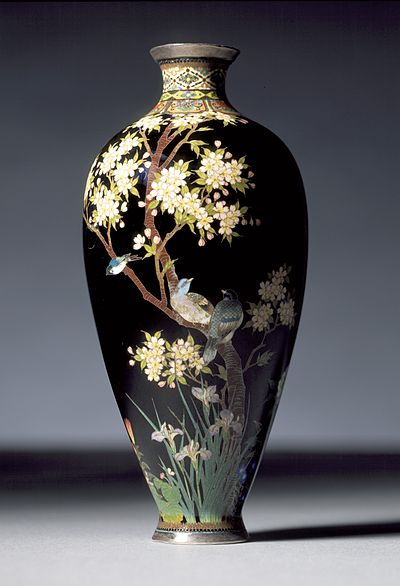
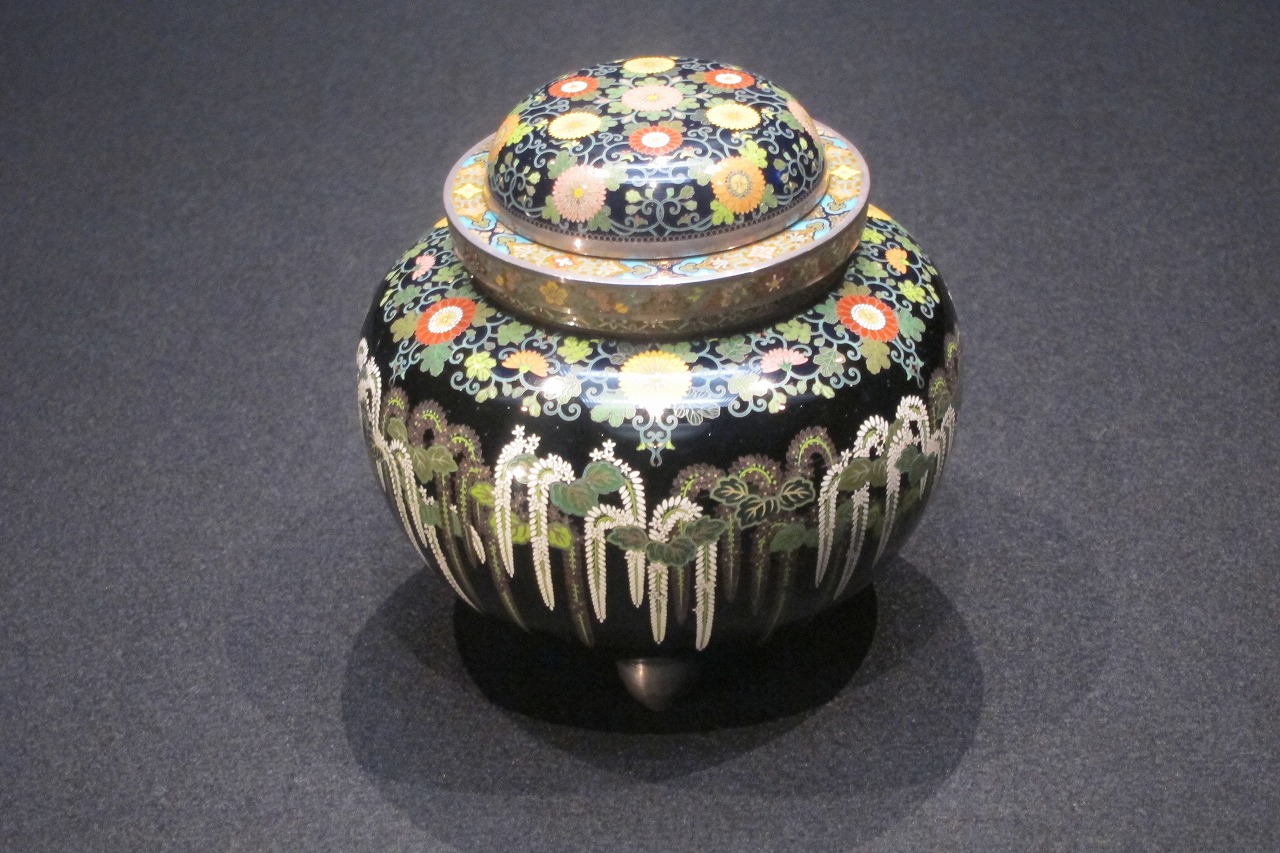
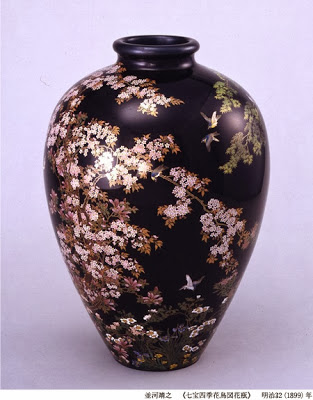
Yasuyuki Namikawa, active in Kyoto, was unrivaled in wire cloisonne enamel ware, while Sosuke Tawokawa, active in Tokyo and also an unrivaled master of wireless cloisonne enamel ware, was internationally acclaimed as "the two Namikawas" for his cloisonne enamel ware without wire. He is also a master of wireless cloisonne enamel ware, which was also unrivaled in Tokyo.
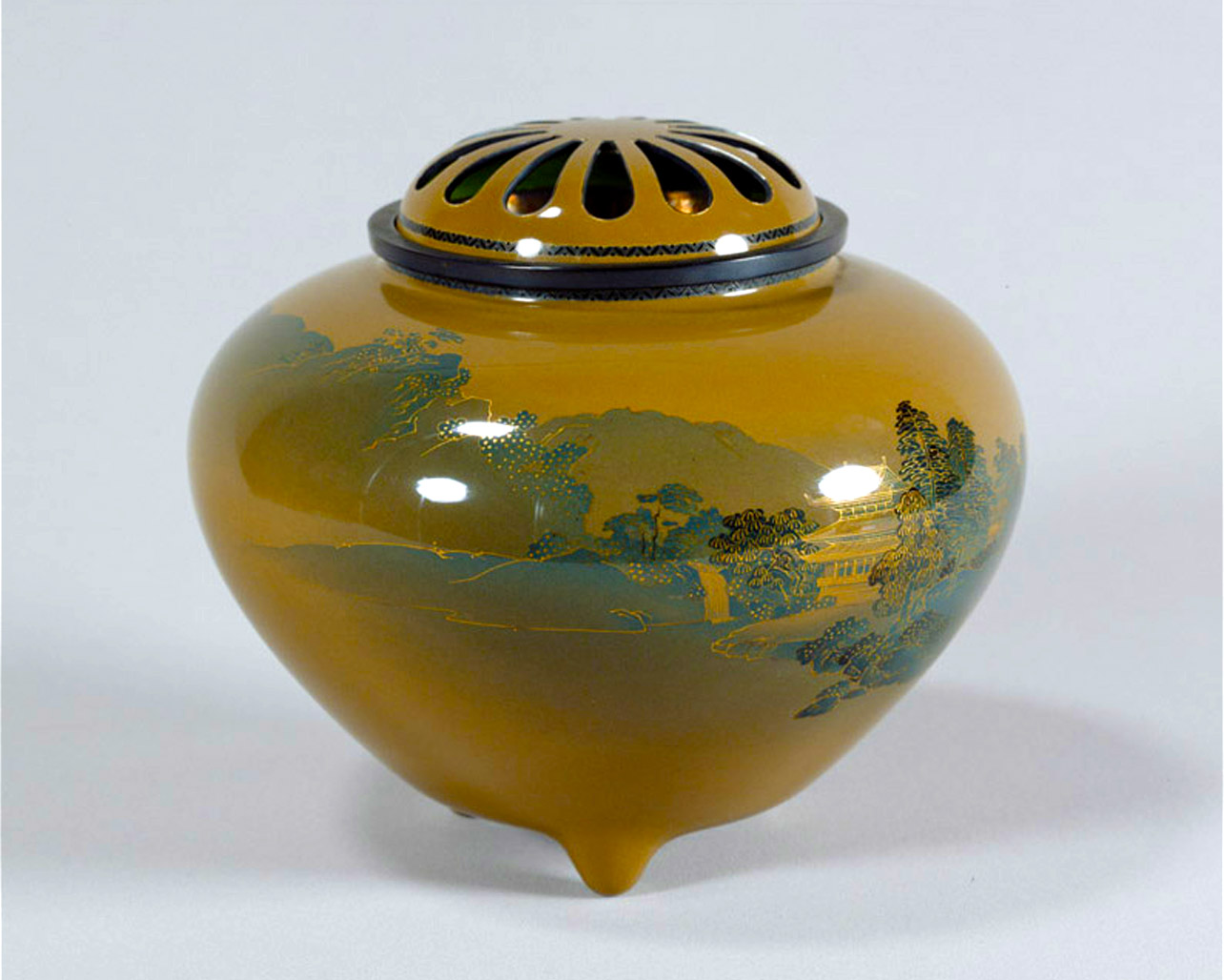
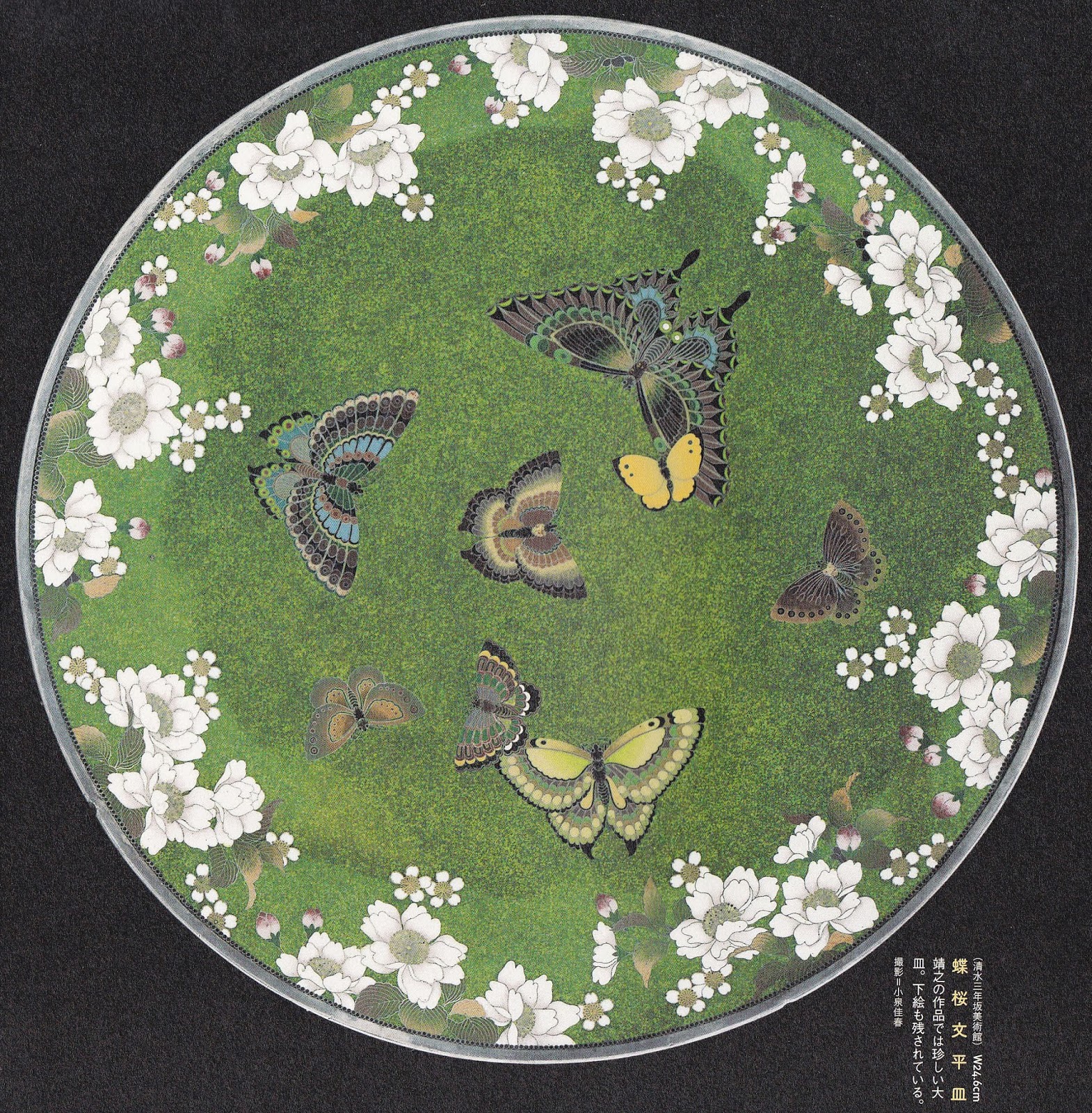
The finished cloisonne ware looks as if it were encrusted with jewels, or as if the cloisonne ware itself were a jewel.
