
I hear that "magical girls" in recent years can be summed up in "Madoka Magica," but there have always been a lot of people who mix similar categories together to make a genealogy or history. Technically, everything from audience demographics to sales strategies to themes are all different, so I'll try to sort this out a bit. This is the role of the old animation geezer. I can't help it.
Do we need to talk about the old days?
Evangelion" became a huge hit in 1995. It is also an anime that became a social phenomenon. The easiest way to explain it is through a "commentary book," followed by "telling the story by comparing it to an anime you know. The next most common method was to talk about it by comparing it to an anime that you know. These days, I wonder how few people know about the fact that people were afraid to even talk about "robot animation" in those days. And what is surprisingly unknown, or rather unimportant to know, is the subtle conflict between newcomer anime fans and old anime (including science fiction) fans. There were all sorts of shurahas and shurahas and shurahas (mainly in the critique doujin booth and on 2chan).
The people who ignored all of that, and took a big swing and talked about the genealogy, history, and trends that existed there, were the people who tried to start the "anime critics" and "Japanimation" movements that exist today. Of course, I am biased.
I don't care about that black history anymore, but thanks to the controversial "Puella Magi Madoka Magica," a similar situation seems to be happening again. It's cute compared to what happened with Eva, though.
That's science fiction, right?
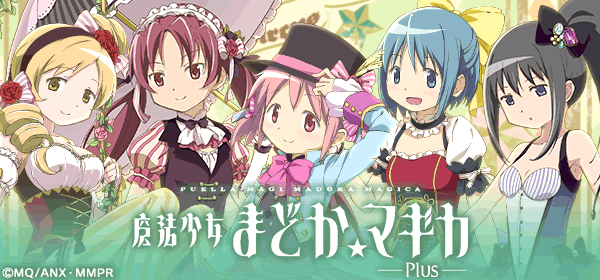
It is a very common misconception that if you use magic, you are a magical girl, and if you categorize "Puella Magi Madoka Magica" in this way, it is definitely a "magical girl"...
There are three points that are not correct.
1: If enemies can be repelled with guns and bombs, why not just summon an army? (= no need for magic).
2: The fact that you think "I have to do it" is evidence that you assume that the majority of your audience is "young men.
3: You need to rescue "girls who are fighting" using magic, but you do not need to rescue "girls who are not fighting" using magic.
(= "magical girl" is not even defined in the first place. (= "Magical girl" is not even defined in the first place, only "magical girls" who are set up inside the story can be rescued.)
So, while we're going through all this complicated logic, this story is science fiction, but rather than prove that it is not a magical girl story, let's prove that it is science fiction, right?
The state of "God" that Madoka became, "even" QB could "assume". In other words, it is explainable within QB's common sense.
So you talk about miracles, but in reality it is an extension of science (in the work).
Also, some people talked about growth, but I dismiss it because leveling up is not growth.
The Birth of the Witch Girl
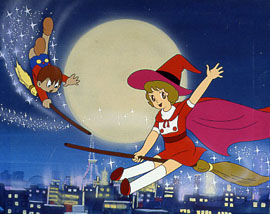
In its early days, "Witch Girl" was simply a story about a girl who could use different abilities from other people, and there was nothing special to note about it.
The airing time was daytime, and the audience was from infants to young girls, when "anime was for children" and many girls simply longed for their abilities.
On the other hand, since women's participation in society was not that common at the time, it may be fair to say that they simply longed to have the power to compete with men or society on an equal footing, feeling it impossible.
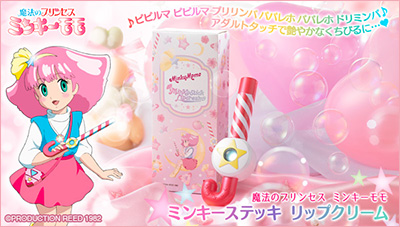
This has changed drastically since "Minky Momo".
The story changed to one in which a witch girl exercises only her "transforming ability" and "explores the possibility of becoming an adult.
Therefore, it can be said that several works of Studio Pierrot were surprisingly also part of vocational education for elementary school students.
In other words, the Witch Girls were anticipating the future and exercising the "magic of possibility" (i.e., they could become anything they wanted if they worked hard) that all girls have in order to become the kind of adults they would like to become. Since the program was aired in the early days of the bubble economy, the "magic of possibility" was accepted here and there.
The airing time was changed to the evening, and elementary school students often watched it. The people who watched it with me at that time are the prototype of today's anime fans.
Level up to magical girl?
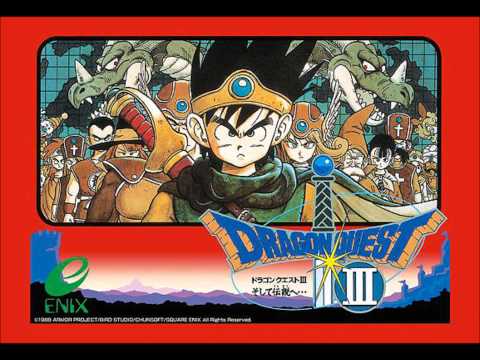
When the NES boom blossomed with the release of the Family Computer in 1982, children stopped watching cartoons.
In order to make the games easier to understand, many of them were based on battle and sports themes.
And for children, magic changed from "possibility magic" to "offensive magic.
Let's put aside the TRPGs and other games that preceded it, but "magic" has changed from "transformation" to "attack" as a matter of course.
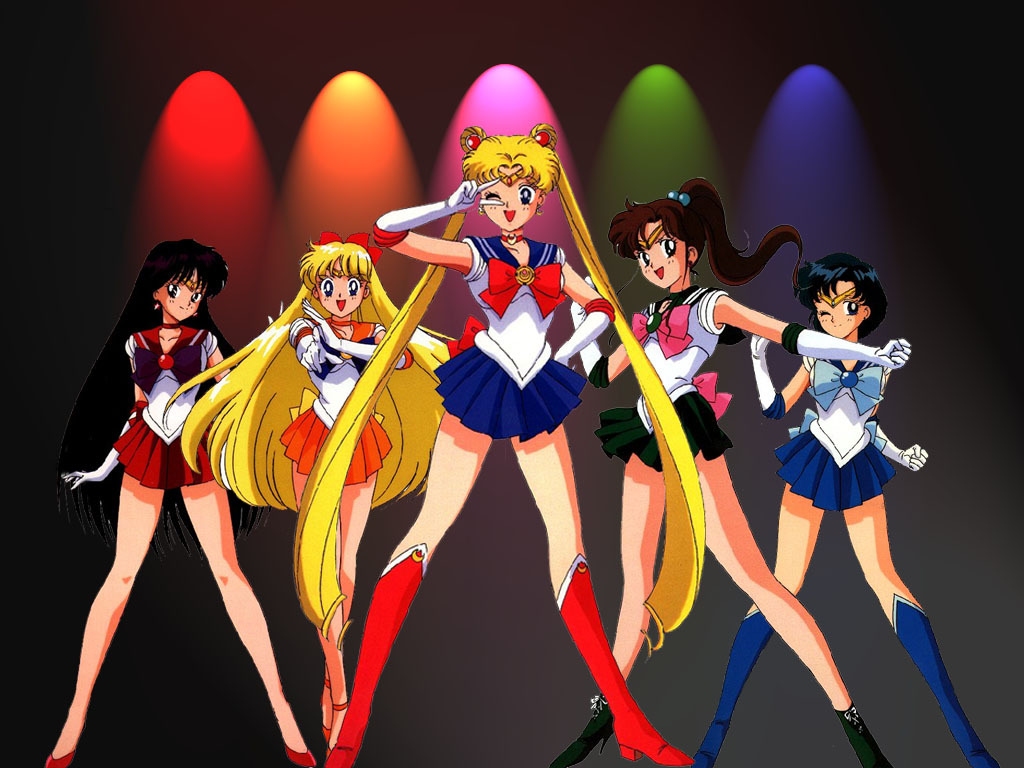
This was further accelerated by "Bishoujo Senshi Sailor Moon.
In this story, which can only be thought of as having been created by a docent, there was transformation magic (i.e., disguise) in the beginning, but in the end it was all about attack magic without even auxiliary magic.
The goal was to defeat the enemy, and that is where my anime fan brothers and sisters who were born earlier took a bite out of it.
At some point, magical girl magic was used only to defeat the enemy.
A magic gun girl is what I used to call it.
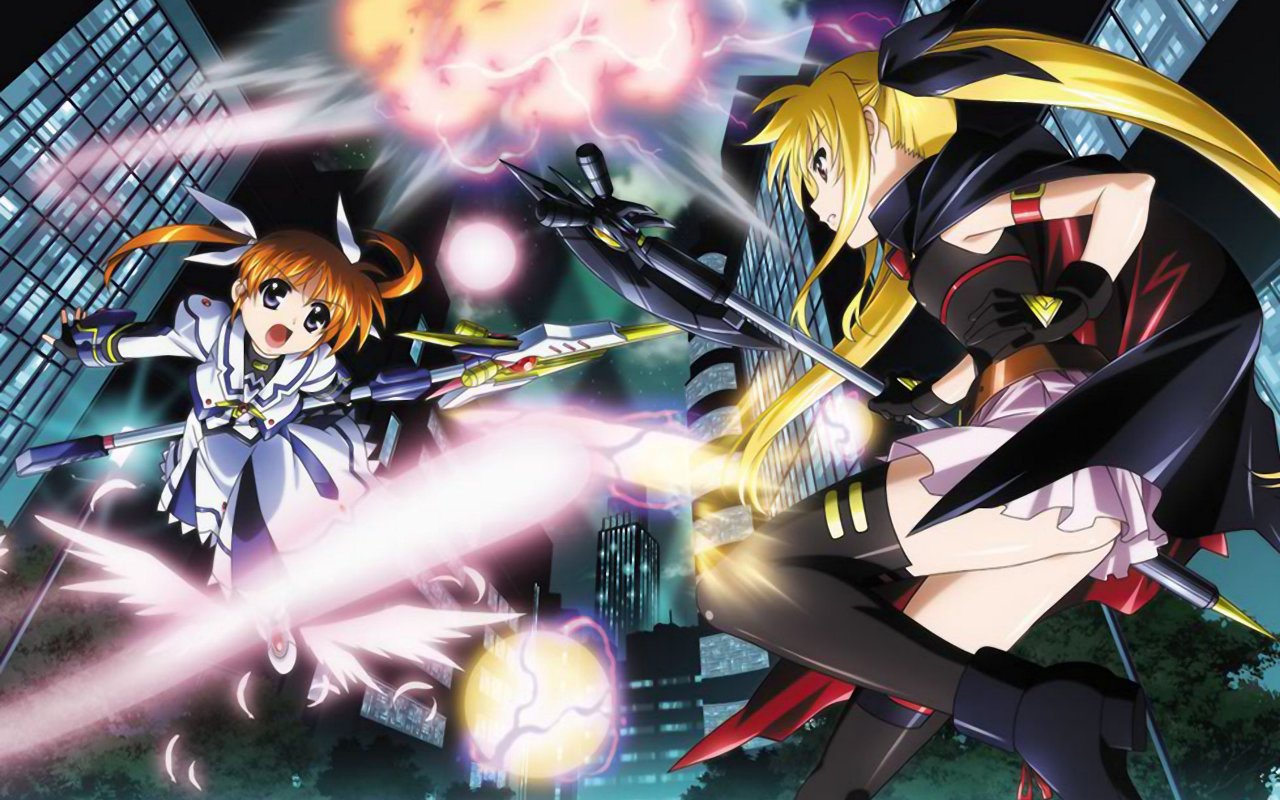
However, even as "magical girls" moved out of the hands of young girls and into the late-night hours, when young men are more likely to see them, there were still many that claimed to be "magical girls.
Among them, there appeared works that expressed the magic of the possibility that "if you work hard, it will come true" in a different form. This is "Magical Girl Lyrical Nanoha.
This work seems to be an ordinary magical girl anime, but...
The main character loses, but she trains and defeats her rival. In other words, the protagonist strives to "win.
In other words, the theme of this work is "effort, friendship, and victory," just like the old Jump manga of the past.
If you go this far, you are more like a "Maban Shoujo" than a "Magical Girl".
So let's get this straightened out.
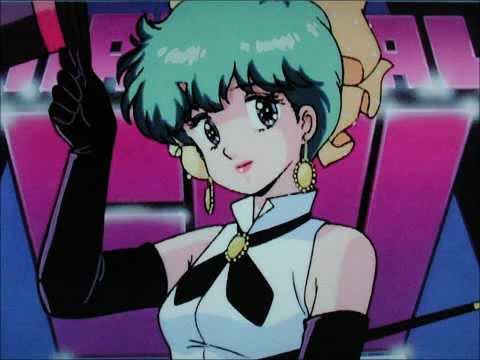
Witch Girl Category
Definition of "Witch Girl
Viewer demographics: Young girls to elementary school girls
Magic Mainly transformation magic, no offensive magic.
No need to be saved by MD God. The contract is cancelled in the last episode.
Examples of works
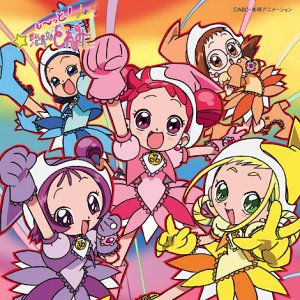
Sally the Wizard, Meg the Witch Girl, Minky Momo, Creamy Mami, Persia the Magic Fairy, Magical Emi, Pastel Yumi, Sweet Mint, Fancy Lala, Ojamajo Doremi, etc.
Magical Girl Category
Definition: Airing time is from primetime to late at night.
Viewer demographics Mainly young men
Magic Mainly offensive magic
Might be saved by MD God separately.
Examples of works
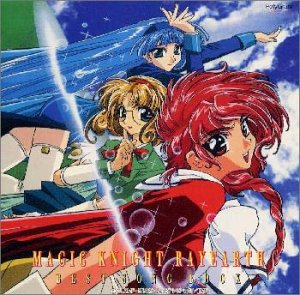
Sailor Moon", "Rayearth", "Wedding Peach", "Pretty Sammy", "Pretty Cure", "Madoka Magica", "Yuyuyu", etc.
Magic Gun Girl Category
Definition] Late-night airtime
Viewer demographic Young male
Magic Only attack magic Rather strategic
Will solve the problem by himself before being saved by MD God.
Examples of works
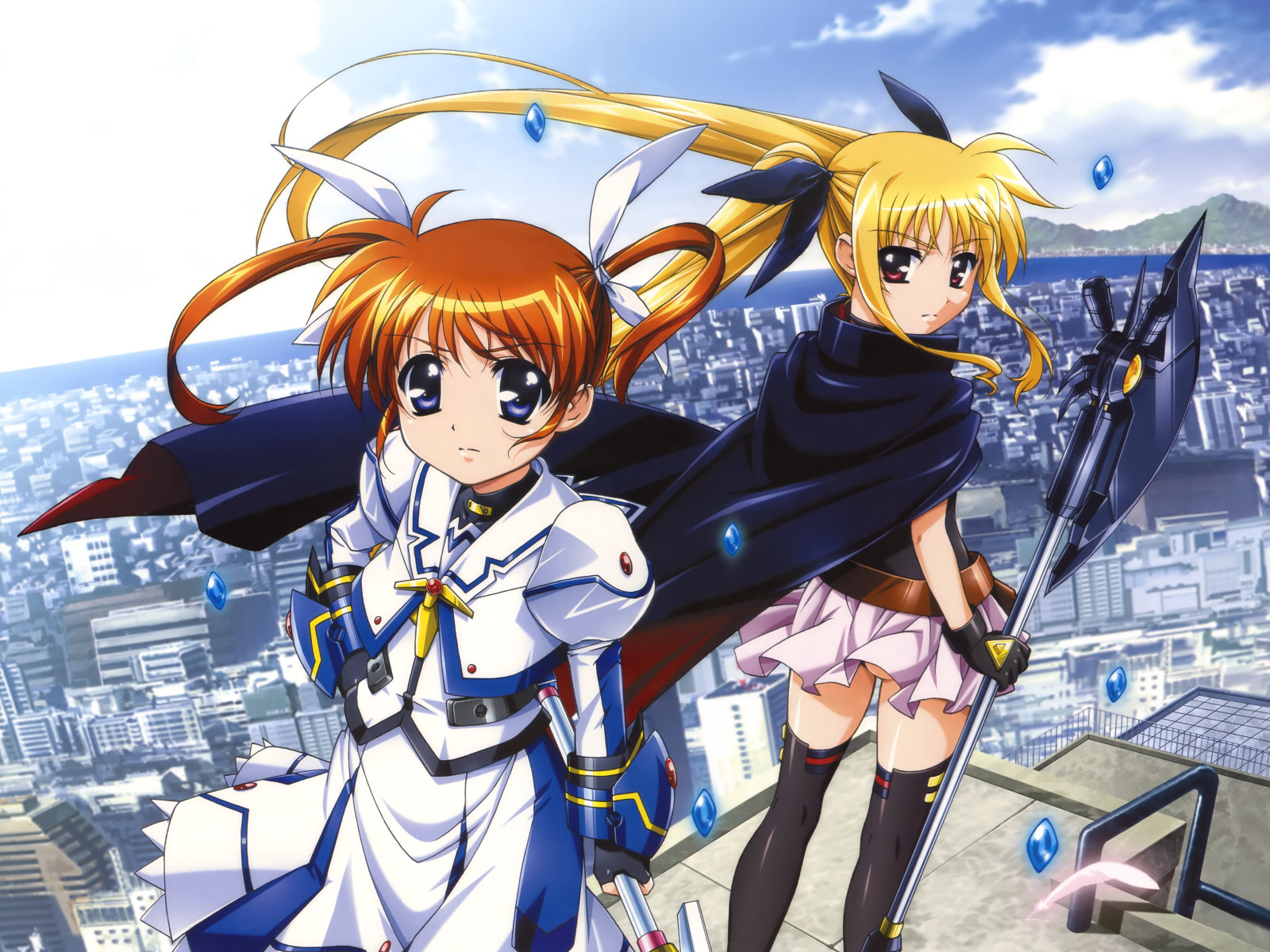
Lyrical Nanoha
Exception Gaidoukei Magical Girl Category
Definition: OVA
Audience: Young male viewers
Magic
Run away, MD God!
Examples of works
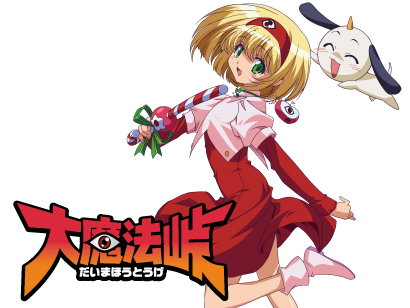
Nurse Witch Wheat-chan", "Dokuro-chan", "Daimajutoge", etc.
