

This article provides a summary of the topic of Hitoshi Matsumoto, a major figure in the world of comedy, who was once in hot water for his scathing critique of the Ghibli film "Spirited Away. Matsumoto said on a radio program he was in charge of in 2002, "What's so interesting about the godforsakenness of 'Spirited Away'? If that is evaluated as such, I will lose interest in making movies," etc., and he was greatly criticized. At the time, "R100," a film directed by Matsumoto, was about to be released, and there was some concern that his comments might affect the film's box-office performance.
▼ Matsumoto Hitoshi's Broadcast Room Spirited Away Vol.046 02/08/15
▼Responses of Net Dwellers

Source: sakak.seesaa.net
Outrage of netizens
It's a hell of a lot better than your movie, asshole.
(Aichi Prefecture):2013/09/27 (Fri) 15:01:40.88
You don't even have eyes to see.
(Garden):2013/09/27 (Fri) 15:02:21.36
Wait until you make a funny movie before you tell me.
2013/09/27 (Fri) 15:17:30.77
Nobody wants your film.
If you don't want to make a film, don't make a film, because no one expects you to make a film.
(Garden):2013/09/27 (Fri) 15:04:43.77
Then do your best to explain to me what's so interesting about Dainipponjin.
(Fukui Prefecture) : 2013/09/27 (Fri) 15:07:38.54
▼Matsumoto Hitoshi's Broadcast Room

"Hitoshi Matsumoto's Broadcast Room."
Hoso Shitsu" (Broadcasting Room) is a radio program broadcast on TOKYO FM as a key station and on the 37-station JFN network (excluding AIR-G'). It is also called "Matsumoto Hitoshi's Broadcast Room. It was produced by JFNC when it first started broadcasting, but was transferred to TOKYO FM in July 2005.
March 28, 2009: Last episode 《第391)was broadcast.
It was censored five times before the final episode.
▼Matsumoto Hitoshi's film works
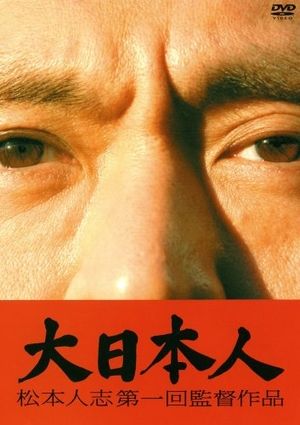
Source: www.amazon.co.jp
Japanese national (esp. one living in Japan)
This is Matsumoto's first feature film as a director, planned, directed, and starring Downtown's Hitoshi Matsumoto. The screenplay was co-written with Matsumoto's close friend and broadcaster, Mitsuyoshi Takasu. It was also Yoshimoto Kogyo's first foray into film production.
story
This film is a mockumentary that depicts the daily life and battles of a transforming hero played by Matsumoto in a documentary style. Rather than a special effects monster story, the main focus of the film is on the days and tribulations of an ordinary human being transformed into a giant and fighting, and the reactions of the people around him.
Dai Satou Masaru is a "Dainipponjin" who exterminates giant creatures called "Jyu" (beasts). His family has been in the business of exterminating the beasts that occasionally appear in Japan for generations, and he is the sixth generation of his family to do so. The film begins with the story of Osato's daily life as he exterminates the beasts while being closely interviewed by a TV station.
However, unlike in the past, the public's perception of the Dainipponjin has changed, and some even argue that they are unnecessary in today's well-equipped military. In his personal life, he is separated from his wife, has a problem with his successor, and has to take care of his grandfather (the fourth generation), who was once a hero.
Despite his predicament, Osato continues to exterminate beasts, but he is frightened by the overwhelming strength of a red beast that suddenly appears while he is exterminating the beasts, and he flees. The only thing that is known is that the beast, which has never been seen before, does not belong to Japan. A television broadcast showing Osato's escape ironically garnered high ratings. The director of the interview requested a rematch, but Osato was not keen on the idea. The public's antipathy to him continued to grow, and he found himself in a difficult position.
Evaluation of the work
This is the kind of crap that should be on TV.
As expected, for better or worse.
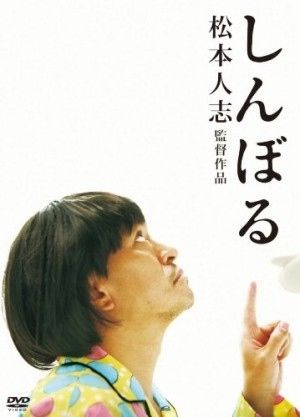
Source: vippers.jp
dwell deeply in (a cave, etc.)
This is the second film released by Hitoshi Matsumoto, two years after his first film "Dainipponjin" released in 2007. As in the previous film, Matsumoto planned, directed, and starred in this film, and the screenplay was co-written by Matsumoto and Mitsuyoshi Takasu.
Although "Dainipponjin" was made without considering the fact that it would be seen by foreigners, Matsumoto was perplexed when it was screened in the unofficial "Directors' Fortnight" at the 60th Cannes International Film Festival, but "Shinboru" was made with foreign audiences in mind from the beginning.
story
Escargo-Man" is a professional wrestler living in a Mexican town. His wife notices that her husband is acting differently than usual. Not only because his opponent that day was "Tequila Joe," who is younger and stronger than him, but also because she had a feeling that "something else" was about to happen.
At the same time, a mushroom-cut man (Matsumoto) in polka-dot pajamas wakes up to find himself locked in a room with white walls. He tries to escape from the room.
Evaluation of the work
Not up to the level of a movie.
You've got the surreal all wrong.

Related Articles
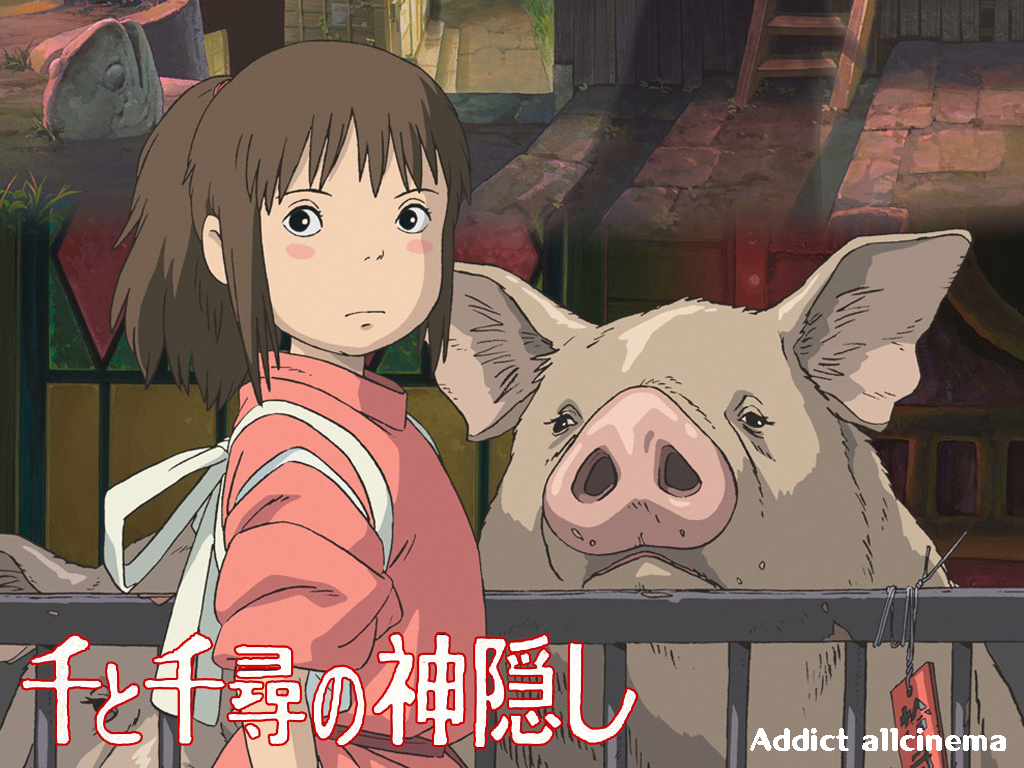
Spoiler commentary and discussion of Spirited Away (Ghibli film)
Spirited Away" is an animated feature film by Ghibli that was released in theaters in the summer of 2001. The film tells the story of a 10-year-old girl named Chihiro who wanders into the world of the gods. The film generated box-office revenues of over 30 billion yen and won an Academy Award in 2003. It is truly a masterpiece among masterpieces. It is such a masterpiece that it was voted by the BBC of the United Kingdom in 2016 as the fourth best film of the 21st century in their list of the 100 greatest films of the 21st century.
Read Article
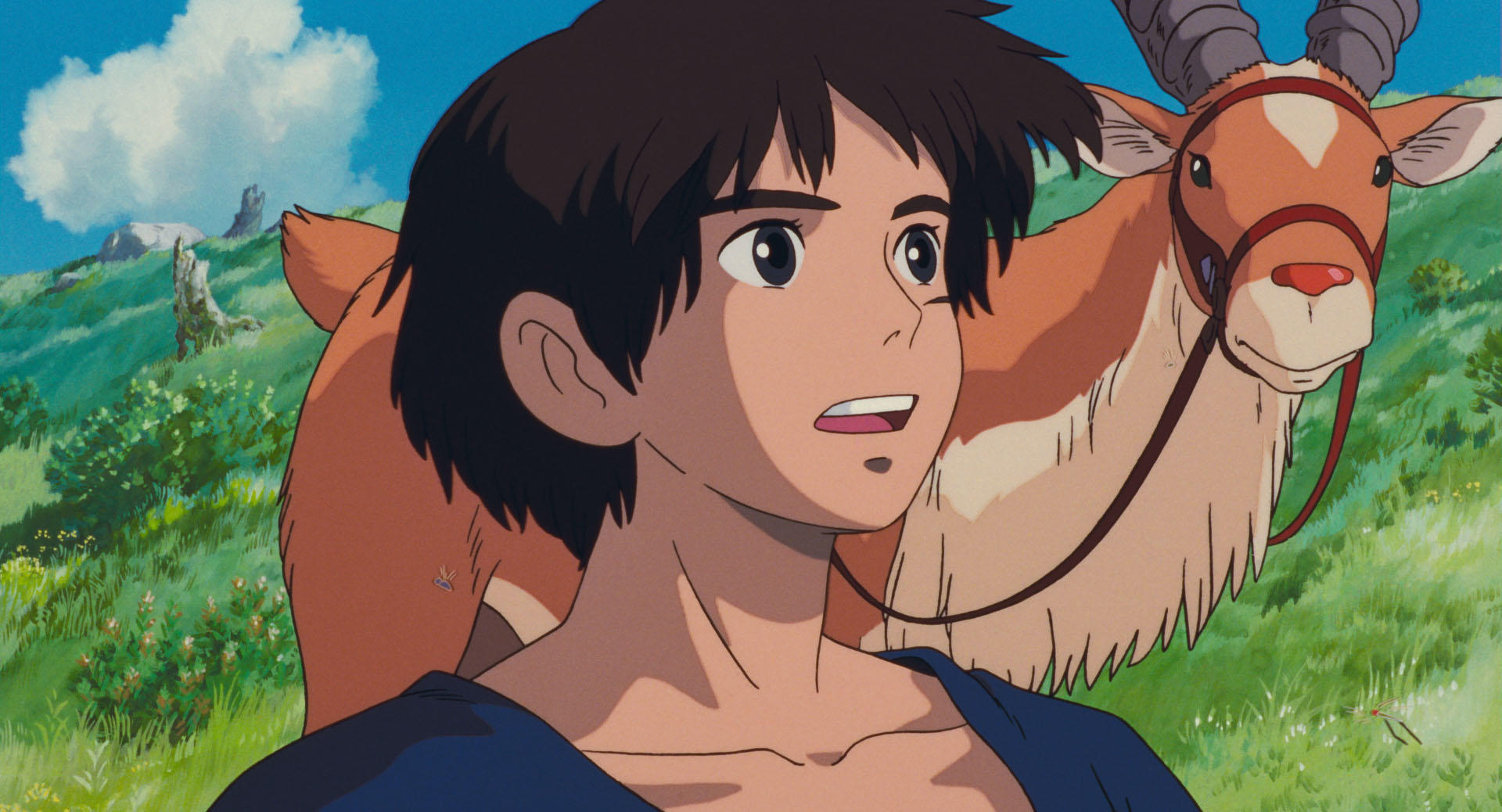
Ghibli Characters Ranked by Strength! A wide range of choices from forest fairies to gods!
This article presents a ranking of the strength of characters appearing in films produced by Studio Ghibli. In the article, we have selected characters from a wide range of genres, including Gyobu Oragami from "Heisei Raccoon War Ponpoko," Kaonashi from "Spirited Away," and "My Neighbor Totoro," so please be sure to check it out until the end.
Read Article
A compilation of couples from Studio Ghibli produced films! Pazoo & Sita, Howl & Sophie, and more!
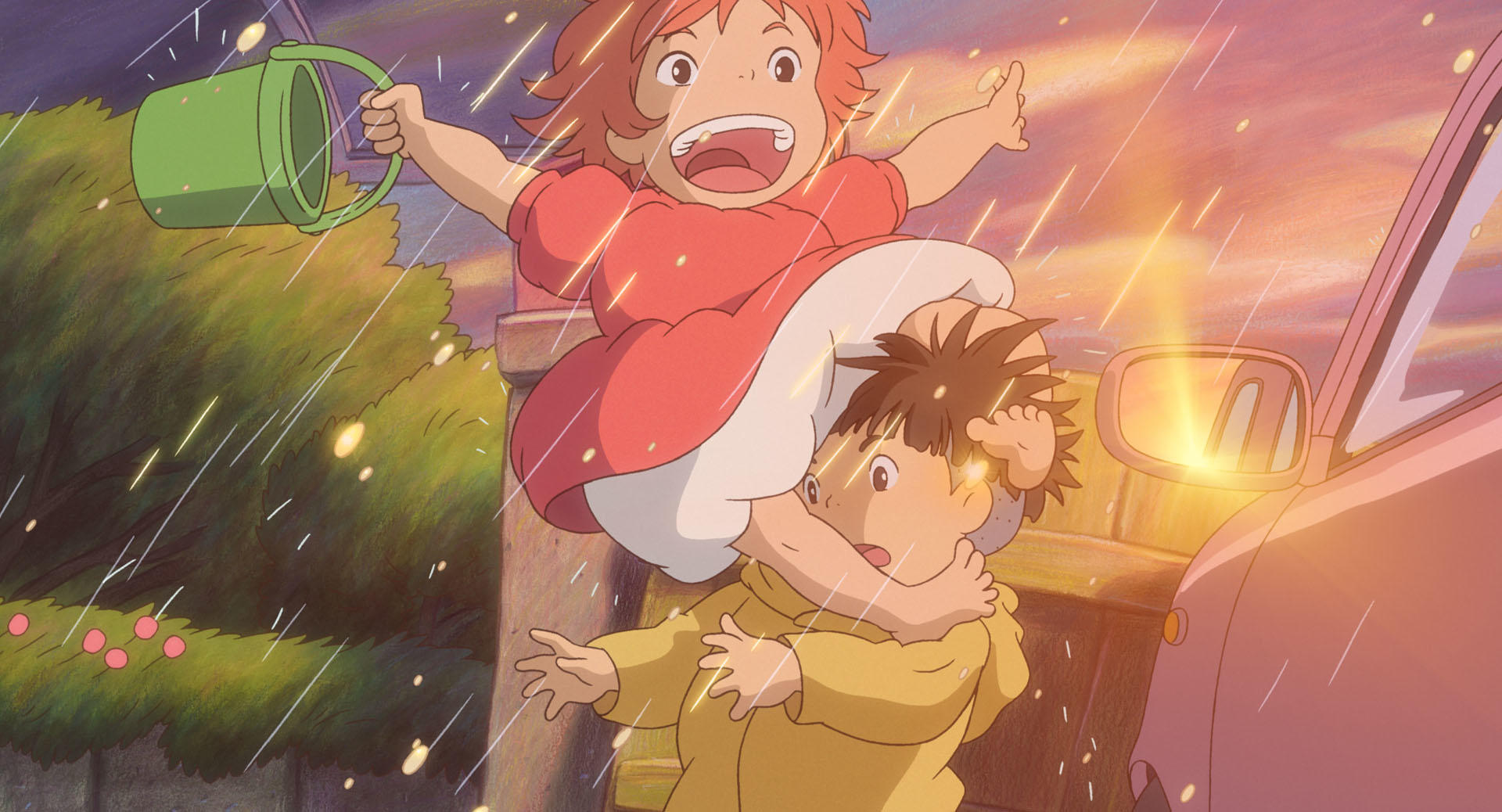
This article introduces a collection of couples who appear in films produced by Studio Ghibli. From the smiling couple Sosuke and Ponyo in "Ponyo on the Cliff" to the adult romance of Marco and Gina in "Red Pig," many love scenes are depicted in Ghibli films. The article also introduces brief characteristics of the main characters.
Read Article
A compilation of handsome characters from Ghibli movies! The circumstances they each have are fascinating!
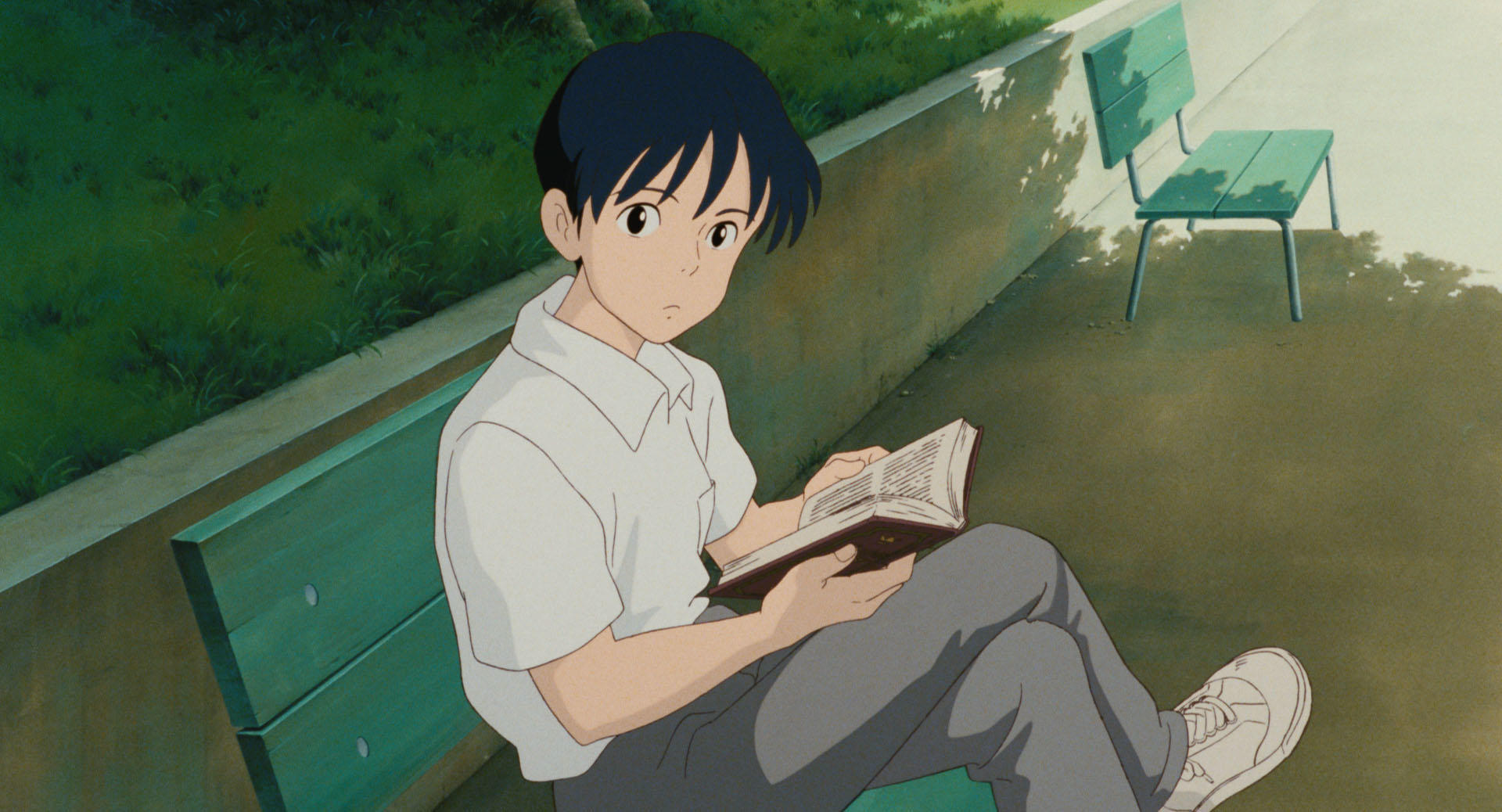
This article introduces a collection of handsome characters that have appeared in films produced by Studio Ghibli. Many attractive characters have appeared in Ghibli films, such as Haku from "Spirited Away," Pazoo from "Castle in the Sky," and Sho from "The Borrower Arrietty. Each of these characters has his or her own story, and this is what makes them so appealing. We hope you will find your favorite character.
Read Article
千と千尋の神隠しの名言・名セリフ/名シーン・名場面まとめ
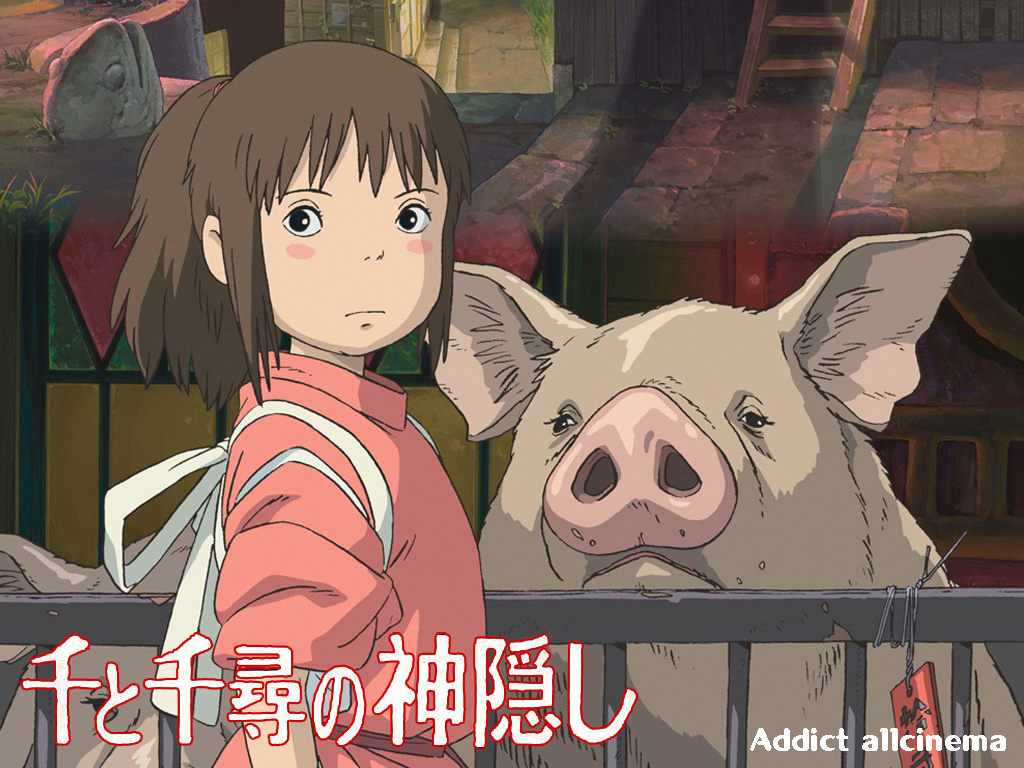
『千と千尋の神隠し』とは、2001年公開のスタジオジブリ制作の長編アニメーション作品である。原作・脚本・監督は宮崎駿。 10歳の少女・荻野千尋は、両親と共に引っ越し先に向かう途中で不思議な世界に迷い込んでしまう。両親を豚にされ、パニックになる千尋だったが、ハクという不思議な少年に助けられる。そして神々が客として集う湯屋で働くことになった千尋は、だんだんと成長していく。10歳の少女千尋が主人公であるため、わかりやすく、ストレートに心に響く名言が多数登場している。
Read Article
Was "Spirited Away" about the sex industry? Film Critic Tomohiro Machiyama's Thoughts and Opinions
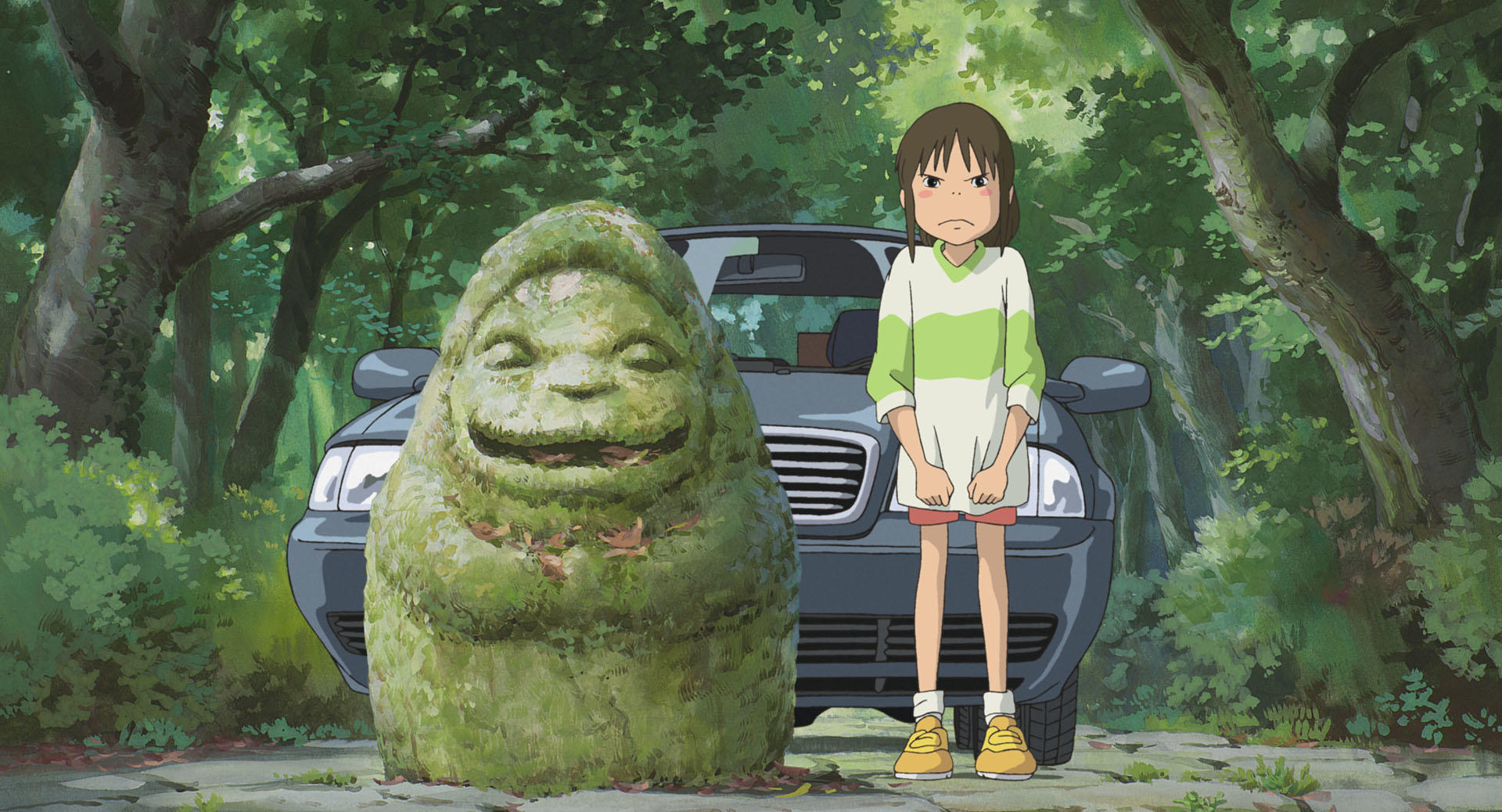
Ghibli's animated masterpiece "Spirited Away" was released in 2001. Here, we have compiled a collection of thoughts on the story, sharply pointed out by film critic Tomohiro Machiyama. Here we introduce Machiyama's shocking view that "a bathhouse is a place of sex industry," comments from Studio Ghibli in response, and reactions from overseas.
Read Article
Downtown's Gaki no Tsukasa de! (Gaki Tashi) Spoiler Commentary and Discussion Summary
Downtown no Gaki no Tsukasa ya Aahende! is a legendary comedy variety show that has been broadcast on Nippon Television since October 1989. The cast includes Downtown's Matsumoto Hitoshi, Hamada Masanori, Tsukitei Katamasa, Cocolico's Tanaka Naoki, and Endo Shozo. It is the second longest-running program in the Nittele series after "Laugh Spot. It started with Downtown's manzai (comic dialogue), but gradually developed into free talk and various famous programs such as the penalty game, the silent library, and "Do not laugh". Among the most famous programs, "Laughing is Not Allowed" has repeatedly ranked first in viewer ratings among commercial TV programs as a special program on New Year's Eve.
Read Article
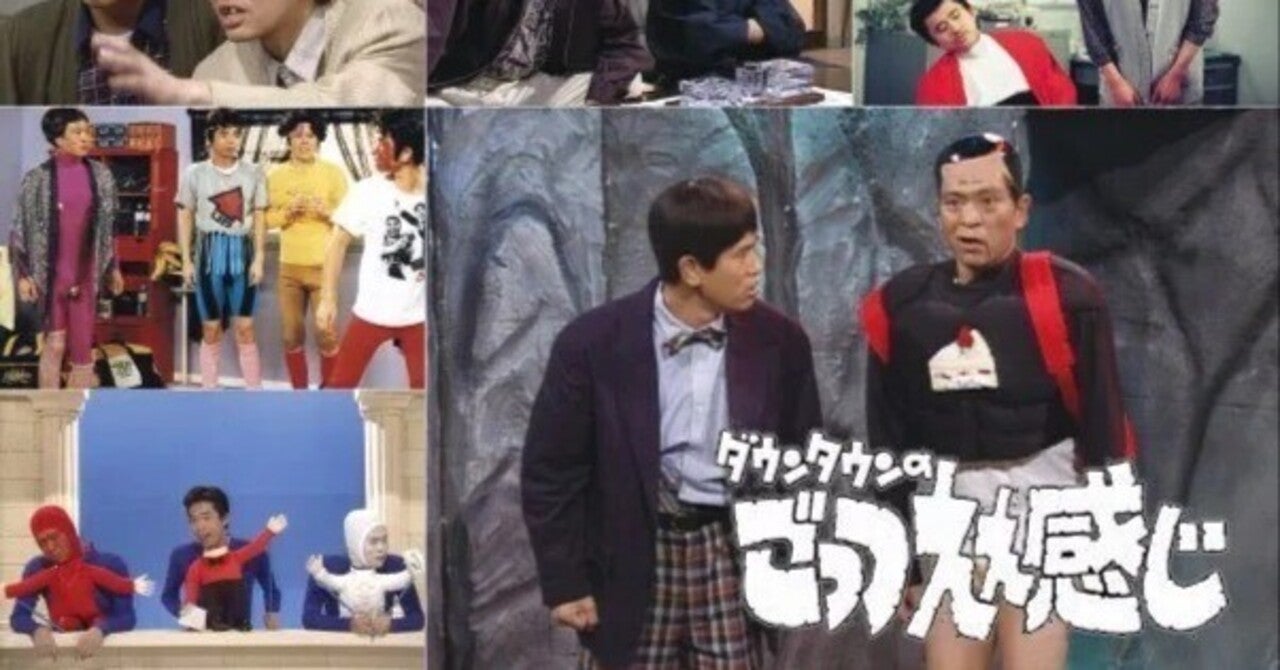
Downtown Gotta Go Spoiler Commentary and Discussion Summary
Downtown no Gottsu-eki" is a legendary comedy show that aired on Fuji Television Network. It is also known as "Gottsu. Downtown, Koji Imada, 130R, Koji Higashino, YOU, Ryoko Shinohara, Yayoi Nishibata, and others appeared on the show, which ran from 1991 to 1997 and produced numerous comedies, including "Gorenjai," "Big Brother," "Okan to Ma-kun," and "MR. BATER. It was also known for its frequent sexual harassment and violence, and for receiving a flood of complaints due to its many projects and other activities that might lead to bullying and discrimination.
Read Article

M-1グランプリのネタバレ解説・考察まとめ
『M-1グランプリ』とは、漫才師の日本一を決める大会のことを指す。2001年から2010年までは出場資格としてコンビ歴10年以下であったが、復活した2015年からはコンビ歴15年まで引き上げられた。歴代優勝者に中川家、ますだおかだ、フットボールアワー、アンタッチャブル、ブラックマヨネーズ、チュートリアル、サンドウィッチマン、NONSTYLE、パンクブーブー、笑い飯、トレンディエンジェル、銀シャリ、とろサーモン、霜降り明星、ミルクボーイ、マジカルラブリー、錦鯉、ウエストランド、令和ロマンがいる。
Read Article
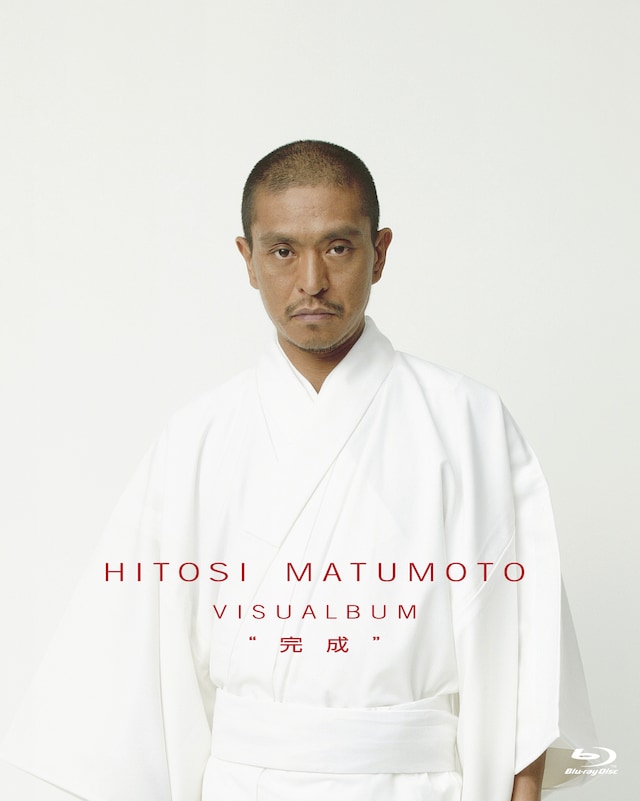
HITOSI MATUMOTO VISUALBUM Spoilers and Discussion Summary
HITOSI MATUMOTO VISUALBUM" is a video work planned and composed by the comedy duo Downtown Hitoshi Matsumoto. It consists of "System Kitchen," "Genkotsu," "Koga," "Miyako," "Mix," "ZURU ZURU," "Microfilm," "Moo," "Ikinari Diamond," "Gettaman," "At the Examination Room...," "Sushi," "Giant Murder," "The Moon Over the Castle," " Sonoko". These are the works of comedy that cannot be expressed on TV, and that Hitoshi Matsumoto put his heart and soul into.
Read Article
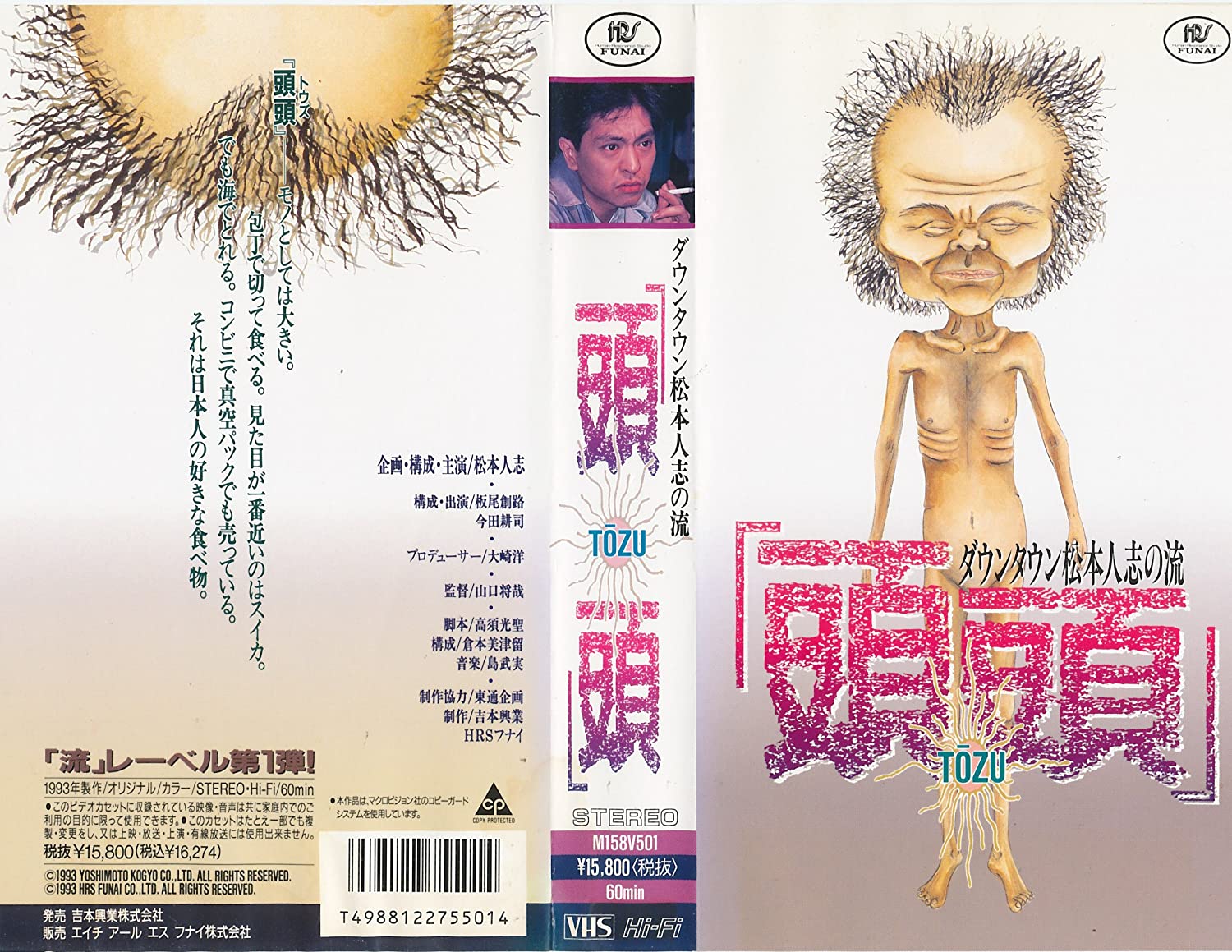
Downtown Hitoshi Matsumoto's Nagare Toutou (TOZU TOUZU) Spoiler Commentary and Discussion Summary
Downtown Matsumoto Hitoshi no Nagare Toutou" is a 1993 video work by comedian Downtown Hitoshi Matsumoto. A man played by Hitoshi Matsumoto at a small town factory had a problem. His father, who lives with him, has dementia and is causing trouble for the family. Eventually, he consults with his father about sending him to a nursing home. It was an ordinary family scene, but they had one extraordinary experience. It was eating a food called "Tou-tou. This film takes a close-up look at "Toutou".
Read Article
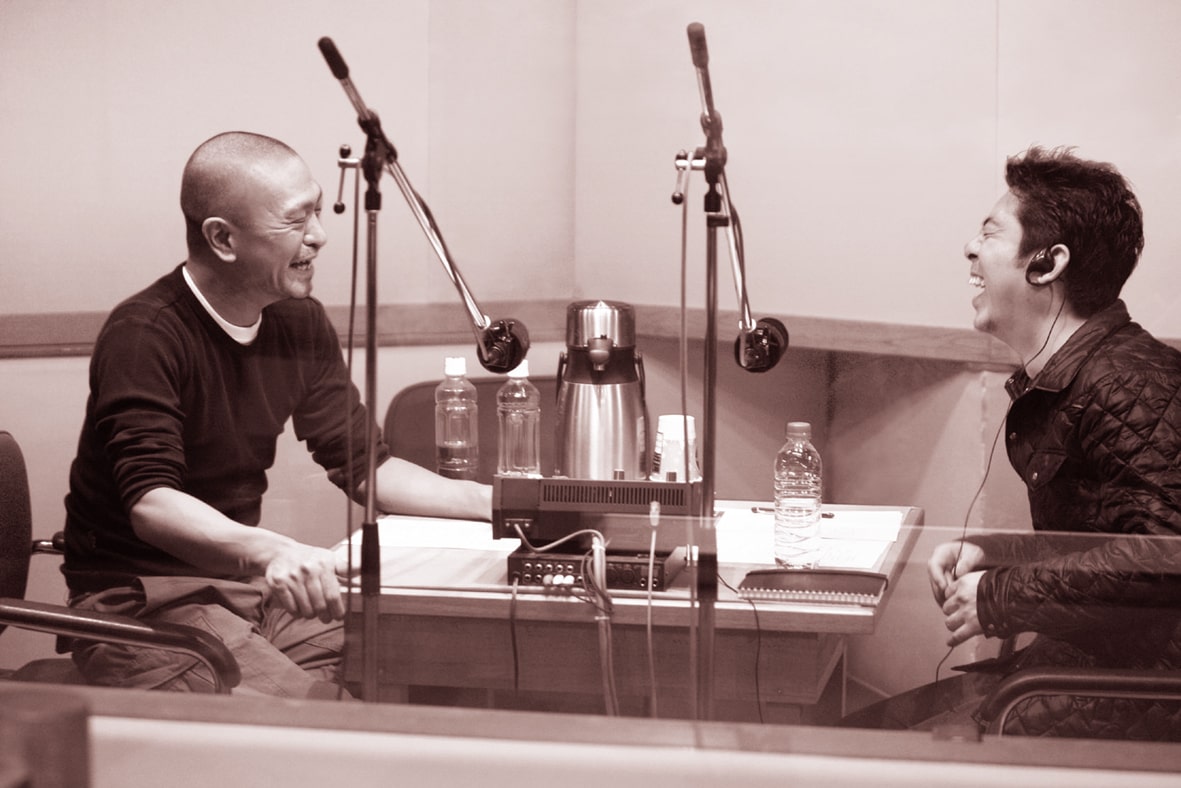
Spoiler commentary and discussion of Matsumoto Hitoshi's Broadcast Room (Radio)
The "Hitoshi Matsumoto's Broadcast Room" was a radio program by Downtown's Hitoshi Matsumoto and broadcaster Mitsuyoshi Takasu that ran from 1:30 a.m. on October 4, 2001, until the 391st episode on March 28, 2009. In addition to comedy fans, the show attracted attention from other comedians in the industry. He also named the program "Broadcasting Room" because he was a member of the broadcasting club in junior high school. Many projects were created from "Hitoshi Matsumoto's Broadcasting Room. The program allows viewers to enjoy the true personality of Matsumoto Hitoshi, which he does not show on TV, such as his greeting blurbs at the beginning of the show, the Capricciosa Cup, and the Mengjaku (masked sparrow).
Read Article
Spoiler commentary and discussion of Downtown's Gottsu-eki (Gottsu)
No mention of "Downtown's legendary program" would be complete without mentioning "Gotttsu-eki," a variety show that aired from December 1991 to November 1997, and if you didn't watch it, you were left out of the Monday conversation at school. For those who spent their youth in the 90s, it was an unforgettable impact.
Read Article
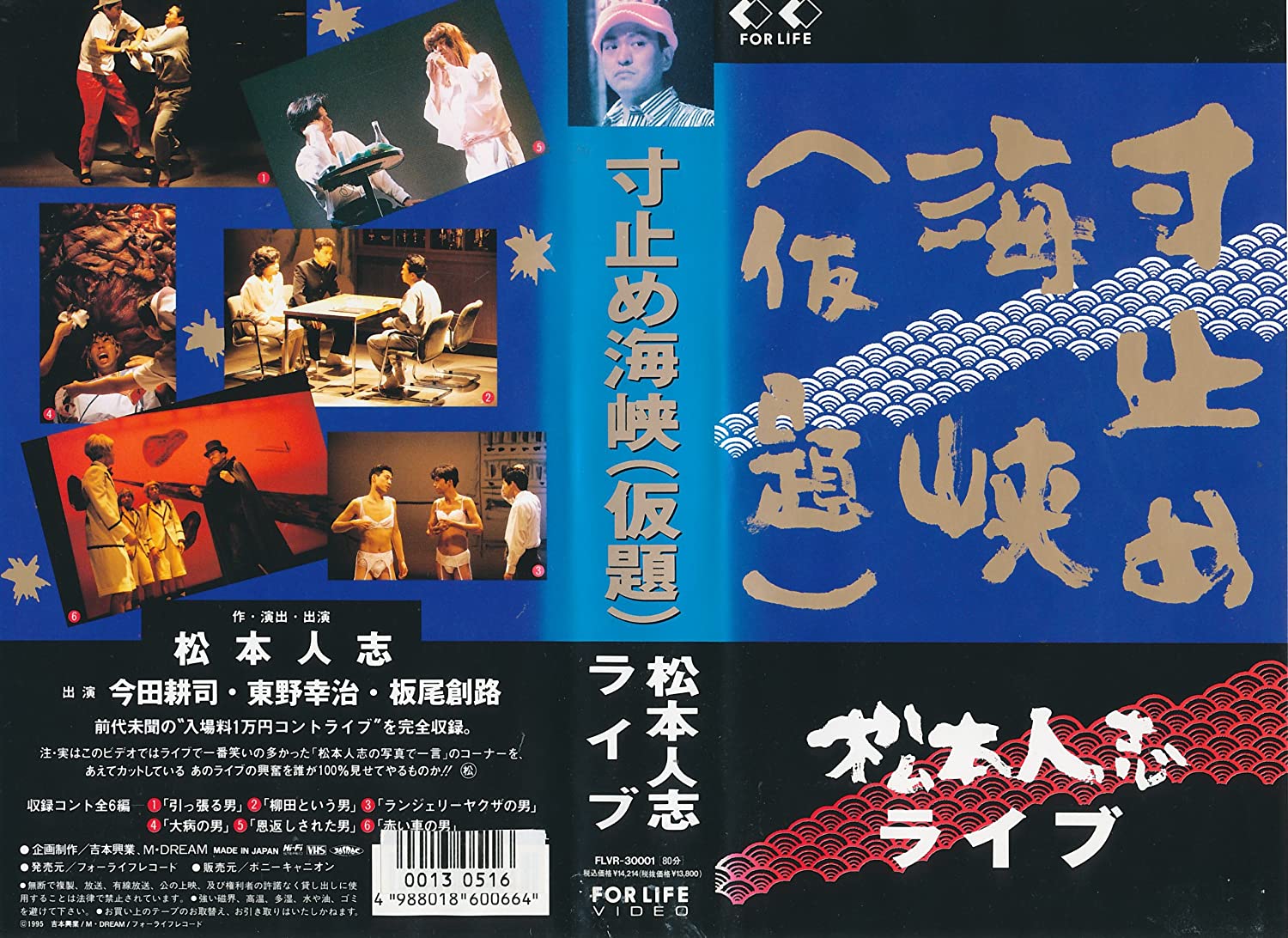
Spoiler commentary and discussion summary of "Boundary Straits (tentative title)".
The "Sunkyo Kaikyo (tentative title)" was a live concert held in 1994 with an admission fee of 10,000 yen. In addition to Matsumoto Hitoshi, the cast included Imada Koji, Higashino Koji, and Itao Itsuji. The content consisted of a series of 00-o series: "The Man Who Pulls," "A Man Called Yanagida," "A Lingerie Yakuza Man," "A Man with a Serious Illness," "A Man Who Was Given Back," and "A Man in a Red Car." It is the work of Matsumoto Hitoshi, who rarely does contrivances, with all his might.
Read Article

Summary of spoiler commentary and discussion of Matsushin (Matsumoto Shinsuke)
Matsushin (松本紳助) is a program by Shimada Shinsuke and Downtown's Matsumoto Hitoshi that aired on Nippon Television from 2000 to 2006. The show is basically a talk show between the two specialists in the art of storytelling in a coffee shop-like studio. The audience can hear about each other's comedic theories, love life, hobbies, etc. The program also includes "Mere Old Man," a project to introduce touching stories. The program also includes "fairy tales," a project to introduce touching stories, and "first location," in which Matsumoto and Shinsuke go on location together! Yaen Squid Fishing" in which Matsumoto and Shinsuke go on location together.
Read Article
Spoilers and discussion of Wednesday's Downtown (Wednesday Downtown)
WEDNESDAY DOWNTOWN is a variety show on TBS that began airing on April 23, 2014. It is a program in which celebrities present and verify various "theories" that are popular in the world in order to prove them. The verification part is a VTR, which the panelists in the studio watch and talk about. Although it is Downtown's crown program, Masanori Hamada is the facilitator and Hitoshi Matsumoto is a panelist.
Read Article
Spoiler commentary and discussion of Matsumoto Hitoshi's Contrast MHK
Matsumoto Hitoshi's Kontro MHK" is a program in which Downtown's Matsumoto Hitoshi performs a Kontro on NHK. This is the first time in 10 years that Matsumoto has created a TV skit. The splendid guest members included Koji Imada, Koji Higashino, Itao Itsuji, Yuichi Kimura, and Masanori Hamada. The industry and the TV audience were extremely interested in what kind of content would be shown on NHK for this new new comedy by Hitoshi Matsumoto, a comedian who is now married and has a child.
Read Article
In-depth summary of DOWNTOWN
Downtown (DOWNTOWN) is a comedy duo consisting of Masanori Hamada and Hitoshi Matsumoto. They formed in 1982 when they entered NSC, a talent training school. They belong to Yoshimoto Creative Agency (Yoshimoto Kogyo). In addition to their numerous television programs, they are also active as solo comedians in a wide range of fields, including host, actor, singer, voice actor, and author, each of whom is a representative comedian in Japan. Along with Tunnels and Uccchan Nanchan, he is one of the representatives of the third generation of comedians.
Read Article
Catch Copy Summary of Ghibli Works by Shigesato Itoi, Toshio Suzuki, and Masaya Tokuyama [The Witch's Delivery Service].
We have compiled a list of famous catchphrases from Ghibli films by Shigesato Itoi, Toshio Suzuki, and Masaya Tokuyama. The Witch's Delivery Service" and "The Wind Rises". and "I must live" from "The Wind Rises. and "I have to live" from "The Wind Rises. Here we introduce their brief biographies and the works for which they were in charge of catchphrases.
Read Article
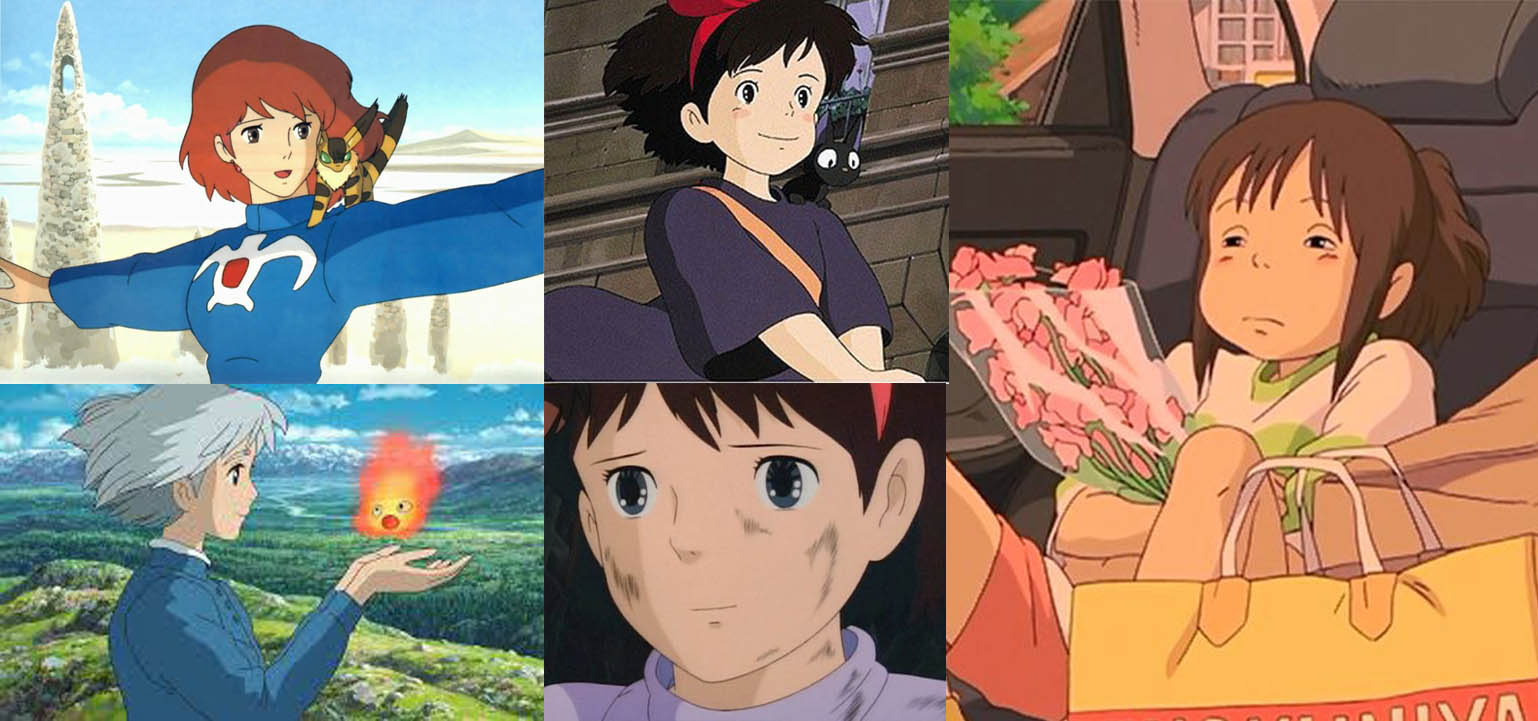
Summary of Ghibli's past heroines
Ghibli's historical heroines are the female characters who appear in Ghibli films such as "Nausicaa of the Valley of the Wind" and "Laputa: Castle in the Sky. Ghibli heroines often appear as protagonists, and their presence is often admired by fans. Although mainly teenage girls play an active role, there are also young girls such as Ponyo and Mei, and adult women such as Madame Gina, who also make up the cast of the films.
Read Article
![Studio Ghibli] Ehh... Too Scary to be Quicksilver... A compilation of the Scariest Ghibli Urban Legends.](https://renote.net/files/blobs/proxy/eyJfcmFpbHMiOnsiZGF0YSI6ODY4OTEzMywicHVyIjoiYmxvYl9pZCJ9fQ==--14548f541bdc1bbadea476760f449082caa71346/61Ia+bUCNGL.jpg)
Studio Ghibli] Ehh... Too Scary to be Quicksilver... A compilation of the Scariest Ghibli Urban Legends.
Ghibli" films have various charms, such as cute characters, adventure stories, and nostalgia. However, behind the popularity of these works, there are also a wide variety of urban legends and rumors about them. This section introduces a collection of rumors and scary urban legends about Ghibli's works.
Read Article
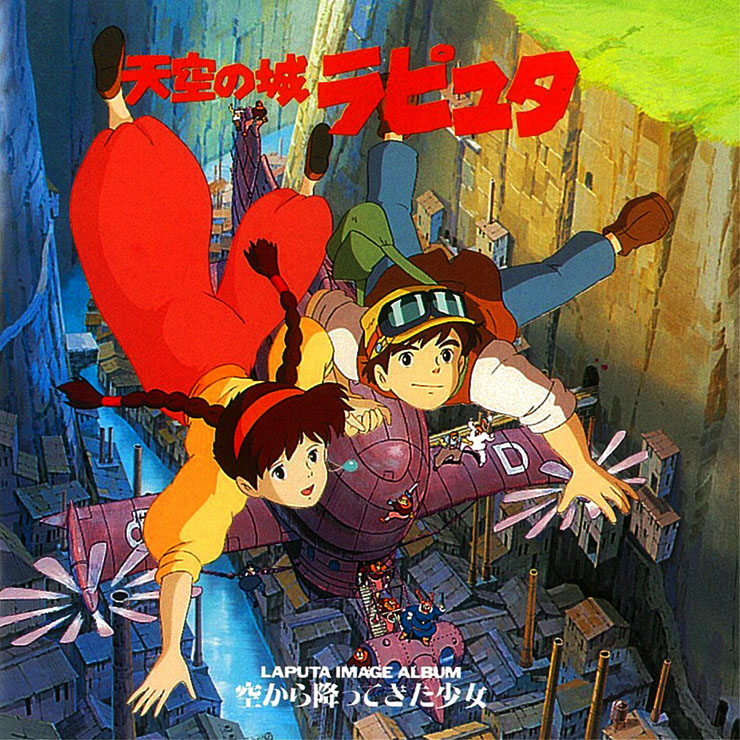
Castle in the Sky (Ghibli Movie) Spoiler Commentary and Discussion Summary
Released in 1986, this is a Studio Ghibli film. Hayao Miyazaki directed, wrote the script, and wrote the original story for this feature-length animation. Sita has a mysterious stone called the Flying Stone, and a boy named Pazoo rescues her. Dreaming of discovering Laputa, an island supposedly floating in the sky, Pazoo, who has been building an airplane, proposes to search for Laputa with Sita. Then, aerial pirates, government forces, and others intervene, aiming for the flying stone and Laputa. The fact that it is not just an adventure adventure drama has made it popular even after several decades.
Read Article
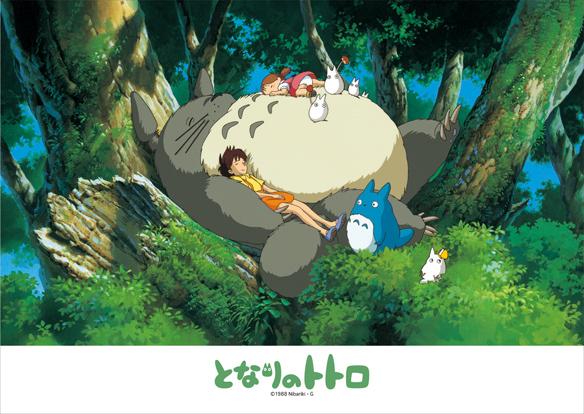
My Neighbor Totoro (Ghibli Movie) Spoilers and Discussion Summary
Released in 1988. In the 1950s, sisters Satsuki Kusakabe and Mei Kusakabe move to a lush green farm village and meet Totoro, a strange creature. Including a cat bus, this film depicts their interactions with these people, whom they only see as children, and a bit of growing up. It is also a film with refreshing depictions of nature and many dark urban legends to contradict it. An animated film written and directed by Hayao Miyazaki.
Read Article
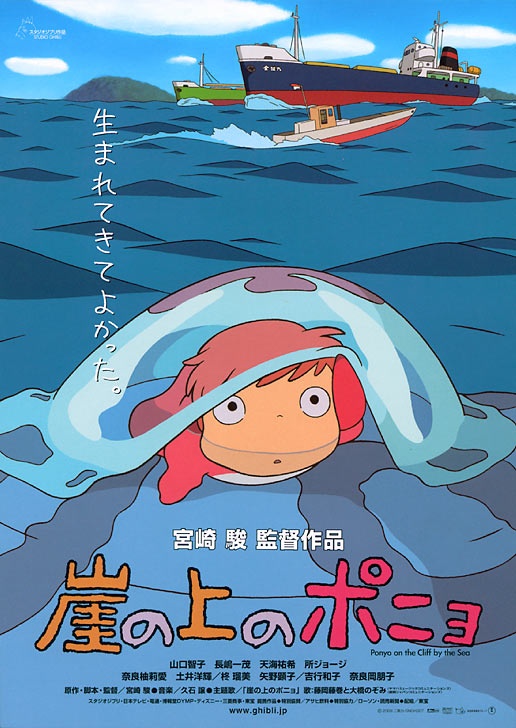
Ponyo on the Cliff (Ghibli film) Spoiler Commentary and Discussion Summary
Ponyo on the Cliff" is an animated feature film directed by Hayao Miyazaki and produced by Studio Ghibli and released in 2008. The ending theme song "Ponyo on the Cliff," sung by Fujioka Fujimaki and Nozomi Ohashi, became a hot topic, reaching No. 3 on the Oricon weekly chart. Sosuke, a five-year-old boy who lives in a house on a cliff, meets a fish girl named Ponyo in the sea. Ponyo falls in love with Sosuke and tries to become human.
Read Article
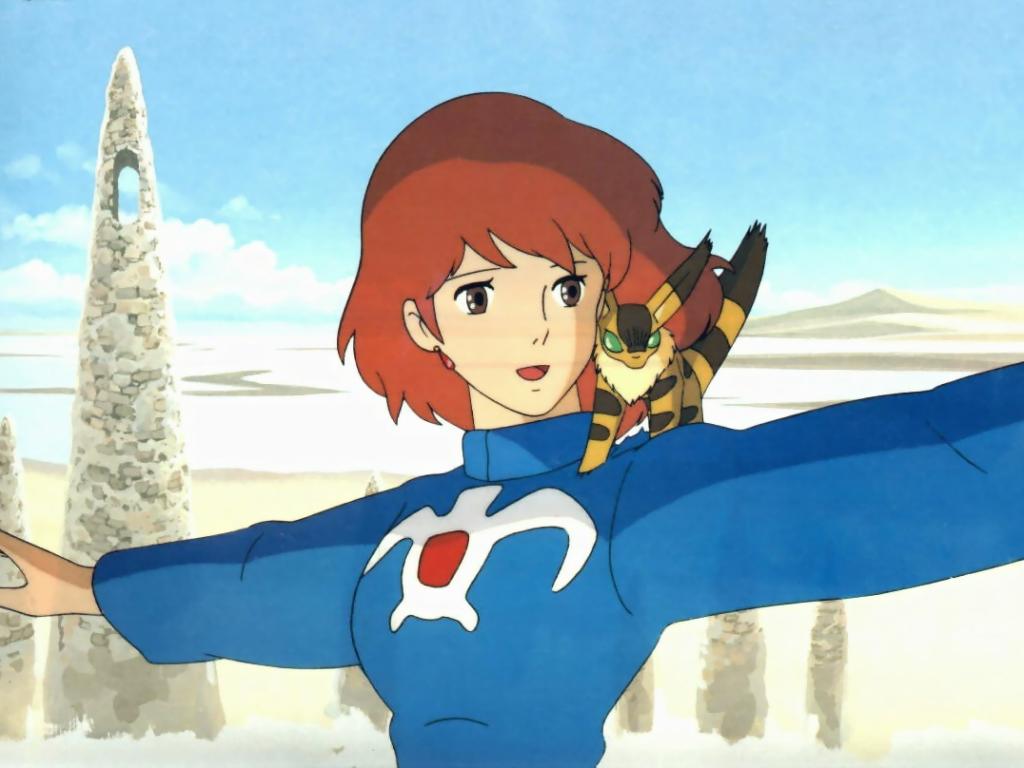
Spoiler commentary and discussion of Nausicaa of the Valley of the Wind (Ghibli film).
Nausicaä of the Valley of the Wind" is a 1984 Top Craft-produced Japanese animated film and the second animated feature film directed by Hayao Miyazaki. It is based on Miyazaki's manga of the same title, "Nausicaä of the Valley of the Wind," which was serialized in "Animage. In the far distant future, modern civilization has collapsed and the world is covered by a fungus forest called the "Sea of Decay. The film depicts the life of a young girl who survives in the remote "Valley of the Wind".
Read Article
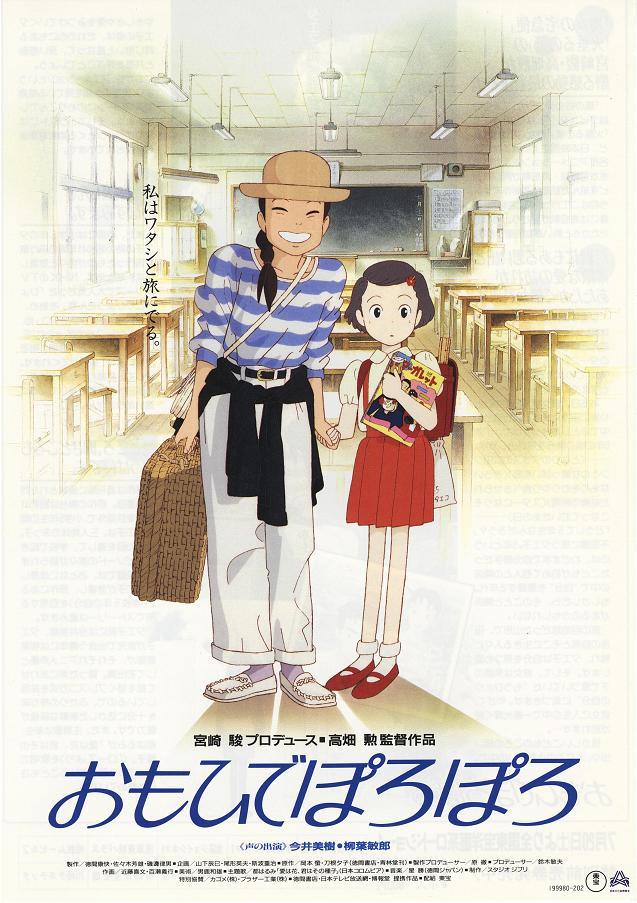
Omohide Poroporo (Ghibli Movie) Spoiler Commentary and Discussion Summary
A Studio Ghibli film released in 1991. Directed and written by Isao Takahata. Hayao Miyazaki also participated as a production producer. The film tells the story of a 27-year-old me who sets out on a journey alone, and looks back on my life up to that point with "Watashi, a fifth grader. The participation of Imai Miki and Yanagiba Toshiro as voice actors was also a hot topic at the time of the screening. The catch copy of the film is "I'm going on a journey with Watashi.
Read Article
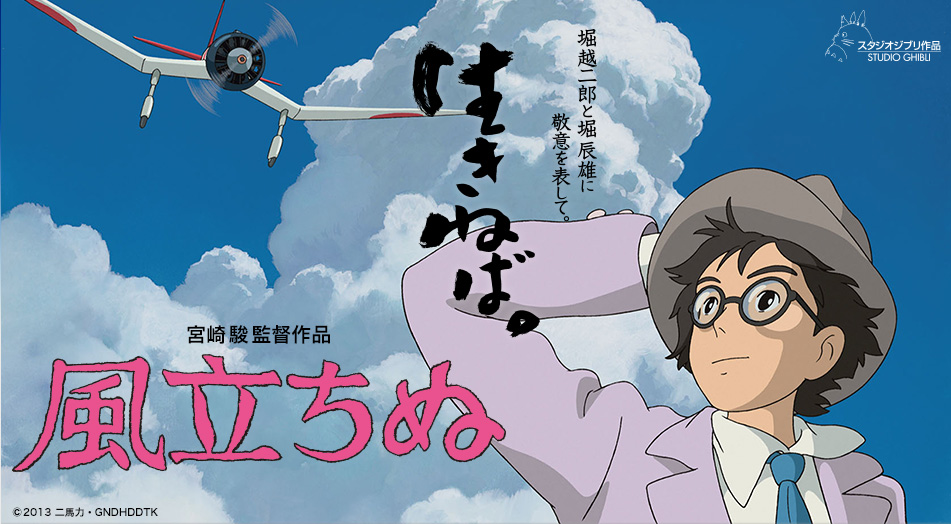
Spoiler commentary and discussion of The Wind Rises (Ghibli film).
The Wind Rises" is an animated film released by Studio Ghibli in 2013 and directed by Hayao Miyazaki. Its catchphrase is "I must live." . The main character, Jiro Horikoshi, has loved airplanes since he was a child and wanted to become an airplane pilot. However, due to a critical defect, namely his nearsightedness, he gave up his dream of becoming an airplane pilot and decided to become a designer. When he was a university student, he was struck by the Great Kanto Earthquake and fell in love with Nahoko Satomi, a girl with tuberculosis whom he met at that time. The film is a moving portrayal of a young man struggling between life and death as the Taisho and Showa eras pass by.
Read Article
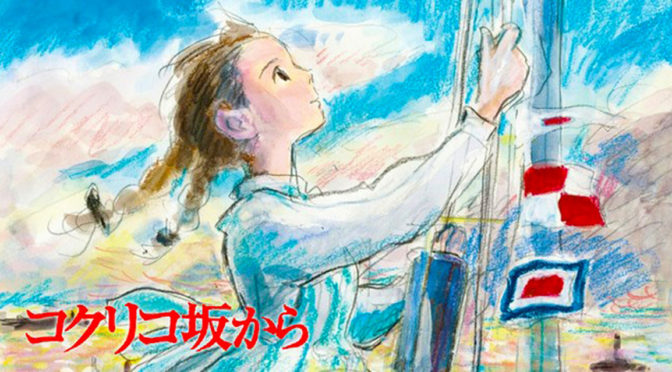
Spoiler commentary and discussion of From Up On Poppy Hill (Ghibli film).
From Up On Poppy Hill" is an animated film by Studio Ghibli released in 2011. The director is Goro Miyazaki, and the catchphrase is "Ue wo muite arukou." The film is based on the story of a high school student, Mel. Every morning, a second-year student at Konan Gakuen High School, Umi Matsuzaki, aka Mel, flies a flag in the garden. It was a signal flag for her father, who had gone off to war and never returned. One day, she noticed that she was featured in the school newspaper, "Weekly Carceratan," as the girl who flies the flag. It was an article written by Shun Kazama, a junior at the same high school. Mel begins to pay attention to Shun because of this article and gradually becomes attracted to him.
Read Article
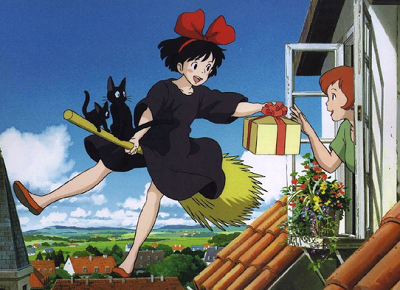
Spoiler commentary and discussion of The Witch's Delivery Service (The Witch's Home)
The Witch's Delivery Service" is an animated film produced by Studio Ghibli and released in 1989. Kiki, a 13-year-old witch, leaves her home town on a full-moon night and arrives in Koriko, a town across the sea. There, she opens "The Witch's Delivery Service" and experiences setbacks and grows up. Based on Eiko Kakuno's "The Witch's Delivery Service," the film features less fantasy than the original.
Read Article
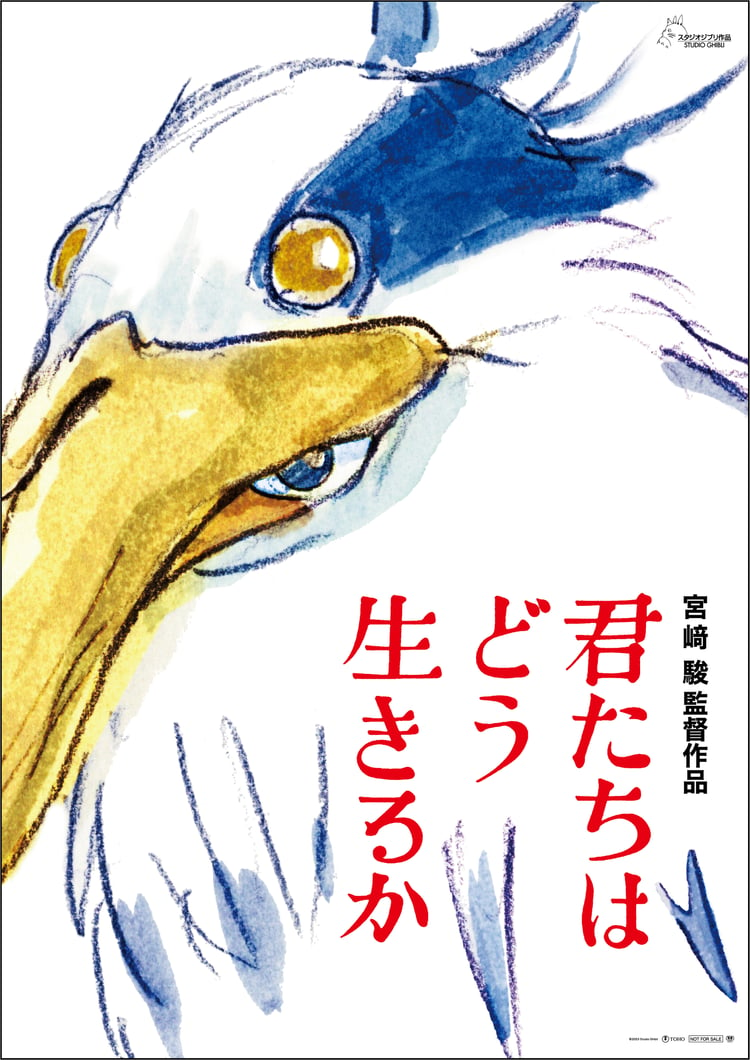
Spoiler commentary and discussion of How Do You Live (Ghibli movie)
How Do You Live?" is an animation film by Hayao Miyazaki about a boy who travels through a mysterious world to save his mother-in-law. The film, which Miyazaki made explicitly stating that "this is really the last one," became the talk of the town for its unique technique of being released with no publicity, no official website, and no information at all. As the Pacific War intensifies, Masato Maki and his father move to the suburbs, where he is reunited with his aunt Natsuko, who is to become his new mother-in-law. While the two are at a loss as to how to interact with each other, Natsuko disappears into thin air, and Maki is led on a journey to another world by a mysterious blue heron in order to bring her back.
Read Article
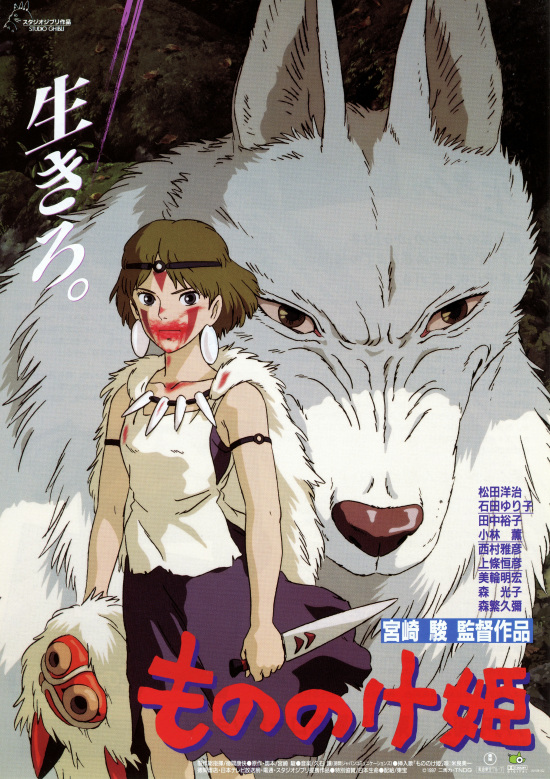
Princess Mononoke (Ghibli Movie) Spoiler Commentary and Discussion Summary
Princess Mononoke" is an animated feature film written by Hayao Miyazaki and Studio Ghibli. The film was released nationwide on July 12, 1997, with some movie theaters holding long-run screenings until early spring 1998, The film grossed 19.3 billion yen, making it the highest-grossing Japanese film of the 20th century. The film depicts the encounter between a human named Ashitaka and San, who was raised by a monster, and is an epic depiction of the conflict between man and nature.
Read Article
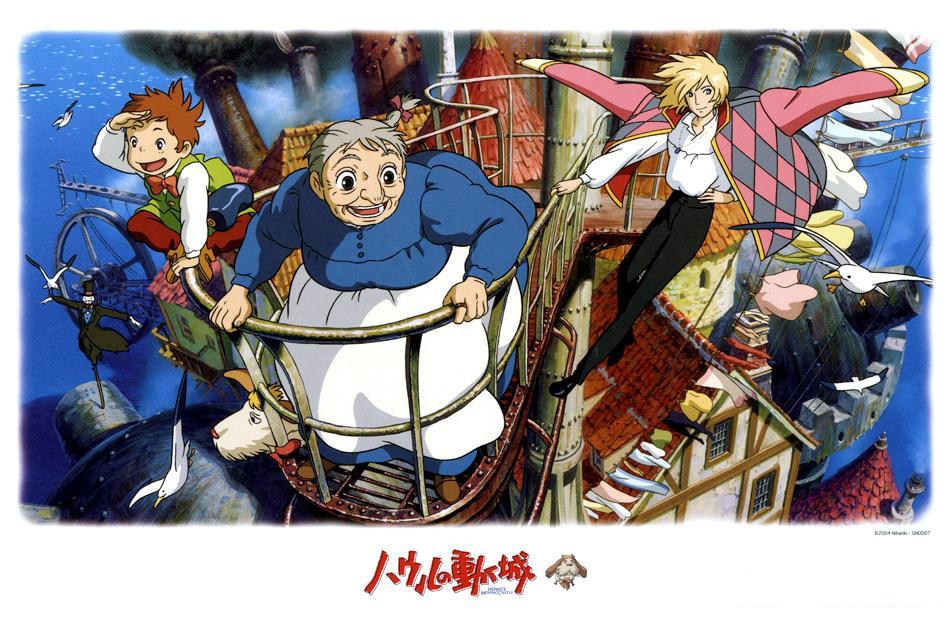
Howl's Moving Castle (Ghibli Movie) Spoiler Commentary and Discussion Summary
Howl's Moving Castle" is a Japanese animated feature film directed by Hayao Miyazaki and produced by Studio Ghibli, which was released nationwide on November 20, 2004, grossing 19.6 billion yen at the box office. It surpassed "Princess Mononoke" and became the second largest animated film produced by Studio Ghibli after "Spirited Away". The story takes place in a fictional world where magic and machines coexist. It depicts the warlike love between Sophie, a girl who was turned into an old woman by a curse, and Howl, a wizard.
Read Article
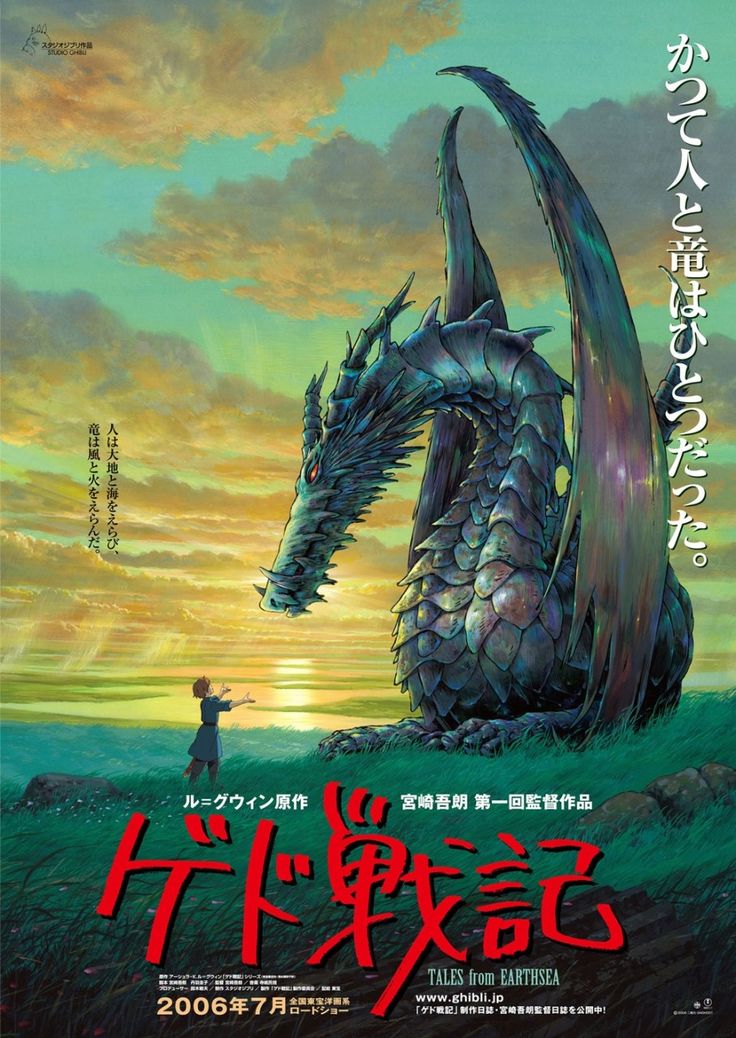
Spoiler commentary and discussion of Gedo Senki (Ghibli movie).
Released in 2006, this is a Studio Ghibli film and the first animated feature film directed by Goro Miyazaki, the son of Hayao Miyazaki. Prince Allen, who has abandoned his country and set out on a journey, and Teru, a girl with a burned face whom he meets on his journey. As the two travel, they come to understand each other better while confronting their own painful pasts. This work brings various ways of thinking about the message and the way they walk into each other's hearts and grow together.
Read Article
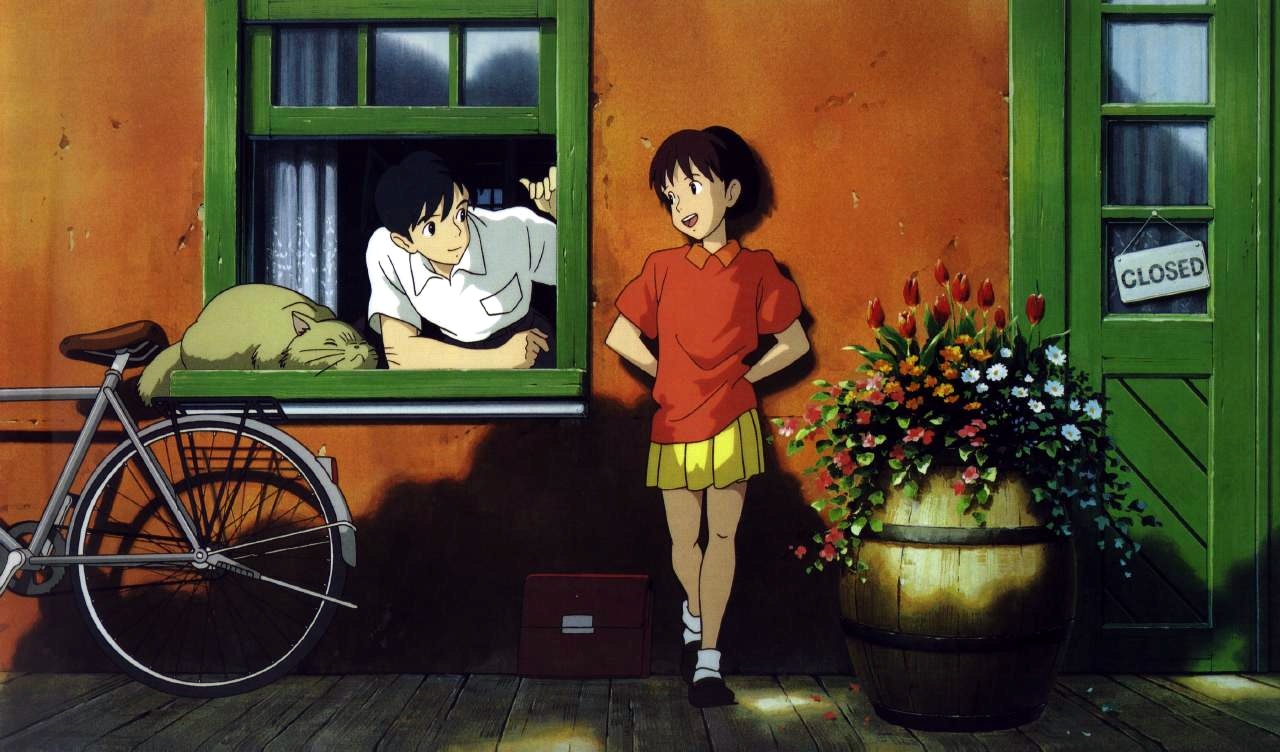
Summary of spoiler commentary and discussion of "Mimi wo susumeba" (ear-splitting)
Mimi wo Sumeba" is a Ghibli film released in 1995. The original author is Aoi Hiiragi. This is the first and last film directed by Yoshifumi Kondo, who supported Ghibli's films with his drawings, and Hayao Miyazaki was in charge of the script and storyboards. The story centers on the main character "Tsukishima Shizuku" and depicts her love, dreams, and worries. It is a sweet and sour coming-of-age story that everyone has experienced at least once, and it remains a popular work.
Read Article
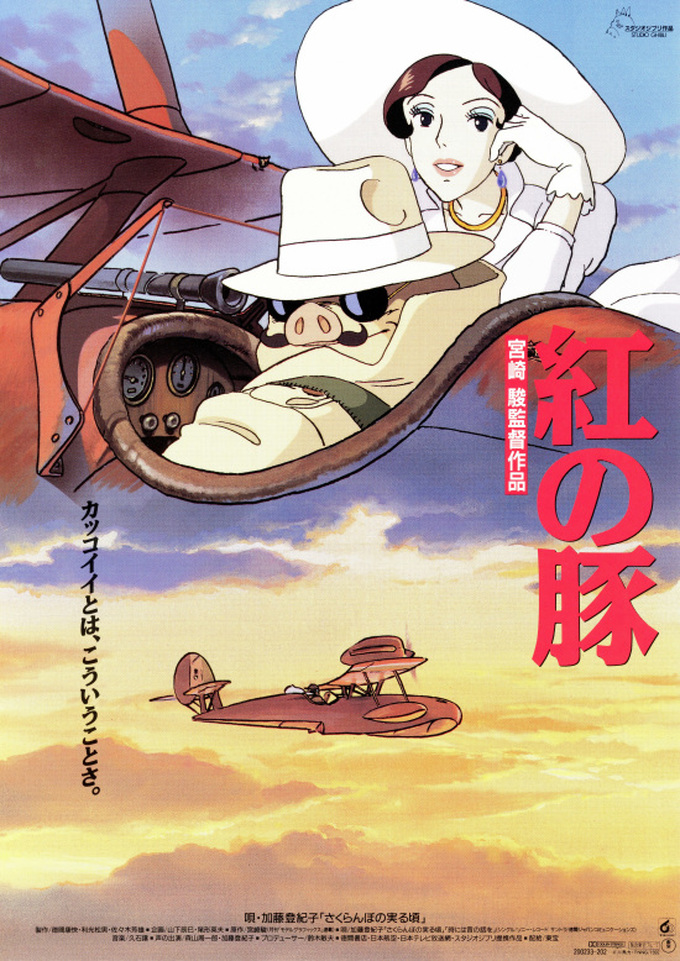
Red Pig (Ghibli Movie) Spoilers and Discussion Summary
Red Pig" is a Japanese animated feature film produced by Studio Ghibli and directed by Hayao Miyazaki, which was released in theaters on July 18, 1992. It is set in the Adriatic Sea in Italy, which is shaken by the Great Depression. Marco, an Italian who has enchanted himself into the form of a pig, uses the alias "Porco Rosso" and engages in aerial combat as a bounty hunter against air pirates who use flying boats.
Read Article
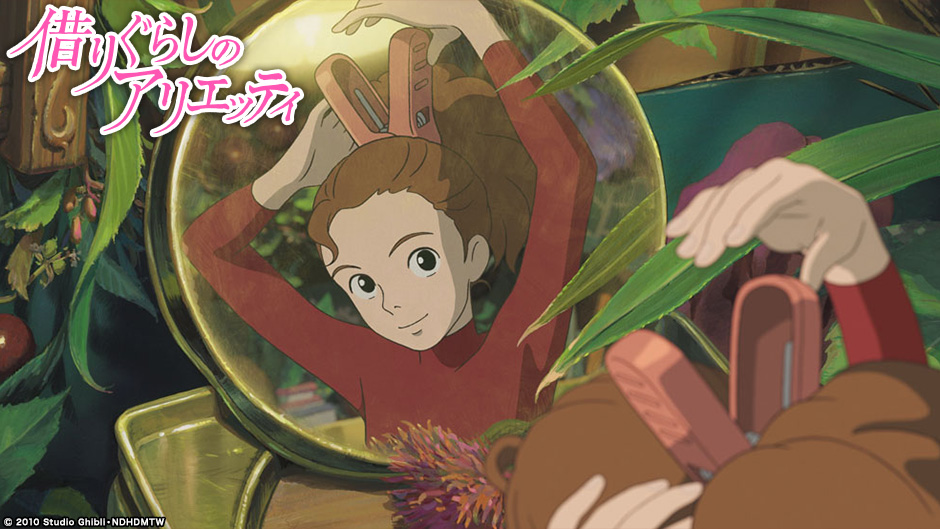
Spoiler alerts and discussion of The Borrower Arrietty (Ghibli film).
The Borrower Arrietty" is an animated film produced by Studio Ghibli and directed by Hiromasa Yonebayashi, based on the book "The Little People Under the Floor" by Mary Norton. The film won the Japan Academy Award for Best Animated Film in 2011 with a final box-office revenue of 9.25 billion yen. The very beautiful visuals went well with the music in the film, and made the viewers engrossed in watching it. The film depicts how a dwarf, who must not be seen by humans, hides and lives in a human house while borrowing things, and the friendship and bond between the dwarf, Arrietty, and the boy, Sho, that is built in a short time.
Read Article