
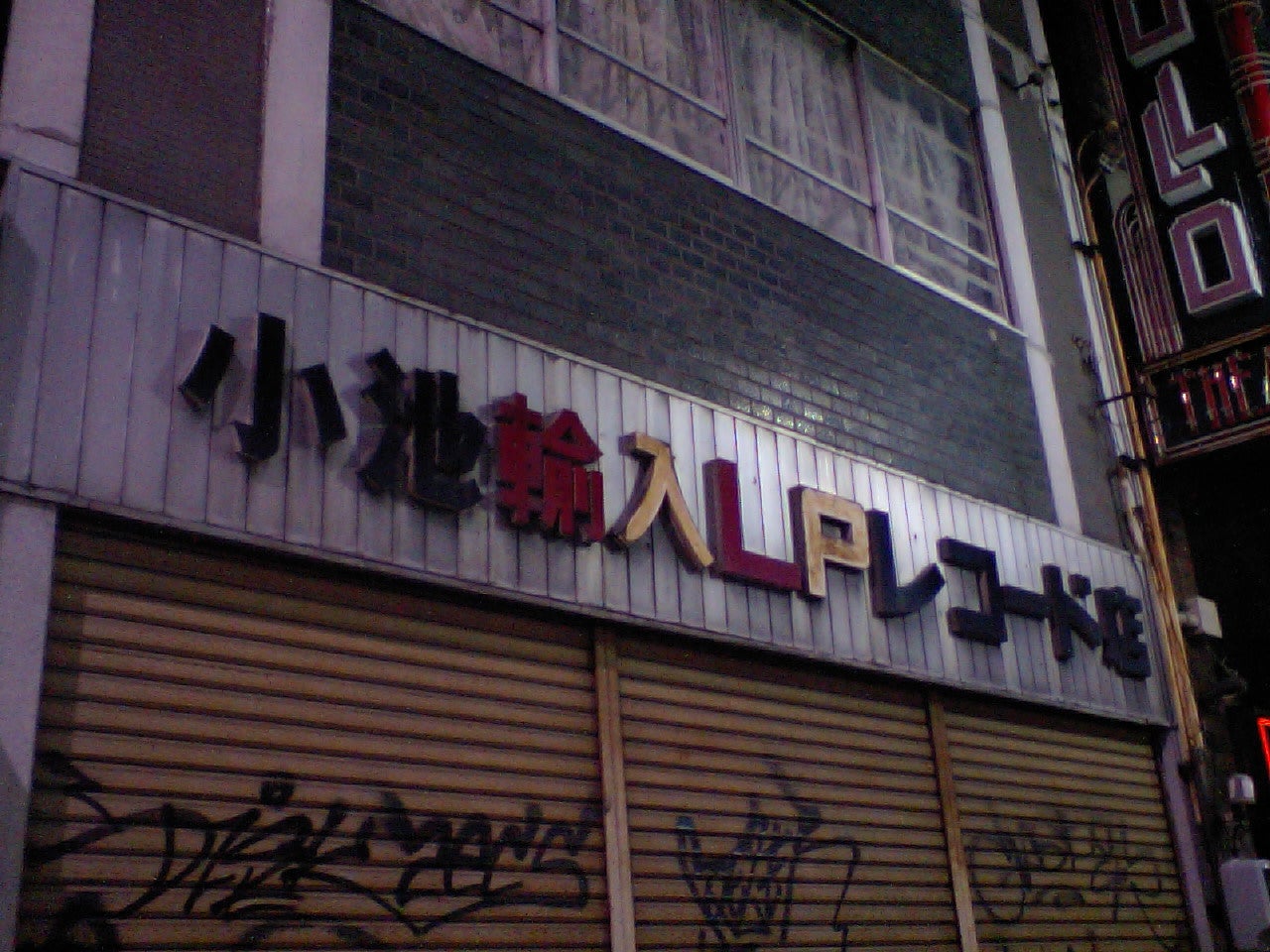
This is a summary of the legendary Koike Import LP Record Store that once existed in Nagoya. The store dealt mainly in imported classical records, and its motto was to sell records with good sound quality even if they were expensive. It was also famous for not being able to sell records unless the owner liked them. Here we introduce the famous owner and many anecdotes about the store.
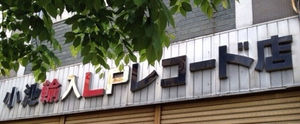
Source: nishiyamakoichi.com
Koike Import LP Record Store
A legendary record store that once existed in Nagoya.
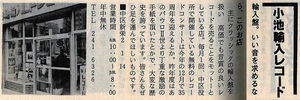
Imports. If you want good sound, this is the place to go.
The store deals mainly in imported classical records, and its motto is to sell records with good sound quality even if they are expensive.
From "Nagoya Machi no Jiten, Seishun Hen, 1982
There was an import record store called Koike Record Store that operated in Shinsakae-cho, Nagoya until the late 1980s. This was a very special record store, and it had vinyl records from all over the world with excellent sound quality, which ordinary record stores did not sell.
Record discs that were not sold to the general public, such as those for broadcasting stations and director's cut discs, had completely different sound quality. Koike Record Store sold such valuable records.
Source: duranties.jimdo.com
Record stores that do not sell records
Koike Records in Nagoya will not sell you a record unless the owner, Mr. Koike, likes it. Even if you like the record, you cannot choose the record. He only sells the records he chooses. However, it seems that the record was not just any record. Regular customers are happy to buy the records selected by Mr. Koike and go home to marvel at the selection and the sound.
Source: yandrd.exblog.jp
極上のレコードが揃ってるけど、行くと店主に説教されたり、欲しくても売ってくれなかったりしたという伝説の店、小池レコード、行ってみたかった…
— 神代 剣 (@kamisiro_turugi) February 16, 2015
Even though the owner respected my favorite genres (Jazz, Classic, etc.), the customers did not have the right to choose the records they wanted. There were no record display shelves, and the owner would appear from the back of the store with several records in his hands, and several customers would sit cross-legged and wait with bated breath for the owner to appear with a few records in his hands. The owner of the store, Hiromichi Koike, recommends the best recordings. I remember that it was the custom to buy records recommended by the owner, saying, "Oh, I'm so grateful for this.
@_no_bu_ ずばり、名古屋の小池レコード デス、結局1枚も売ってもらえなかった、、、
— tempo (@te_mpo) 2012.05.30 23:59
Unlike most record stores, this store was completely different from modern CD stores, with only a few records displayed in a shabby show window in front of the store. When you open the glass door of the entrance, you will find a 6 tatami-mat room, which is like a listening room today. You must first agree with Koike's story or you will be turned away.
Source: www.kit-ya.jp
In a tatami room that looked like a living room, there were records haphazardly packed in cardboard boxes, and a two-shot photo of the owner with Bernstein and other famous musicians was displayed on the duckboard.
Source: demersville.blog.fc2.com
A good sounding record?
The records sold at Koike were records for broadcasting stations or director's cuts, which are produced separately from records for the general public. As I mentioned in the article about the record concert that lasted for 40 years, I called out to musicians all over the world to continue the concert, and I noticed that one of the musicians sent me a record that sounded good. When we contacted the musician about this, he said, "This is not something that is normally sold. He received a reply saying, "From now on, you can use our name to get this record. It is for this reason that this "good sounding record" was collected by Koike, who got an exclusive route.
Source: www5f.biglobe.ne.jp
小池レコードには19歳くらいんとき恐る恐る行ったのですが、店主のおじいちゃんから初めて"音質が良い"という感覚を教わったのでした。
— ブルース (@kiibruce) 2016.02.07 00:40
The most memorable words of my father were, 'No sound comes out that is not in.
Source: soundpit27.exblog.jp
Which is faster, the Shinkansen or the Tokaido Line?
Shinkansen.
How do I know that?
I'll take a ride.
You can't even tell until you listen to the record.
Source: www5f.biglobe.ne.jp
When I unfolded a hand-stained scroll-like piece of Japanese paper, two sets of parallel lines were written on it in black ink or marker. In short, the wider parallel line was the Shinkansen and the narrower one was a conventional train.
Source: blogs.yahoo.co.jp
I have a vivid memory of him talking about the difference in sound between imported and domestic recordings, citing the difference between the rails of a bullet train and a conventional train.
Source: sawyer.exblog.jp
I sometimes watched the customer service, but it seemed to me that the pattern was often to unfold a scroll-like object and explain it to a new customer, while the regulars by his side nodded their heads yes or no.
Source: blog.goo.ne.jp
Conducting a record? Perform?
He controlled the volume of his LEAK preamplifier to the tune of the song, and performed like a human expander.
Source: hobby8.2ch.net
Koike Import LP Record Store.
I think that when they played records, they were also actively moving the knobs on their amplifiers, so to speak, manually doing something like a dynamic range expander.
Source: blog.goo.ne.jp
