
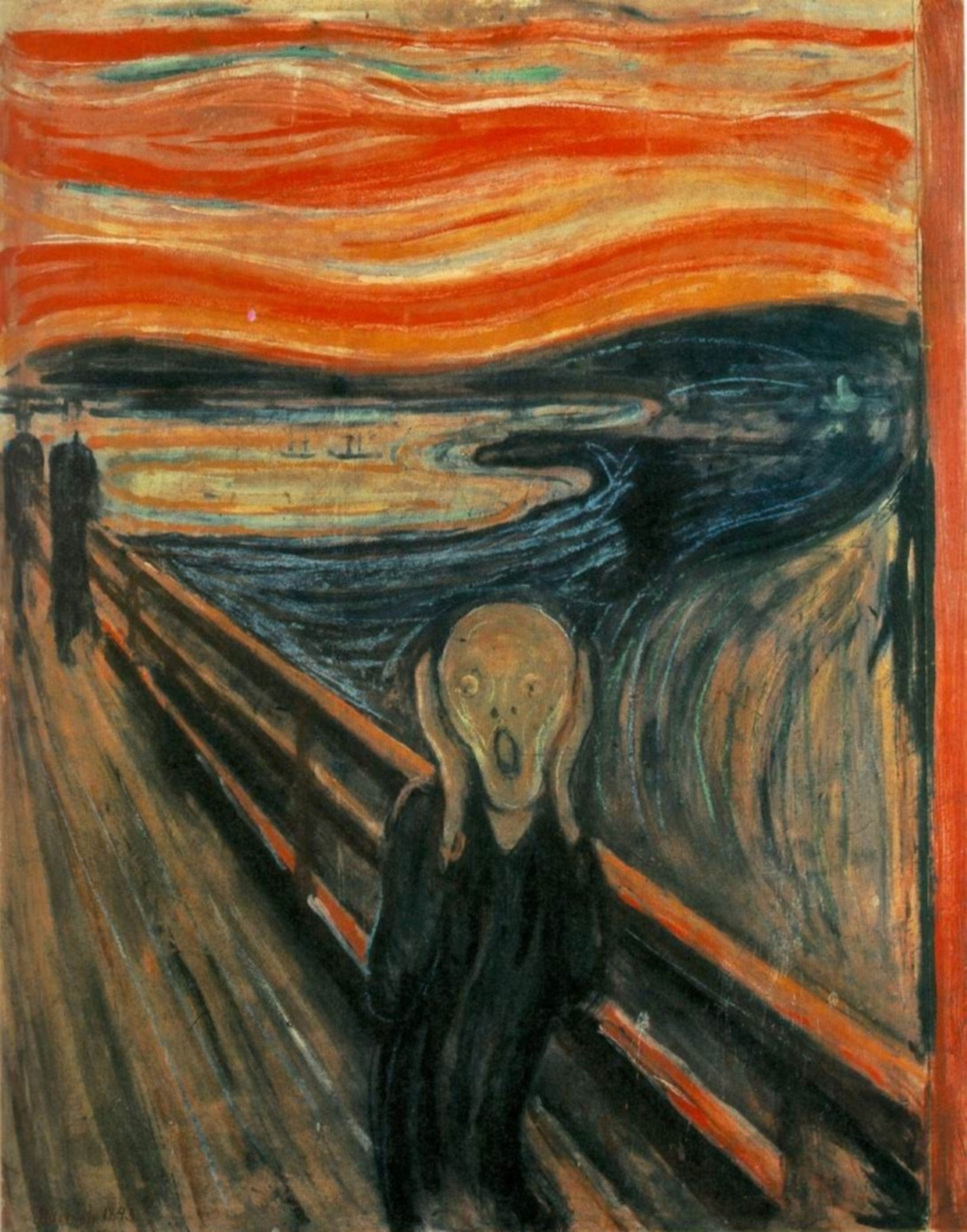
Edvard Munch (December 12, 1863 - January 23, 1944) was a Norwegian painter of the 19th and 20th centuries. He is best known as the author of The Scream and was a national artist in Norway. His portrait appears on the current 1000 Norwegian kroner banknote.
Munch's "The Scream" is probably the only painting in Japan that has been treated in as many different fields as this artist's. It has been used not only in the art world, but also as a source of material for comedians. It has been used not only in the art world, but even by comedians as a source of amusement. However, Munch himself would not have expected to be "teased" in such a way.
I imagine that the artist himself was very particular about The Scream. Munch painted a number of drawings of the Scream that people around the world are familiar with, and it is difficult to say whether they are prototypes of the Scream or not. There are at least three paintings named "The Scream": a semi-black-and-white lithograph of "The Scream," one in pastel only, and one that everyone knows.
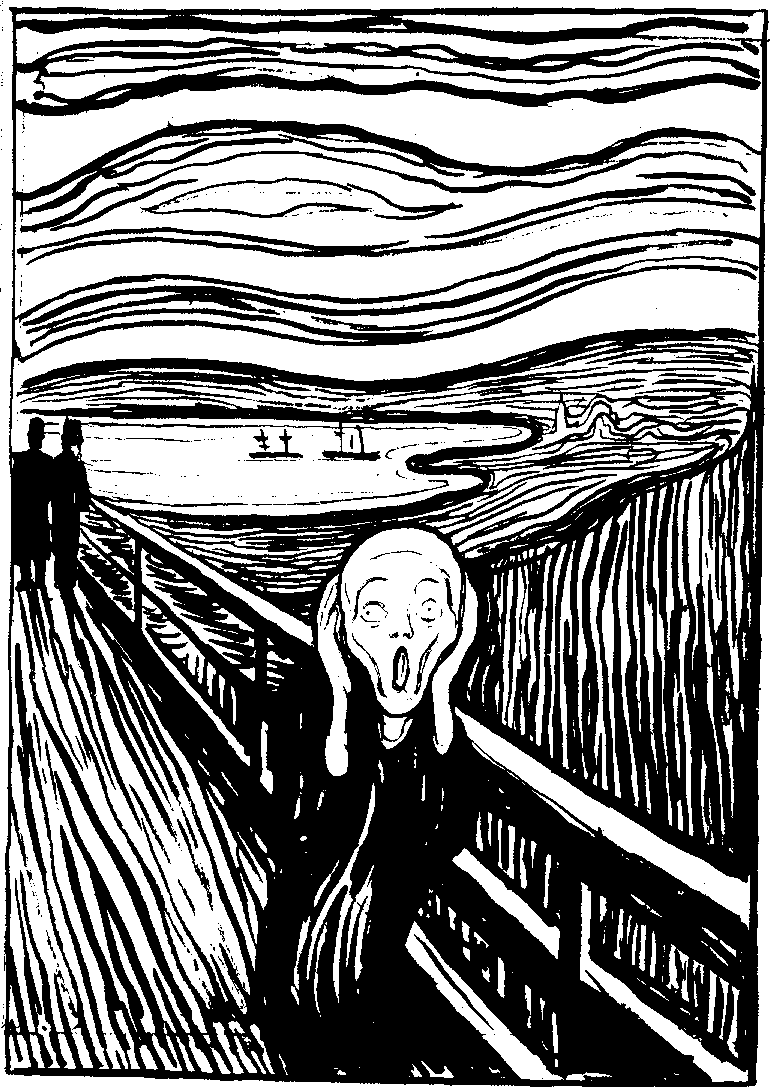

In my opinion, Munch, unlike Van Gogh, did not live in poverty during his lifetime, but when I saw Munch's final painting, "The Scream," he did not use a proper canvas, but painted it on a piece of cardboard, a somewhat half-finished piece of cardboard with a thin piece of wood on the right side, using gouache, oil, and pastel. I imagine that he painted it on a nearby object in a moment when the flame of inspiration suddenly flared up.

The Sick Child.

Anxiety."
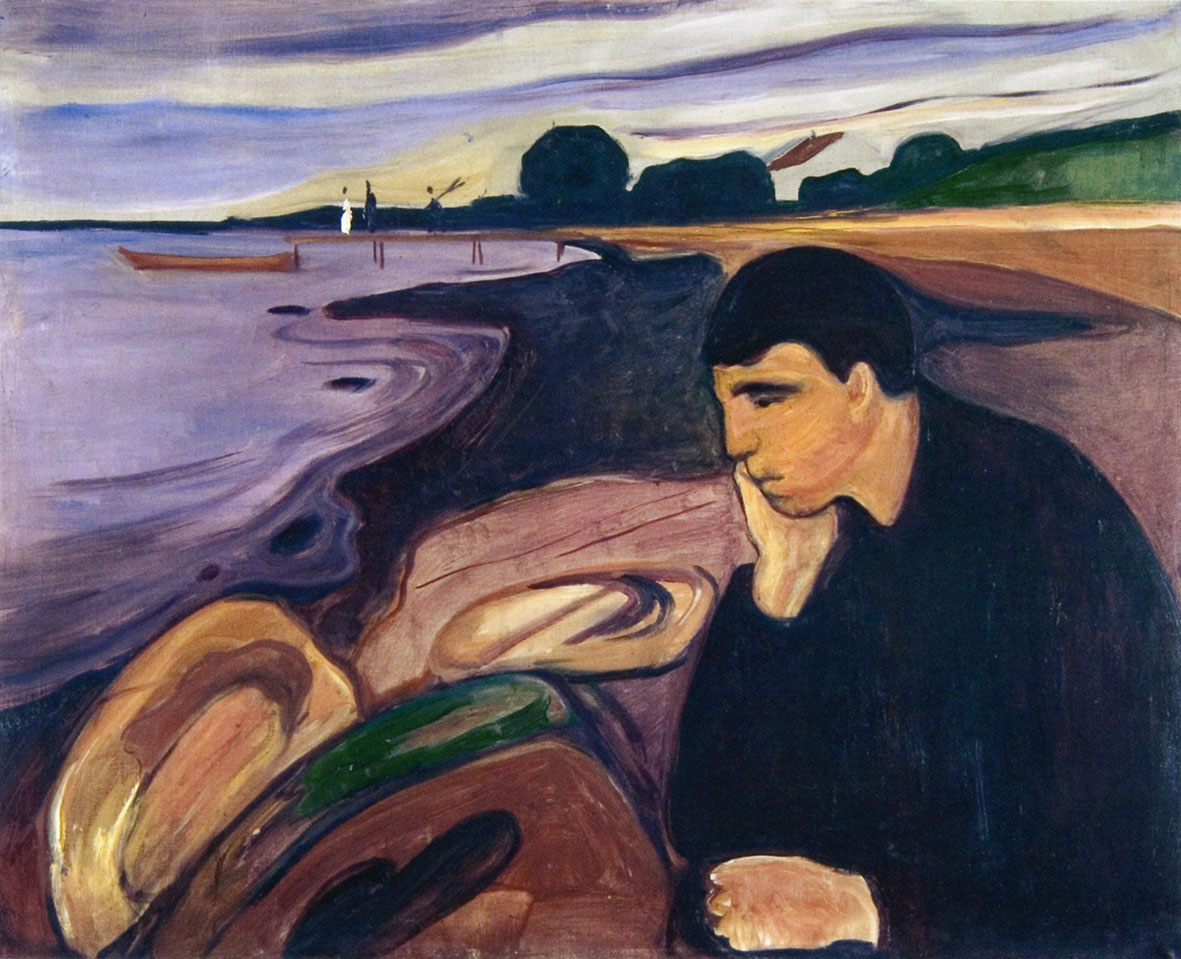
Melancholy."

Vampires."
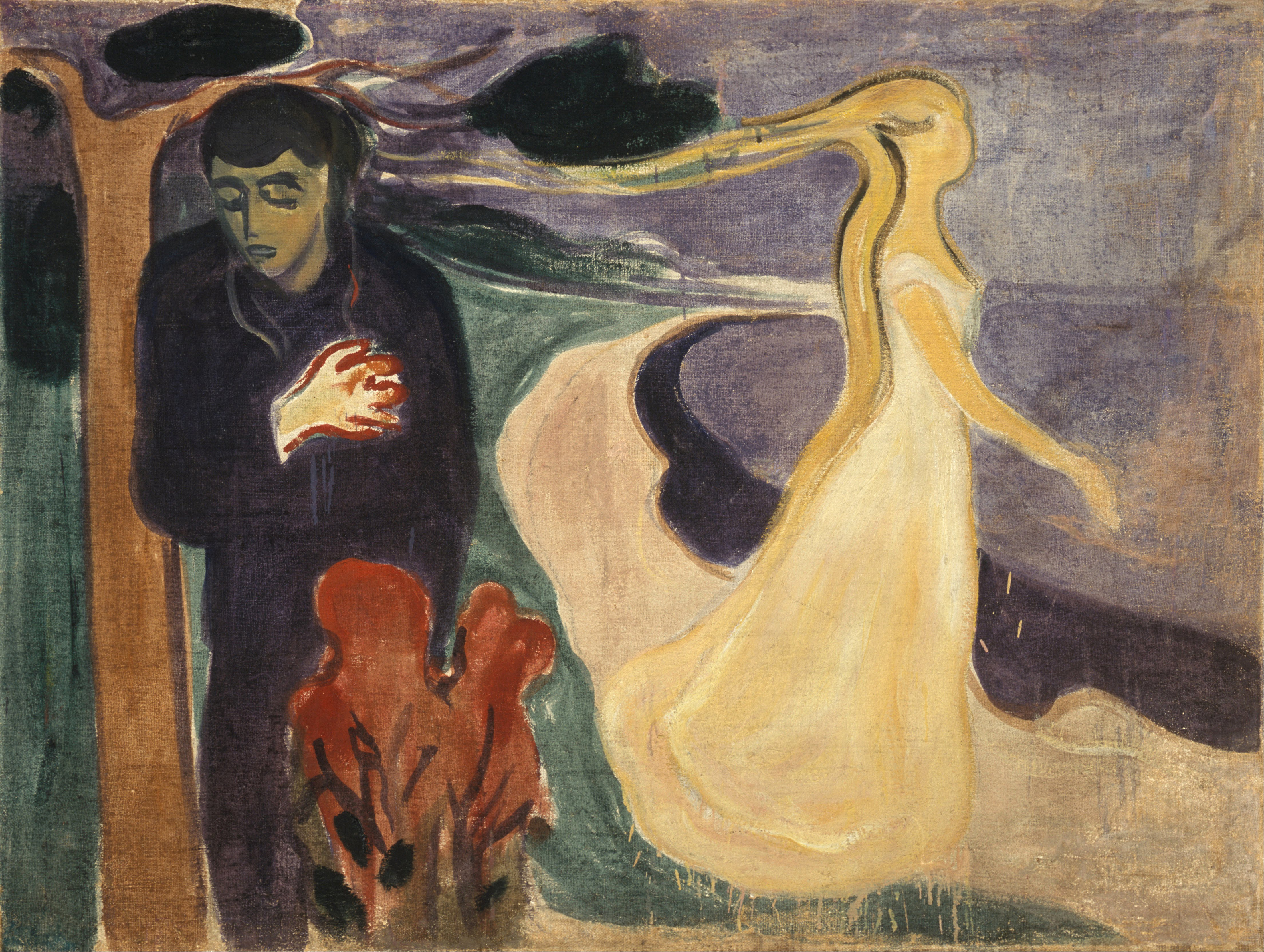
Separation."

Despair."
Many of Munch's works, such as "Sick Child," "Death in a Hospital Room," "Anxiety," "Melancholy," "Vampire," "Separation," and "Despair," leave traces of themes that can be considered the origin of basic human emotions, such as "fear of life and death. When we think of Munch's soul as an artist, who wanted to express "emotions" that cannot be seen by the naked eye, such as dark feelings, in his paintings, we cannot help but be intrigued by the origin of his ideas.
