
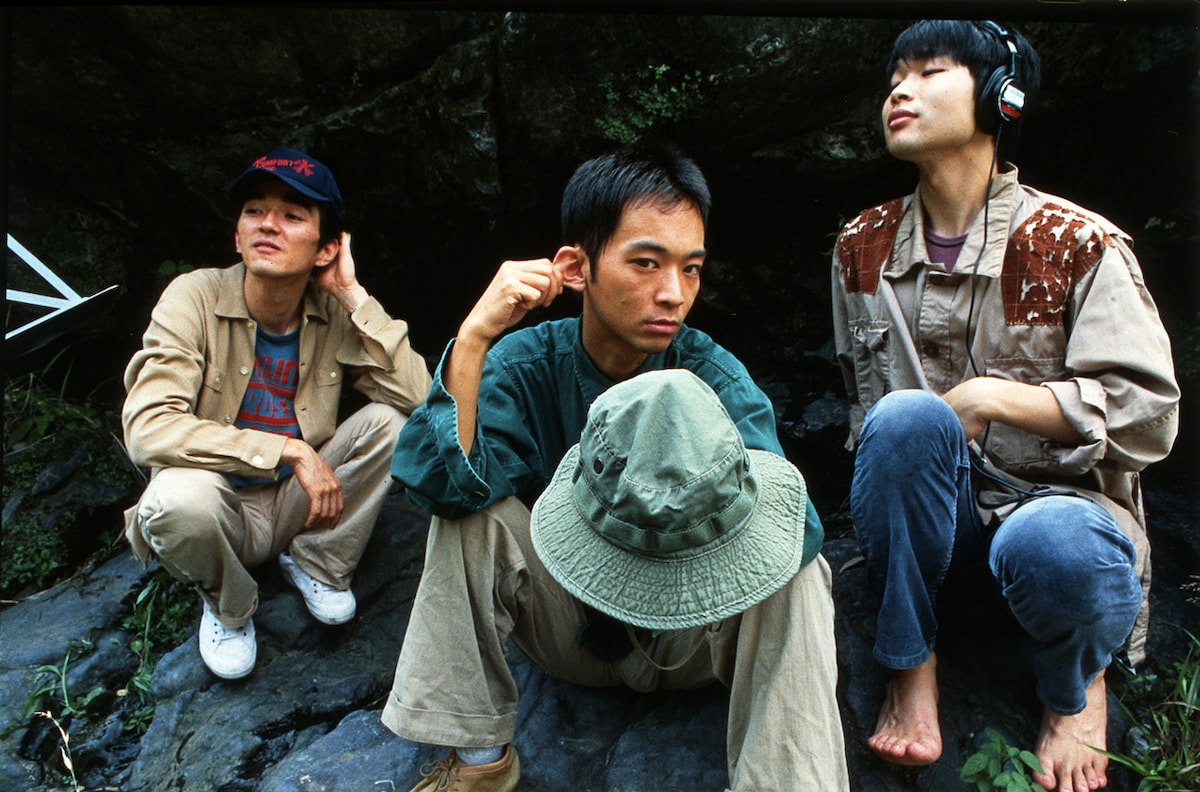
Fishmans is a Japanese rock band formed in 1987. From the pop and reggae style music of their debut, they have developed a hybrid and unique sound, incorporating various elements such as rock and dub as their career progressed. The band's unique songs are combined with the high tone and intense vibes of vocalist Shinji Sato to create a magnificent worldview. The band gained tremendous support, especially from young people in the subculture circles. In 1999, however, Sato passed away suddenly, forcing the group to take a hiatus, and in 2005, activities resumed under the leadership of leader Shigeki.
Fishmans Overview
Fishmans" is a rock band formed in 1987. The band was formed by Shinji Sato on vocals, Kinichi Mogi on drums, and Kensuke Kojima on guitar, and later added Yuzuru Kashiwabara on bass and Hakase on keyboards, making a total of five members.
In 1991, they made their major label debut on Virgin Japan (Media Remoras). At first, many of their songs had a reggae-based pop flavor, but as they gained more experience, they incorporated rock, dub, electronica, funk, and hip-hop into their music, sublimating it into a unique sound.
After moving to Polydor in 1995, Fishmans released the "Setagaya Trilogy" in rapid succession, which solidified their reputation. The unique musicality that the group had developed up to that point, combined with the melancholic yet sympathetic lyrics emitted from vocalist Sato's high tone voice, earned the group a renewed reputation in the music industry. In addition, the group attracted the attention of DJs and the club music subculture, and became a major presence in the Japanese music scene.
However, due to changes in the environment and relationships surrounding the band, as well as differences in direction, the core members left one after another, eventually leaving the band with only two members, Sato and Shigeki. In the midst of all this, vocalist Sato passed away suddenly on March 15, 1999. The loss of Sato, who was deeply involved in most of the band's songs, forced the band to suspend its activities.
In 2005, the band resumed its activities under the leadership of leader Shigeki, with the hope that the band would continue to be the Fishmans of the past and the future. The band has been active intermittently with various guest musicians. Of course, many artists still respect Fishmans, and tribute works have been produced in various forms.
Fishmans' Activity History
Five members, each meeting
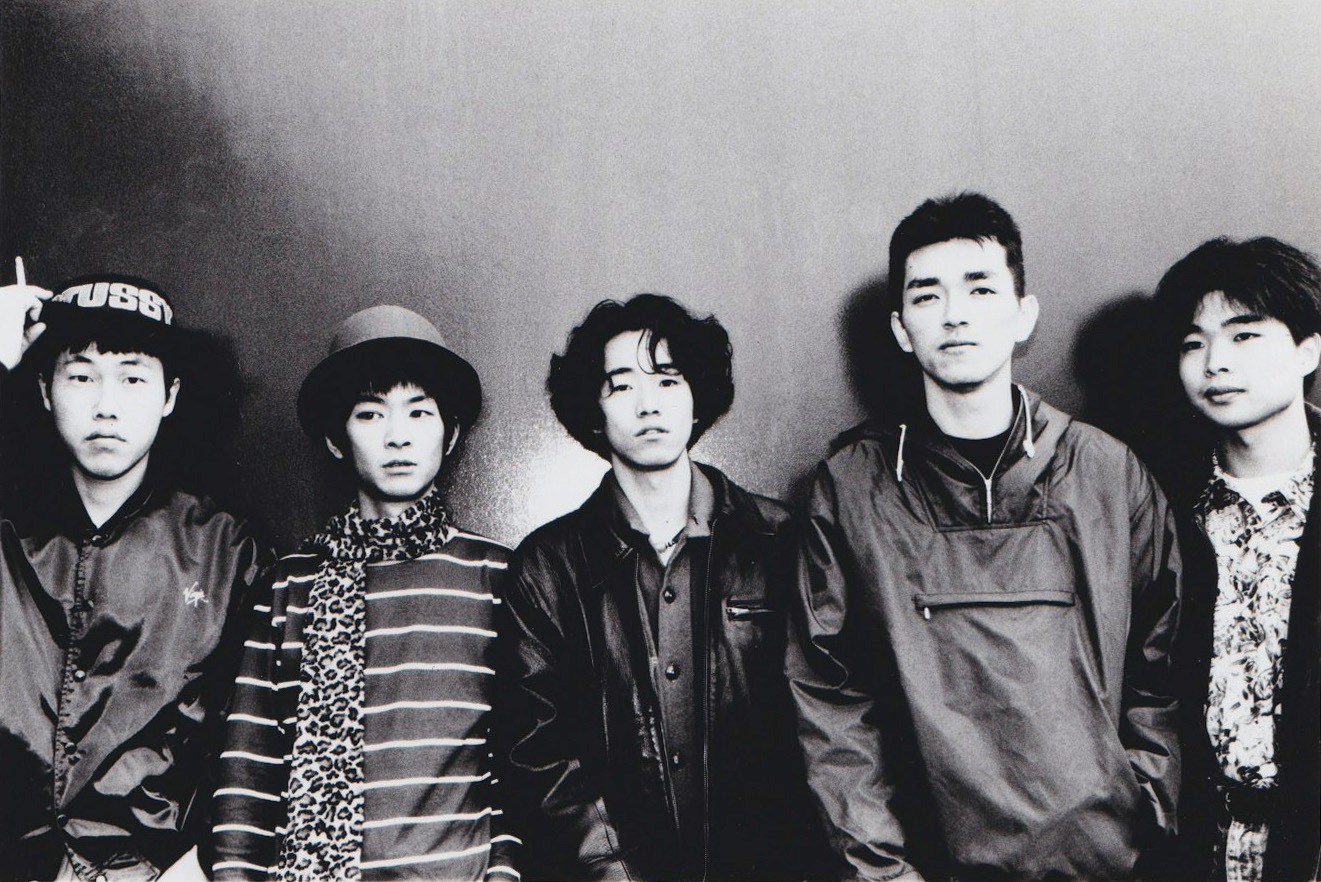
In 1985, Shinji Sato joined Songwrites, a music circle active at Meiji Gakuin University. Kensuke Kojima, who later became a member, belonged to a different music circle from Sato called "Light Music Society (L.M.S.)" at the same university. Two years later, Kinichi Mogi, who would later become a core member, joined the "Songwrites" group to which Sato belonged, and in 1987, the three of them formed the "Fishmans" to perform at a regular concert held at the same university.
In 1988, they began performing mainly at La.mama, a live house in Shibuya, Tokyo. At first, Sato was not very enthusiastic about the band's activities, but he was gradually inspired by the enthusiasm of the members. Later, "Songwrites" recruited Shigeki's classmate Yuzuru Kashiwabara to form a four-piece band. The reason for recruiting him is said to be that he "fell in love with their performance," but it is also said that it was simply because he "had a car.
In 1989, they were asked to participate in the Captain Records omnibus CD "Panic Paradise" organized by the culture magazine "Takarajima. At this time, they provided two songs, "Locusts are Flying" and "Special Night," their first recorded songs as Fishmans.
In 1990, performed at the omnibus CD release commemorative live at Shinjuku LOFT with Skunk, Cous Cous, Potato Chips, Mustang A.K.A., and others. Hakase, who had been a member of Mustang A.K.A., joined the band as a support member. At this time, Hakase received a fervent love call from Sato and joined the band. Here, the five core members of the Fishmans were now all together.
Banding in the midst of a dilemma
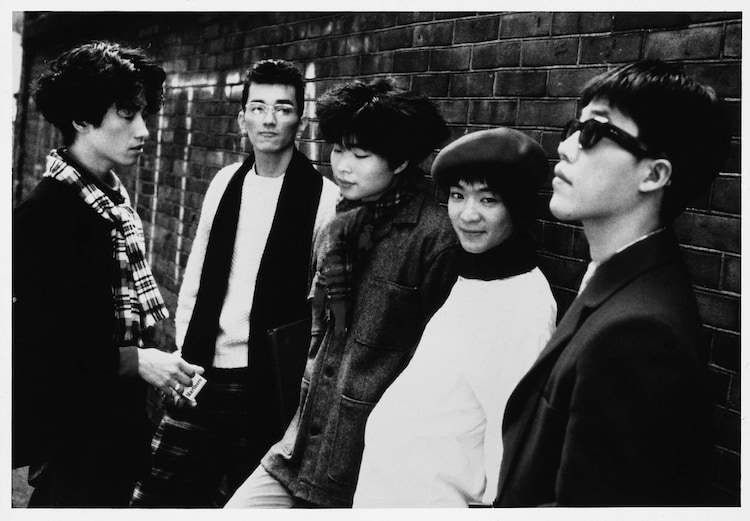
At the time, the music industry was experiencing an unprecedented indie boom.
Rock music is good for business! and record companies began to give the green light to various indie bands. Of course, Fishmans was also approached by a number of record companies, but they seemed to take it in stride. In an interview at the time, he said, "A boom full of boring bands will soon be over.
In 1989, Fishmans signed a contract with the management agency "Ribbon. Ribbon was a management agency established by Yoshiyuki Okuda, manager of RC Succession and Imawano Kiyoshiro, whom the band members respected. Under the contract with "Ribbon" and under Okuda's management, the activities of the Fushmans rapidly became full-fledged.
In October 1990, the band finally signed a contract with a major label, Virgin Japan (Media Remoras), and in February 1991, riding the bubble economy and band boom, began recording their first album in Australia despite being a new band. The producer was Kazufumi Kodama, the leader of MUTE BEAT, whom Sato had admired. Kodama gave the band members a mix tape that he had made himself so that they could learn the basics of rock steady. Inspired by the mixtape, the members became enthusiastic about making an album, and finally made their major label debut in April 1991 with "Hikoki", which was included in the album as a preceding single. In the following May, their first album "Chappie, Don't Cry" was released.
In November 1991, the mini album "Corduroy's Mood" was released. On this album, the members complained about being too conscious of the "Shibuya-kei" style that was booming at the time.
In January 1991, the single "100 millimeter and a bit" was chosen as the theme song for Fuji Television's late-night drama "90 Days Totenum Pub. The band was very excited about this first tie-up, but the production and promotion of the song came with major restrictions.
In October 1992, their second album "King Master George" was released. Although the band was sometimes perplexed by the requests from the major music industry, they were able to do whatever they wanted, and the miscellaneous musicality that the band had hidden away was demonstrated, resulting in an album with an unprecedented variety of music.
The band was featured in the Fuji Television variety show "Wan Wan Variety Star is Pochi! The band began to see more and more light of day, but the members were beginning to argue about the direction they should take in the major label business. However, the band members began to discuss the direction they wanted to take in the major label market.
Meeting and parting with new friends
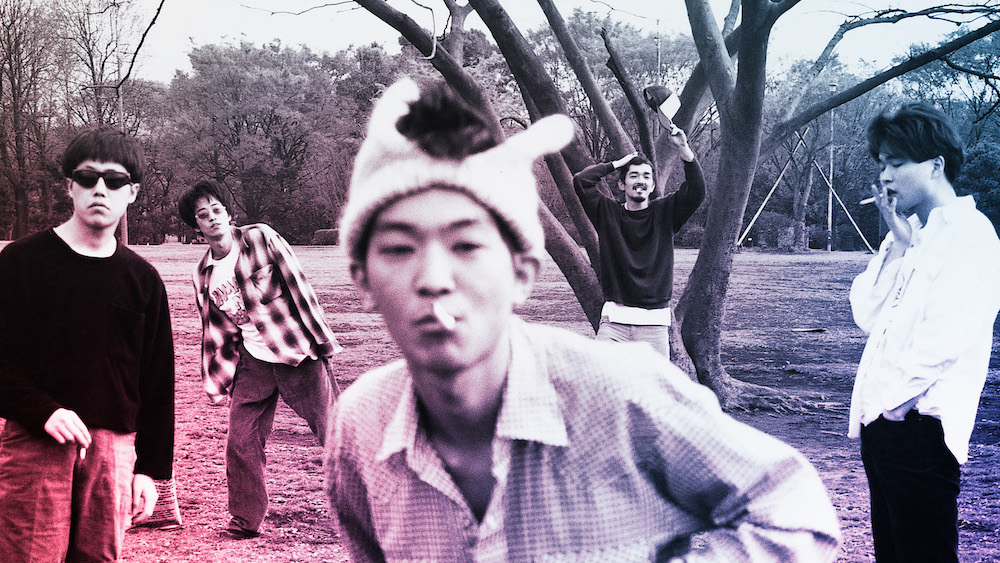
In July 1993, the band released its third album, "Neo Yankee's Holiday". The addition of ZAK led to a shift from the warm band sound to a cooler, sharper sound, with more use of hammering and sampling in the songs. By eliminating commercial elements from their music, the band made a drastic change from their previous major-market thinking in order to sell well to the direction they wanted to go. From this album, one of the most famous songs in the history of the Fishmans, "Ikaerai Baby," was born, and it is still listened to today. During the making of this album, the members were surprised by Sato's tremendous enthusiasm, passion, and change. As Kojima said, "I realized that I was not good enough as a player, so I practiced hard to keep up with him," and Mogi and Kashiwabara worked hard to keep up with Sato's evolution. However, Kojima began to distance himself from the band, saying, "I felt something resolute, like I was breaking up with something," and later decided to leave the band. Kojima's departure left Sato quite shocked.
In October 1994, their fourth album "ORANGE" was released. ZAK became a co-producer from this album. ZAK, who felt that Kojima's departure from the band still left him with a broken heart, suggested recording the album in London for a change of pace. However, during the recording in London, Sato began to think about transferring to a new company due to differences in band policy with the record company. This album can be said to be a new frontier of pop openness for the Fishmans, but it is also an album in which Sato's anguish and conflicts can be seen and hidden.
In March 1995, their fifth album "Oh! Mountain" was released. This live album was a compilation of singles and popular songs from the tour. HONZI, who will become an integral part of Fishmans in the future, joined the tour on chorus and piano. With this album, Fishmans' contract with Virgin Japan (Media Remoras) was terminated. They move to Polydor Records.
The future that began to run, and
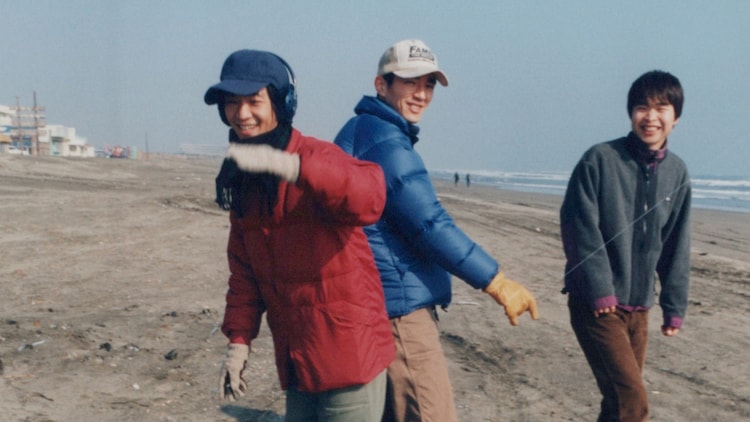
In June 1995, the group signed a contract with Polydor Records. Polydor, which was planning to further strengthen its Japanese music division after the success of Spitz, decided to give an arrow to Fishmans, whose musicality was often compared to that of Spitz. Upon transferring to Polydor, Fishmans made an unprecedented request: "I want a private studio! However, due to the economic climate of the time, Fishman's request was quickly granted on the condition that he would produce three albums in two years. With the acquisition of a private studio "Waikiki Beach Hawaii Studio" where they could freely perform, the band members' creativity evolved even further. However, while working on a new album after the move, Hakase suddenly left the band, citing a desire to "focus on my own music. Naturally, this was a considerable damage to the band, but the members concentrated on production in the midst of favorable opportunities such as label transfers and private studios.
In February 1996, "Aerial Camp," their first album after moving to Polydor and their sixth album, and the first in what would later be referred to as the "Setagaya Trilogy," was released.
The album was released in the perfect environment of the Waikiki Beach Hawaii studio, and as Sato said, "Everything I see has changed since then," and the enthusiasm and passion of the members were more than fully condensed in this album. With this album, the group began to attract attention from the media surrounding the subculture.
In September 1996, the single "SEASON" was released. During the tour, the members came up with the idea of "making a song that never ends," which led to the creation of "LONG SEASON," an extended version of "SEASON," a 35-minute track that was released as "LONG SEASON," the second installment of the "Setagaya Trilogy," their seventh album.
In July 1997, Sato released his 8th album, "Space Japan Setagaya," the third in the "Setagaya Trilogy. Sato's sensitivity during this period was so sharply sharpened that he left no room for anyone else to take advantage of him. This album is said to be the band's best work, but it also highlights Sato's isolation and loneliness.
In August 1997, their private studio, "Waikiki Beach Hawaii Studio," closed due to the end of the building contract. In addition, ZAK, who had supported the band's sound, left, and later Kashiwabara also communicated his intention to leave the band. In a sense, it is said that there was a strong aspect of not being able to keep up with Sato, who was pushing the envelope. With ZAK's departure and Kashiwabara's announcement of his departure, the band began touring. The tour title was named "Otoko-tachi no Farewell" (farewell to the men) by Sato, who felt sorry for the members who left the band one after another. After the tour, Fishmans was back to a two-man band consisting of Sato and Shigeki. However, on March 15, 1999, Sato passed away suddenly. The Fishmans were forced to virtually suspend their activities.
In 2005, the band restarted with leader Shigeki, with the hope that the band would be "the Fishmans of the past and the Fishmans of the future. Since then, the band has been performing live intermittently with various guest musicians.
In 2021, the documentary film "Film: Fishmans" was released, featuring interviews with the band members and others involved at the time. Fishmans once again attracted attention and appreciation from young people and overseas listeners.
Fishmans Profile
Shinji Sato
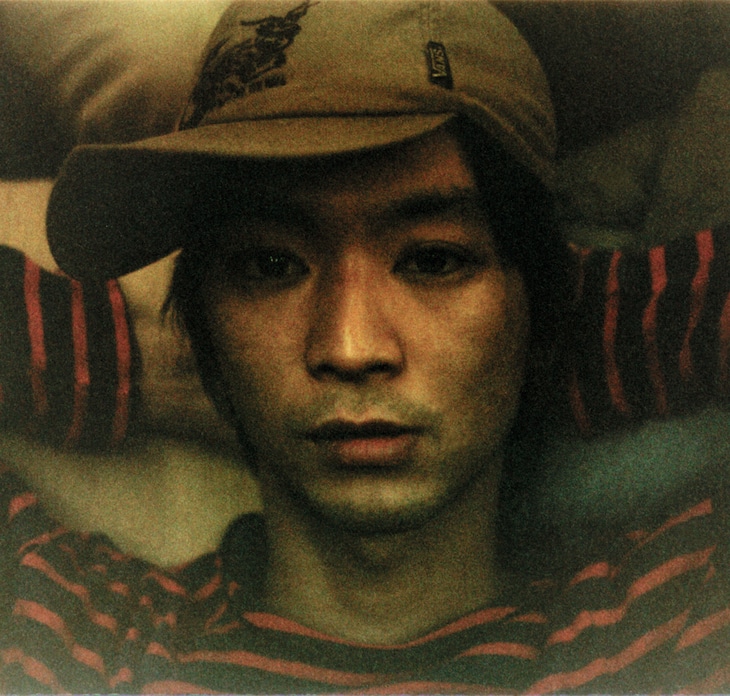
February 16, 1966 - March 15, 1999
Vocalist
He is a member of "Songwrites," a light music circle at Meiji Gakuin University.
As the core member of the band, he writes the lyrics and composes almost all of the songs.
He also plays guitar and cornet depending on the song.
He passed away suddenly on March 15, 1999.
Died at the age of 33.
Kinichi Motegi
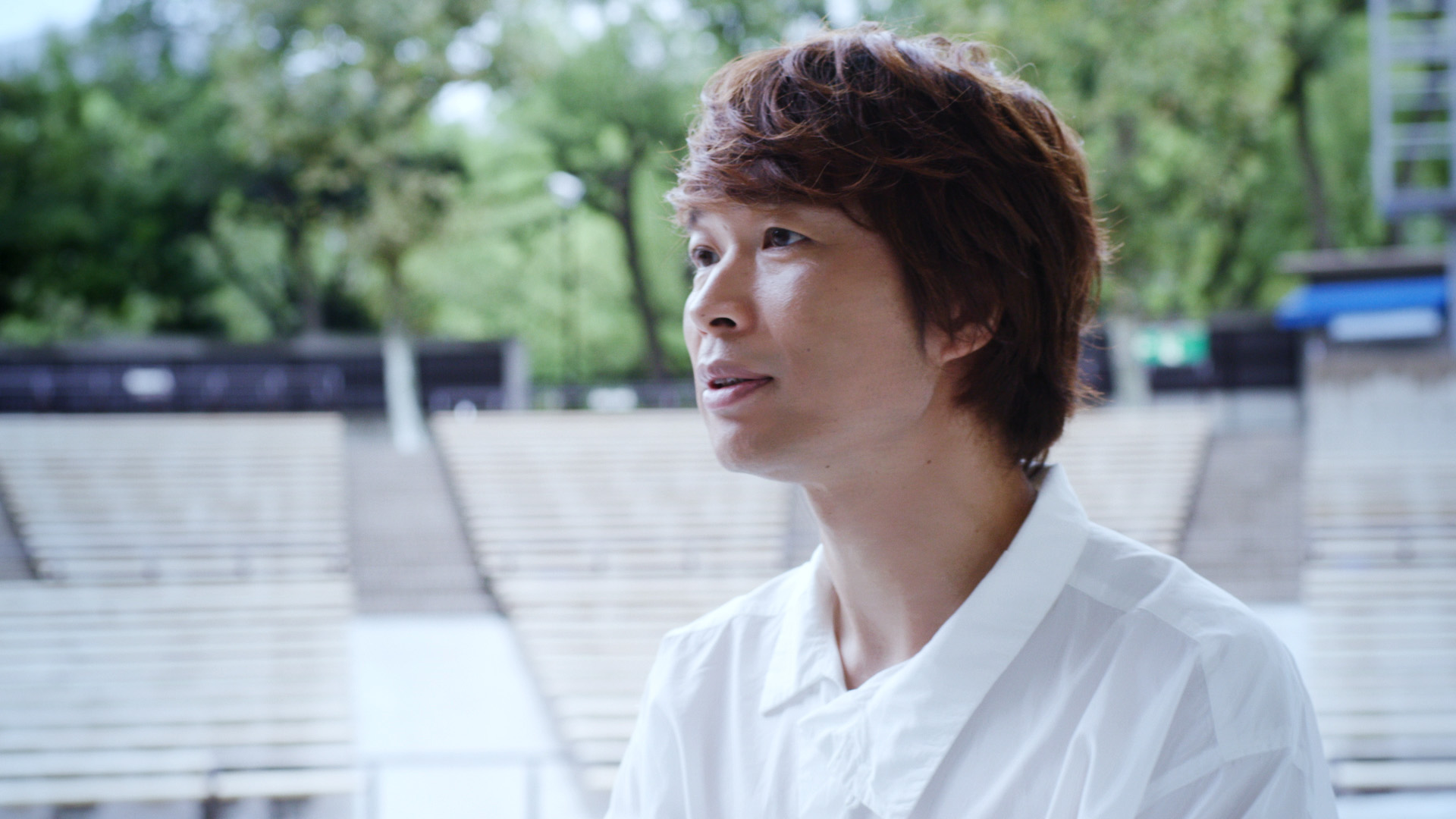
December 15, 1967 ~
Drummer
He and vocalist Sato were both members of the "Songwrites," a light music circle at Meiji Gakuin University (two years Sato's junior).
Although the timing is unknown, he was nominated as the leader of the band.
After Sato's death, he continued to play a central role in Fishmans' activities.
He is also the drummer of Tokyo Ska Paradise Orchestra.
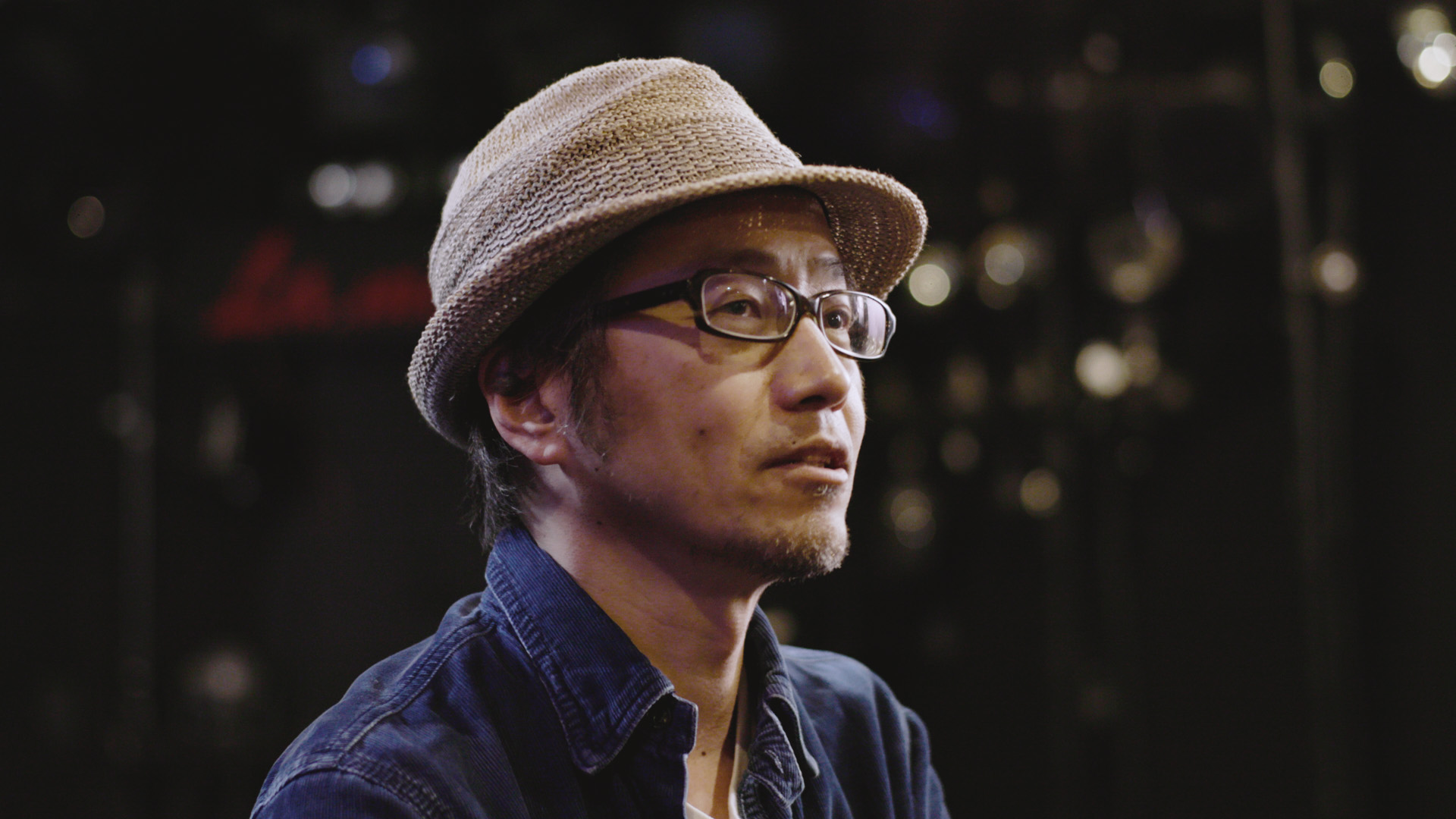
Kensuke Ojima

Contents
- Fishmans Overview
- Fishmans' Activity History
- Five members, each meeting
- Banding in the midst of a dilemma
- Meeting and parting with new friends
- The future that began to run, and
- Fishmans Profile
- Shinji Sato
- Kinichi Motegi
- Kensuke Ojima
- Yuzuru Kashiwabara
- lemon casserole
- Fishmans Discography
- maxi-single
- Go Go Round This World!
- MELODY.
- WALKING IN THE RHYTHM
- One-track single
- Fluctuation IN THE AIR
- mini-album
- Corduroy's Mood
- album
- Chappie Don't Cry
- King Master George
- Neo Yankee's Holiday
- ORANGE"
- Mountain."
- Aerial Camp."
- LONG SEASON"
- The Universe, Japan, Setagaya
- Live Album
- "August Status Quo."
- Men's Farewell 98.12.28 @ Akasaka BLITZ
- LONG SEASON '96 - 7 96.12.26 Akasaka BLITZ
- Young but with history 96.3.2@Shinjuku LIQUID ROOm
- best of album
- 1991-1994" Best Album 1991-1994
- Aloha Polydor" Best Album 1995-1998
- The 'Universe' Best of Fishmans"
- The "Aerial" Best of Fishmans.
- The Crazy Baby / Thanks (Surprise) / Weather Report
- SEASONS (LIFE)"
- Golden☆Best" - The Polydor Years
- BLUE SUMMER ~Selected Tracks 1991-1995
- Night Cruising 2018."
- Night Cruising / Night Cruising 2018
- box
- GO GO ROUND THIS WORLD! -FISHMANS 25th ANNIVERSARY RECORD BOX-".
- FISHMANS ROCK FESTIVAL
- DVD
- Fishmans in SPACE SHOWER TV
- THE LONG SEASON REVUE
- the three birds and more feelings
- Increasing Memory."
- "Young but with history 96.3.2 @ Shinjuku LIQUID ROOm".
- A Farewell to the Men 98.12.28@Akasaka BLITZ
- Fishmans' most popular songs & music videos (MV/PV)
- The Flight of the Flies.
- What did you say?
- The Crazy Baby
- MY LIFE
- Night Cruising."
- Baby blue
- Long Season
- IN THE FLIGHT
- Fluctuation in the Air" (Japanese only)
- Fishmans Quotes and Statements
- Go home! Get out!"
- Booms full of boring bands end quickly."
- Whatever it is, I want to sell!"
- We have to do what we think is cool."
- There ain't nothing but mountains!"
- I love transfers! I love transfers! I want to do it again!"
- It's so much fun doing it!"
- Who will be left in about 10 years?"
- Fishmans backstory, trivia, small stories/episodes, anecdotes
- It all started when I got the cassette.
- Fishmans or mayonnaise?
- The reason for inviting Kashiwabara to join the band was "cars.
- eyes like marbles
- Working with bleeding eyes
- Music that can change someone's life.
- A string of band member departures befalls Sato