
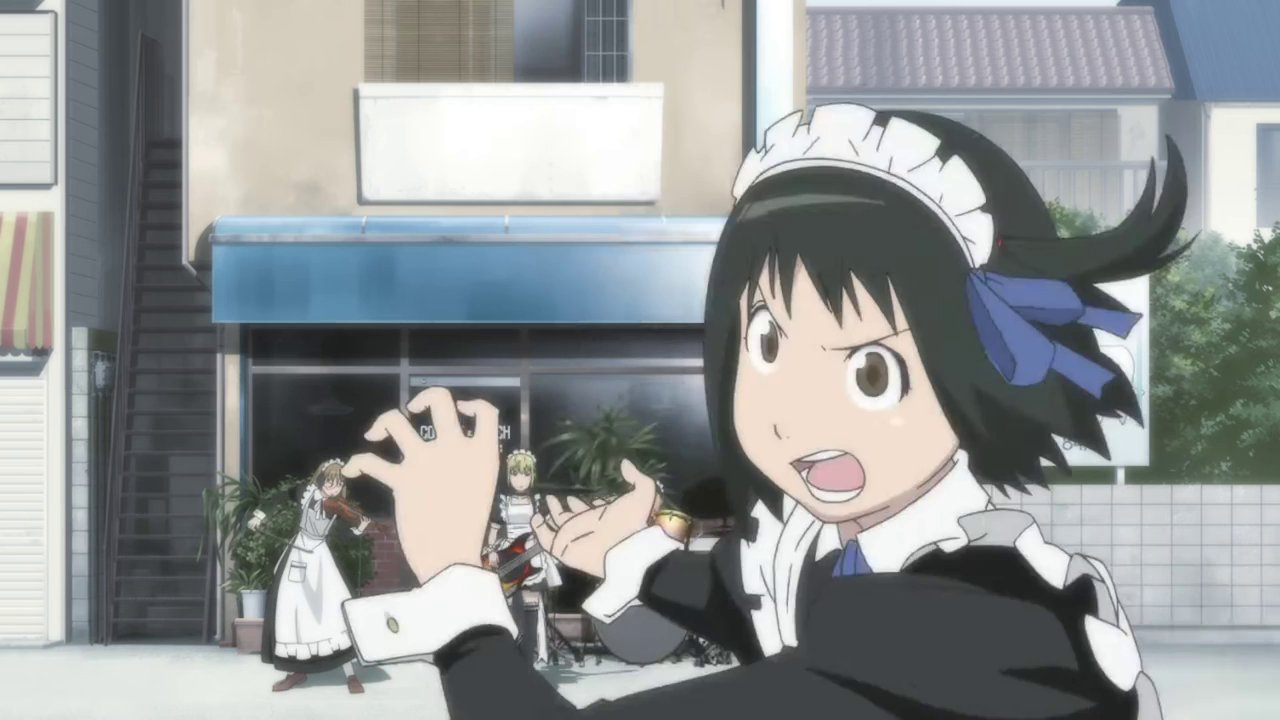
Sadareta Machi wa Mawatteiru" is a Japanese manga by Shozoku Ishiguro. It was serialized in "Young King Hours" from the May 2005 issue to the December 2016 issue. The work is thought to be an at-home manga about the heartwarming daily life of Ayutori Arashiyama through her part-time job at a coffee shop, but it is mixed with mystery and science fiction elements. This section introduces some of the best scenes in this work, which features power-lifting daily life with classmates and store regulars, as well as slightly mysterious experiences.
Summary of "Still the Town Turns
Sadareta Machi wa Mawatteiru" is a Japanese manga by Shozoku Ishiguro. It was serialized in "Young King Hours" from the May 2005 issue to the December 2016 issue.
It won the "17th Japan Media Arts Festival Manga Division Excellence Award" in 2013 and the "49th Seiun Award Comic Division" in 2018, and was adapted into an animated television series in 2010.
This work is thought to be an at-home manga that depicts the heartwarming daily life of Ayutori Arashiyama through her part-time job at a coffee shop, but it also contains a mixture of mystery and science fiction elements. Another appeal of this work is that the order of publication is not in chronological order, and foreshadowing is hidden here and there. The fact that the timeline is not in chronological order is not stated explicitly in the work, and the reader notices it as he or she reads the story. Because of the shuffling of the timeline, there are many descriptions in which a small dialogue or background comes to life a few episodes later. The following are some of the best scenes from this work, which features relaxing daily life with classmates and store regulars, heartwarming stories that will make you cry, and slightly mysterious experiences.
Ayumori Arashiyama Quotes, Famous Lines / Famous Scenes, Famous Scenes
Dodgy combo of unstoppable walking birds.
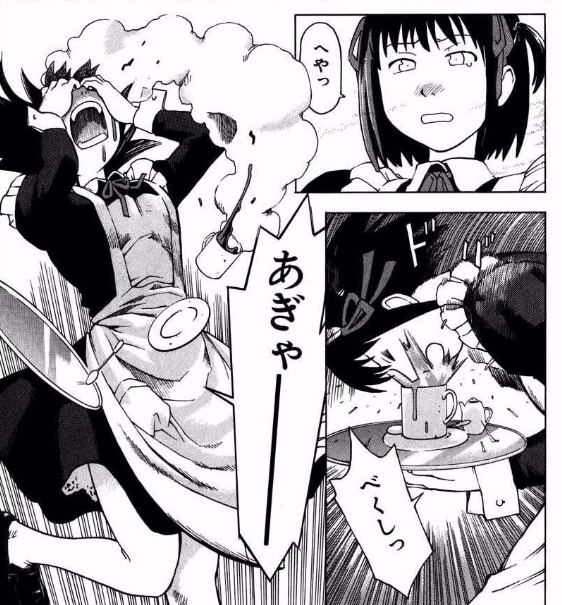
A step bird that is screwing up at a tremendous rate.
Ayumori Arashiyama works as a maid at the maid cafe "Seaside. However, it is a mere coffee shop with none of the staging or service typical of a maid café. Tatsun, who feels resentment, instructs Ayumori as a maid. Tatsun takes advantage of Ayumori's characteristics to create a dodgy maid performance. She induces Ayumori to sneeze with pepper as she carries her drink. The force of the sneeze causes Ayumori to fall face first into the cup. Tatsun's work then leads to a combo of screw-ups, including stumbling and sticking her head in a bucket. What was intended to be a cute, screwed-up maid turned out to be a physical comedian.
Walking bird in a good mood going to the store
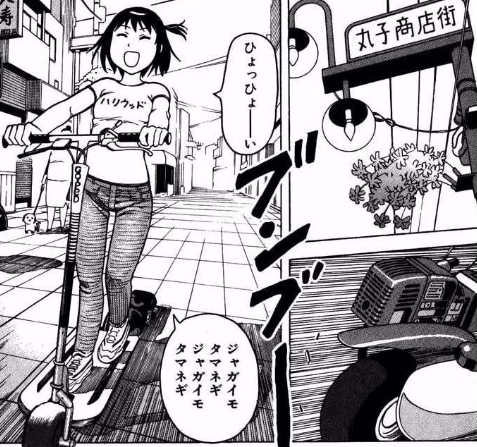
Ayumori gets excited on the kickboard.
Ayumori goes to a maid café to pass the time, even though it is her day off from her part-time job. The maid café's master, Uki Isobata, asks Ayumori to go shopping at a grocery store. Ayumori borrows a kickboard belonging to the master and sets out on her shopping trip. She operates the kickboard with such buoyancy that it is hard to believe that she is a high school girl. This scene shows Ayumori's good-natured and innocent personality.
No pulse! No pulse!"
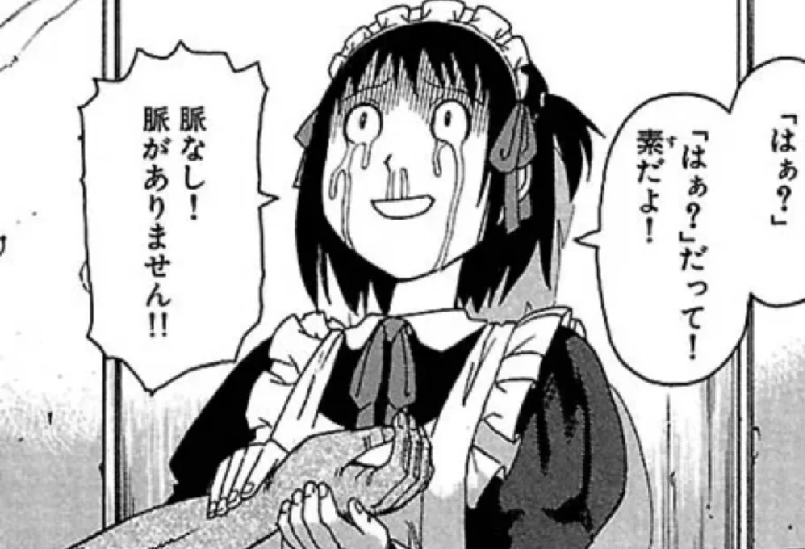
Ayumori has a faint crush on her homeroom teacher, but she has no pulse.
Ayitori has a crush on her homeroom teacher, Natsuhiko Moriaki. However, Moriaki is not very fond of Ayumori, who is always pushing him around with her outlandish behavior. When Moriaki comes to Seaside as a customer, Ayitori asks him in a cheerful tone, "You must have a crush on me, teacher, to come all the way to see me after school. However, Moriaki replied, "What about ..................? Moriaki's response was that she did not understand the situation at all. Ayumori, who had holed herself up in the bathroom in response to Moriaki's reaction, replied, "No pulse! No pulse! and shed tears.
Walking Bird Solves Mystery of Creepy Self-Portrait
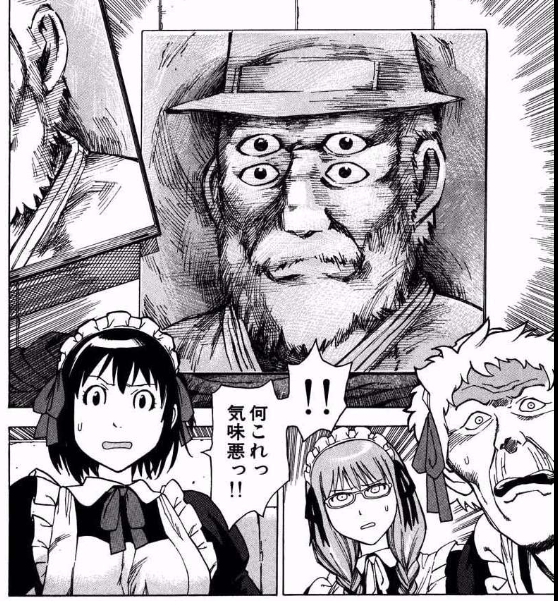
Uki (right), Tatsun (center), and Ayumori (left) are astonished by the creepy picture.
Ayumori and Tatsun's homeroom teacher, Natsuhiko Moriaki, approaches them about a mysterious self-portrait left behind by his grandfather. His grandfather was a painter, and among his belongings they find an ordinary self-portrait and a strange self-portrait with two eyes painted on it. Both are titled "The Eye". No one in the family, including Moriaki, could figure out what his grandfather, who loved gambling, had intended by drawing these pictures, which gave him the creeps. Moriaki asked Ayumori, who loved mystery novels, to solve the mystery of the paintings. Ayitori solves the mystery in a few minutes. According to Ayutori's theory, the eyes on the self-portrait were the same as those on a dice roll. Ayumori derived this answer from the fact that the canvas on which the self-portrait was painted is square and that Moriaki's grandfather was a gambler. When Moriaki checked with his relatives, he found another self-portrait with one eye and three others, making a total of six sides, which, when assembled, formed the shape of a dice. Ayumori was portrayed as a character who was not good at studying and a bit of a doofus, but when it came to deductions, he showed a flash of brilliance.
Meido!"
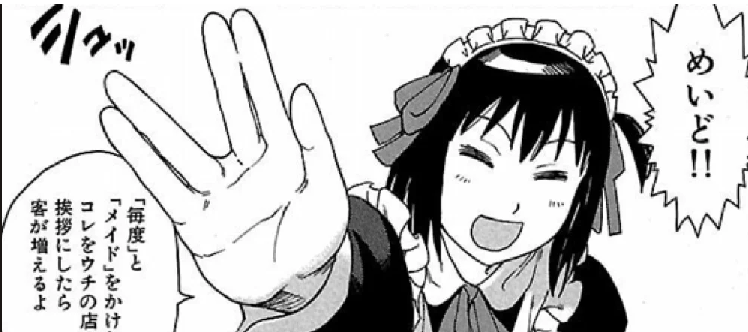
Ayumori tries to make his original call go viral.
Ayumori devised a greeting that combined the words "every time" and "maid. She thought that this originality would attract more customers and make the store more lively, but no one imitated her idea. Ayumori herself has used this greeting only a few times in this work, and it has not taken root at all.
'I guess I shouldn't be here anymore, everyone looks so small.'
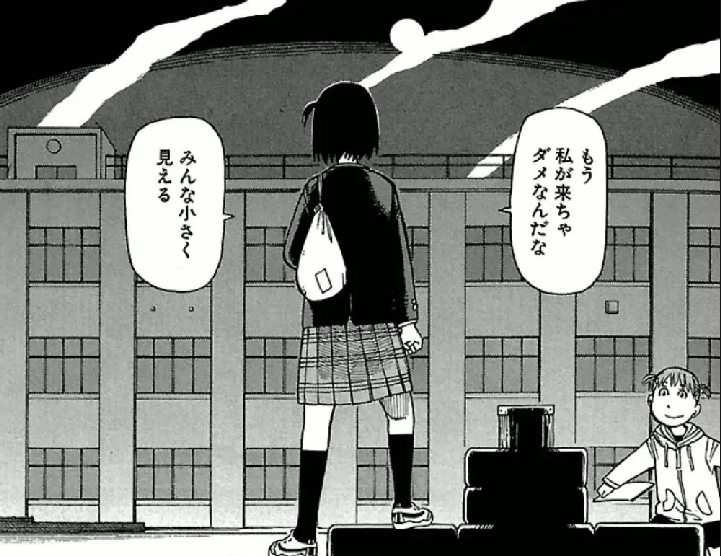
Ayumori feels the difference between the elementary school building in her memory and the real one.
Ayumori accompanies her younger sister Yukiko to an elementary school to pick up something Yukiko left behind. The elementary school that Yukiko attends is the same school that Ayumori once attended for six years. Ayumori strolls around the school while looking for Yukiko's lost and found. As she strolls around the school, her memories of those days come back to her. The shoe box at the entrance, the observation pond where there was an urban legend that dinosaurs lived, and Tire Mountain, a playground equipment that was difficult to climb. All of them were huge and exciting in Ayumori's memory. However, from the perspective of Ayumori now, she sees a shoe box as tall as she is, a small observation pond, and Tire Mountain, which can be climbed in a few steps. Ayumotori, mulling over the fact that she is now bigger than she was in elementary school, said, "I guess I shouldn't be here anymore. They all look so small."
A walker with a ridiculous haircut.
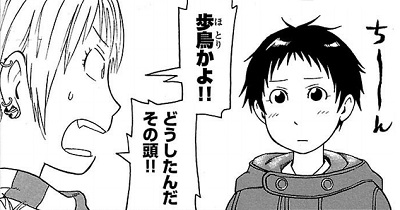
Ayumori (right) gets her hair cut too much at the barber shop and a startled Kon-senpai (left).
Ayumori is getting her hair cut at her favorite barber shop. Distracted by the noise outside the store, Ayumori moves her head while getting her hair cut. As a result, the barber's scissors cut her bangs too short. In order to match the shortened bangs, her hair was shortened overall. When I ran into Kon-senpai after she cut my hair, she was astonished at how short my hair was.

Related Articles
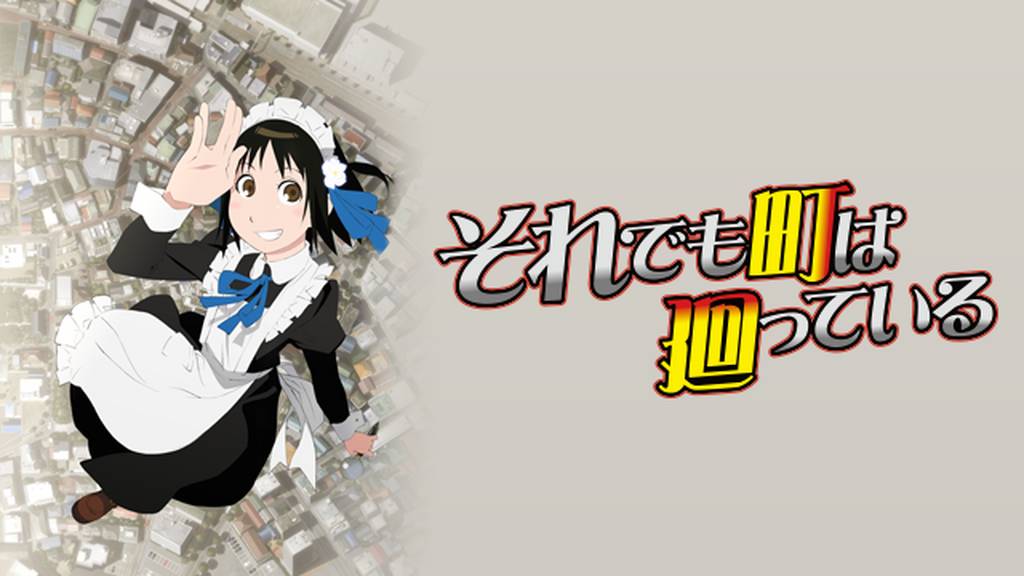
Spoiler commentary and discussion summary of Still the Town Turns (Soremachi)
Soredemo Machi wa Mawatteiru (Soredemo Machi)" is a manga and anime work based on the manga, which was serialized in "Young King Hours" from the May 2005 issue to the December 2016 issue by Masakazu Ishiguro. Set in downtown Tokyo, it is an everyday slapstick comedy centered around the main character, Ayumori Arashiyama. Most of the episodes are complete, and the pace is fast-paced. The story takes place in a shopping district in downtown Tokyo. The main setting is an old-fashioned, humane shopping arcade, where daily life is depicted in a comedic manga style with the main character, high school girl Ayumori Arashiyama, as the central character.
Read Article
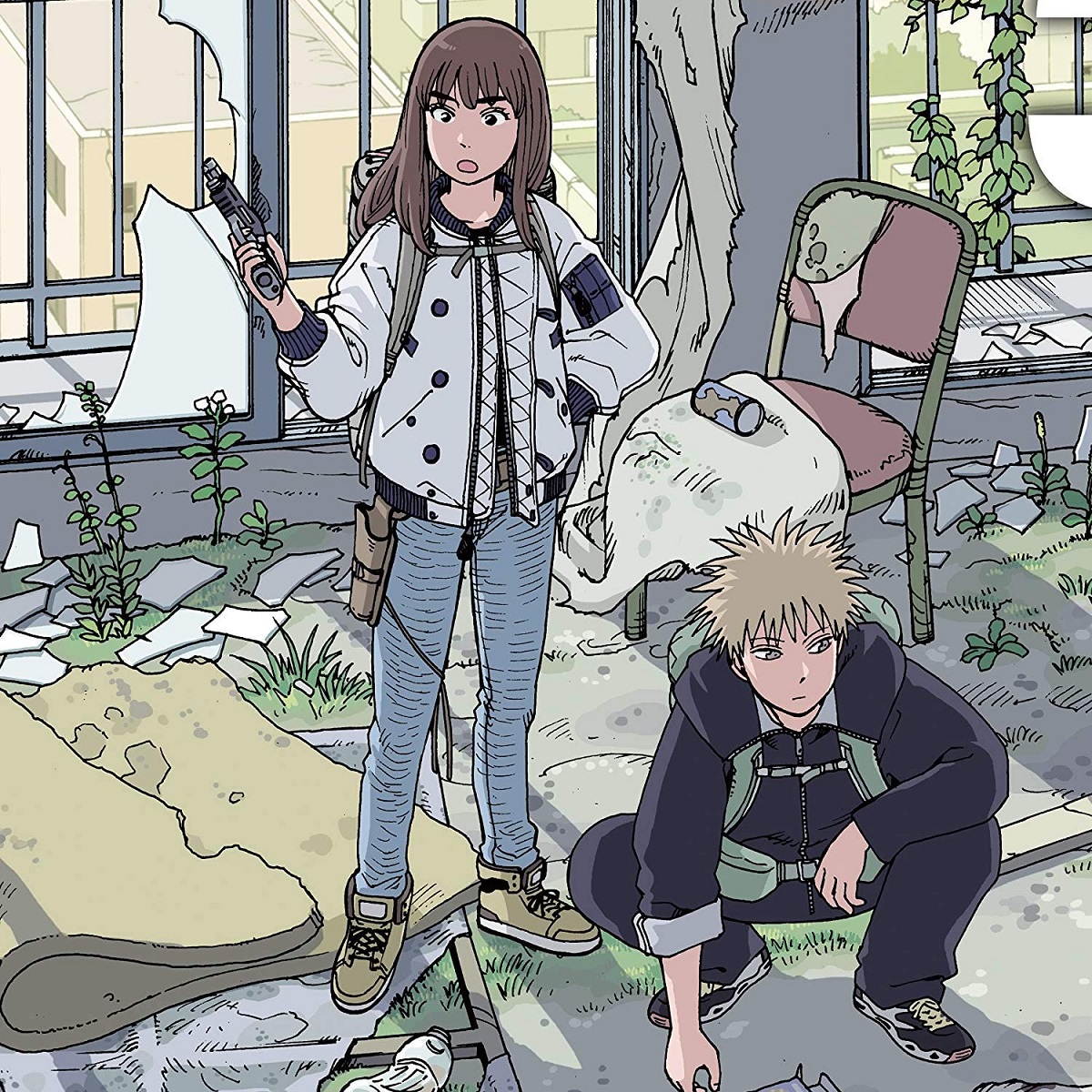
Spoiler commentary and discussion of Tengoku Daimakyo (manga and anime)
Tengoku Daimakyo" is a manga work by Shozoku Ishiguro about boys and girls who survive in a post-collapse civilization and solve the mysteries of the world. 2019 saw it win first place in the prestigious manga award "This Manga is Amazing! and won first place in the Otoko section at the It has been 15 years since human civilization collapsed due to an unprecedented catastrophe. Tokio, who lives in a facility closed off from the outside world, is perplexed when he receives a message asking him if he wants to go to the outside world. In the outside world, where deformed monsters roam, a young girl named Kiriko and Maru, who looks just like Tokio, continue their journey to "heaven.
Read Article
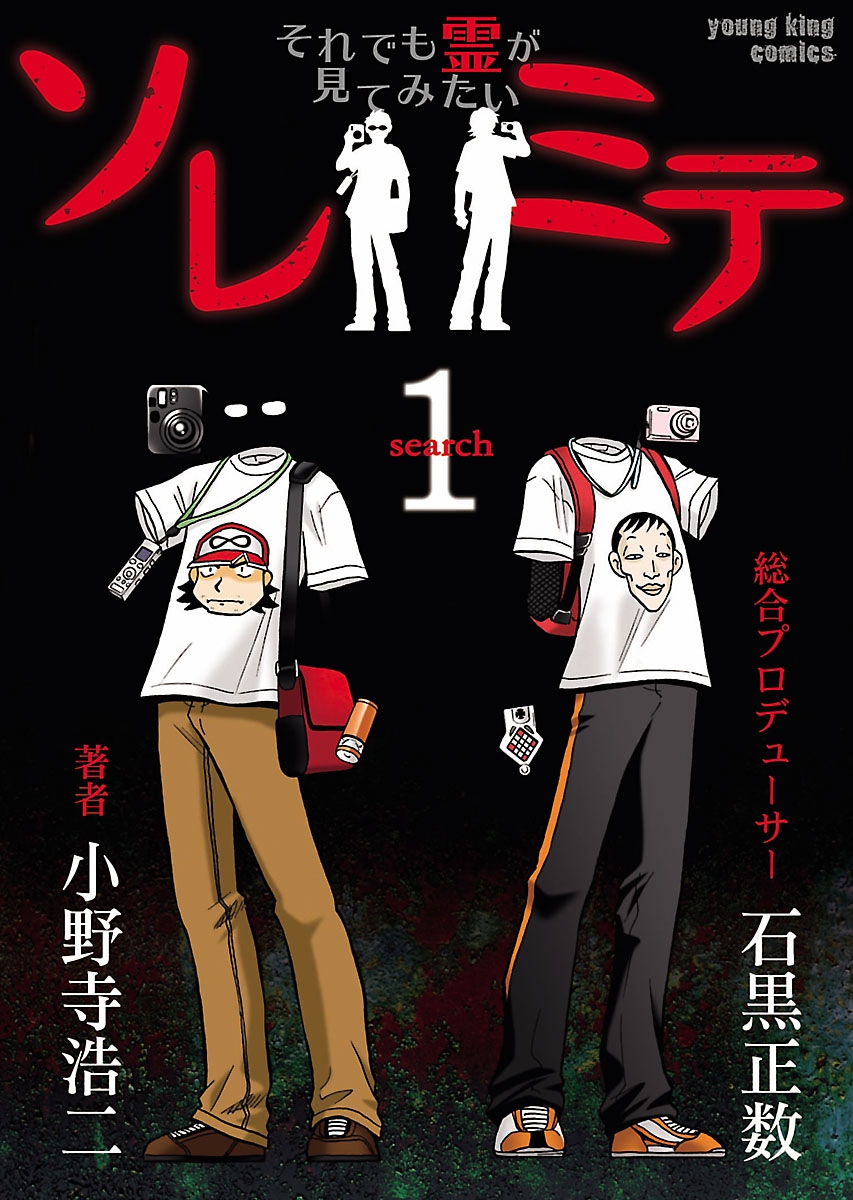
Spoiler commentary and discussion of Solemites - Still, I Want to See the Spirits (manga)
Sole Mite - Still I Want to See Spirits" is a "manga about visiting haunted places" in which manga artist Koji Onodera and general producer Masakazu Ishiguro visit various haunted places with the goal of "actually having a haunting experience. It was serialized in "Monthly Young King Hours" from September 2012 to February 2015. He goes to all kinds of haunted places, from major to minor, and runs east to west to have a psychic experience and to get the evidence of the experience.
Read Article
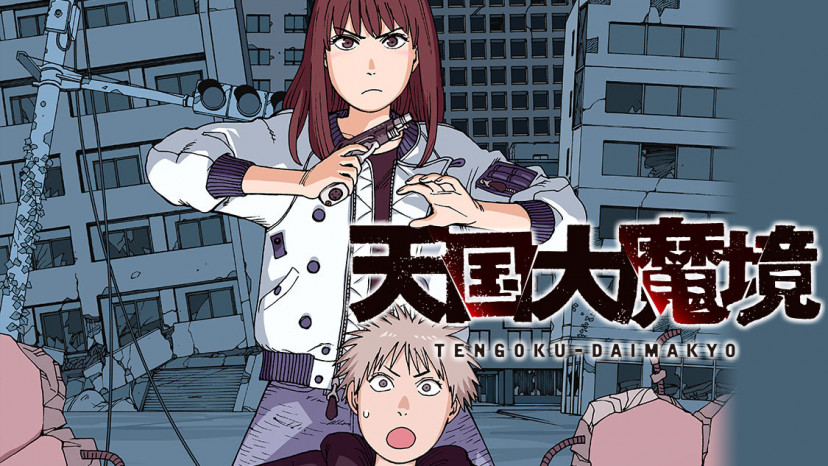
Summary of famous quotes and lines/scenes/scenes from Tengoku Daimakyo
Tengoku Daimakyo" is a manga work by Masakazu Ishiguro that has been serialized in "Monthly Afternoon" since March 2018. The story progresses from two perspectives: children living in a closed institution and two boys and a girl traveling through a collapsed Japan. As the story progresses, it becomes clear that there is a time gap between the two perspectives. The story is told from two different perspectives, and the casual comments and background information foreshadow each other's point of view. The vividness of the foreshadowing that is scattered throughout the work makes it an appealing work.
Read Article
![Anime] Summary of Nishio Ishin's "Monogatari Series" in order of viewing, starting with Bakemonogatari.](https://renote.net/files/blobs/proxy/eyJfcmFpbHMiOnsiZGF0YSI6MTE2OTQsInB1ciI6ImJsb2JfaWQifX0=--937e0c0a546de3855873b0cbb5822ddc080d617b/mono17.jpg)
Anime] Summary of Nishio Ishin's "Monogatari Series" in order of viewing, starting with Bakemonogatari.
The [Monogatari Series], in the midst of an anime adaptation called the Nishio Ishin Project, depicts a boy and a girl encountering a modern-day monster. The number of anime series in the series is so large that it is inevitable to be confused before watching them, but knowing the broadcast order of each series will make it easier to enjoy them. In this article, we will introduce each series in rough outline, broadcast order, and chronological order.
Read Article
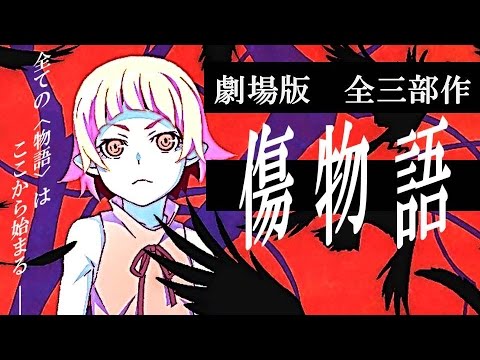
Nishio Ishin's "Kizumonogatari" Theatrical Animation Feature / Part 1〈I Iron Blood Arc
Theatrical release of "Wound Story" started on January 8, 2016. Have you seen it yet? There have already been comments here and there that the quality of the film is "half-assed! I would like to summarize the contents of "Kizumonogatari" and the information about the special offers for visitors, including the impressions of those who have seen the movie.
Read Article
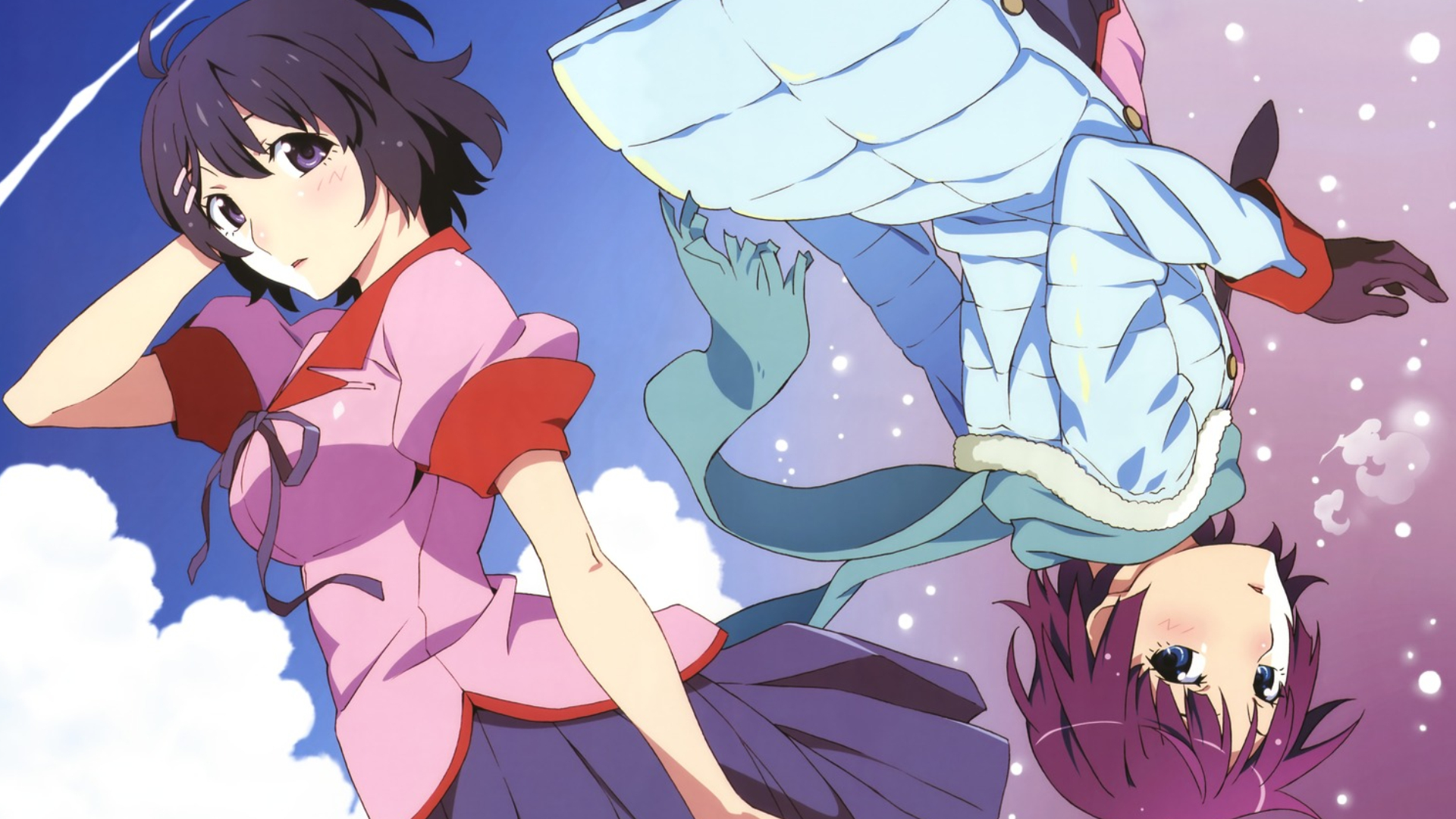
In October, we'll have "The Last Tale!" But first, about the Monogatari series
In October, "Monogatari: The Last Story" will be broadcast. So I would like to introduce the Monogatari series.
Read Article

Summary of good friendship episodes between Kenichi Suzumura and Maaya Sakamoto and their husbands.
Kenichi Suzumura, the voice actor who played Sogo Okita in "Gintama" and Satoru Ikuro in "Oni no Kane", and Maaya Sakamoto, the voice actor who translated Motoko Kusanagi in "Ghost in the Shell" and Satoshi Kusama in "Fruits Basket", are married. Here we have compiled episodes that show how well the popular voice actor couple gets along. We will introduce their profiles and heartwarming episodes as well as how they met.
Read Article
Photos of popular voice actors as child actors + connections
Many voice actors, such as Kana Hanazawa, Aoi Yuki, and Aya Hirano, have been active in the industry since they were child actors. Many of them are well-known now, but we have compiled photos of these popular voice actors from when they were small, along with their connections.
Read Article
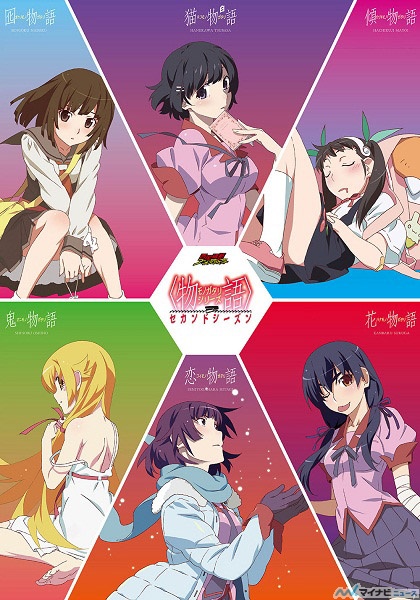
CD "Uta Monogatari," a compilation of theme songs from the Monogatari series, will be released!
A CD of theme songs from the "Monogatari" series, written by Ishin Nishio and produced by Shaft Animation, is going on sale...? So this time, I will spotlight the OP/ED songs that caught my attention with my own bias, along with information on the release of Uta Monogatari.
Read Article
![Addictive] Maaya Sakamoto's Anime OP/ED Songs](https://renote.net/files/blobs/proxy/eyJfcmFpbHMiOnsiZGF0YSI6ODU5NTY0MiwicHVyIjoiYmxvYl9pZCJ9fQ==--288d8614c551b18c14567684b7ee52c60c053407/akito_02_cs1w1_1017x1280.jpg)
Addictive] Maaya Sakamoto's Anime OP/ED Songs
There are songs in the world that make me feel somewhat sad when I hear them, perhaps due to memory compensation. When I got tired of it and looked up "Who is singing this? How many anime songs does she sing? There are so many that I couldn't introduce them all, so I'll introduce five songs that I recommend.
Read Article
Contents
- Summary of "Still the Town Turns
- Ayumori Arashiyama Quotes, Famous Lines / Famous Scenes, Famous Scenes
- Dodgy combo of unstoppable walking birds.
- Walking bird in a good mood going to the store
- No pulse! No pulse!"
- Walking Bird Solves Mystery of Creepy Self-Portrait
- Meido!"
- 'I guess I shouldn't be here anymore, everyone looks so small.'
- A walker with a ridiculous haircut.
- 'Valentine's Day? ...... crap."
- Critical Fit!
- Walking birds talking about their dreams.
- Toshiko Tatsuno / Tatsun's Famous Quotes, Famous Lines / Famous Scenes, Famous Scenes
- This is not a maid cafe.
- Tatsun recalls how he became friends with Ayumori.
- Urceus!
- Nya!!!"
- "Well... there are people out there who think that about you, so have a little bit of faith in yourself."
- Hiroaki Sanada Quotes, Famous Lines / Famous Scenes, Famous Scenes
- Soooo blissful.
- "Wooooooooooooooooooooooooo, back from the woge!"
- I bet every day would be fun if I married this guy."
- Kon Futaba (Kon Futaba) Quotes, Famous Lines / Famous Scenes, Famous Scenes
- Appearance of senior navy blue
- Like the introduction of guns to humans!
- Visit ......."
- Kon senpai going to a festival with Ayumori
- Harue Haribara Quotes and Quotes by Harue Haribara / Famous Scenes and Scenes
- The origin of the special move "Kamama of the Grim Reaper" is revealed.
- Come on, eat up.
- Natsuhiko Moriaki Quotes, Famous Lines / Famous Scenes, Famous Scenes
- "Hahaha, shit! I lost him. I thought he was coming this way. ......!"
- I never knew I had such a sense of humor...!"
- "......pare?"
- Takeru Arashiyama Quotes, Famous Lines / Famous Scenes, Famous Scenes
- I don't ...... understand women."
- "Absolutely not. ......"
- Yukiko Arashiyama Quotes and Sayings / Famous Scenes and Scenes
- Yukiko and Takeru excited at the moment of change from errand to adventure.
- I can't!
- The origin of Yukiko's nickname "Ninja" is revealed.
- Yes!
- Josephine's Famous Quotes / Famous Lines / Famous Scenes / Famous Scenes
- "Hm?"
- Josephine, who does not know her own name.
- Uki Isohata / Master's Famous Quotes and Lines / Famous Scenes and Scenes
- It's our way of not taking care of our customers."
- The master who spits venom at Ayumori's dumb face.
- Uki suddenly starts a maid café.
- Shunsaku Matsuda's Famous Quotes, Famous Lines / Famous Scenes, Famous Scenes
- Who's that cartoonish?
- Shizuka Kameido Quotes and Sayings / Famous Scenes and Scenes
- If you can't even spot a rudimentary trick like this, you can't even be my assistant.
- Still exploring the mysterious "Bechiko Yaki" sweets.
- You know, the friends you make through a common game might stay friends for 10 years or more."
- Zenji Isohata Quotes and Sayings / Famous Scenes and Scenes
- You're not picking me up!
- Eri Isesaki Quotes, Famous Lines / Famous Scenes, Famous Scenes
- Arashiyama-kun is not only smart, he's kind!
- Shrimp jealous of Takeru being surrounded by girls in class.
- Takanori Kikuchi Quotes, Famous Lines / Famous Scenes, Famous Scenes
- Ayutori, you're looking more mature these days..."
- Yuji Sanada Quotes, Famous Lines / Famous Scenes, Famous Scenes
- Yuji Sanada continues to pretend he doesn't know about the memorable herring soba
- Kazutoyo Arai / Kobuhei's Famous Quotes, Famous Lines / Famous Scenes, Famous Scenes
- Cobpei is forced to pay for unrelated glass
- Kosuke Asai Quotes, Famous Lines / Famous Scenes, Famous Scenes
- Asai concentrating all his attention on his back
- Yuma Zanari's Famous Quotes and Lines / Famous Scenes and Scenes
- Zanari pushes Kon senpai down the stairs
- Zanari having a friendly talk with a senior navy blue