

This article presents a summary of the contents of the "Ghibli Diary" written by Toshio Suzuki, Hayao Miyazaki, Isao Takahata, and others who were central figures in the world-renowned animation production company Studio Ghibli. The contents of the journal cover a wide range of topics, including behind-the-scenes stories about the production of the films, as well as daily events and illustrations. The book is quite voluminous, so please take your time and enjoy it with a cup of coffee in hand.
Tuesday, February 29
Imamura Jr. is born within yesterday. Both mother and child are healthy. However, Mr. Imamura was apparently shopping at a convenience store near the hospital when the baby was born, drawing the ire of the entire company as a "convenience store birth.
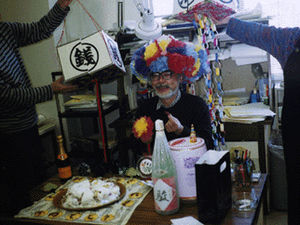
At Ghibli, by the way, Director Miyazaki led a big fuss about decorating Mr. Imura's desk. In no time at all, it was no longer a desk at which he could work. There are rumors that this is just harassment...
The desktop of his computer and the drawers of his desk are also decorated with numerous tricks.
The name "Masako," which is given as "Masako," was written by Director Miyazaki on his own, and Mr. Imamura is not at all aware of it.
Source: www.ghibli.jp
Convenience store birth w

This was written by Director Miyazaki on his own, and Mr. Imura is not at all aware of it... Moreover, "Masako" seems to be the name of Mr. Imura's mother.
Wednesday, March 29
For some reason, the director Mr. Tomomitsu Mochizuki arrived at the company, accompanied by Cal Arts students. He had a lot of business to attend to, but the next thing he knew, the event had changed to an exchange of chocolate eggs. It seems to be a popular activity at Asia-do.
Source: www.ghibli.jp
Friday, April 14
Mr. Ishii asks Mr. Ando to create a poster for "Spirited Away. Mr. Ishii tries to persuade Mr. Ando, who is not keen on the idea. Director Miyazaki sees this and says, "All you have to do is dress up as a woman and stand behind her for a long time. He'll get curious and start writing.
Ishii growled and sent an e-mail to producer Suzuki that night asking what kind of cross-dressing he should do. Naturally, he did not receive a reply.
Source: www.ghibli.jp
Wednesday, April 26
Production Saito participated in the "Spring Bread Festival. He collected 9 white plates, but found out that Yonebayashi, the artist, had already obtained 11. For some reason, Mr. Saito seemed terribly shocked.
Source: www.ghibli.jp
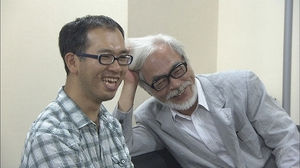
Director Miyazaki & Yonebayashi
arietty (music)
Thursday, April 27
As part of the training program for newcomers, Director Miyazaki will give a lecture. In it, he talks about his aspiration to create a work that quotes Saint Exupery.
He said, "Everyone has Mozart in his heart. If there was a gardener, he would be able to grow beautiful roses, but the boy in front of him does not have such a person, so he listens to the popular songs and the Mozart in them continues to be slaughtered. Everyone is the same as this boy. I want everyone to aspire to a work that will save everyone's slaughtered Mozart."
Source: www.ghibli.jp
Wednesday, May 10
A fan letter arrives from a viewer who saw the NHK special program broadcast on May 4, addressed to Mr. Matsuo and Mr. Tamura, the original artists. The two were delighted, but the original artist, Mr. Yonebayashi, who was also featured in the special, had a complicated expression on his face.
He said, "Don't worry. We have a Maro-sama (Yonebayashi's nickname) fan club in the production. Even though they are all men," the enthusiastic encouragement from the production team does not seem to be reaching Mr. Yonebayashi at the moment.
Thursday, May 11
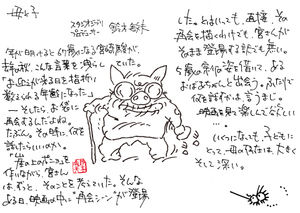
A long-awaited fan letter (?) is handed to Yonebayashi. The sender is a former Ghibli director. The sender is a former senior animator at Ghibli.
He had heard that Mr. Yonebayashi was the only one who did not receive a fan letter for the recent NHK broadcast, so he wrote one in a hurry. The letter began with the poignant remark, "I recognized you at a glance when I saw your picture because there are still not enough original drawings. It ended with "From your fan.
Source: www.ghibli.jp
Long-awaited fan letter
Monday, May 22
Director Miyazaki and Producer Suzuki are having a good time talking about how his wife must not be feeding him strong-flavored food, taking advantage of the fact that he is away for a meeting.
Source: www.ghibli.jp
Friday, July 7
Mr. Kamimura, the production manager, who had not been seen all morning, was down and came to work in the afternoon. What happened to his energetic appearance yesterday when we were having a great time talking about "The Great Yokai War"?
The second session of Otsuka Juku was held. The lecture was given by showing the works of Telecom trainees from more than 10 years ago as teaching materials.
One of the names was familiar to me. I didn't think I would ever show it to him again," he said!
But still, Mr. Otsuka is too rich!" He was furious. But Mr. Otsuka had already left. Sensing his aura of anger, Director Miyazaki soothed him by saying, "The last time I was here, they used a picture of me when I was young as a teaching aid..."
He said, "Please check the train situation tomorrow and come to work at your own discretion. We will not praise you if you do your best and we will not stop you from taking a day off.
The manuscript was written by Director Miyazaki, who could not contain his excitement before the typhoon. Laughing, he instructed Mr. Ishizako, the general manager, to read it out.
Source: www.ghibli.jp

Thursday, July 13
A call comes in suddenly from a certain bank. A person claiming to be an employee of the bank has come to make a payment, but...he says his name is Kazumura. Is this really the right person?
Apparently, the banker became suspicious because of the gap between Mr. Kazumura's usual appearance of "wearing a polo shirt, bare feet, and shoes" and the amount of money he handled. While this is a funny story to us, the attitude of the banker who made the call was quite serious.
After his suspicions were safely confirmed, Mr. Kazumura was indignant, saying, "That was absolutely rude. However, the opinion within the company was exclusively that "with that outfit, it's no wonder they were suspicious. In particular, "barefoot and wearing a pair of shoes" was probably not a good idea.
Source: www.ghibli.jp
Friday, July 21
Director Miyazaki gave up yesterday's vacation to work on storyboards at home.
The earthquake that occurred early in the morning made him think, "Finally, the Great Kanto Earthquake. He was soaking in the momentary joy that he thought, "This is going to wipe out the whole movie..." However, things did not go so well, and his suffering doubled afterwards, and he did not even relax until morning. As is usual for a director to seek salvation from a natural disaster, the pain of childbirth is even more intense than usual.
Source: www.ghibli.jp
Saturday, July 22
Director Miyazaki left in the morning for an acupuncture session. He was given a thousand needles from the tips of his head to the soles of his feet. He said, "They also pass electricity through the needle, so my body starts to shake like when they experiment on frogs.
But it works so well that it scares me. You're pushing your body beyond its limits and making it hold on. If you do it five more times, you'll die.
However, the production team, taking advantage of the director's recovering energy, smiles and asks him coolly, "Please give him a contest, please.
Source: www.ghibli.jp
Thursday, July 27
The stopwatch used by Director Miyazaki breaks down. The second hand would suddenly stop and then start going backwards. He decided to use a stopwatch that the company had bought and stored at his office, which had a stopwatch that spins at 6 seconds per lap.
The director, who had been using a 60-second stopwatch for a long time, was rolling his eyes at how fast the second hand was spinning.
The broken stopwatch, on the other hand, was "a memento, so fix it as best you can," said the director. Looking at the back of the stopwatch, he saw Yoshifumi Kondo's name. The director said, "It's not a memento, but rather, I'm just using Kondo-san's without his permission. The director also said, "It's Chikachan's tari.
Source: www.ghibli.jp
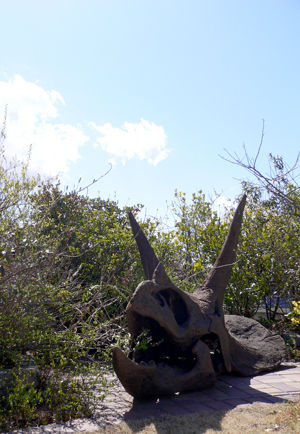
Triceratops living on the Ghibli rooftop
Thursday, August 3
Boringly, Mr. Miyoshi passed his driving school graduation test. I was hoping he would slip up at least one more time and make me laugh. However, the written test at the Fuchu Examination Center awaits next. He showed us a good performance in his provisional driving test by slipping in the course.
August 4 (Friday)
To make things even more boring, Mr. Miyoshi passes the written test at the first try. His driver's license is issued without incident. In the production room, Director Miyazaki joins in the furious booing.
Source: www.ghibli.jp
Monday, August 7
Mr. Yuri Norshteyn, a Russian master artist, visited our office for the third time. He came to Japan with the opening and ending of the TV program "Goodnight Children," which he made to raise money for the production of the unfinished "The Cloak" (actually, he says, it was in the red...).
The screening room was packed with people for the screening of the new film, which lasted 2 minutes and 15 seconds and took one and a half years to make. It was a rush film that had just been uploaded three days before his visit to Japan, so there was no sound yet, but the characters, movements, colors, etc., were all truly wonderful. There were sighs from everywhere in the screening room.
Prior to the screening, Director Miyazaki had a friendly chat with Mr. Norshtein as he showed him around the company. He showed them the cut list of the tight schedule and said, "Come on, earthquake," as he always asks for help from natural disasters. Norshtein seemed to agree. The birth pains of writers are the same all over the world.
Source: www.ghibli.jp
Earthquake, come on.

Related Articles
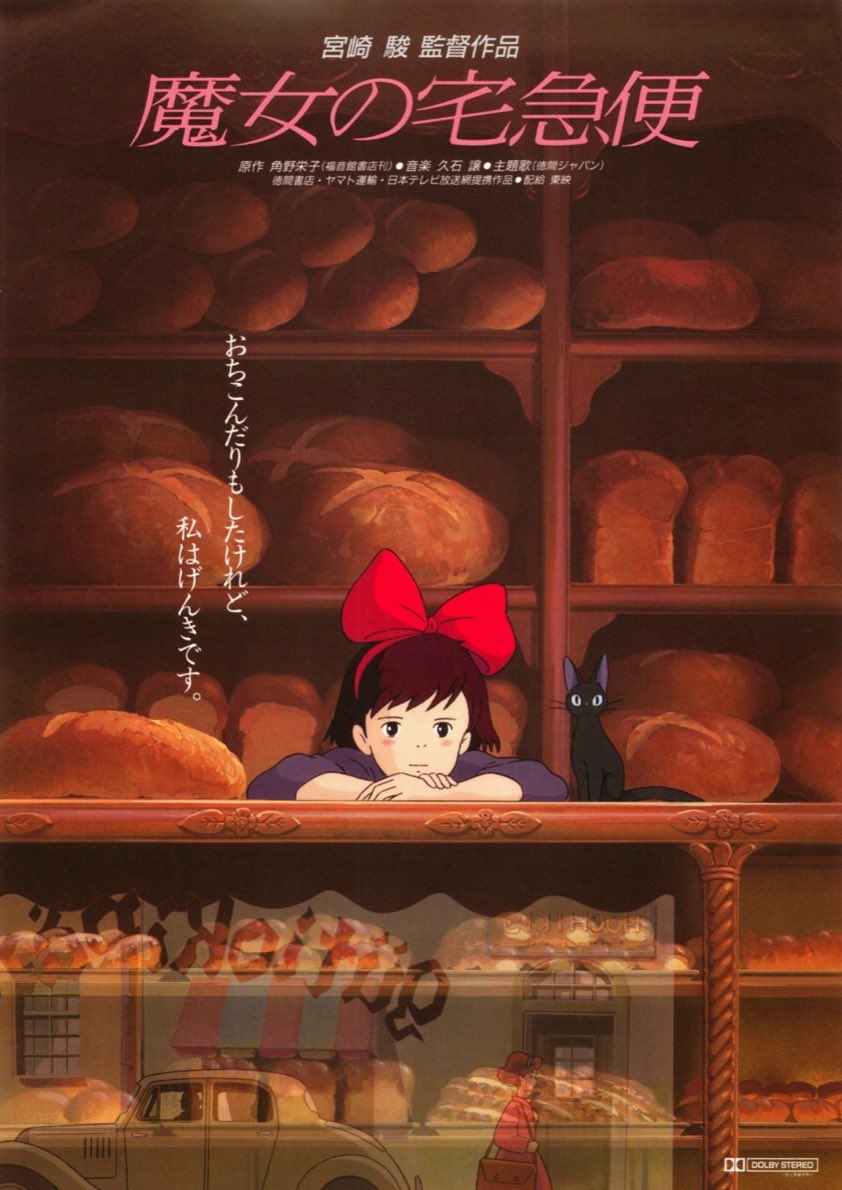
Catch Copy Summary of Ghibli Works by Shigesato Itoi, Toshio Suzuki, and Masaya Tokuyama [The Witch's Delivery Service].
We have compiled a list of famous catchphrases from Ghibli films by Shigesato Itoi, Toshio Suzuki, and Masaya Tokuyama. The Witch's Delivery Service" and "The Wind Rises". and "I must live" from "The Wind Rises. and "I have to live" from "The Wind Rises. Here we introduce their brief biographies and the works for which they were in charge of catchphrases.
Read Article
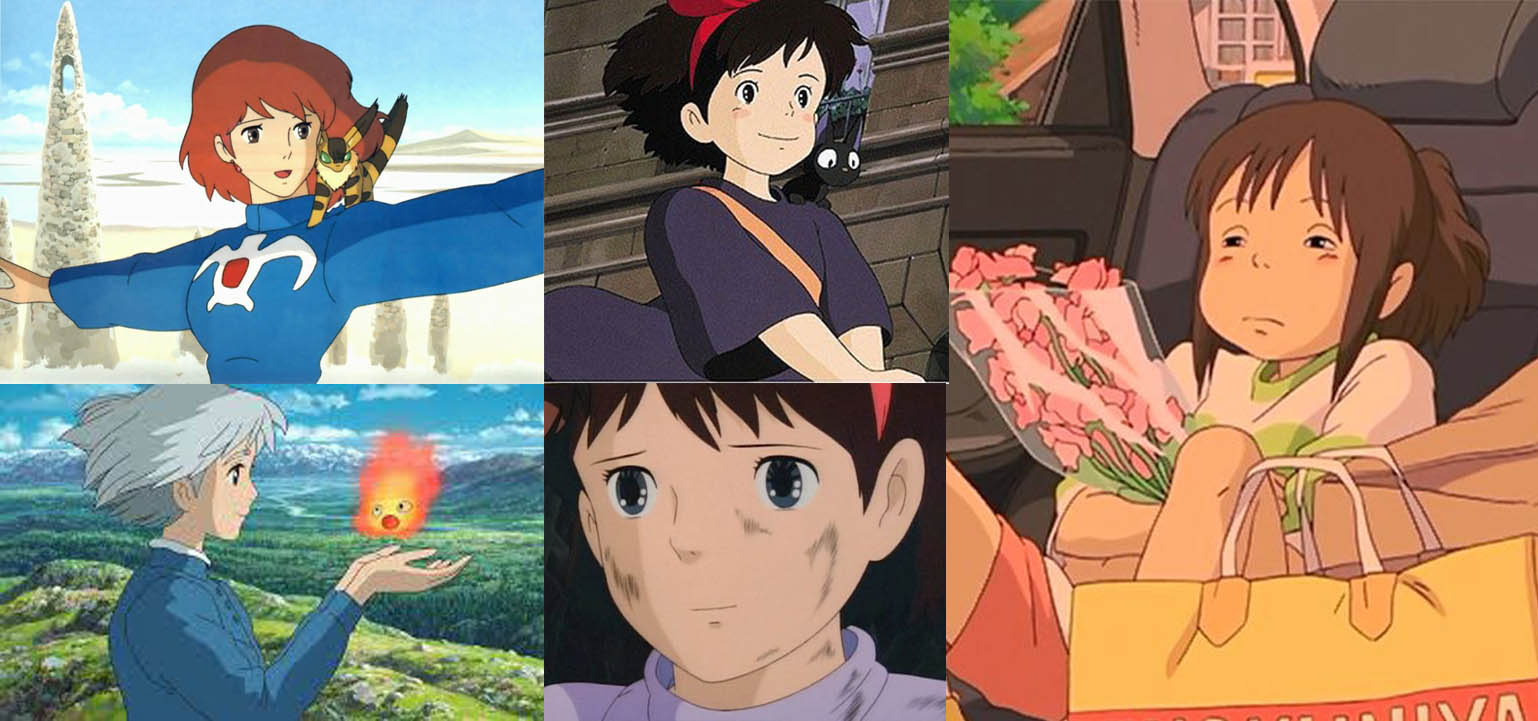
Summary of Ghibli's past heroines
Ghibli's historical heroines are the female characters who appear in Ghibli films such as "Nausicaa of the Valley of the Wind" and "Laputa: Castle in the Sky. Ghibli heroines often appear as protagonists, and their presence is often admired by fans. Although mainly teenage girls play an active role, there are also young girls such as Ponyo and Mei, and adult women such as Madame Gina, who also make up the cast of the films.
Read Article
![Studio Ghibli] Ehh... Too Scary to be Quicksilver... A compilation of the Scariest Ghibli Urban Legends.](https://renote.net/files/blobs/proxy/eyJfcmFpbHMiOnsiZGF0YSI6ODY4OTEzMywicHVyIjoiYmxvYl9pZCJ9fQ==--14548f541bdc1bbadea476760f449082caa71346/61Ia+bUCNGL.jpg)
Studio Ghibli] Ehh... Too Scary to be Quicksilver... A compilation of the Scariest Ghibli Urban Legends.
Ghibli" films have various charms, such as cute characters, adventure stories, and nostalgia. However, behind the popularity of these works, there are also a wide variety of urban legends and rumors about them. This section introduces a collection of rumors and scary urban legends about Ghibli's works.
Read Article
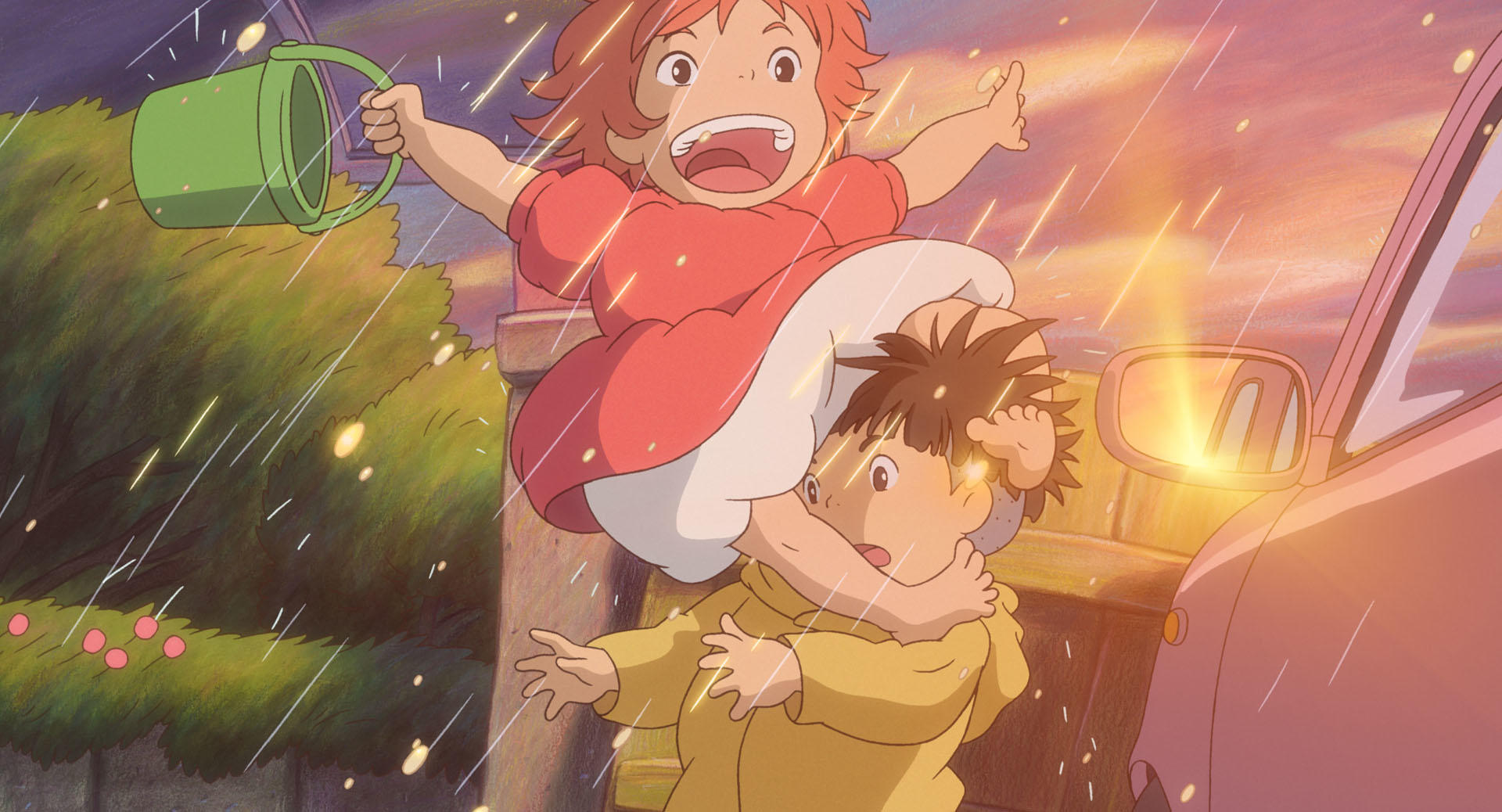
A compilation of couples from Studio Ghibli produced films! Pazoo & Sita, Howl & Sophie, and more!
This article introduces a collection of couples who appear in films produced by Studio Ghibli. From the smiling couple Sosuke and Ponyo in "Ponyo on the Cliff" to the adult romance of Marco and Gina in "Red Pig," many love scenes are depicted in Ghibli films. The article also introduces brief characteristics of the main characters.
Read Article
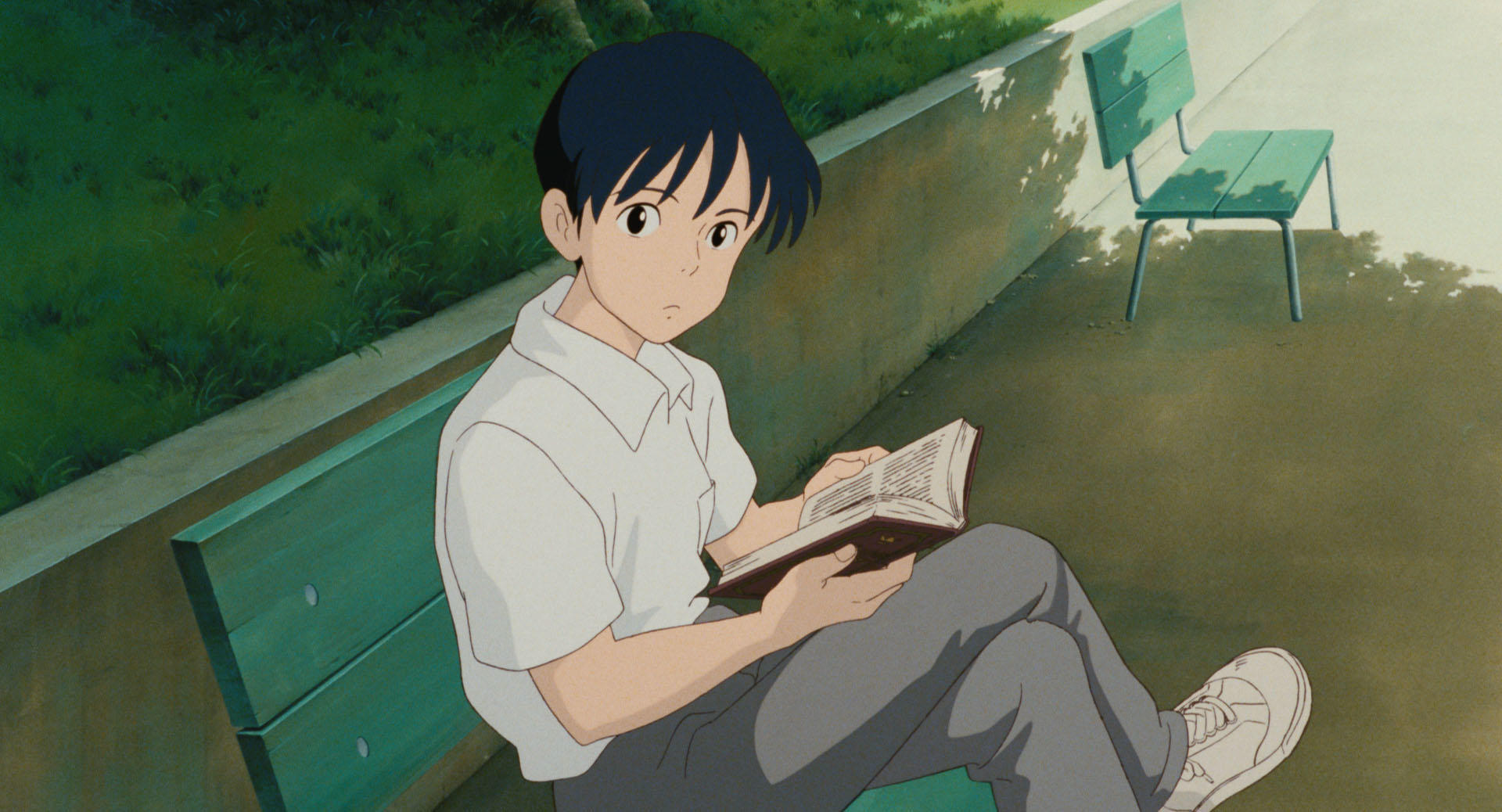
A compilation of handsome characters from Ghibli movies! The circumstances they each have are fascinating!
This article introduces a collection of handsome characters that have appeared in films produced by Studio Ghibli. Many attractive characters have appeared in Ghibli films, such as Haku from "Spirited Away," Pazoo from "Castle in the Sky," and Sho from "The Borrower Arrietty. Each of these characters has his or her own story, and this is what makes them so appealing. We hope you will find your favorite character.
Read Article
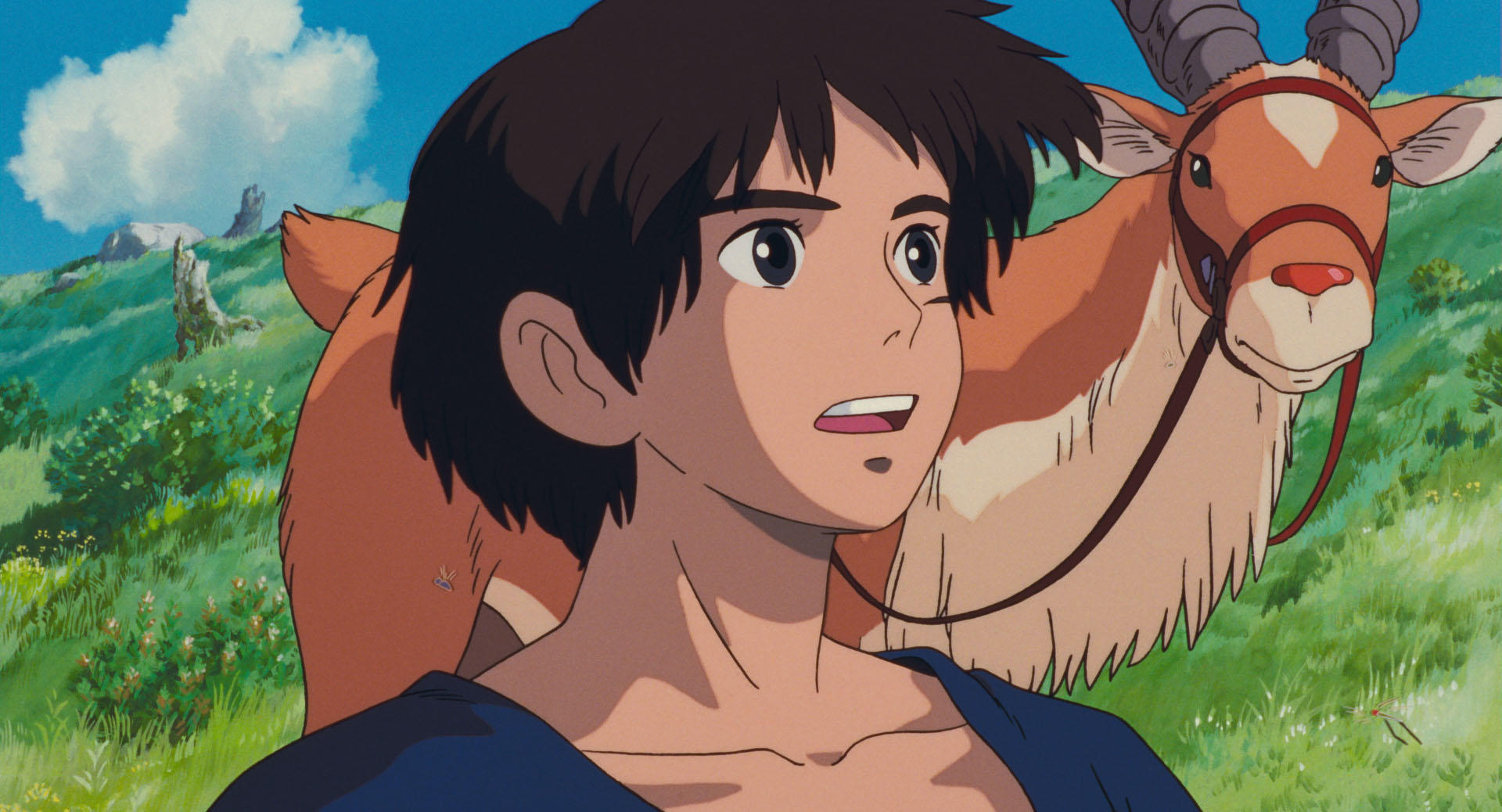
Ghibli Characters Ranked by Strength! A wide range of choices from forest fairies to gods!
This article presents a ranking of the strength of characters appearing in films produced by Studio Ghibli. In the article, we have selected characters from a wide range of genres, including Gyobu Oragami from "Heisei Raccoon War Ponpoko," Kaonashi from "Spirited Away," and "My Neighbor Totoro," so please be sure to check it out until the end.
Read Article
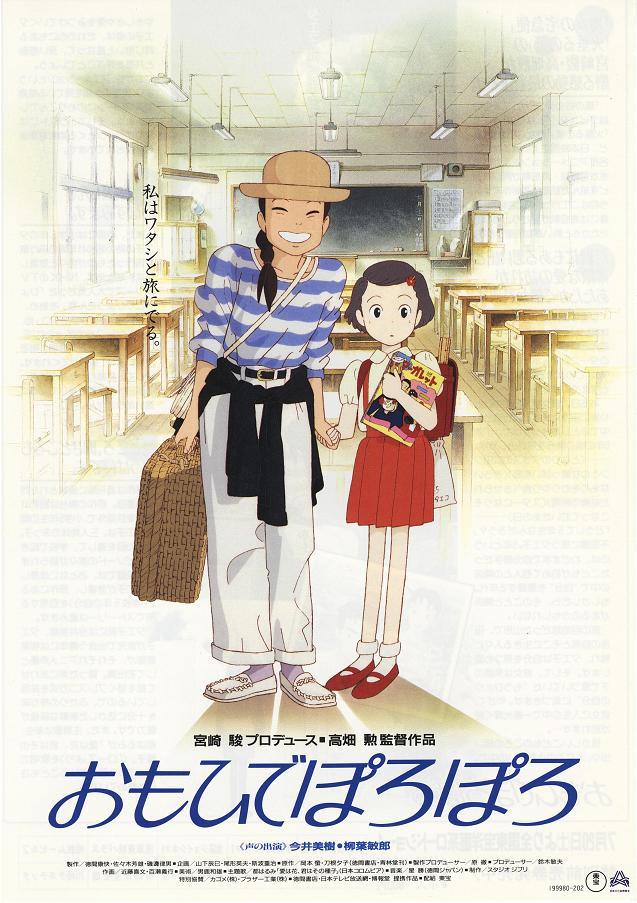
Omohide Poroporo (Ghibli Movie) Spoiler Commentary and Discussion Summary
A Studio Ghibli film released in 1991. Directed and written by Isao Takahata. Hayao Miyazaki also participated as a production producer. The film tells the story of a 27-year-old me who sets out on a journey alone, and looks back on my life up to that point with "Watashi, a fifth grader. The participation of Imai Miki and Yanagiba Toshiro as voice actors was also a hot topic at the time of the screening. The catch copy of the film is "I'm going on a journey with Watashi.
Read Article
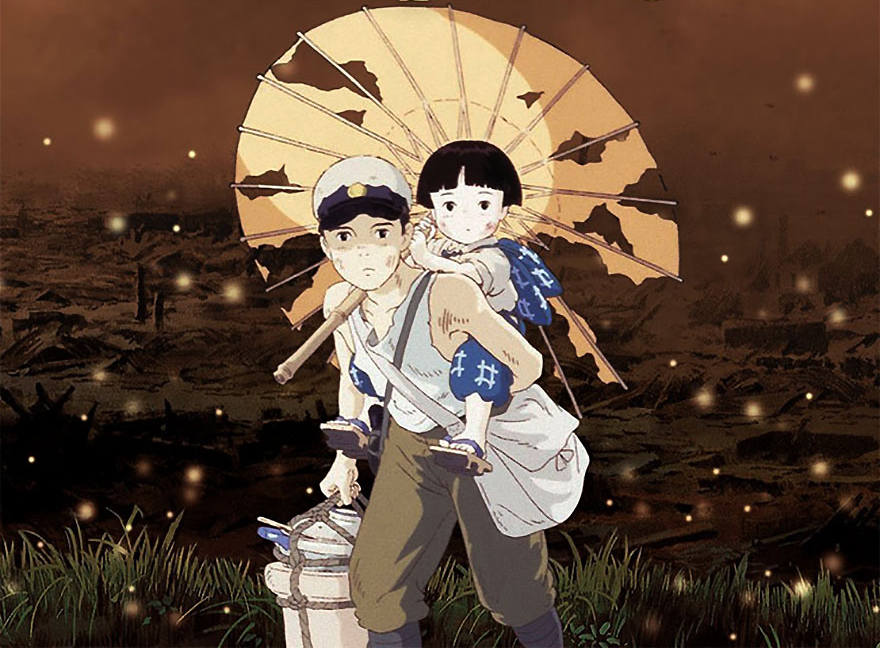
Spoiler commentary and discussion of Grave of the Fireflies (Ghibli film).
Based on Akiyuki Nosaka's short story about his war experiences, "Grave of the Fireflies" is an animated feature film directed and written by Isao Takahata and produced by Shinchosha and Studio Ghibli, which was released on April 16, 1988, in Toho theaters. Set in the suburbs of Kobe and Nishinomiya cities in Hyogo Prefecture during World War II, the film tells the story of Seita, a 14-year-old brother, and his 4-year-old sister, Setsuko, whose mother died while their father was off to war, as they struggle to survive in the chaos around the end of the war.
Read Article
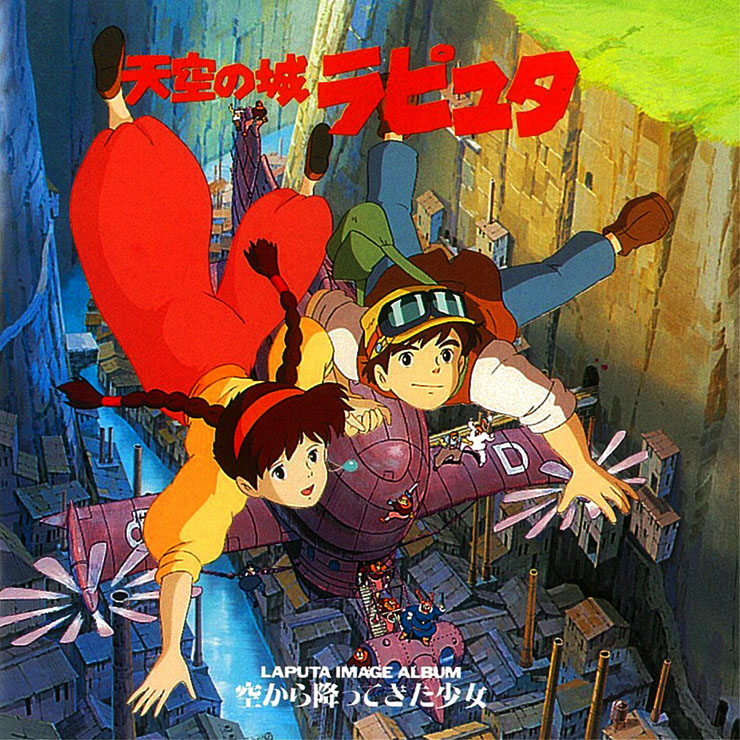
Castle in the Sky (Ghibli Movie) Spoiler Commentary and Discussion Summary
Released in 1986, this is a Studio Ghibli film. Hayao Miyazaki directed, wrote the script, and wrote the original story for this feature-length animation. Sita has a mysterious stone called the Flying Stone, and a boy named Pazoo rescues her. Dreaming of discovering Laputa, an island supposedly floating in the sky, Pazoo, who has been building an airplane, proposes to search for Laputa with Sita. Then, aerial pirates, government forces, and others intervene, aiming for the flying stone and Laputa. The fact that it is not just an adventure adventure drama has made it popular even after several decades.
Read Article
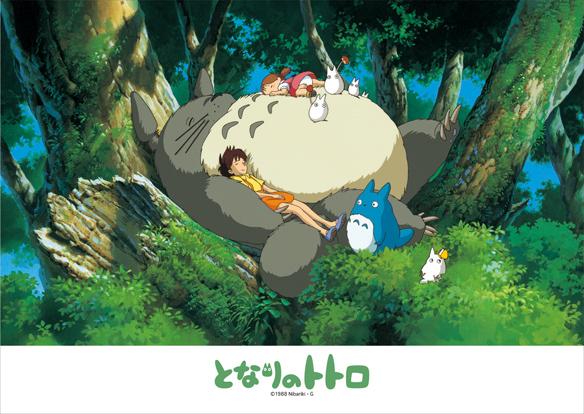
My Neighbor Totoro (Ghibli Movie) Spoilers and Discussion Summary
Released in 1988. In the 1950s, sisters Satsuki Kusakabe and Mei Kusakabe move to a lush green farm village and meet Totoro, a strange creature. Including a cat bus, this film depicts their interactions with these people, whom they only see as children, and a bit of growing up. It is also a film with refreshing depictions of nature and many dark urban legends to contradict it. An animated film written and directed by Hayao Miyazaki.
Read Article
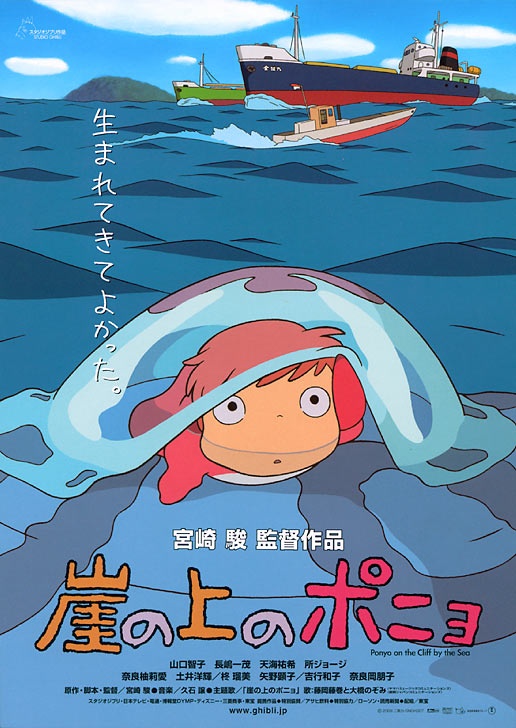
Ponyo on the Cliff (Ghibli film) Spoiler Commentary and Discussion Summary
Ponyo on the Cliff" is an animated feature film directed by Hayao Miyazaki and produced by Studio Ghibli and released in 2008. The ending theme song "Ponyo on the Cliff," sung by Fujioka Fujimaki and Nozomi Ohashi, became a hot topic, reaching No. 3 on the Oricon weekly chart. Sosuke, a five-year-old boy who lives in a house on a cliff, meets a fish girl named Ponyo in the sea. Ponyo falls in love with Sosuke and tries to become human.
Read Article
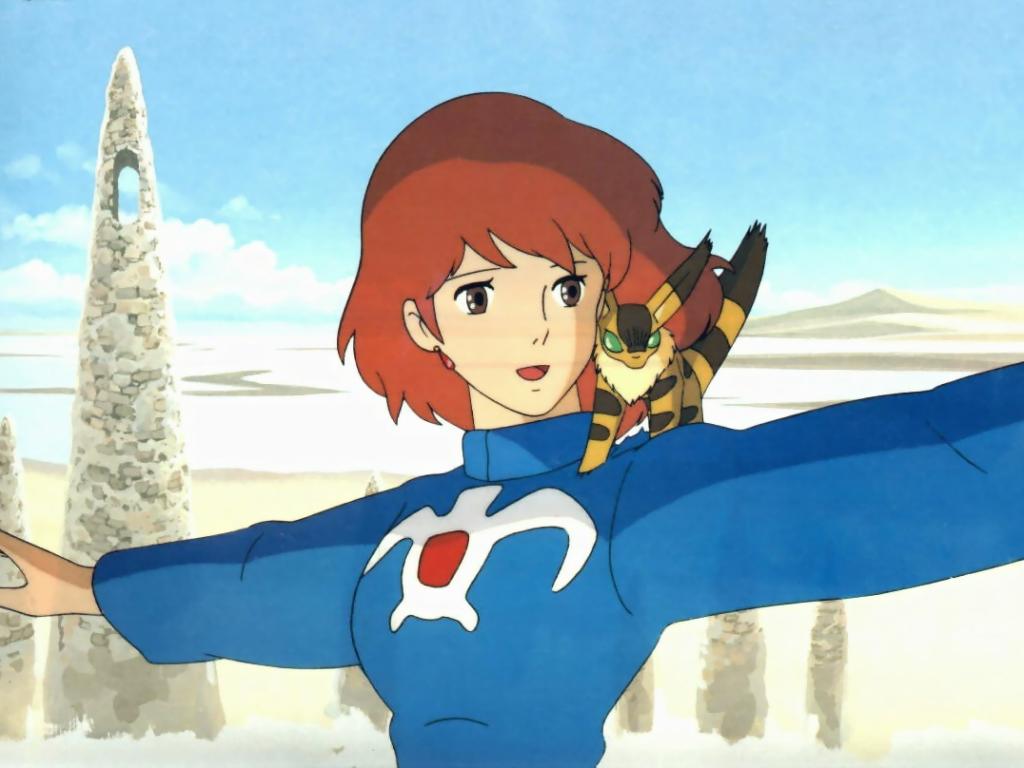
Spoiler commentary and discussion of Nausicaa of the Valley of the Wind (Ghibli film).
Nausicaä of the Valley of the Wind" is a 1984 Top Craft-produced Japanese animated film and the second animated feature film directed by Hayao Miyazaki. It is based on Miyazaki's manga of the same title, "Nausicaä of the Valley of the Wind," which was serialized in "Animage. In the far distant future, modern civilization has collapsed and the world is covered by a fungus forest called the "Sea of Decay. The film depicts the life of a young girl who survives in the remote "Valley of the Wind".
Read Article
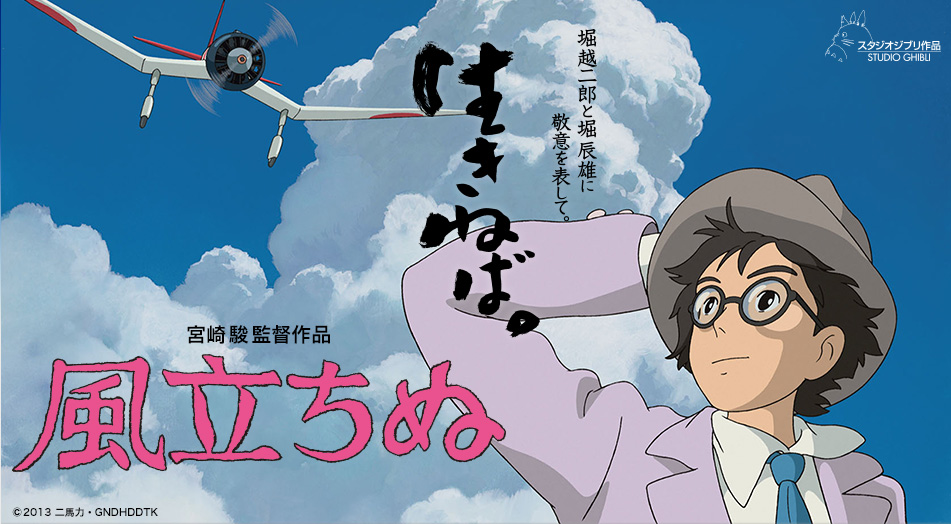
Spoiler commentary and discussion of The Wind Rises (Ghibli film).
The Wind Rises" is an animated film released by Studio Ghibli in 2013 and directed by Hayao Miyazaki. Its catchphrase is "I must live." . The main character, Jiro Horikoshi, has loved airplanes since he was a child and wanted to become an airplane pilot. However, due to a critical defect, namely his nearsightedness, he gave up his dream of becoming an airplane pilot and decided to become a designer. When he was a university student, he was struck by the Great Kanto Earthquake and fell in love with Nahoko Satomi, a girl with tuberculosis whom he met at that time. The film is a moving portrayal of a young man struggling between life and death as the Taisho and Showa eras pass by.
Read Article
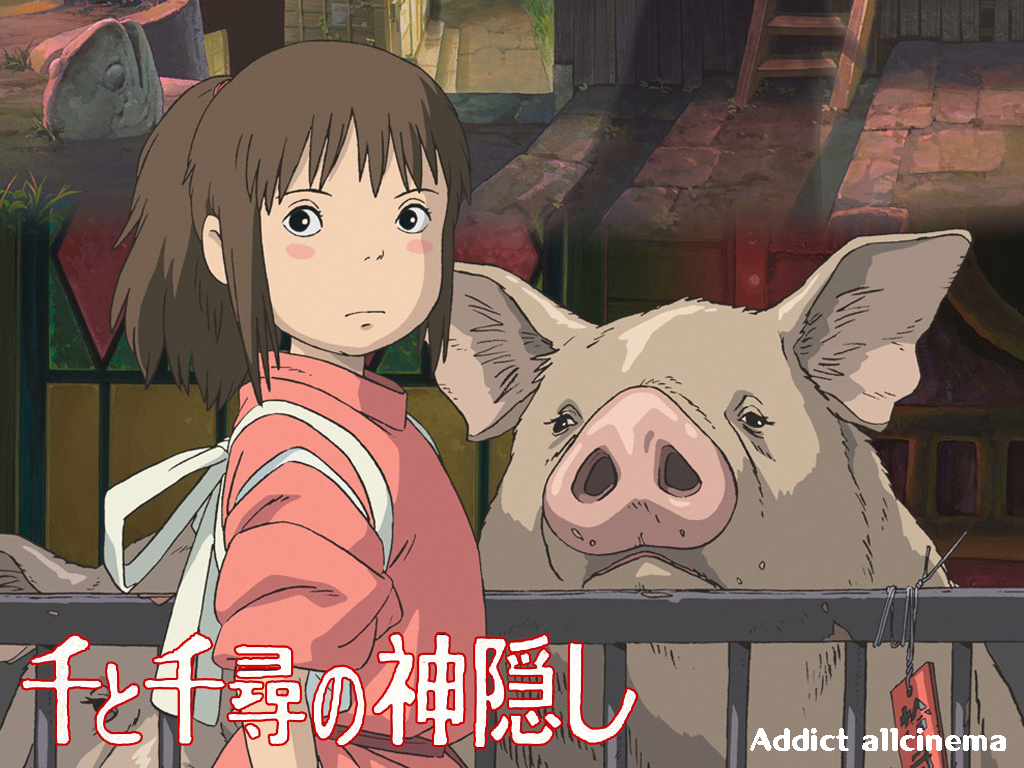
Spoiler commentary and discussion of Spirited Away (Ghibli film)
Spirited Away" is an animated feature film by Ghibli that was released in theaters in the summer of 2001. The film tells the story of a 10-year-old girl named Chihiro who wanders into the world of the gods. The film generated box-office revenues of over 30 billion yen and won an Academy Award in 2003. It is truly a masterpiece among masterpieces. It is such a masterpiece that it was voted by the BBC of the United Kingdom in 2016 as the fourth best film of the 21st century in their list of the 100 greatest films of the 21st century.
Read Article
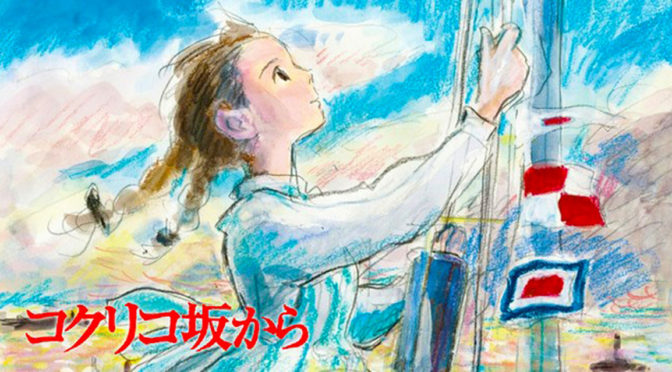
Spoiler commentary and discussion of From Up On Poppy Hill (Ghibli film).
From Up On Poppy Hill" is an animated film by Studio Ghibli released in 2011. The director is Goro Miyazaki, and the catchphrase is "Ue wo muite arukou." The film is based on the story of a high school student, Mel. Every morning, a second-year student at Konan Gakuen High School, Umi Matsuzaki, aka Mel, flies a flag in the garden. It was a signal flag for her father, who had gone off to war and never returned. One day, she noticed that she was featured in the school newspaper, "Weekly Carceratan," as the girl who flies the flag. It was an article written by Shun Kazama, a junior at the same high school. Mel begins to pay attention to Shun because of this article and gradually becomes attracted to him.
Read Article
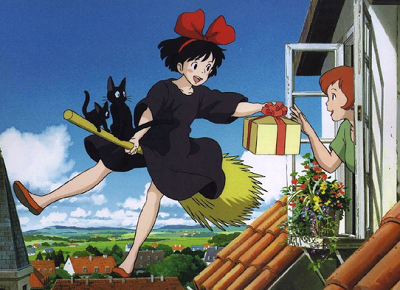
Spoiler commentary and discussion of The Witch's Delivery Service (The Witch's Home)
The Witch's Delivery Service" is an animated film produced by Studio Ghibli and released in 1989. Kiki, a 13-year-old witch, leaves her home town on a full-moon night and arrives in Koriko, a town across the sea. There, she opens "The Witch's Delivery Service" and experiences setbacks and grows up. Based on Eiko Kakuno's "The Witch's Delivery Service," the film features less fantasy than the original.
Read Article
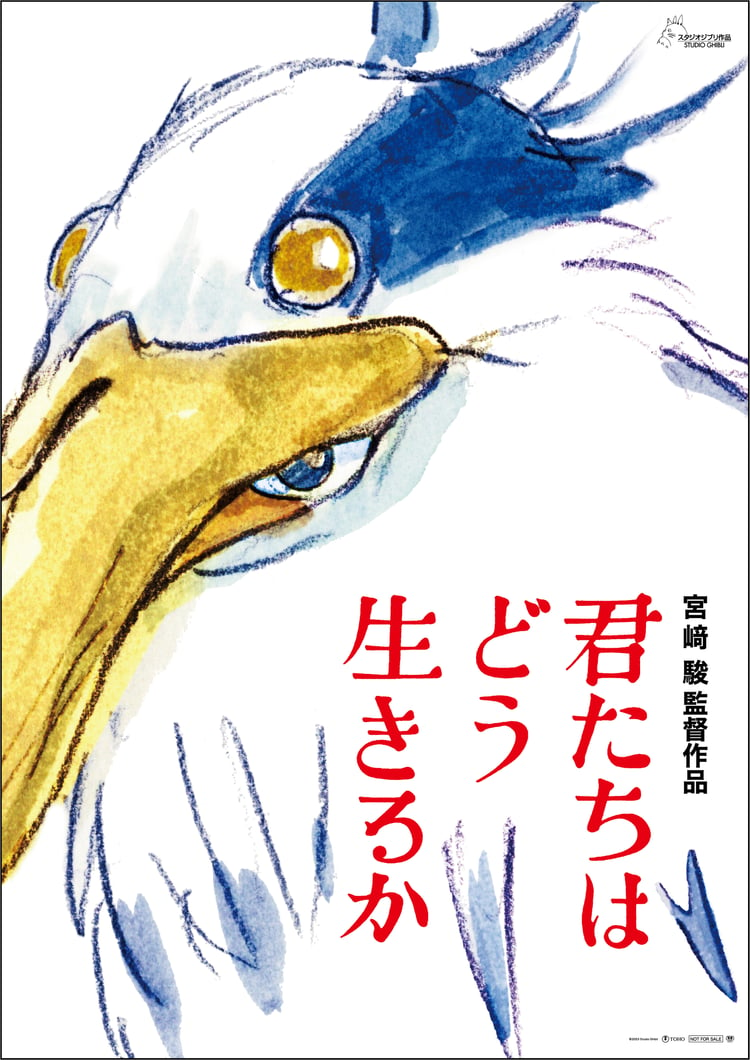
Spoiler commentary and discussion of How Do You Live (Ghibli movie)
How Do You Live?" is an animation film by Hayao Miyazaki about a boy who travels through a mysterious world to save his mother-in-law. The film, which Miyazaki made explicitly stating that "this is really the last one," became the talk of the town for its unique technique of being released with no publicity, no official website, and no information at all. As the Pacific War intensifies, Masato Maki and his father move to the suburbs, where he is reunited with his aunt Natsuko, who is to become his new mother-in-law. While the two are at a loss as to how to interact with each other, Natsuko disappears into thin air, and Maki is led on a journey to another world by a mysterious blue heron in order to bring her back.
Read Article
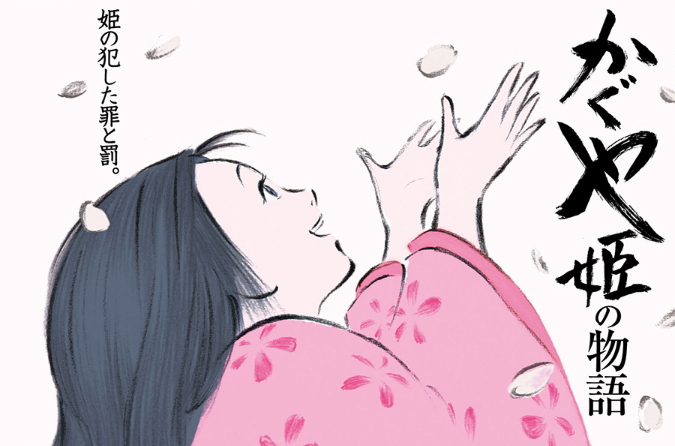
The Tale of Princess Kaguya (Ghibli film) Spoilers and Discussion Summary
The Tale of Princess Kaguya" is an animated film produced by Studio Ghibli and directed by Isao Takahata for the first time in 14 years, based on "Taketori Monogatari", said to be the oldest story in Japan. The catchphrase is "The Crime and Punishment Committed by the Princess. The film retains the plot of "The Tale of the Bamboo-Cutter," in which Princess Kaguya, a girl who emerges from the bamboo, grows up beautifully, fends off men's advances, and eventually returns to the moon, and depicts the truth behind the story and the "heart" of Princess Kaguya, which no one ever knew why she came to earth and why she had to return to the moon.
Read Article
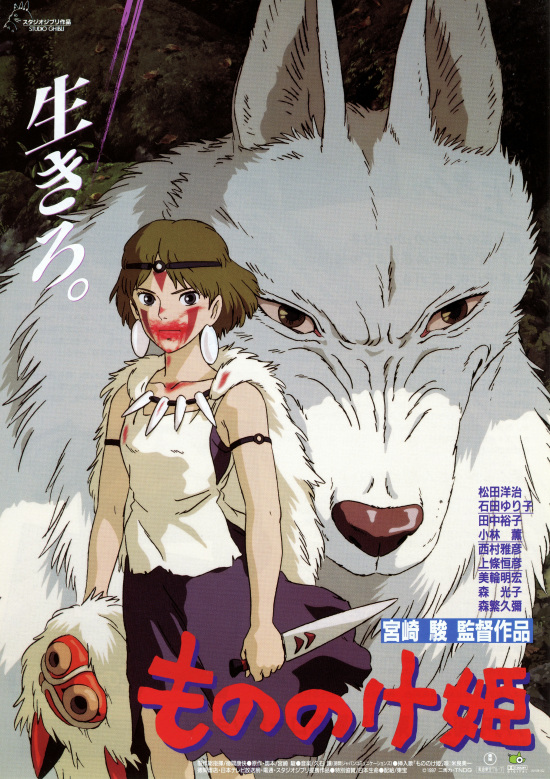
Princess Mononoke (Ghibli Movie) Spoiler Commentary and Discussion Summary
Princess Mononoke" is an animated feature film written by Hayao Miyazaki and Studio Ghibli. The film was released nationwide on July 12, 1997, with some movie theaters holding long-run screenings until early spring 1998, The film grossed 19.3 billion yen, making it the highest-grossing Japanese film of the 20th century. The film depicts the encounter between a human named Ashitaka and San, who was raised by a monster, and is an epic depiction of the conflict between man and nature.
Read Article
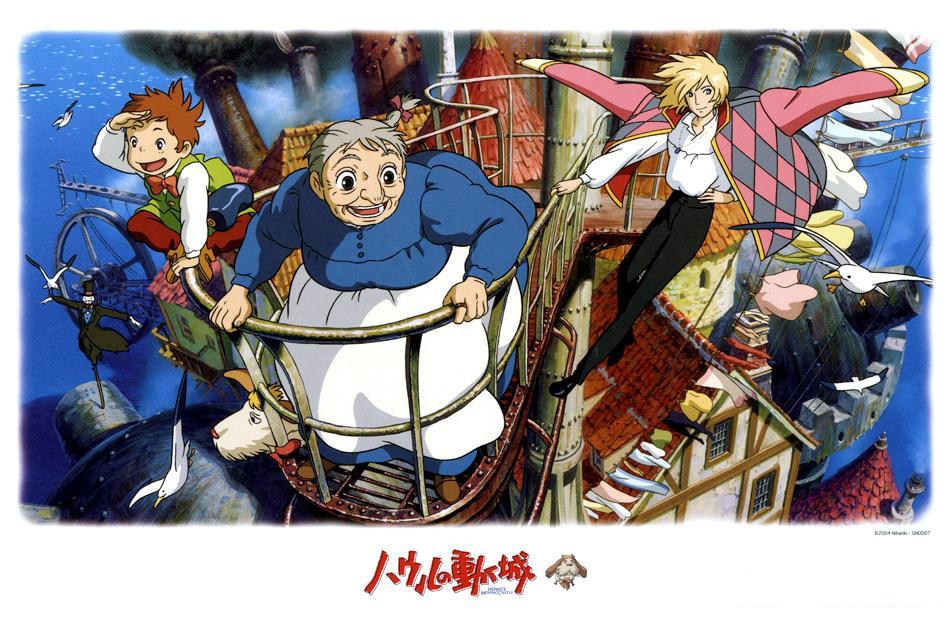
Howl's Moving Castle (Ghibli Movie) Spoiler Commentary and Discussion Summary
Howl's Moving Castle" is a Japanese animated feature film directed by Hayao Miyazaki and produced by Studio Ghibli, which was released nationwide on November 20, 2004, grossing 19.6 billion yen at the box office. It surpassed "Princess Mononoke" and became the second largest animated film produced by Studio Ghibli after "Spirited Away". The story takes place in a fictional world where magic and machines coexist. It depicts the warlike love between Sophie, a girl who was turned into an old woman by a curse, and Howl, a wizard.
Read Article
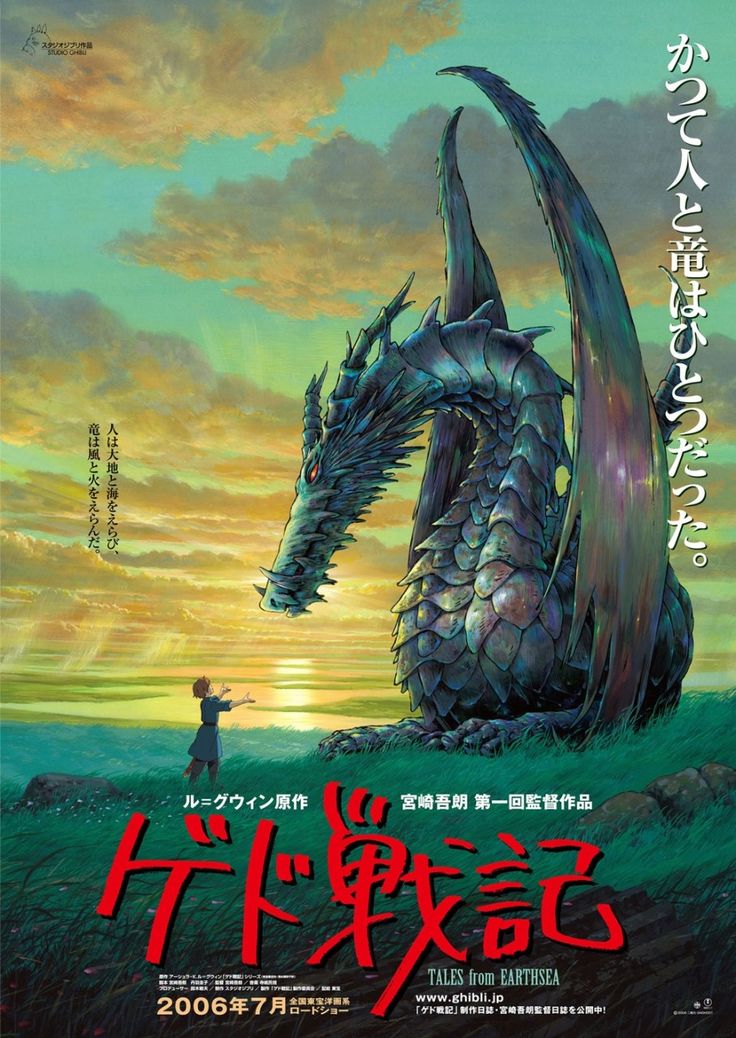
Spoiler commentary and discussion of Gedo Senki (Ghibli movie).
Released in 2006, this is a Studio Ghibli film and the first animated feature film directed by Goro Miyazaki, the son of Hayao Miyazaki. Prince Allen, who has abandoned his country and set out on a journey, and Teru, a girl with a burned face whom he meets on his journey. As the two travel, they come to understand each other better while confronting their own painful pasts. This work brings various ways of thinking about the message and the way they walk into each other's hearts and grow together.
Read Article
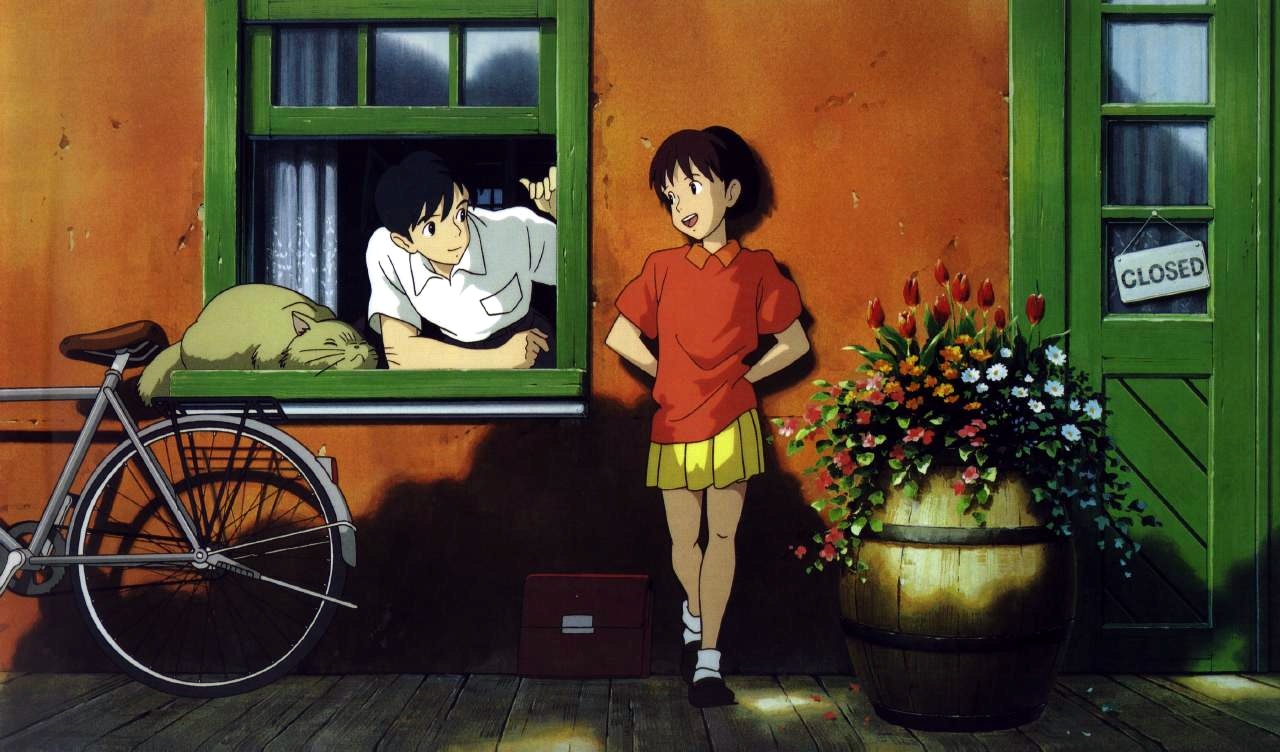
Summary of spoiler commentary and discussion of "Mimi wo susumeba" (ear-splitting)
Mimi wo Sumeba" is a Ghibli film released in 1995. The original author is Aoi Hiiragi. This is the first and last film directed by Yoshifumi Kondo, who supported Ghibli's films with his drawings, and Hayao Miyazaki was in charge of the script and storyboards. The story centers on the main character "Tsukishima Shizuku" and depicts her love, dreams, and worries. It is a sweet and sour coming-of-age story that everyone has experienced at least once, and it remains a popular work.
Read Article
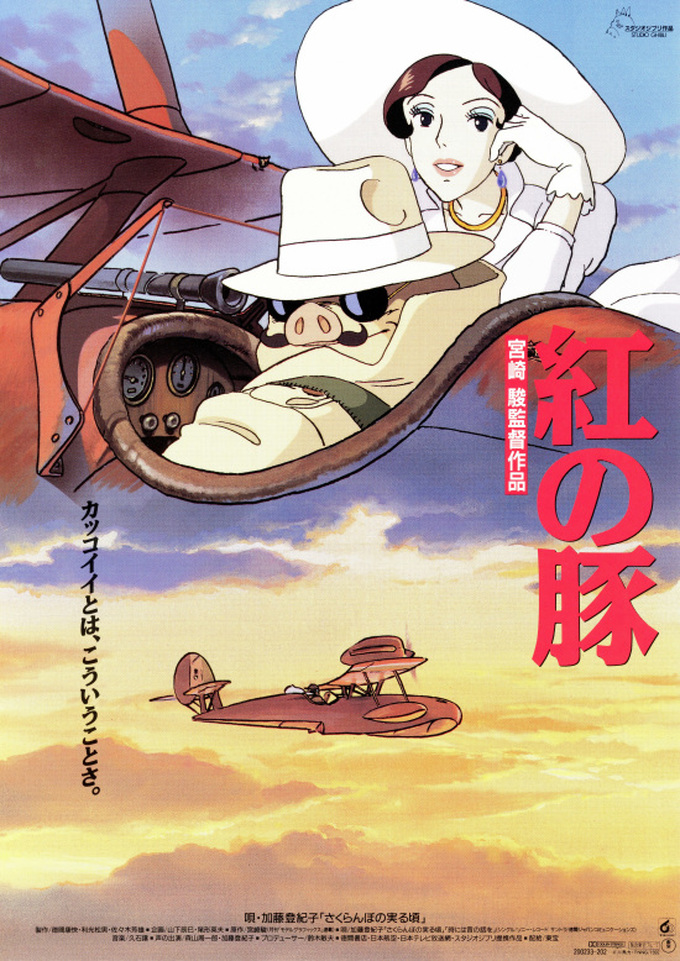
Red Pig (Ghibli Movie) Spoilers and Discussion Summary
Red Pig" is a Japanese animated feature film produced by Studio Ghibli and directed by Hayao Miyazaki, which was released in theaters on July 18, 1992. It is set in the Adriatic Sea in Italy, which is shaken by the Great Depression. Marco, an Italian who has enchanted himself into the form of a pig, uses the alias "Porco Rosso" and engages in aerial combat as a bounty hunter against air pirates who use flying boats.
Read Article
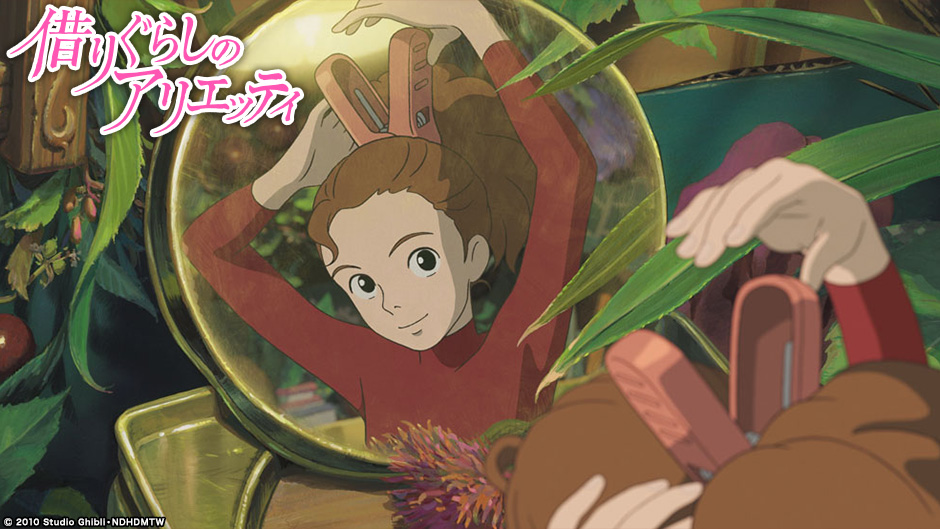
Spoiler alerts and discussion of The Borrower Arrietty (Ghibli film).
The Borrower Arrietty" is an animated film produced by Studio Ghibli and directed by Hiromasa Yonebayashi, based on the book "The Little People Under the Floor" by Mary Norton. The film won the Japan Academy Award for Best Animated Film in 2011 with a final box-office revenue of 9.25 billion yen. The very beautiful visuals went well with the music in the film, and made the viewers engrossed in watching it. The film depicts how a dwarf, who must not be seen by humans, hides and lives in a human house while borrowing things, and the friendship and bond between the dwarf, Arrietty, and the boy, Sho, that is built in a short time.
Read Article
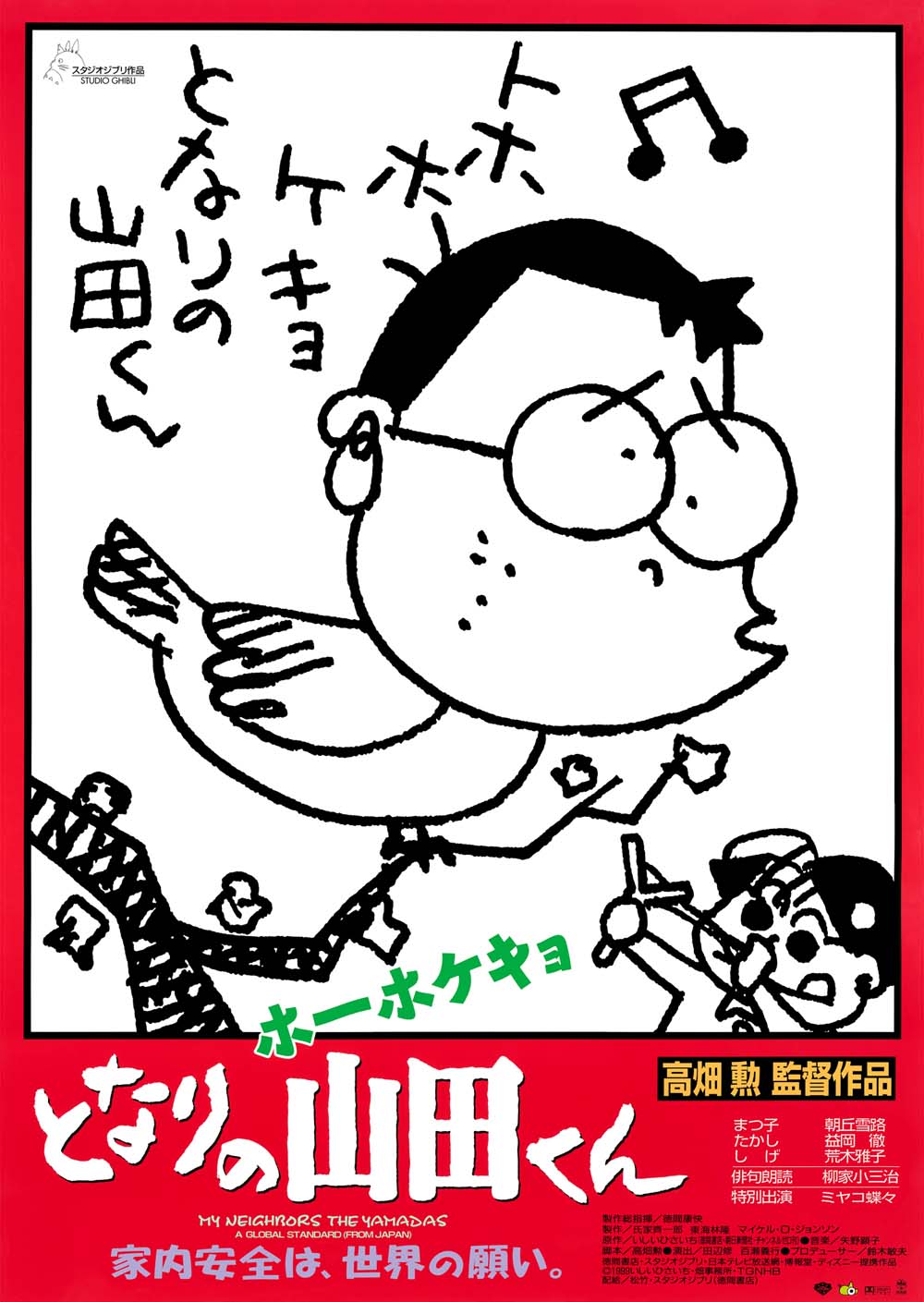
ホーホケキョ となりの山田くん(ジブリ映画)のネタバレ解説・考察まとめ
『ホーホケキョ となりの山田くん』とは1999年に公開されたスタジオジブリの長編アニメーション映画である。監督を高畑勲が務め、スタジオジブリ作品において唯一松竹によって配給された作品となっている。原作は朝日新聞に連載されていた、いしいひさいち作の『となりの山田くん』。映画では4コマ漫画のエピソードを繋げたオリジナルストーリーで進んでいく。5人と1匹の犬によるほのぼのとした日常の中で、怒り笑い涙ありの様々なドラマがユニークに描かれた家族の絆の作品である。
Read Article
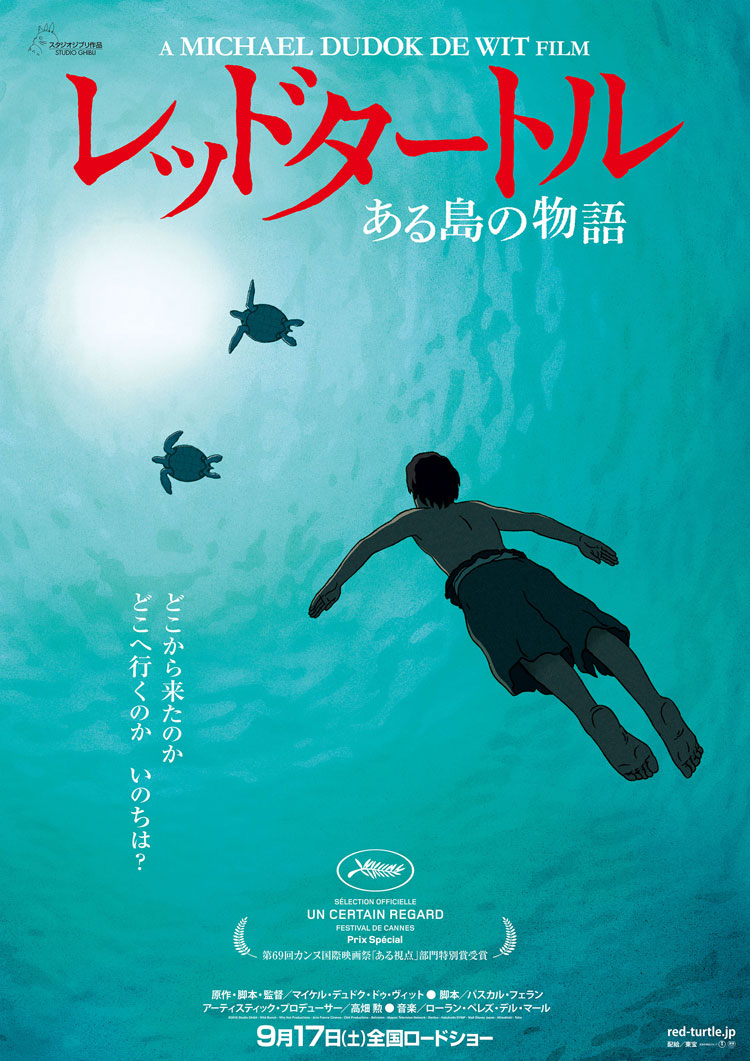
A closer look at Ghibli's latest film, "The Red Turtle," which won a special prize in the Un Certain Regard section at the Cannes Film Festival.
Ghibli's latest film, "The Red Turtle," won a Special Mention in the Un Certain Regard category at the 2016 Cannes Film Festival. Produced by Isao Takahata and directed by Michael Dudok de Wit, the film has already been widely talked about in Japan and abroad.
Read Article
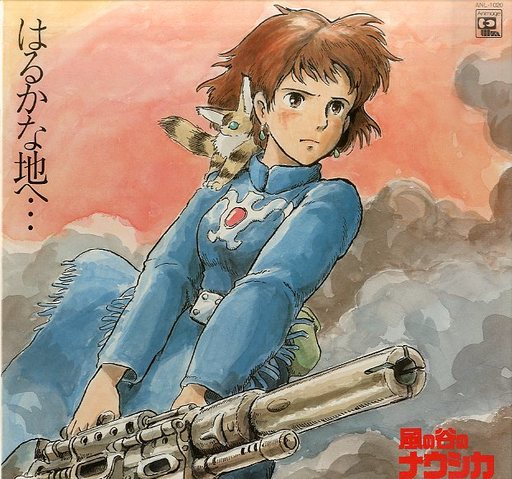
The future of death that Nausicaä invited [Manga version of Nausicaä of the Valley of the Wind (spoiler alert)].
Nausicaä of the Valley of the Wind" is the first Ghibli film and one of its best-known works. Nausicaä has both a movie version and a manga version, and the content of the movie version is the story of the first volume of the manga version's seven millstones. The manga version reveals shocking facts that were not depicted in the movie, such as why the king bugs and the bugs of the Sea of Putrefaction were born, what the Giant God Warrior was born for, and who Nausicaä and his friends are. When Nausicaä learns of these facts, she decides to take certain actions. It is a path of perdition from which there is no escape. This article explains the shocking ending and Nausicaa's decision as depicted in the manga version.
Read Article
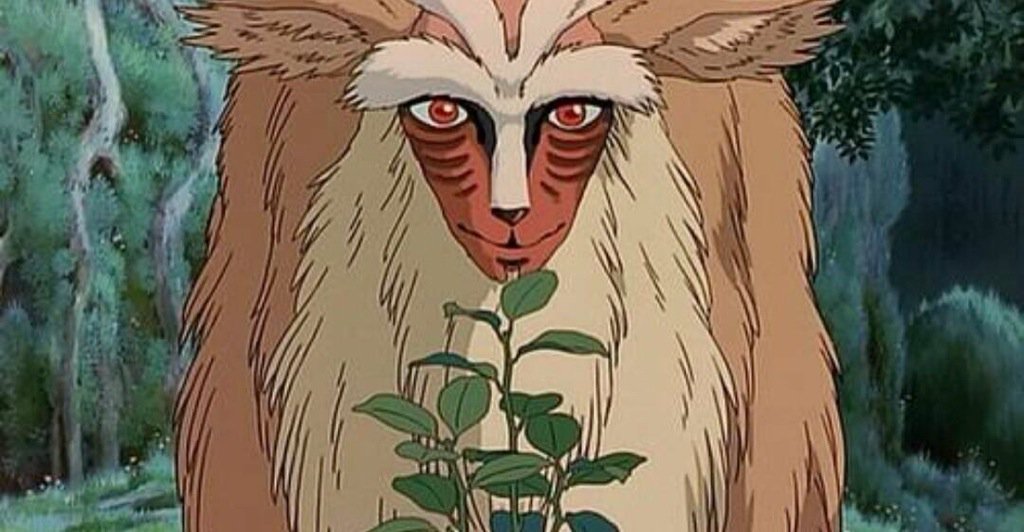
Spoiler commentary and discussion of the mystery of the Deer God in Princess Mononoke.
Princess Mononoke" is an animated feature film produced by Studio Ghibli. The film depicts the conflict between humans and the gods "Mononoke" who live in the forest. The Deer God appears at the top of the gods in the film. The story ends without fully explaining what the Deer God is, although he reveals many mysteries. The story delves into what he means to mankind and to the gods.
Read Article
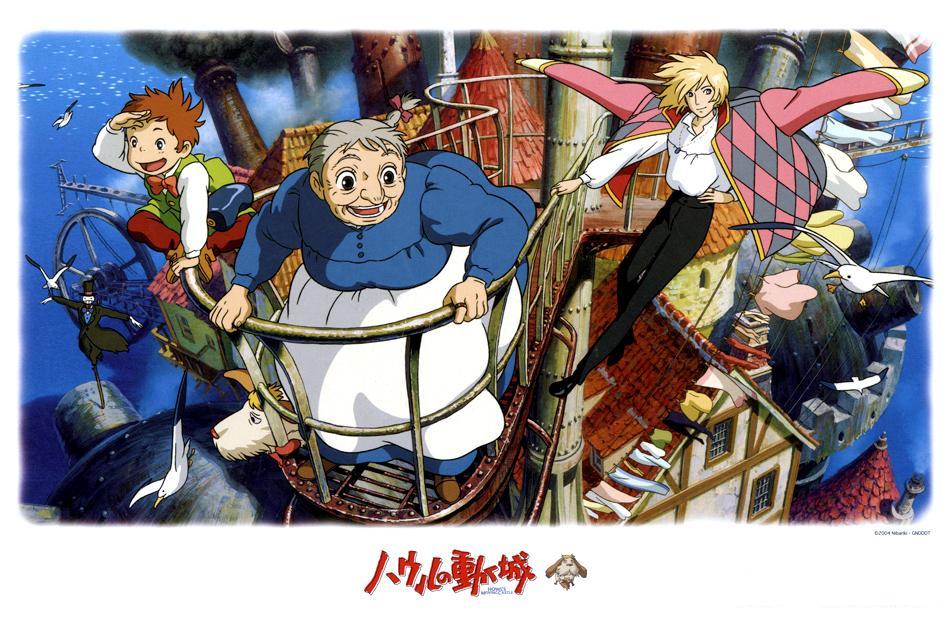
ハウルの動く城の名言・名セリフ/名シーン・名場面まとめ
『ハウルの動く城』とは、2004年公開のスタジオジブリ制作の長編アニメーション作品である。脚本・監督は宮崎駿。 帽子屋の少女・ソフィーは兵隊に絡まれていたところを魔法使いのハウルに助けられるが、魔女の呪いによって90歳の老婆に姿を変えられてしまう。店にいられなくなったソフィーは旅に出、その途中でハウルの動く城に出会うのだった。ファンタジックな世界観や美術、個性的なキャラクターが魅力の作品。ハウルとソフィーの戦火の恋がストーリーの軸となっているため、本作にはロマンチックな名言も数多く登場する。
Read Article
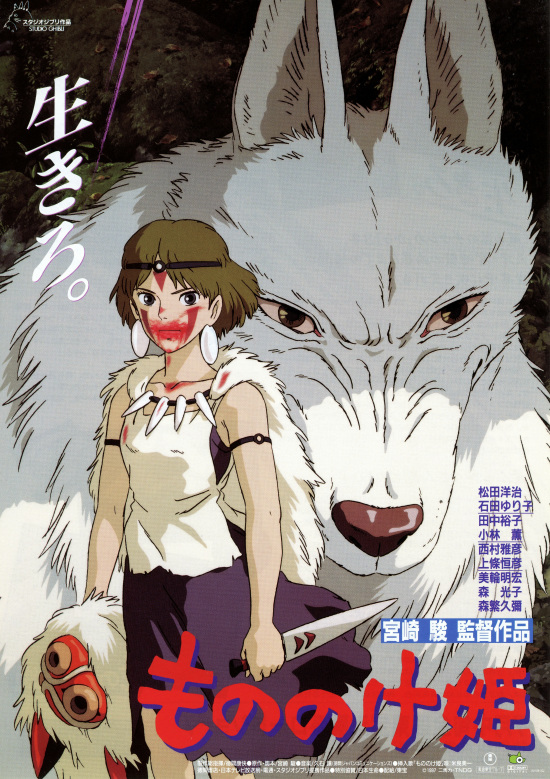
もののけ姫の名言・名セリフ/名シーン・名場面まとめ
『もののけ姫』とは、1997年公開のスタジオジブリ制作の長編アニメーション映画である。原作・脚本・監督は宮崎駿。 中世の日本を舞台に、エミシの村で暮らす少年アシタカが村を襲ってきたタタリ神から村を守ったことで、死の呪いを受けてしまう。呪いを絶つために旅立ったアシタカは、山犬に育てられた少女・サンと出会う。人間と自然の対立を描いた壮大な作品である。本作には、人やもののけそれぞれの立場や考え方を表したセリフも多く、考えさせられるような印象的な名言が数多く登場する。
Read Article
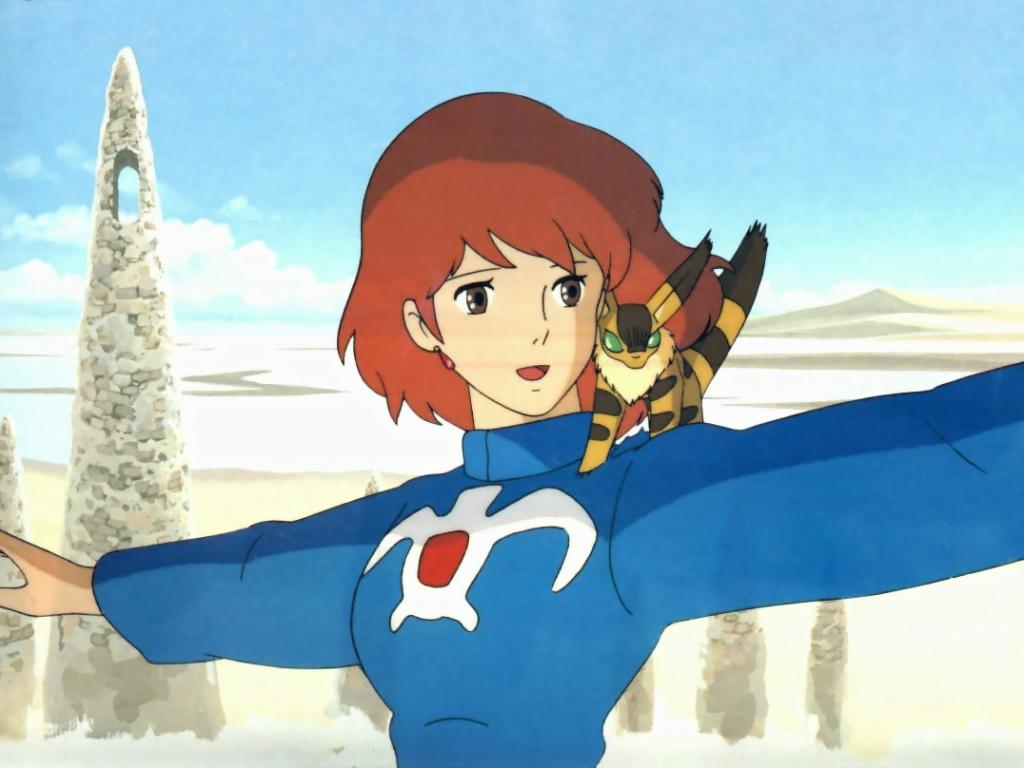
風の谷のナウシカの名言・名セリフ/名シーン・名場面まとめ
『風の谷のナウシカ』とは、1984年公開のトップクラフト制作の長編アニメーション作品である。原作・脚本・監督は宮崎駿。1982年に『アニメージュ』で連載していた宮崎の同名漫画を原作としている。宮崎駿の長編アニメーション映画としては第2作である。 「火の七日間」という最終戦争から1000年後の世界。近代文明が崩壊し、「腐海」と呼ばれる異形の菌類の森に世界は覆われていた。本作には、この世界の過酷な現状やナウシカの生き様を表した印象的なセリフが数多く登場する。
Read Article
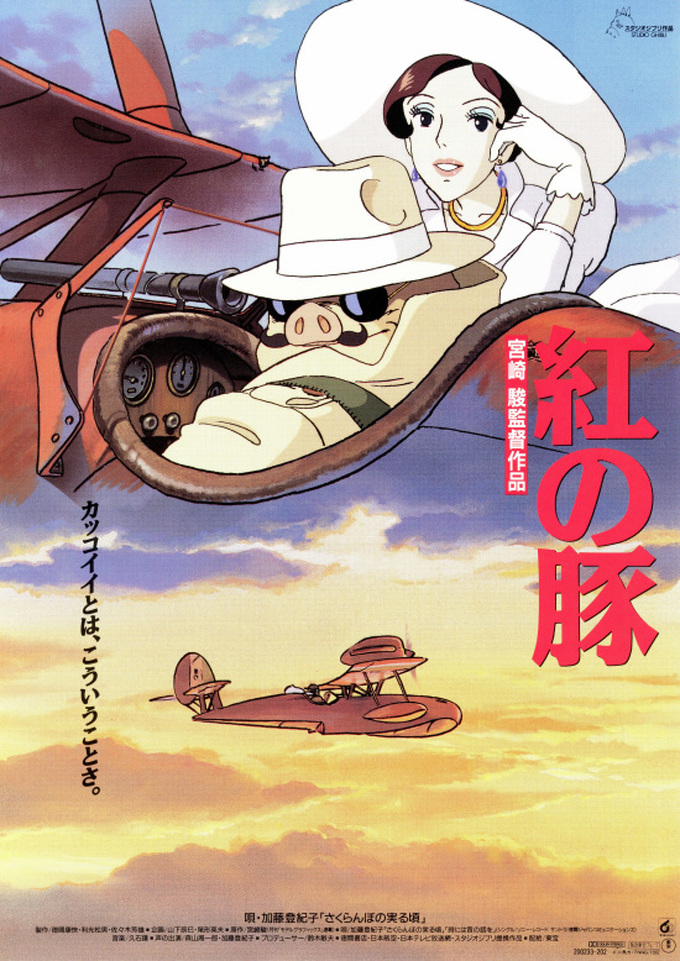
紅の豚の名言・名セリフ/名シーン・名場面まとめ
『紅の豚』とは、1992年公開のスタジオジブリ制作の長編アニメーション作品である。監督は宮﨑駿。1990年に『月刊モデルグラフィックス』で連載された『宮崎駿の雑想ノート』の『飛行艇時代』を原作としている。 世界大恐慌に揺れるイタリア・アドリア海。豚の姿になった「ポルコ・ロッソ」が、飛行艇を乗り回す空中海賊「空賊」たちを相手に賞金稼ぎとして空中戦を繰り広げる。中年男性向けを意識して制作されたため、「飛行機」や「空軍」などロマンがあり、渋い名言も多い。
Read Article
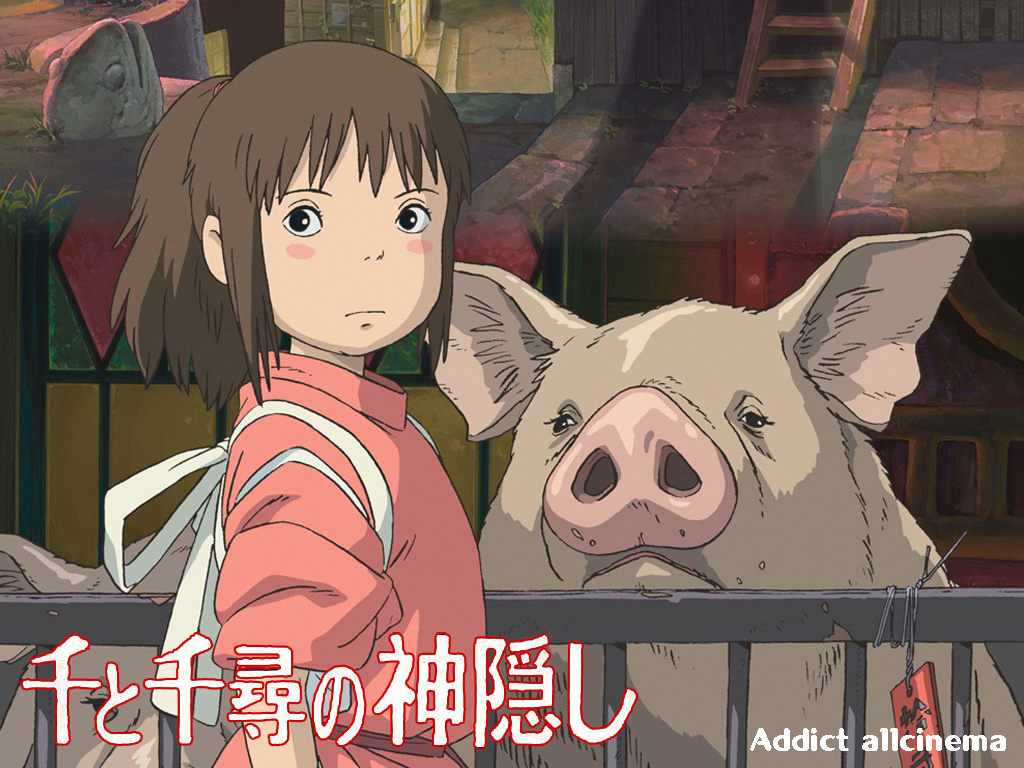
千と千尋の神隠しの名言・名セリフ/名シーン・名場面まとめ
『千と千尋の神隠し』とは、2001年公開のスタジオジブリ制作の長編アニメーション作品である。原作・脚本・監督は宮崎駿。 10歳の少女・荻野千尋は、両親と共に引っ越し先に向かう途中で不思議な世界に迷い込んでしまう。両親を豚にされ、パニックになる千尋だったが、ハクという不思議な少年に助けられる。そして神々が客として集う湯屋で働くことになった千尋は、だんだんと成長していく。10歳の少女千尋が主人公であるため、わかりやすく、ストレートに心に響く名言が多数登場している。
Read Article
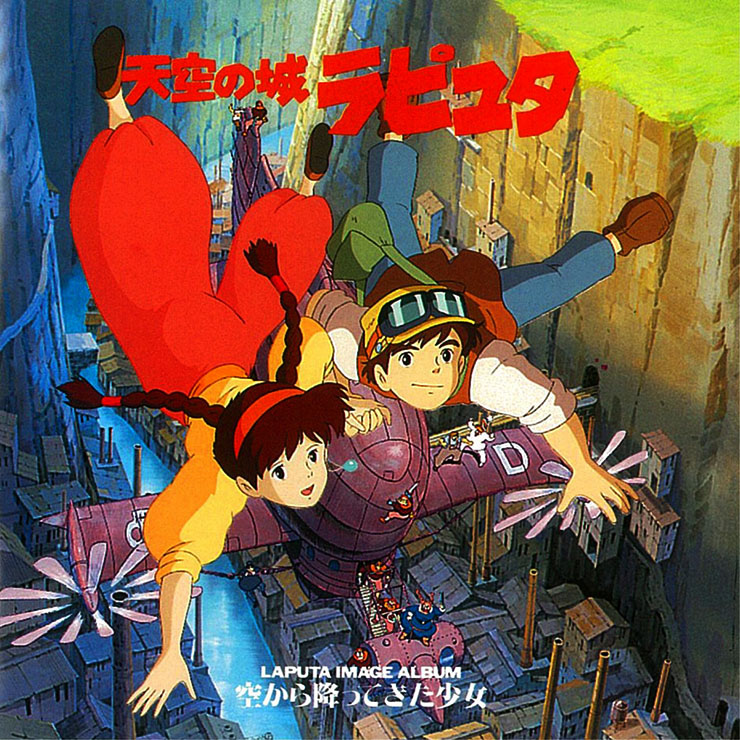
天空の城ラピュタの名言・名セリフ/名シーン・名場面まとめ
『天空の城ラピュタ』とは、1986年公開のスタジオジブリ初制作の長編アニメーション作品である。原作・脚本・監督は宮崎駿。鉱山で働く少年パズーは、ある時、空から降ってきた不思議な女の子・シータを助ける。追われている彼女を助けようとするパズーだが、自分の古い名前がラピュタであることを打ち明けたシータは、敵に捕まってしまったパズーの身代わりとして連れ去られてしまったのだった。本作には、「バルス!」や「見ろ!人がゴミのようだ!」など有名でキャッチーな名言が多く登場している。
Read Article
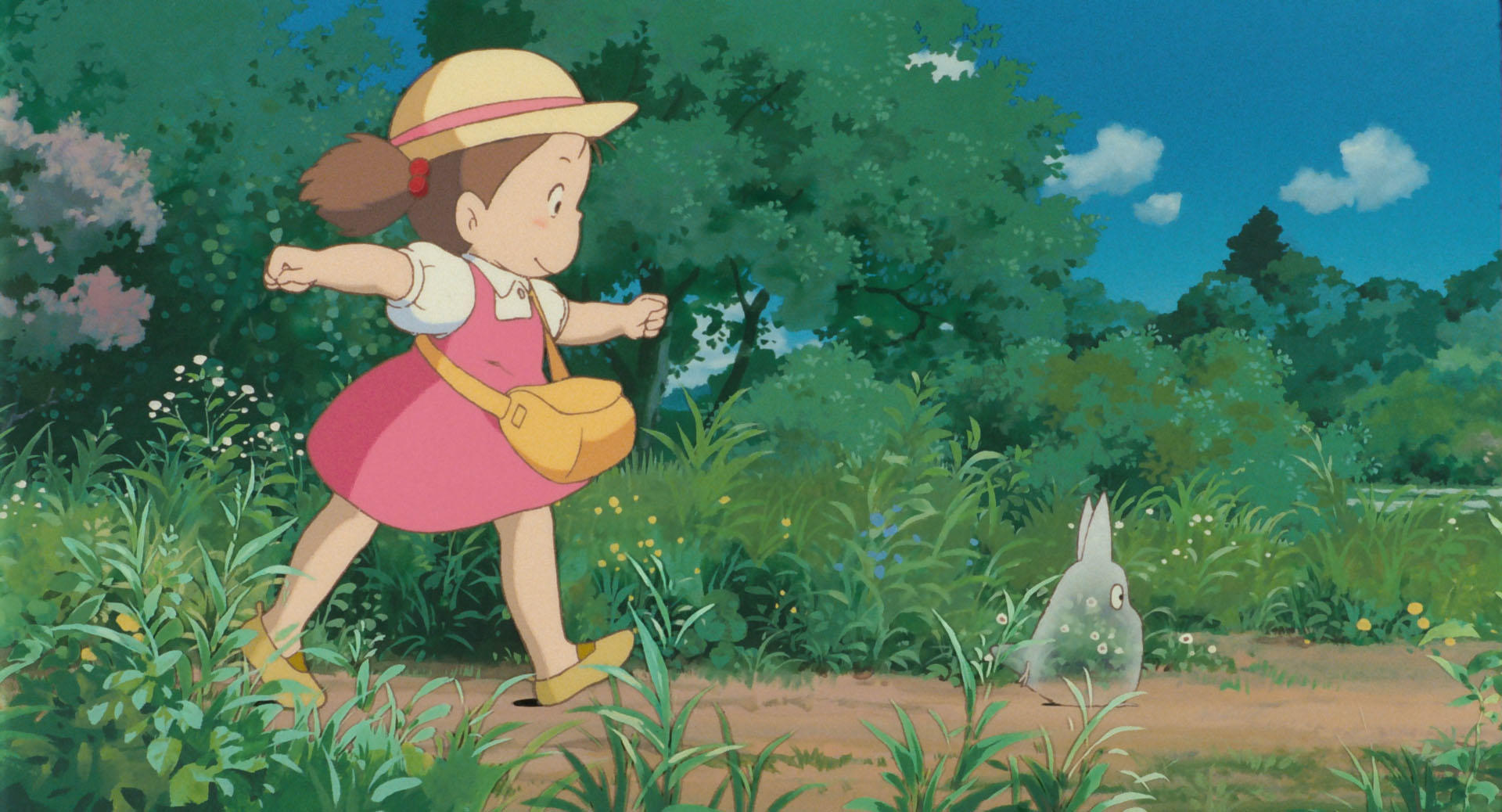
The original story of "My Neighbor Totoro" is the Sayama Incident? A summary of the urban legend [Studio Ghibli].
We summarized the urban legend that the masterpiece "My Neighbor Totoro" is based on the actual "Sayama Incident. This incident was the kidnapping and murder of a high school girl in Sayama, Saitama Prefecture, in 1963. Although Studio Ghibli denies any connection, there are many similarities between the work and the incident, and it is a fact that it is strongly believed on the Internet.
Read Article
![Ghibli] A collection of little-known stories and urban legends about the Witch's Delivery Service [The Witch's House].](https://renote.net/files/blobs/proxy/eyJfcmFpbHMiOnsiZGF0YSI6NTM5MTQ3LCJwdXIiOiJibG9iX2lkIn19--af352472f9979786f6c0fdd66759d3791f81a593/lqip.jpg)
Ghibli] A collection of little-known stories and urban legends about the Witch's Delivery Service [The Witch's House].
Studio Ghibli's masterpiece "The Witch's Delivery Service". In this issue, we will bring you the little-known backstories, urban legends, trivia, and small stories of the Witch's Delivery Service. Please enjoy the episodes that you may know but actually don't know.
Read Article
Contents
- Studio Ghibli Diary: Daily events of Studio Ghibli from August 1994 to July 1998.
- Production Log August 1994 - May 1995
- Studio Ghibli Diary 1996
- Studio Ghibli Diary 1997
- August 3, the day of the "Tour de Shinshu
- Studio Ghibli Diary 1998
- Studio Ghibli Diary 1999
- ◆"Usual Ghibli Diary" from September 1, 1999 to September 2, 2011. The "Usual Ghibli Diary" is no longer updated.
- Studio Ghibli Diary 2000
- Studio Ghibli Diary 2001
- Studio Ghibli Diary 2002
- Studio Ghibli Diary 2003
- Studio Ghibli Diary 2004
- Studio Ghibli Diary 2005
- Studio Ghibli Diary 2006 ◇ 2005/12-2006/6 "Gedo Senki" Production Diary
- Studio Ghibli Diary 2007
- Studio Ghibli Diary 2008