

Obake no Q-taro (Obake's Q-taro) is a slapstick gag manga and anime based on the manga by Fujiko Fujio that began serialization in Weekly Shōnen Sunday in 1964, featuring a "not-so-scary Obake. Q-taro appears on earth and takes up residence in the Ohara household after meeting Shota Ohara, but Q-taro's screw-ups and fumbling around cause everyone around him to play tricks on him, and in addition to laughing at his slapstick antics, there are times when Q-taro's kindness can sometimes be read into his humane nature.

Q-taro's trademark is the three hairs on the top of his head, but when the series began, Q-taro had about six hairs and was drawn thicker.
However, before long, the three hairs became established.
According to a book titled "Legendary Quiz King Surprised: A Book of Miscellaneous Studies that Surpasses Expectations" (Mikasa Shobo), Qtaro had settled on three hairs because it was difficult to draw him with six hairs when making an animated cartoon.
There is also a theory that the song "Three hairs on the top of his head" in the theme song became popular.
This is an example of how the manga series has come closer to the popularity of the anime.
Mr. Suzuki, not Mr. Koike, loves ramen noodles.

Since the rock band Sharan Q has a hit song called "Ramen Loves Koike-san's Song," people assume that the man who is always eating ramen is Koike-san. In reality, however, he is "Mr. Suzuki," who lives in a house called Koike-san.
This work has been out of print for a long time

The problematic "International Obake Coalition."
Despite the popularity of "Obake no Q-taro," there were no new editions of the book or paperback editions released after 1988, which was the norm for other Fujiko works. For a time, this caused the price of used books to skyrocket.
There are various theories as to why the book remained out of print for so long.
(1) The authors of the characters are mixed.
Obake no Q-taro" has been established as a Fujiko F. Fujio work. However, the hands of Studio Zero, an animation company established by Shotaro Ishimori (later Shotaro Ishinomori) and other cartoonists from Tokiwaso, were involved in the creation of the characters at the time of serialization. Therefore, the issue of copyright fees was inevitable, and there is a theory that there may have been a dispute over the ratio of the copyright fees.
Studio Zero later returned the copyright to the author's side, and Ishinomori denies that he ever made any claims regarding the copyright.
The family of the deceased wishes.
Obake no Q-taro" was first serialized in 1964.
The scenes of the time are carefully depicted, but as the era progresses, some of the depictions begin to have a retro feel and appear old-fashioned.
In those days, restrictions on discriminatory terms were lax, and words and depictions that were later banned appear without hesitation.
There is a theory that Mrs. Fujiko F. Fujio, sensing that the time had come to overreact to restrictions on expression, was wary of the issue coming to light and sealed the book.
Another theory is that it was partly due to emotional problems between the two Fujiko-Fujio's families.
(iii) Discriminatory depictions.
As mentioned above, the work was drawn at a time when restrictions on discriminatory terms were loose, so words and expressions that were used daily at the time became NG, and the book went out of print due to self-imposed restrictions. Or there was a history of being brought out of print in protest.
In the "International Obake Union" episode, the representative of Uranesiya, Bonga, a completely black obake, appears and is introduced as a "Bake-eating obake. The book containing "International Obake Federation" was recalled due to protests that the setting reminded people of cannibals. Since then, the printing of "Obake no Q-taro" has been suspended.
At the time, the "Association to Eliminate Discrimination against Negroes" was protesting against many publishers for their discriminatory depiction of blacks, and the children's story "Chibikuro Sambo" was also forced to go out of print.
Later, however, "International Obake Rengo" was included in "The Complete Works of Fujiko F. Fujio," Volume 4 and Tentomushi Comics, Volume 9 (both published by Shogakukan), and words that were later treated as banned broadcast terms were also included, but with different expressions.
Thereafter, the book "Obake no Q-taro" could be picked up and read, and the seal was lifted.
It is believed that the main reason why the book was sealed for so many years was due to a rights dispute between Fujiko F. Fujio and Fujiko FujioⒶ, and the people around them.
Currently, "Obake no Q-taro (12 volumes)" and "Shin Obake no Q-taro (4 volumes)" are available in "Fujiko F. Fujio Daizenshuu" and "Obake no Q-taro (12 volumes)" and "Shin Obake no Q-taro (4 volumes)" are available in Tentomushi Comics, allowing readers to pick up a copy.
Obake no Q-taro One One Panic," a Famicom game with a reputation for being extremely difficult.

In 1985, the same year that "Obake no Q-taro" was animated for the third time, Bandai released "Obake no Q-taro: One One Panic" for the NES. The game was a non-reversible, right side-scrolling puzzle with 12 levels, each of which had to be completed by delivering a package to the last character waiting for the player.
The energy gauge decreases with each movement, and can be recovered by taking food items along the way. When the gauge runs out, the number of Oba-Qs decreases by one.
There is a time limit, starting at 8:00 a.m. and ending at 8:00 p.m., and if the time is exceeded, the number of Oba-Qs will decrease by one.
Furthermore, a dog, which Q Taro is not very good at, attacks him.
Just touching the dog will reduce the number of planes, but if you try to avoid the dog, it will fire its "woof," "nn," and "woof" sounds as a weapon.
Even if you are hit by this cry, you will lose one aircraft.
The game is an action game in which the player must pass items placed along the way to the last character waiting for the player to clear the first level.
However, the conditions for clearing the game are so severe that the game has been passed down through the generations as a highly difficult software.
You cannot be hit by an enemy or its attack even once. The energy gauge also decreases unreasonably, and the game was so extremely difficult that it was called a high difficulty game.
Theme and insert songs that were highly acclaimed for their excellent musicality

Susumu Ishikawa's theme song "Obake no Qtaro" (Obake's Qtaro), sung in his distinctive high-pitched voice, won the Children's Song Category Award at the 8th Japan Record Award in 1966. This was the first time for an animation song to win this award.
The song, "Oba-Q Ondo," which begins with the words "QQQ, QQQ, QQQ, Oba-Q Ondo de Q-Q-Q," became so popular that it was sung at bon dance festivals throughout Japan, and became a pioneering example of how to popularize the cartoon characters by singing them in an ondo style.
The song is said to be the biggest hit in the history of anime songs.
Furthermore, "New Obake no Q-taro" was arranged by Naozumi Yamamoto, a composer with a trademark mustache. The orchestral music is full of power and has a different feel from the previous theme song, but it also retains the lightheartedness of the Obake Q worldview. aired in 2017, the sound effects were introduced as bold.
The Showa-born performers, who call themselves the "Showa Anison Army," all sang along as if in chorus when the song was played.
The song is so popular among this generation.
「オバQ」は「小田急」からつけた名前
『週刊少年サンデー』編集部に出入りしていた子供の持ち込んだ自筆のお化け漫画「ケバ男くん」を見た編集者は、お化け漫画を連載することを提案し、藤子Fが怪談やオバケ好きと聞いてオバケを主人公にした漫画を依頼した。
藤本弘と安孫子素雄は、当時作ったアニメスタジオ「スタジオ・ゼロ」へ小田急線で通勤中に小田急→オバQ→「オバケのQ太郎」というタイトルを思いついたのだという。
会社の経費を賄うためにトキワ荘の面々で共作
『オバケのQ太郎』の製作を始めた頃、藤子不二雄をはじめとするトキワ荘の面々が集まり、「スタジオ・ゼロ」というアニメ制作会社を設立していた。しかし設立はしたものの、なかなか上手くいかない時期だったらしい。
そのため、『オバケのQ太郎』は漫画でなんとか会社の経費を賄おうということで、メンバー達の合作という形で始めた作品だったという。
当初は、藤子FがQ太郎、藤子Aが正太、北見けんいちが背景、石ノ森章太郎とつのだじろうがその他の人物を描いていた。『オバケのQ太郎』の漫画の中で石ノ森や赤塚の作品のキャラクター(『おそ松くん』の六つ子やチビ太など)が度々登場していたのはこのためである。
なお、大御所の漫画家たちそれぞれに担当するキャラクターがいて、著作権の問題があったことから、なかなか単行本の再販ができなかったと言われている。
実は9回で終了していた『オバケのQ太郎』

Source: a3.mzstatic.com
スタジオ・ゼロの財務を支えるスタジオ・ゼロ雑誌部の仕事として、スタジオ所属のメンバーが手伝い、『週刊少年サンデー』誌上で1964年にスタートした(1964年6号からスタート。同号発売が1月22日、誌面クレジットの発行日は2月2日)。しかし読者の反応がまったくなく、当初の予定通り連載は9回でいったん終了した。連載中は藤子もスタジオ・ゼロを救うための仕事としてあまり力が入らず、周囲の期待もなかったという。しかし連載終了後、読者から「なんで終わった!?」と大きな反響があり、再開を求める手紙が殺到。そのため、3か月後に連載が復活。再び本格的に連載を開始するという経緯を辿ったのだという。
Theme song and insert song for "Obake no Q-taro
Obake no Q-taro" broadcast in 1965
OP (Opening): Susumu Ishikawa "Obake no Q-taro" (ED in the first semester/immediately after the broadcast)

Related Articles

An ordinary kid becomes a hero. Perman"
Fujiko F. Fujio's (hereinafter referred to as "Mr. F") works include "Doraemon," which is famous for its pattern of "a peculiar being staying at home," and "peculiar short stories" reminiscent of "Se Ni ni Bizarre Monogatari" (Strange Stories). Among them, Perman may be a little special.
Read Article

What is Tokiwasou? History, anecdotes, trivia, cartoonists who lived there, members, and where it is located!
Tokiwa-so is a two-story wooden apartment building in Minami-Nagasaki 3-chome, Toshima-ku, Tokyo. Although the building was demolished in 1982 due to aging, it is still very well known as a "sacred place for manga. Even today, the Tokiwa-so Manga Museum and the Tokiwa-so Project have left their mark on the manga world. This article provides information about Tokiwa-so and the manga artists who lived there.
Read Article

Spoiler commentary and discussion of Doraemon: The History of Nobita's Spaceblazer (film).
Doraemon: The History of Nobita's Spaceblazer" is the second feature-length animated film based on Fujiko F. Fujio's "Doraemon," which was released in March 1981. The adventure begins when the room of Nobita Nobi (Nobita Nobita), a fifth grader, and Doraemon, a cat-shaped robot who lives with him, are connected to the planet Koya Koya, where the pioneer immigrants Ropple and Chummy live. The film is known for its veteran voice actors playing guest characters, and a remake, "Doraemon the Movie: The New Record of Nobita's Spaceblazer," was released in 2009.
Read Article
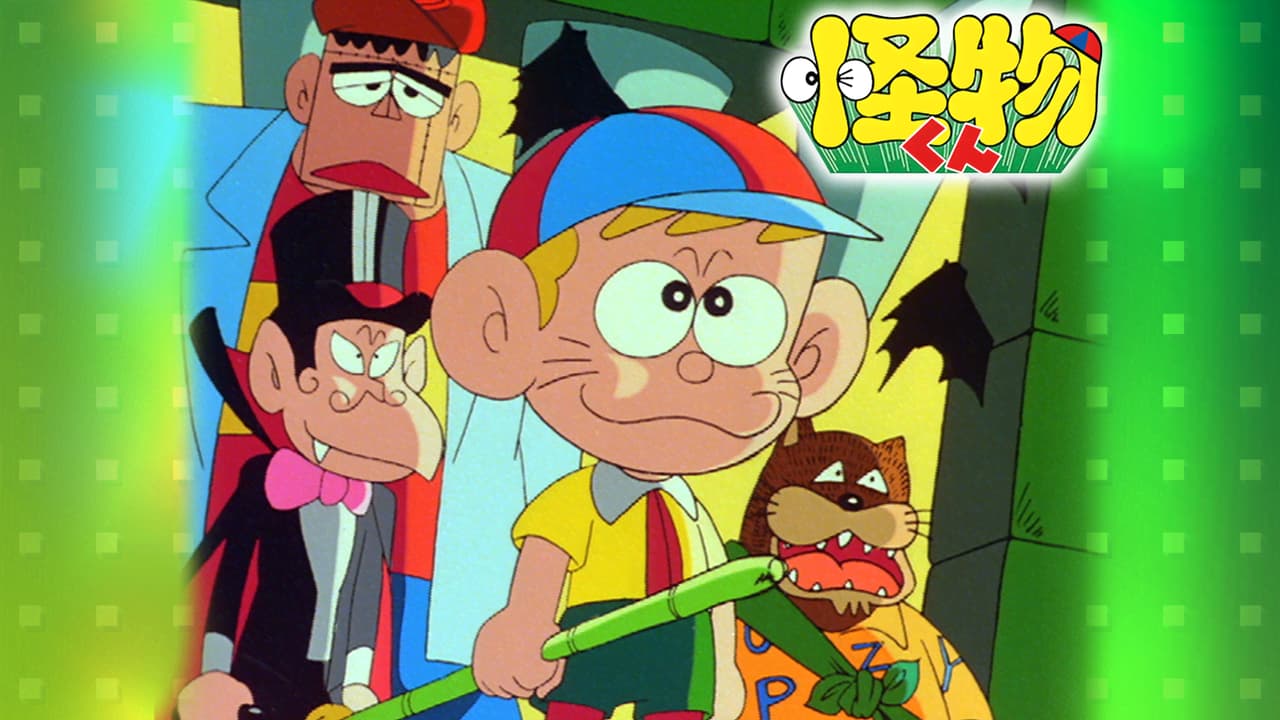
怪物くん(藤子不二雄)のネタバレ解説・考察まとめ
『怪物くん』とは、1960年代中期~後半、1980年代前半に『少年画報』『月刊コロコロコミック』等で連載された藤子不二雄によるギャグ漫画作品。怪物界の王子の怪物くんは王位継承修行の為に、3人の怪物達と共に人間界へやって来る。小学生の市川ヒロシと出会い友情を深める一方、世界征服を企む悪魔怪物達との対決を展開するという内容。モノクロ・カラーアニメ版も放送され人気となり、2010年代には実写ドラマ・映画化され再び話題となった。
Read Article

The cause of the feud between the two? Thorough explanation of why Obake's Qtaro is out of print [Obake no Qtaro].
Obake no Q-taro," the classic manga known by the abbreviation "Oba-Q" (Obake's Q-taro). Created by two cartoonists with the joint pen name Fujiko Fujio, "Obake no Q-taro" has been out of print for a long time despite its extreme popularity. This article explains why.
Read Article
![Obake no Qtaro] Very unreachable! Highly traded comics [Obake no Q].](https://renote.net/files/blobs/proxy/eyJfcmFpbHMiOnsiZGF0YSI6NTU3ODkyNywicHVyIjoiYmxvYl9pZCJ9fQ==--113803f2ab627a045f408cfcb3fd891d05d2681a/D0fepr3UYAAmMus.jpg)
Obake no Qtaro] Very unreachable! Highly traded comics [Obake no Q].
Obake no Q-taro" captivates people with its adorable characters. In fact, this work was drawn to support the finances of an animation studio established by manga artists from Tokiwaso. If you knew the amount of money that was traded for the comics, your eyeballs would pop out of your head.
Read Article

Tools "I don't want" in "Doraemon
"What tools do you want at Doraemon?" We sometimes hear this question, but on the other hand, we also hear the question, "I definitely don't want this one tool! Even if I could have all of the tools from the pockets and all of the works, I would definitely throw this one away! Even if I could have all the tools that appeared in the work, including the pockets, I would definitely throw this one away! Please take a look at some of these "unwanted" tools.
Read Article

A compilation of gaffes & outbursts & other hilarious statements from the cartoon "Doraemon".
Doraemon" is a well-known cartoon character, but did you know that the cartoon "Doraemon" and the animated TV series "Doraemon" actually say completely different things (under the strict supervision of our BPO)? In this article, we have excerpted the frame scenes of the real "Doraemon" as he is depicted in the cartoon "Doraemon.
Read Article

Doraemon" is no longer a joke! Secret Tools
The "secret tools" in the popular national anime and manga "Doraemon" are all very attractive. The "Dokodemo Door" and the "Takekoputaa" are all things that every human being would like to have! They are all things that any human would want to have. However, there are also "jokey secret gadgets" among them. I have compiled a list of them, because they were terrible when I opened the lid, and there were a large number of them.
Read Article

Fujiko F. Fujio Museum's popular souvenirs. It's a waste to give them away!
The Fujiko F. Fujio Museum is located in Kawasaki City, Kanagawa Prefecture. The museum is a facility where visitors can experience firsthand the history of Fujiko F. Fujio, the creator of "Doraemon" and many other popular works. What you will want to buy at the Fujiko F. Fujio Museum are souvenirs! Here are some souvenirs that are so cute and unique that it would be a shame to give them away.
Read Article

Time Patrol, over here! Violations regarding the history of "Doraemon
I often hear people say that it is already a violation when Doraemon came to Nobita's place, but I also see quite a few other actions that make me want to say, "Aren't you altering history, hey?", Dora-san.
Read Article
![Fujiko F. Fujio] Very Black! Seven Masterpiece Short Manga](https://renote.net/files/blobs/proxy/eyJfcmFpbHMiOnsiZGF0YSI6NTY2ODgyNywicHVyIjoiYmxvYl9pZCJ9fQ==--2c711fe1040a7bb018377f78fec5d2d08f944de7/y_61124c2af20ff.jpg)
Fujiko F. Fujio] Very Black! Seven Masterpiece Short Manga
Doraemon" is a nationally popular work loved by children and adults of all ages. Fujiko F. Fujio, known as the creator of "Doraemon," is actually famous as a master of science fiction manga, and many of his works are full of irony and satire with black content. We have collected such masterpieces of short manga by Fujiko F. Fujio.
Read Article
![Fujiko F. Fujio] Predicted a new type of coronavirus! [Midori no Mamorujin]](https://renote.net/files/blobs/proxy/eyJfcmFpbHMiOnsiZGF0YSI6NTkwODUzNSwicHVyIjoiYmxvYl9pZCJ9fQ==--5de73b24dfc4871544158ffa3cbd58e736a38471/EWl6loKU8AEUkYO.jpg)
Fujiko F. Fujio] Predicted a new type of coronavirus! [Midori no Mamorujin]
The new coronavirus has been raging around the world since 2019. There is a manga that seems to have predicted the coming of such an era. The work is "Midori no Mamorujin" (The Guardian God of Green). It is a collection of complete short stories by Fujiko F. Fujio, in which a mysterious bacteria spreads at a frightening speed. It is a work that should be read only now.
Read Article
![Fujiko F. Fujio] A collection of quotes and lines that stick in the mind.](https://renote.net/files/blobs/proxy/eyJfcmFpbHMiOnsiZGF0YSI6NTkwMDU5NSwicHVyIjoiYmxvYl9pZCJ9fQ==--eeb565095223adf8442c727ab32af6ef52afdc46/fujiomeigen.jpg)
Fujiko F. Fujio] A collection of quotes and lines that stick in the mind.
Fujiko F. Fujio has created numerous masterpieces. What was in the mind of this genius manga artist and what did he want to convey to us? Fujiko F. Fujio's life and way of thinking are sometimes told through the characters in his works. In this article, we have collected some of the best quotes and lines left by one genius manga artist. Did any of them stick in your mind?
Read Article
Perman] The Original! The Flying Hero! Fujiko F. Fujio
Perman" is known as one of Fujiko F. Fujio's masterpieces. The plot, in which the dull protagonist boy transforms into a hero of justice, is not unusual today, but at the time, many children must have been excited by the story. This article introduces the original (?) superhero "Perman. superhero "Perman".
Read Article

Fujiko F. Fujio: The world is not only fun! A collection of black works
Fujiko F. Fujio has created many masterpieces of science fiction, including "Doraemon," "Perman," and "Kiteretsu Encyclopedia. Many of them are cheerful and enjoyable even for children. However, in fact, some of Fujiko F. Fujio's works are so black that it is hard to believe that they were created by the same person. In this article, we have collected such eerie works by Fujiko F. Fujio.
Read Article

Fujiko Fujio A.: Is he really a cheerful person? The Unknown Life Record
Fujiko Fujio A. is often associated with black works such as "Laughs and Smiles. However, Fujiko-Fujio A. was actually a very sociable and cheerful person. This article summarizes his background, career, and representative works. Don't miss his relationship with Fujiko F. Fujio, with whom he formed a duo.
Read Article
![Kaibutsu-kun] Review is ready! Let's review the synopsis of the drama [Satoshi Ohno]!](https://renote.net/files/blobs/proxy/eyJfcmFpbHMiOnsiZGF0YSI6NTY2MjYwNywicHVyIjoiYmxvYl9pZCJ9fQ==--c40757a0495c3a60e2537a61f0f925f4e9999895/EhI2phZVgAA-ZWC.jpg)
Kaibutsu-kun] Review is ready! Let's review the synopsis of the drama [Satoshi Ohno]!
The drama "Kaibutsu-kun" became a hot topic of conversation when Satoshi Ohno starred in it. Such "Kaibutsu-kun" is also a big hit in the movie! This article introduces the synopsis of the drama version and the highlights of the movie. For those who have seen the drama, please refer to this article as a review, and for those who have not yet seen the movie, please refer to this article as a preliminary knowledge.
Read Article

I'll be on the edge of my seat until I see it, and when I see it, I'll be on the edge of my seat! Applause for guts! A collection of live-action manga adaptations
Most of the images of manga works are animated, but there are also live-action versions of some works, performed by live actors. But some of them make me think, "Why bother with live-action!" and some of them almost make me want to get on board. We have compiled a list of such courageous "live-action works based on manga".
Read Article

Kaibutsu-kun: A lot of people are hooked on him! Cool but Cute Satoshi Ohno Images and Videos
Satoshi Ono stars in the drama "Kaibutsu-kun. Despite his cute appearance, the music video for the theme song "Monster" shows a cool Satoshi Ohno. Many of you may have had your hearts pierced by such a gap between him and the audience. This article introduces images and videos of Satoshi Ohno as a monster.
Read Article
![Fujiko F. Fujio] "Doraemon" is not the only masterpiece manga!](https://renote.net/files/blobs/proxy/eyJfcmFpbHMiOnsiZGF0YSI6NTkwMDU5MiwicHVyIjoiYmxvYl9pZCJ9fQ==--555a7fea28e9b13414c01e34e9763866c8a9d3ba/fujiosakuhin.jpg)
Fujiko F. Fujio] "Doraemon" is not the only masterpiece manga!
When hearing the name Fujiko F. Fujio, the first thing that comes to mind for both adults and children is probably "Doraemon. In fact, Fujiko F. Fujio left behind many other manga masterpieces. The lineup is diverse, ranging from those that even children can enjoy to darker works for adults. We hope you will enjoy the mysterious world of Fujiko F. Fujio as much as we do.
Read Article
![Fujiko F. Fujio] Behold this way of life! [Famous quotes and lines](https://renote.net/files/blobs/proxy/eyJfcmFpbHMiOnsiZGF0YSI6NTkwNzY1NSwicHVyIjoiYmxvYl9pZCJ9fQ==--67aedf472f1ffae10baccff0d94fe40d01b02fd0/fujiomeigensyu.jpg)
Fujiko F. Fujio] Behold this way of life! [Famous quotes and lines
Fujiko F. Fujio is best known as the creator of "Doraemon" and "Perman. What was Fujiko F. Fujio thinking as he continued to create popular works that became the talk of the town? His way of life may give us, who live in a stressful society, some big hints.
Read Article
![Fujiko F. Fujio] The more you know, the more you can enjoy! Let's go to the museum!](https://renote.net/files/blobs/proxy/eyJfcmFpbHMiOnsiZGF0YSI6NTY2ODcyMCwicHVyIjoiYmxvYl9pZCJ9fQ==--96e5e62167eb85eb6fa04165039b895dc0eb6a82/DSC_5311.jpg)
Fujiko F. Fujio] The more you know, the more you can enjoy! Let's go to the museum!
The Fujiko F. Fujio Museum is located in Kawasaki City, Kanagawa Prefecture. Here, visitors can experience the history of Fujiko F. Fujio's works, including the popular "Doraemon" series. The museum is attractive not only for parents and children, but also for adults. We have gathered some trivia to help you have a good time at the Fujiko F. Fujio Museum.
Read Article

Kaibutsu-kun: That masterpiece that everyone knows! Let's hum "Kai Kai Kai Kai♪" [Fujiko FujioⒶ].
Fujiko FujioⒶ's masterpiece "Kaibutsu-kun. The unique phrase and rhythm of "Ka-i kai kai kai" are hard to forget once you hear it, aren't they? Due to its popularity, it has been adapted into an anime many times, and in 2008 it was even made into a live-action TV drama. This article introduces "Kaibutsu-kun.
Read Article
![Fujiko F. Fujio] Spoiler Alert! I'll show you everything, Kawasaki City Museum](https://renote.net/files/blobs/proxy/eyJfcmFpbHMiOnsiZGF0YSI6NTY2MjEzNCwicHVyIjoiYmxvYl9pZCJ9fQ==--0c310c539b9822e93d73f765034169995c943fec/8d499747327daac730a94583a6adf40f.jpg)
Fujiko F. Fujio] Spoiler Alert! I'll show you everything, Kawasaki City Museum
The Fujiko F. Fujio Museum in Kawasaki City, Kanagawa Prefecture, is known as a place where many people visit every year. Please use this article as a guide to enjoy the Fujiko F. Fujio Museum to the fullest. It contains spoilers, so be warned if you don't want your fun taken away until you get there!
Read Article
![Fujiko F. Fujio] Is Science Fiction a "Slightly Mysterious" Story?](https://renote.net/files/blobs/proxy/eyJfcmFpbHMiOnsiZGF0YSI6NTkxMDkyNSwicHVyIjoiYmxvYl9pZCJ9fQ==--59aea75b66f1972186255393f7d71ccb827eb5b9/EDNh6nVVAAAcO4B.jpg)
Fujiko F. Fujio] Is Science Fiction a "Slightly Mysterious" Story?
When we talk about science fiction, we are talking about "science fiction. Fujiko F. Fujio, however, considered science fiction to be a "slightly mysterious" story. The reason seems to be that he was weak on the "science" part. In this article, we have collected such "slightly mysterious" works of Fujiko F. Fujio.
Read Article
Contents
- Outline of "Obake no Q-taro
- The story of "Obake no Q-taro" (Obake's Q-taro)
- Meet Q Taro
- I can't tell my family about Q-taro.
- Q-taro, who was kicked out of the house
- Q, who almost became a prince.
- Go to "Obake no Kuni" (Land of Obake), his birthplace.
- General meeting of the Bakelen Secretariat held.
- Bye, Q-chan.
- Q-taro's appearance after 15 years
- Q-taro ran away from home with Doraemon and Perman.
- Characters from "Obake no Q-taro" (Obake's Q-taro)
- Obake (Q-taro's family)
- Q-taro
- O Jiro
- P-ko
- X Storehouse (X Zou)
- O-Z (O-Z)
- Y-Suke
- Q-Suke
- Other Obake
- drinker
- Uko
- belompa (Tibetan Buddhist ecclesiastical building)
- pastry made of duck or goose eggs mixed with vegetables and meat or fish
- bonga
- amanga
- borompa
- The Ohara Family
- Shota Ohara
- Shinichi Ohara
- Masasuke Ohara
- Setsuko Ohara
- Shota's friend
- Saigo Tsuyoshi / Gojira (Saigo Tsuyoshi)
- Kizao Kisa/Kizao (Kizao)
- Hakase / Hakase (Hakase)
- Yoshiko Koizumi/Yotchan (Yoshiko Koizumi)
- Neighbors.
- Kaminari Raizo
- Apartment dwellers eating ramen noodles
- Nepcha king
- yukari (Ainu oral saga)
- KAWA INAKO (Cute Nako)
- Internet Corporation for Assigned Names and Numbers
- Mr. Iwami
- Midori Aoyama
- Edythean.
- Terms for "Obake no Q-taro" (Obake's Q-taro)
- vaccaratta
- Land of the Obake
- bucketron
- Famous quotes, lines, scenes, and scenes from "Obake no Q-taro
- Q-taro: "I am Q-taro the Obake. Thanks for helping me out of the egg.
- Q-taro: "Dogs are scary."
- Q-taro: "I wonder if I am the richest man in Japan!
- Q Taro's Farewell Letter
- Backstory, Trivia, and Small Stories/Episodes/Anecdotes of "Obake no Q-taro" (Obake's Q-taro)
- TBS on Sundays at 19:00, which was called the QQ time of fear.
- At first there were six hairs on Q Taro's head.
- Mr. Suzuki, not Mr. Koike, loves ramen noodles.
- This work has been out of print for a long time
- Obake no Q-taro One One Panic," a Famicom game with a reputation for being extremely difficult.
- Theme and insert songs that were highly acclaimed for their excellent musicality
- 「オバQ」は「小田急」からつけた名前
- 会社の経費を賄うためにトキワ荘の面々で共作
- 実は9回で終了していた『オバケのQ太郎』
- Theme song and insert song for "Obake no Q-taro
- Obake no Q-taro" broadcast in 1965
- OP (Opening): Susumu Ishikawa "Obake no Q-taro" (ED in the first semester/immediately after the broadcast)
- OP (Opening): Susumu Ishikawa / Machiko Soga "Obaku Ondo" (Late)
- Machiko Soga "Obaku Q Kazue Uta
- Chibikko Eight/Young Fresh "Obake no Q-taro March
- Kazue Tagami / Machiko Soga "Boku wa Shotaidaidai
- Machiko Soga "Oba-Q March"
- Yoko Mizugaki "Obake no P-ko
- Broadcast in 1971 "New Obake no Q-taro" (New Obake's Q-taro)
- OP: Ayako Hori/New Royal "New Obake no Q-taro
- ED: The Greenpeace "Obaku Q Ekaki Uta
- Obake no Q-taro" broadcast in 1985
- OP (Opening): Tenchi Soko "Otona ni nakanai yo" (1st season episodes 1~134)
- OP (Opening): Soko Tenchi "Boku wa Obaku Obaku Q Nonki na Obake" (Late season, episodes 135 - 510)
- ED (ending): Yoshimi Hamada "BELIEVE ME" (first season episodes 1 - 134)
- ED (Ending): Tenchi Soko "Aiue Obaku Q" (Late season episodes 135 - 510)
- Tenchi Soko/Koorogi '73 "Q-chan Ondo
- Tenchi Soko "Q-chan Ekaki Uta