
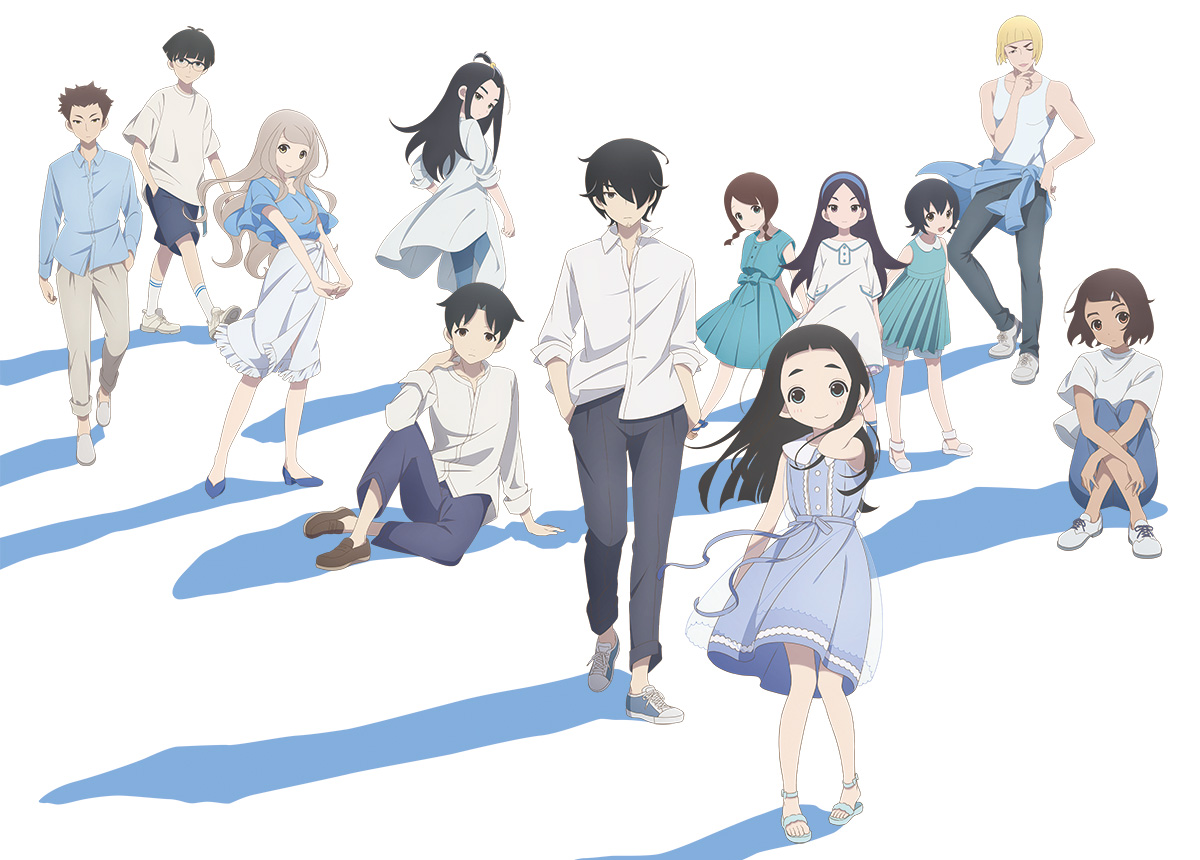
Kakushigoto" is a manga work by Koji Kumeda based on the noisy but kind and warm daily life of a manga artist father and his elementary school daughter. The title has two meanings, "hidden things" and "writing work"; it was serialized in Monthly Shōnen Magazine from 2016 and adapted into an anime in 2020.
Kakuji Goto, a manga artist known for his vulgar style, hides his profession from his daughter, Hime, out of a desire not to be disappointed. Many memorable and famous (and lost) sayings appear in "Kakushigoto," including warm words that show the love between parent and child, and chuckles from the surrounding characters.
A princess who meets the son of Kakushi's half-sister in a one story house in Kamakura and asks him about the complicated circumstances of her father. In fact, Kakushi is the child of the of a famous Kabuki actor. In other words, she was an illegitimate child. When asked if she was shocked, she answers, "I am relieved that my father and I are the real parent and child." A princess who says, "Father was too kind." The more her daughter evaluates her father as too kind, the more she knows that Kakushi raised her with great care.
The Princess
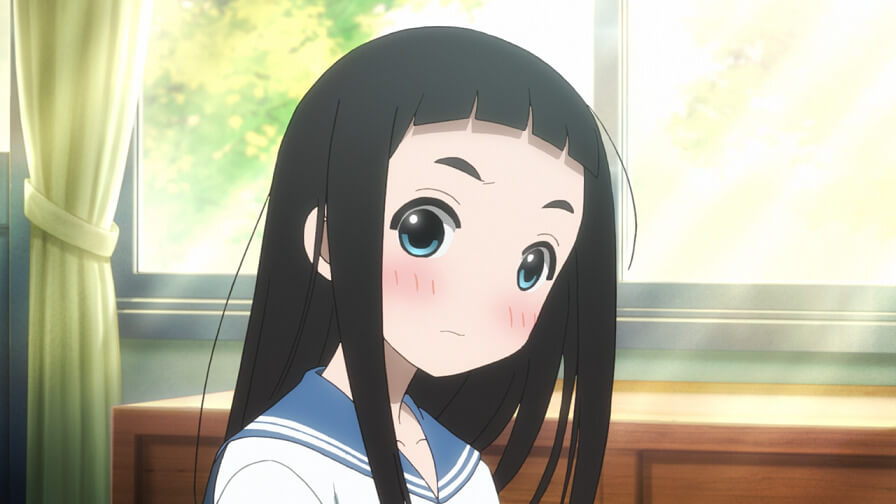
Perhaps because she inherited the genes of her grandfather, who was a Japanese-style painter, she had an outstanding sense of art. She entered art at high school and won gold medals in many competitions. She was also expected to go on to art college, but she liked drawing manga as well as Kakushi. For this reason, just as Kakushi once hid the fact that she was a manga artist, Hime is now working on a girl's manga, keeping it a secret from everyone around her except her best friend. She chose to be the same manga artist, and in the same way she hid her work from everyone around her, which proves that Hime and Kakushi have a "bloodless" relationship.
"My memory is monochrome. Turn it on."
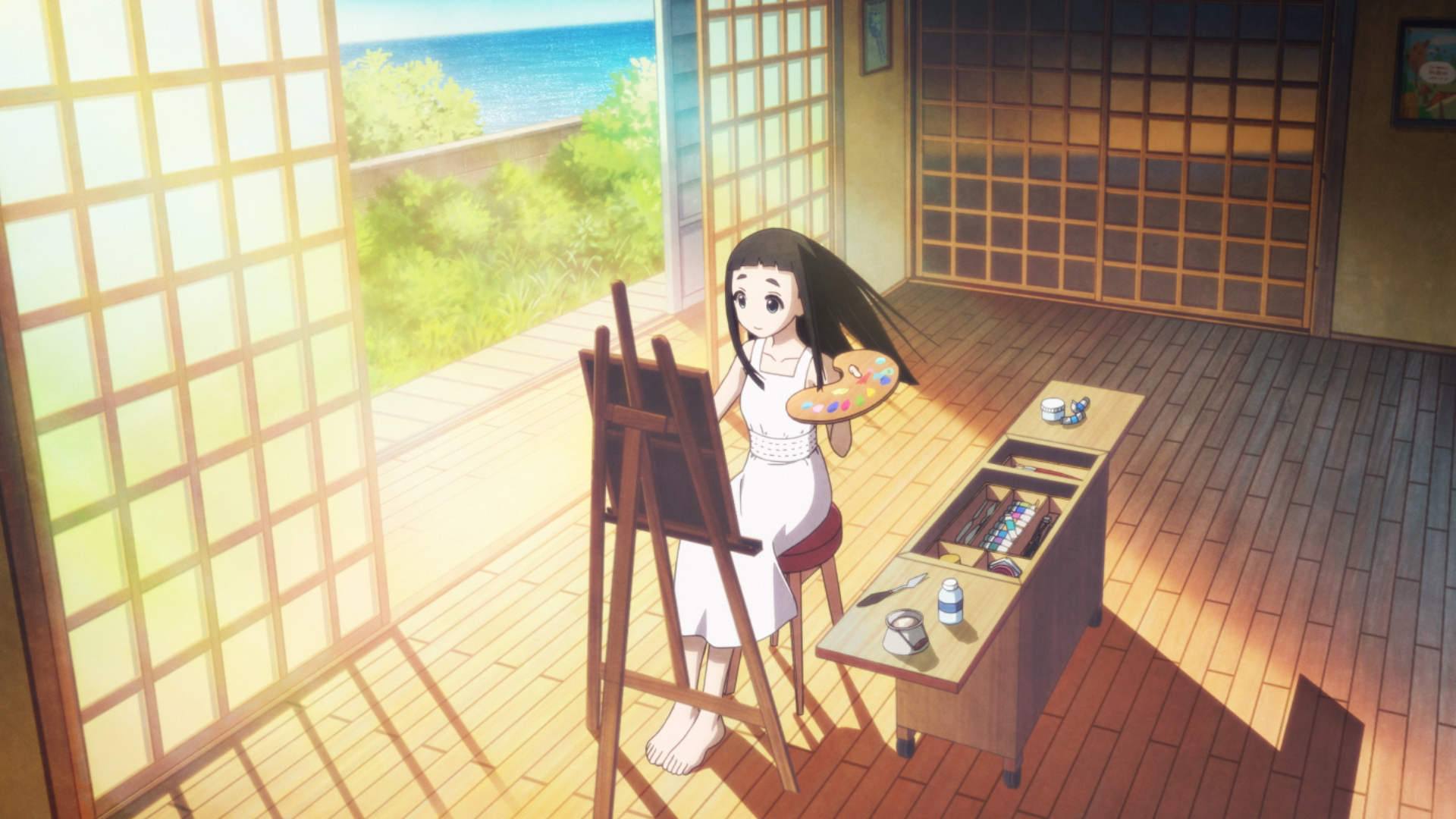
The princess's mother had prepared a cardboard box filled with what the princess would need for each age up to the age of 16. After learning of the cardboard box, Kakushi followed his wife's example and prepared a box for the age of 17 and older. After that, the princess learned of the existence of the box on which Kakushi had written paper and saw the contents of the 19-year-old box. Inside it was a tracing paper with a mysterious code. The identity of the code was a design drawing of the colors to be used in the everyday comic books of the ordinary family drawn by Kakushi. The color scheme was also the idea of her mother. The princess copied Kakushi's manuscript and colored it according to her mother's color scheme. The princess said, "My memory is monochrome. Please turn on the color," and the princess, who received the love of her parents' family, gradually completed it. It is an impressive scene depicting how the people of the Goto family, who were tied with strong bonds but were torn apart by repeated accidents, are reunited through the comic book.
"I'm home." "Welcome home, Dad."
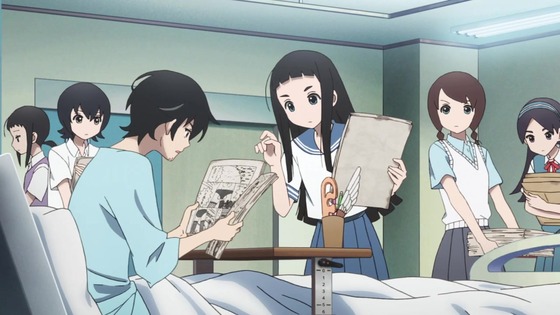
On her 11th birthday, she said, "I'll come back (no matter what happens). Go to the princess." Six years later, she lost consciousness due to an accident. She finally regained consciousness and returned to work as a manga artist. The two then returned to the one story house in Kamakura where they once lived together. The story ends with the words "I'm home" and "Welcome back, Dad." Although it is an ordinary daily conversation, it is the happiest daily life for Kakushi and the princess.
The words, lines, scenes and scenes of 羅砂 SUMIDA
"You only have a teacher. I'm desperate because I don't want people to think I don't need it."
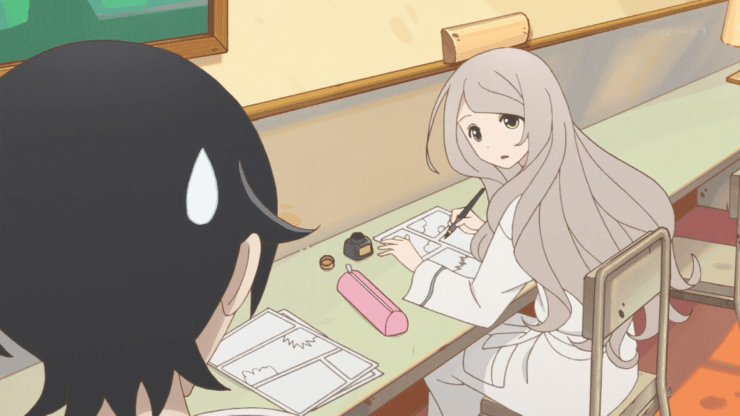
The princess, who felt sorry for receiving the allowance unilaterally, told Kakushi that the allowance was unnecessary. Kakushi, who loves the princess, wanted to give her the allowance, but Sumida says, "Even if Mangajin dumped her, the teacher has other publishers, but Hime-chan only has the teacher. I'm desperate because I don't want people to think I don't need it." The advice of Sumida is useful for Kakushi, who tends to think about the princess too much and tends to be biased.
Words, lines, scenes from 志治
"If you rate can become a second rate if it continues for 10 years. If you continue that second rate for another 10 years, you can become a first rate."
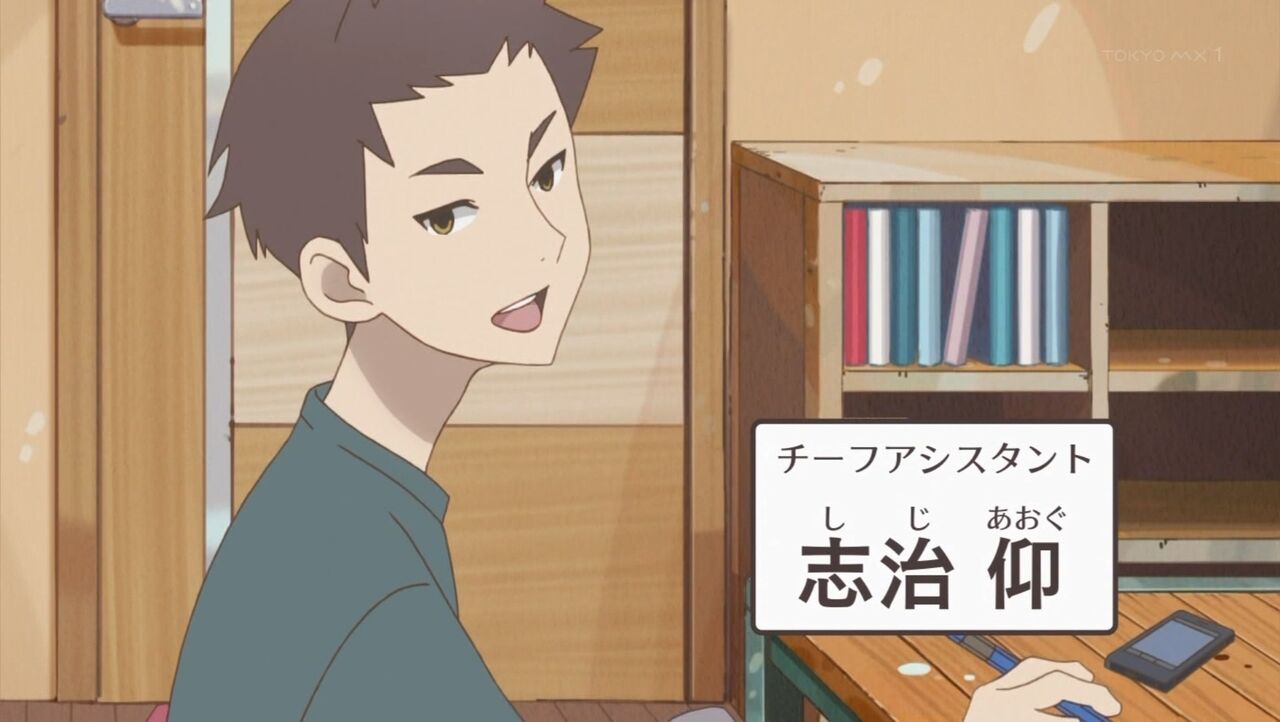
All of a sudden, a big job comes in from someone who claims to be a fan of Kakushi. The assistants say that readers who were children may have asked Kakushi to do it with discretion. 志治 recalls that Kakushi said, "Even if there are no big results now, if you continue to draw, 10 or 20 years from now, the readers will definitely become great and save you. If you continue to work for 10 years, you can become second class. If you continue to work for another 10 years, you can become first class." You can see that Kakushi is a hard worker who carried out "Continuation is power."
Ami Kakehi's Words / Lines / Scenes
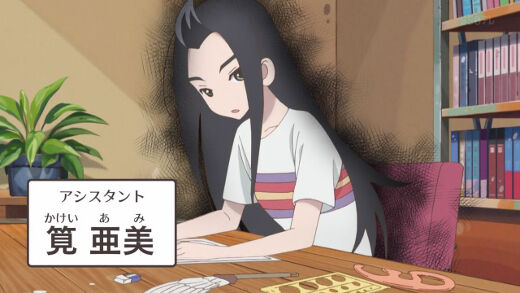
"I guess I made it because I made dumplings, but this doshirout!"
Although there are only six hours left before the deadline, Yakushi begins to make dumplings with his assistants. Cartoonists often escape from reality just before the deadline. They keep on making, and then return to the manuscript just by baking it. When the manuscript comes up just before the deadline, his assistant, Keshi-kakeru, mutters, "If you hadn't made dumplings, you would have had a little more time, wouldn't you?" But Kakehi says, "I made dumplings, so I could have made it, but this doshirout!" He says that the manuscript was completed because of the refreshment of making dumplings. In fact, in the manga world, escapism in cooking seems to be a major trend, and the author often made dumplings. He claims that the escapism of cartoonists is part of an important process leading to the completion of the work (from Part 3: Drawing the True Story of the Work of One Volume of Comics).
"Please also apply a tone to the shameful parts of the human body!"

Related Articles
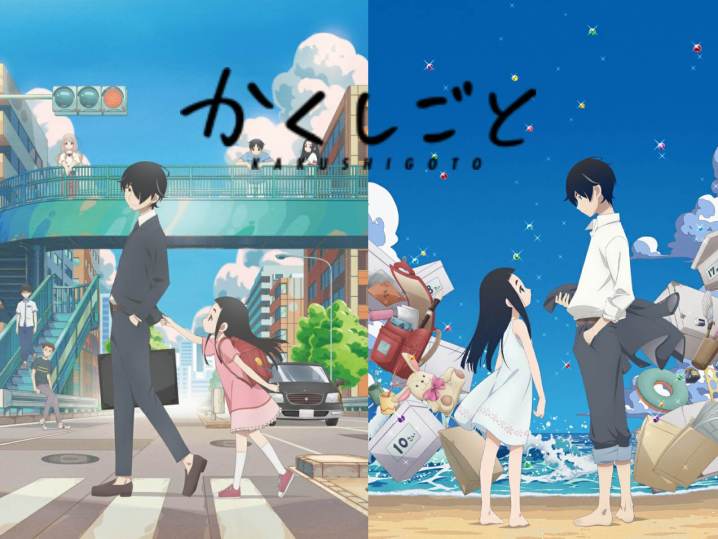
Spoiler commentary and discussion of Kakushigoto (anime and manga)
Kakushigoto" is a manga work by Koji Kumeida, serialized in "Monthly Shonen Magazine" (Kodansha). This work is a complex story that is divided into two parts: a comical daily life story in the Hime 10-year-old version, and a serious future story in the Hime 18-year-old version. This work has a strong daily life flavor, which is unusual for Kumeida, who often creates extraordinary works such as "Sayonara Zetsubou Sensei" (Sayonara Zetsubou Sensei). The "Kushigoto Exhibition of Koji Kubeta" was held at a museum in his hometown of Kumamoto Prefecture, and in 2020, it was adapted into an anime.
Read Article

Summary of the magazine's past heroines
Shonen Magazine" is one of the longest running weekly shonen manga magazines in Japan. Over its long history, the magazine has produced numerous masterpieces and supported Japanese manga culture. Because of the "shōnen manga" (boys' manga) concept, most of the main characters are boys, but the heroines who support them are also an integral part of the story, and are depicted in an attractive manner. The heroines are childhood friends, students, outsiders, and people from other worlds, and their relationships range from lovers to friends to rivals. Here we introduce some of the heroines who have graced the pages of the magazine.
Read Article
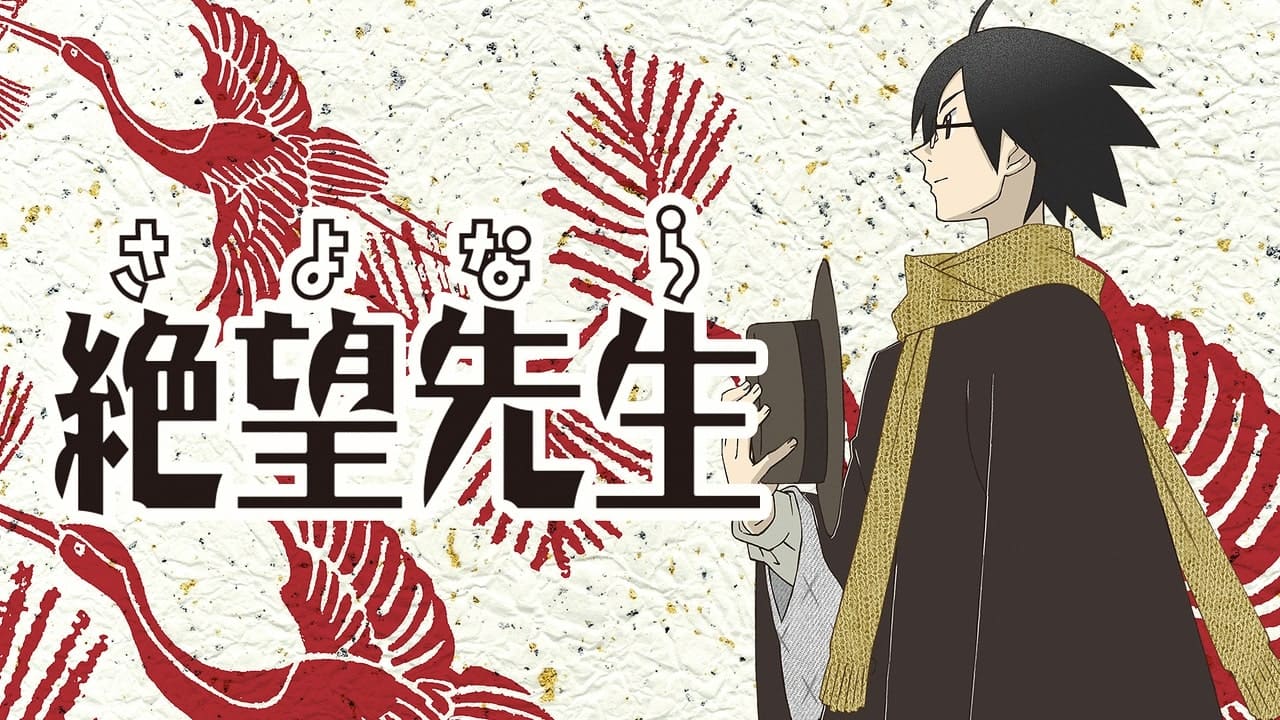
Goodbye Zetsubou Sensei (manga and anime) spoiler commentary and discussion.
Sayonara Zetsubou Sensei" is a comedy manga and anime by Koji Kumeda, serialized in "Weekly Shonen Magazine" from 2005 to 2012. Nozomi Itoshiki, a teacher, attempts to commit suicide by hanging herself on the day of the school opening ceremony, a day full of expectations. He is saved by a positive girl, Kanoka Kazaura, who passes by. Later, he goes to his new homeroom class and finds that the girl who saved his life is a student in that class. This is a biting satirical comedy that takes place in a classroom full of problem children and a teacher with a negative attitude.
Read Article
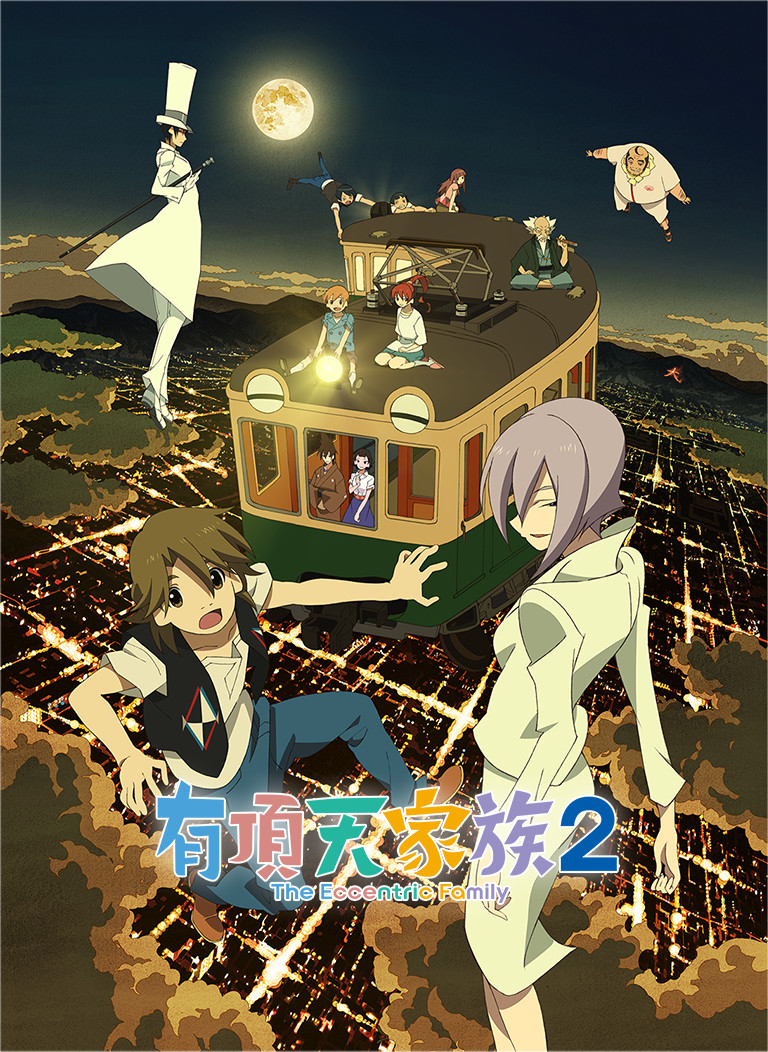
Spoiler commentary and discussion of Arikiten Kazoku 2 (anime)
Arikuten Kazoku 2" is an anime adaptation of the second novel in the "Arikuten Kazoku" series by Tomihiko Morimi. 2007 saw the release of the novel "Arikuten Kazoku" and the first season was adapted into an anime in 2013. 2015 saw the release of the novel "Arikuten Kazoku: The Return of the Second Generation" and in 2017 it was adapted into an anime as "Arikuten Kazoku 2. The main character and raccoon dog "Shimogamo Yazaburo" meets "Nidaime," the son of a tengu. Nidaime gets on bad terms with the heroine "Benten," and Yazaburo and the other raccoons get involved.
Read Article
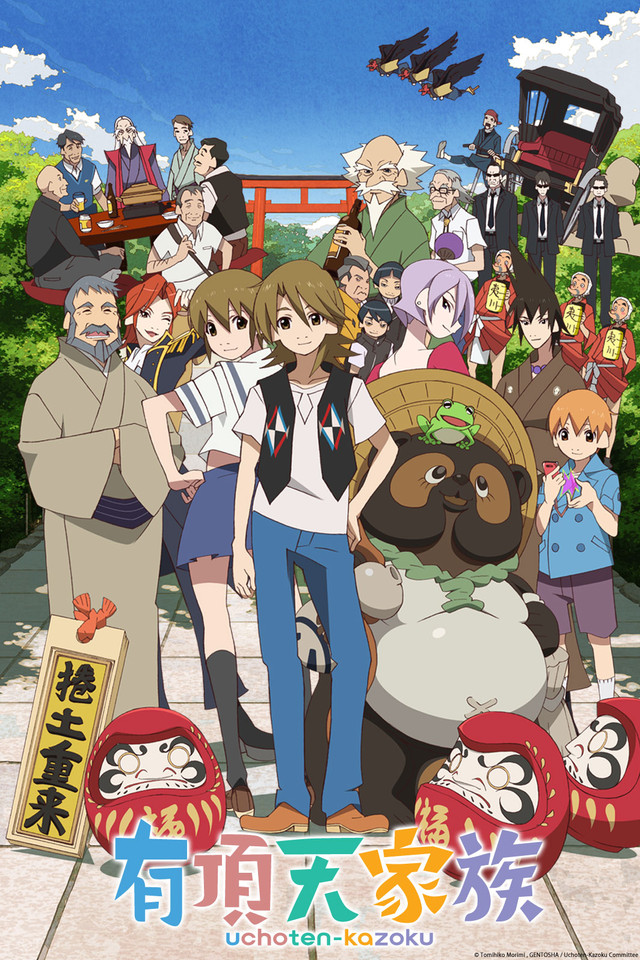
Spoiler commentary and discussion of Arikiten Kazoku (anime)
An anime that aired in 2013. Based on the "Tanuki Series," a planned three-part series by Morimi Tomihiko of "Shijohan Shinwa Taikei" and "Yoru wa Tanshi Arukkeyo Otome. Character design is by Koji Kumeda of "Sayonara Zetsubou Sensei. It was adapted into a manga in 2013 and a stage version in 2014. With its splendid cast and careful depiction, the series has a strong fan base, and its second season, "Yuuten Kazoku 2," will begin airing on April 9, 2017.
Read Article
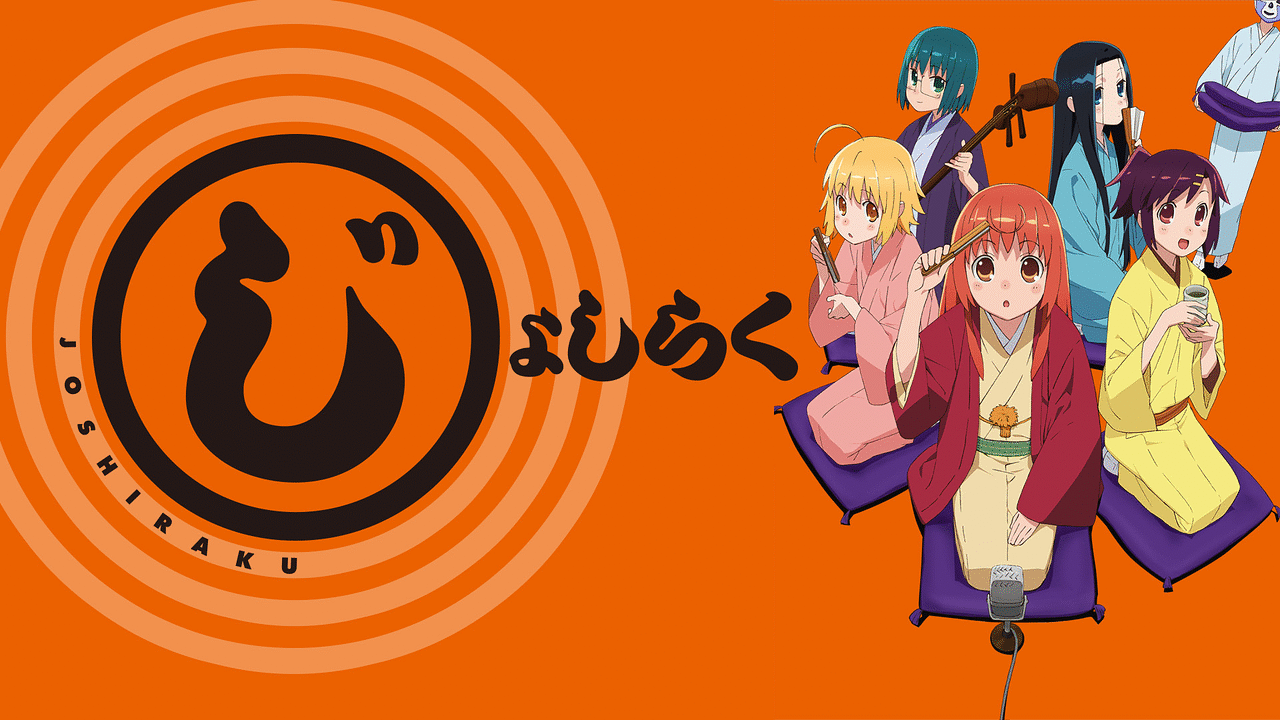
Spoiler commentary and discussion of Joshi Rak (manga and anime)
Joshiraku" is a gag manga serialized in "Bessatsu Shonen Magazine (Kodansha). The original story and plan were written by Kumeida Koji, and the drawings were done by Yasu. It is an everyday comedy centering on a conversation in the dressing room of a female rakugo storyteller, and has also been made into an anime. The author is Koji Kumeda, who wrote the original story and original plan, and Yasu, who drew the pictures. The main character is a rakugo storyteller, Hobatei Teitora, but there are not many scenes of him performing rakugo, and most of the conversation takes place in his dressing room. The highlight of "Jyoshiraku" is the way the story unfolds, expanding on trivial everyday topics.
Read Article
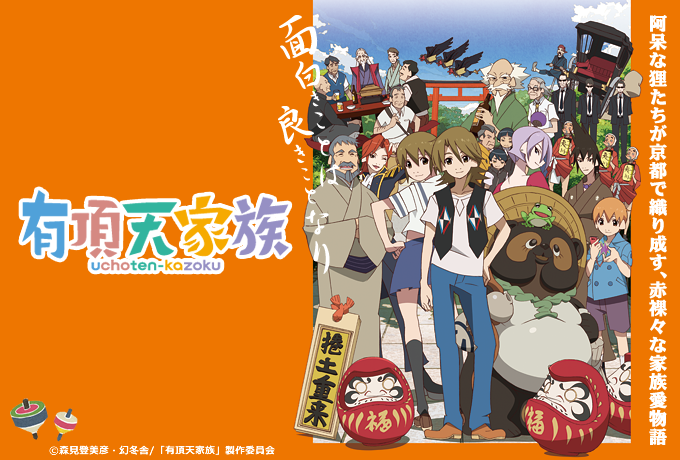
The Arisuto Family Pilgrimage to the Holy Land
We have compiled a list of famous places in Kyoto that appear in popular author Tomihiko Morimi's masterpiece "The Arikuten Kazoku". We also introduce information on Kyoto's unique gourmet and sightseeing spots, so be sure to stop by if you are on a school excursion or business trip!
Read Article
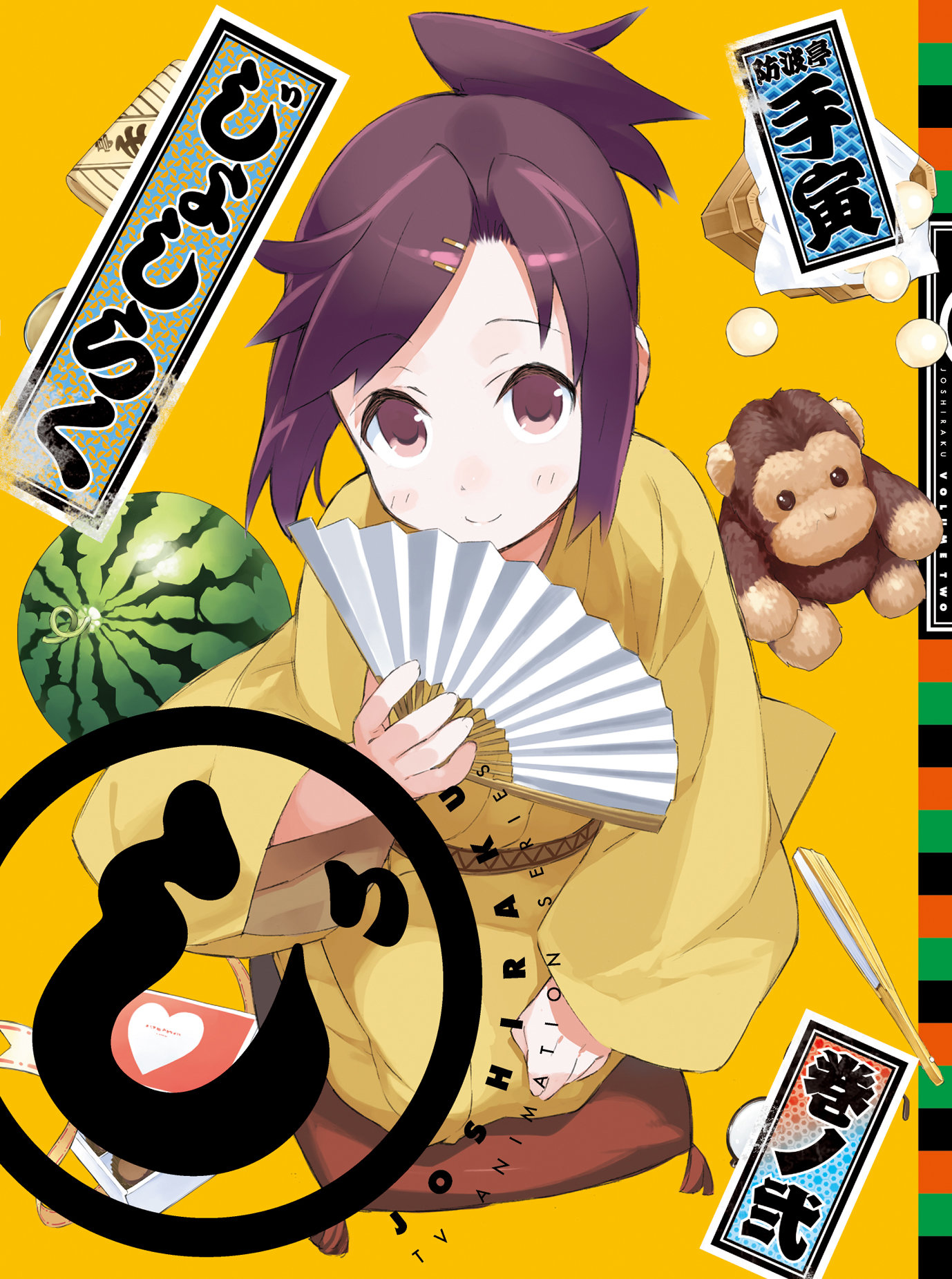
A compilation of heartwarming and gag anime that you can comfortably watch! Let's be healed by "Joshiraku", "WORKING! and more!
Here, among the many anime works, we have narrowed down the list to those that are "heartwarming" and "have gag elements," and introduced them with images. Some of the works are "Joshiraku," which is based on a girls' rakugo manga, "WORKING! and "Lucky Star" based on a four-frame manga by Kagami Mimizu. All of these are easy-to-watch anime that are perfect for those who think that complicated stories are a bit too much for them.
Read Article
Contents
- Outline of "Kakushitsugoto"
- Go-Hisashi 藤可's Words, Lines / Scenes
- "No, other people's lives are at stake. This is with the resume and not a good place to fool around."
- "That's not true. At least I'm being raised."
- "I just draw the comic book I believe in."
- "I expect more from the author than the readers next week!"
- "Even if you draw the correct answer, it won't turn into a comic book!" "Ignorance is a tool for imagination! Imagine before you look!"
- "I feel that having a dog is similar to starting a series. It's good to start, but it's hard to continue without giving up. And it's more difficult to finish."
- "Maybe the first impression is all, and you can't change it, or maybe it's too fast, too busy, and there's no room in society."
- "You see, Princess, this is something to celebrate when you celebrate,"
- "Yes, we are a family of two and may be short-staffed, but we can give each other a lot of love because we are short."
- "No matter what, I'll raise him to the last."
- "If you are a first class cartoonist, you can make black-and-white manuscripts appear in color."
- "We'd better meet when we can. We'd better get together when we can. We don't know when we can't meet."
- "May she return home,"
- House with the same layout
- The Words, Lines, and Scenes of Princess Goto
- "Well, I can paint in many colors! I can paint in any color!"
- "All in all, your father is good at work."
- "My teacher told me that if someone doesn't do the duty that I don't like, society won't go around."
- "To me, your father is a gold medal."
- "If it's a good name, it doesn't matter who gave it."
- "I don't think it's going to disappoint anyone to say they believe."
- "I don't get tired of it because it's different every day."
- "It was a very boring manga. There was no sword, no magic, no accident. It was just a story about a family of three, a father, a mother, and a daughter, living an ordinary life. But that boring life was the best dream."
- "Dad, you were too kind."
- The Princess
- "My memory is monochrome. Turn it on."
- "I'm home." "Welcome home, Dad."
- The words, lines, scenes and scenes of 羅砂 SUMIDA
- "You only have a teacher. I'm desperate because I don't want people to think I don't need it."
- Words, lines, scenes from 志治
- "If you rate can become a second rate if it continues for 10 years. If you continue that second rate for another 10 years, you can become a first rate."
- Ami Kakehi's Words / Lines / Scenes
- "I guess I made it because I made dumplings, but this doshirout!"
- "Please also apply a tone to the shameful parts of the human body!"
- Jumaruin May no Meijin / Meisho / Meisho
- "It's the job of the editor to prevent writers from drawing what they want to draw."
- Rokujo Isshi no Meijin / Meisho / Meisho
- "It's not that I don't think about it, it's that I try not to think about it."
- "Basically, everyone looks like what they like."