
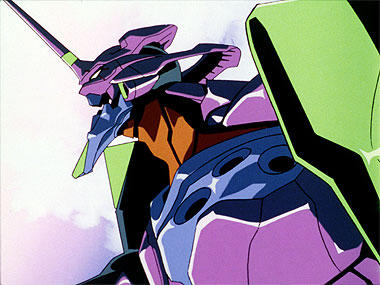
Neon Genesis Evangelion" represents the 90's anime culture. Of course, it also participated in Super Robot Wars. We have compiled a list of the three major series that Evangelion has participated in: the TV series, the movie series, and the new movie series.
Neon Genesis Evangelion
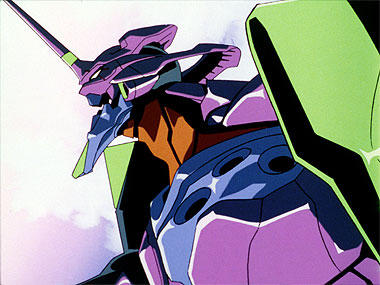
It all started here. It is a good work that has a somewhat heavy story, but it is also an interesting and cool robot animation without forgetting the coolness.
The year is 2015. The Third New Tokyo City is attacked by "apostles" with various special abilities. Shinji Ikari, the main character, is chosen to pilot Evangelion, a humanoid battle weapon that is the only way for humans to fight the "apostles. Now, the battle for the fate of mankind is about to begin. What is the true identity of the "Apostle"? What will be the fate of the boys and the human race?
Source: www.hulu.jp
Neon Genesis Evangelion The Movie
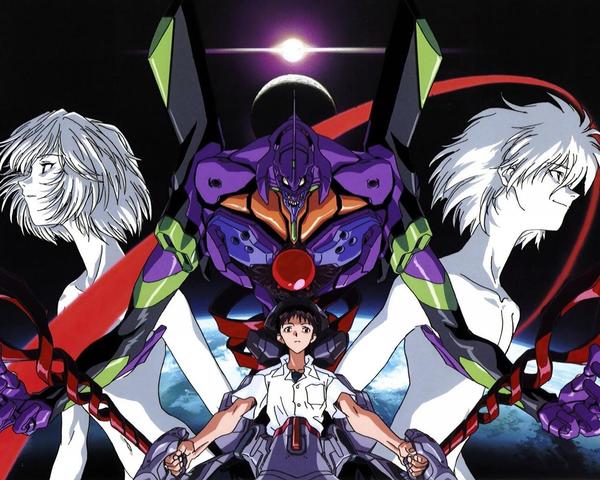
This is the first series of the theater version. The famous scene, which is still talked about today, was born from this film.
It is a remake of the twenty-first and final episode of the same TV animation series, "Neon Genesis Evangelion," which was broadcast from the fall of 1995 to the spring of 1996, and was shown as a completely new work [4]. With this film, "Neon Genesis Evangelion" reached its conclusion.
Originally, "Neon Genesis Evangelion the Movie: Sito Shinsei" was scheduled to be completed in the spring of 1997, but the production of the "REBIRTH" version was not completed in time, and the film was released in the summer of the same year (for details, please refer to "Neon Genesis Evangelion the Movie: Sito Shinsei"). (For more details, see "Neon Genesis Evangelion the Movie: Sito Shinsei. The parts of the film that were released in the "REBIRTH" version were re-recorded with postrecording, sound effects, and background music, as well as slight on-screen corrections and additions [5].
Episode 25 "Air" (Air) is from "Aria on the G line" (Air) from "Orchestral Suite No. 3, No. 2" by Johann Sebastian Bach, which is used as the background music in the play. Episode 26 "Magokoro wo Kimini ni" is from "Magokoro wo Kimini ni", the Japanese title of the film adaptation of Daniel Kiis's book "Bouquet de Algernon".
Source: ja.wikipedia.org
Evangelion: The Rebuild of Evangelion
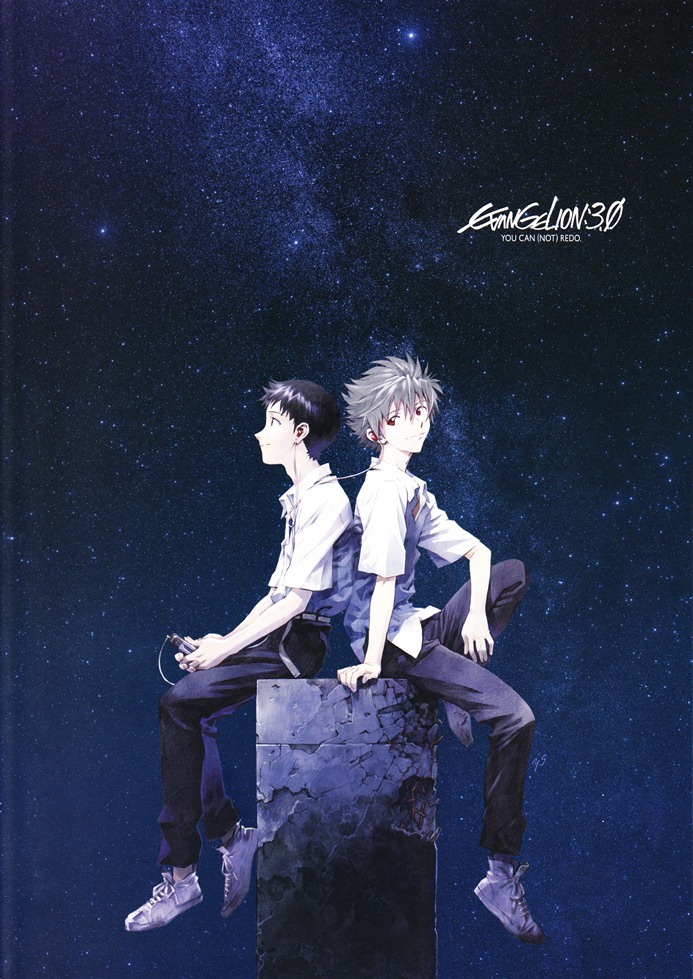
In fact, the new movie version is not over yet. With the introduction of new characters and shocking developments, we can't take our eyes off it yet.
BYR color wheel.svg This item deals with colors.
Depending on your viewing environment, colors may not be displayed properly.
This is a remake of the TV animation "Neon Genesis Evangelion" (broadcast in 1995 - 1996), which is set in the world after the catastrophe "Second Impact" and describes the battle between boys and girls who become pilots of the humanoid weapon "Evangelion" and the mysterious enemy "Apostles" that attack the Third New Tokyo City. The word "REBUILD" in the tentative title announced in 2006 was later dropped from the title, but the expression "rebuild" (rather than "remake") was frequently used in the introduction and other publicity regarding the new theatrical version until the first part "Introduction" in 2007.
The term "Evangelion" is used only in the title of the film, and the aircrafts that appear in the film are referred to as "Evangelion" as before. The core staff is the same as in the TV series, including Hideaki Anno as general director, Yuki Masa and Kazuya Tsurumaki as directors, Yoshiyuki Sadamoto as character designer, and Shiro Sagisu as musician, and the voice actors are also the same except for the new characters. A four-part series is planned. Initially, the series was tentatively called "Part 1, Part 2, Part 3, and Part 4: The Complete Series," but in April 2007, it was announced as "Part 1, Part 2, Part 3, Part 4, and Part 5: The Complete Series," which was a reference to the series' first and last parts. In June 2009, "Kyu" was changed to "Q," and in November 2012, "Evangelion:? was changed to "Shin Evangelion: The Movie" in November 2012.
The first part, "Introduction," follows the story from episodes 1 to 6 of the TV series, while the middle part, "Break," is based on the existing story and introduces new aircraft and characters.
Source: ja.wikipedia.org
The Eva series has left a strong impression on viewers, and is definitely an indispensable series when talking about robot animation in the 1990s. By the way, let's look at other Gainax works besides Eva next time.
