
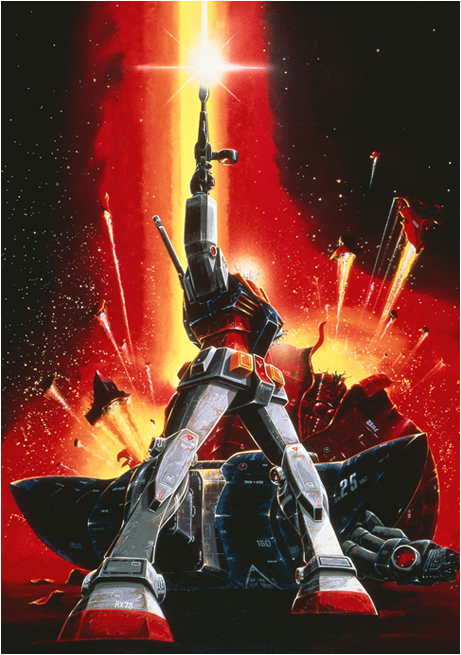
This is a collection of entries from the well-known "Gundam" series, a TV series set in the Space Century. All of them have one major thing in common: they are all directed by Yoshiyuki Tomino.
Mobile Suit Gundam
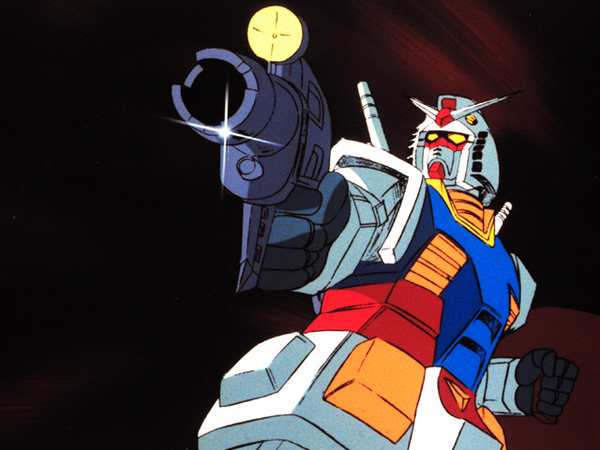
The pioneer of the "real robot" genre, as you know it. For better or worse, this work changed the tide of the genre as a whole.
Space colony "Side 3" called itself the Principality of Zeon and challenged the Earth Federation to a war of independence in the 0079th century. The war, which has resulted in the deaths of more than half of the human population, has now reached a stalemate. Under these circumstances, Major Char Aznable of the Principality of Zeon detects suspicious activity on the Federation colony "Side 7," and sends three mobile suits "Zaku" to scout the area. The Federation Forces were developing and testing new mobile suits, mainly the "Gundam", there. Excited, new recruit Gene goes berserk in his impatience for military success, and begins bombardment on his own initiative. Amuro Ray, a young boy from Side 7, is caught in the crossfire, along with other civilians, when he happens to pick up a manual for the Gundam his father is developing. After seeing his neighbor Frau Boh's family members die in an instant, Amuro climbs into the Gundam's cockpit and activates it! Confronting the Zaku with his Gundam, Amuro manages to destroy two Zaku with his beam saber, despite being a complete amateur. However, Char continued to destroy Side 7 by launching missiles from the Musai ship.
Source: www.gundam.jp
Mobile Suit Zeta Gundam
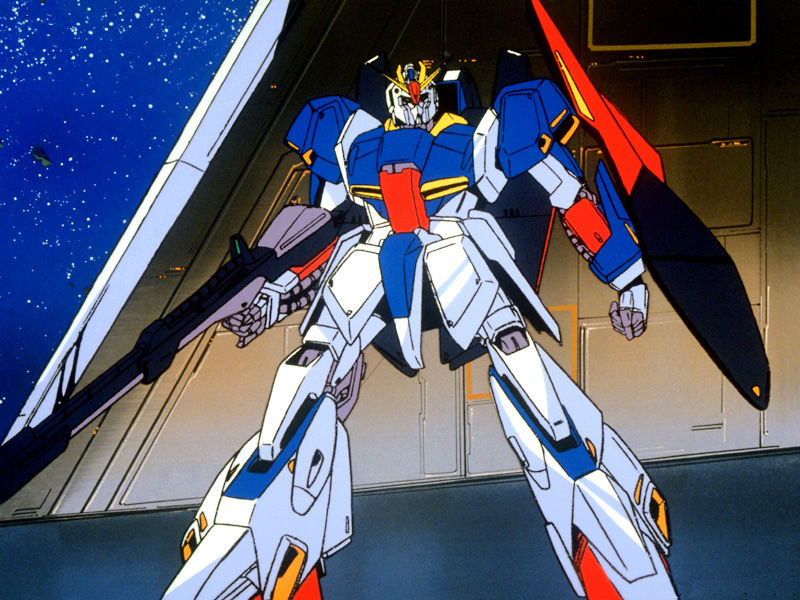
This sequel takes place several years after the previous film. The chain of tragedies created by the clash of human egos leads to the worst possible outcome in the final episode.
It was aired seven years after the previous "Mobile Suit Gundam," and the story is set seven years after the One Year War, the setting of the previous work, in the play, and characters from the previous work appear older.
In contrast to Mobile Suit Gundam, which focused on soldiers on the battlefield, the story has more elements such as political gamesmanship. In particular, the tri-polar structure of the Titans, Ego, and Axis, rather than the Earth Federation versus Zeon of Mobile Suit Gundam, blurs the distinction between friend and foe. In addition, the story progresses with the egos of the characters laid bare.
Source: dic.nicovideo.jp
Mobile Suit Gundam Zeta
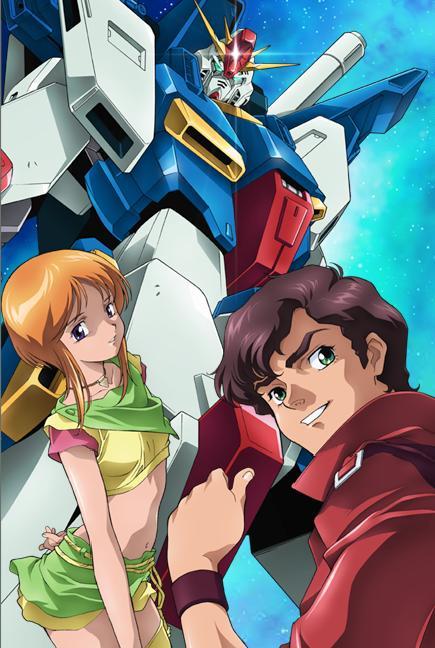
Sequel to "Z." A change from the previous work, it has a brighter, more future-oriented atmosphere.
A boy named Jude and the Zeta Zeta Gundam stand up against the Neo Zeon led by Haman! This work is a direct descendant of the "Mobile Suit Gundam" series, depicting the first Neo Zeon battle after the end of the Gryps Conflict.
Source: www.b-ch.com
Mobile Suit V Gundam
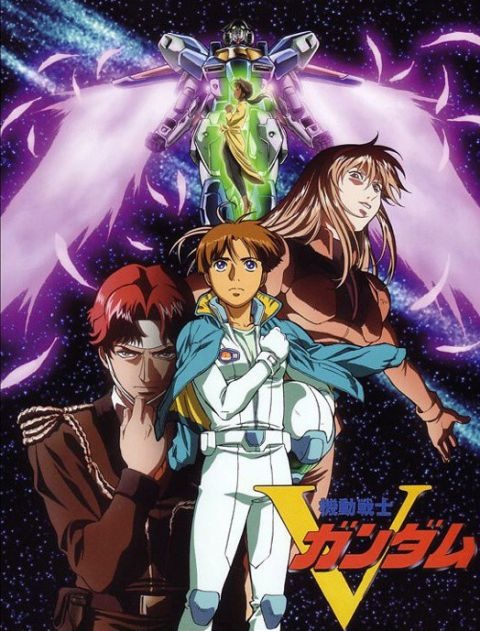
This is the first Tomino Gundam of the 90's, and is a series of somber and egregious developments.
This is the fourth Gundam series to be animated for TV since Mobile Suit Gundam ΖΖ in 1986.
As the first TV series since "ZZ," it was again produced with an eye toward new viewers and children, and the time period is again one generation in the future from "F91," so that the content of the work is not so problematic for those without knowledge of past Space Century works. The main character is younger than before (13 years old), and the main character Victory Gundam, with its numerous equipment and parts, was designed with an awareness of the RPG elements that were popular at the time.
It is also known that the company intended to attract the audience of "SD Gundam," which had supported the Gundam series up to that time, and took measures such as not allowing the use of V Gundam as a character motif on the SD side for a while.
However, when the lid was opened, there were many cruel depictions, including an execution scene using a guillotine, and toward the latter half of the series, issues such as religious wars and ethnic conflicts were strongly reflected, so the original target audience was not children, and the main audience was above a certain age group as before.
Although the result itself was not so bad, the Gundam series decided to depart from the space century in order to once again aim for the children that had been its main goal, and the following year, the "G Gundam" was born.
Source: dic.nicovideo.jp
These were the masterpieces of the Gundam series, which undoubtedly rewrote the history of robot animation. You can live without knowing them, but if you know them, the games will be 100 times more fun. If you haven't watched them yet, please do so.
