
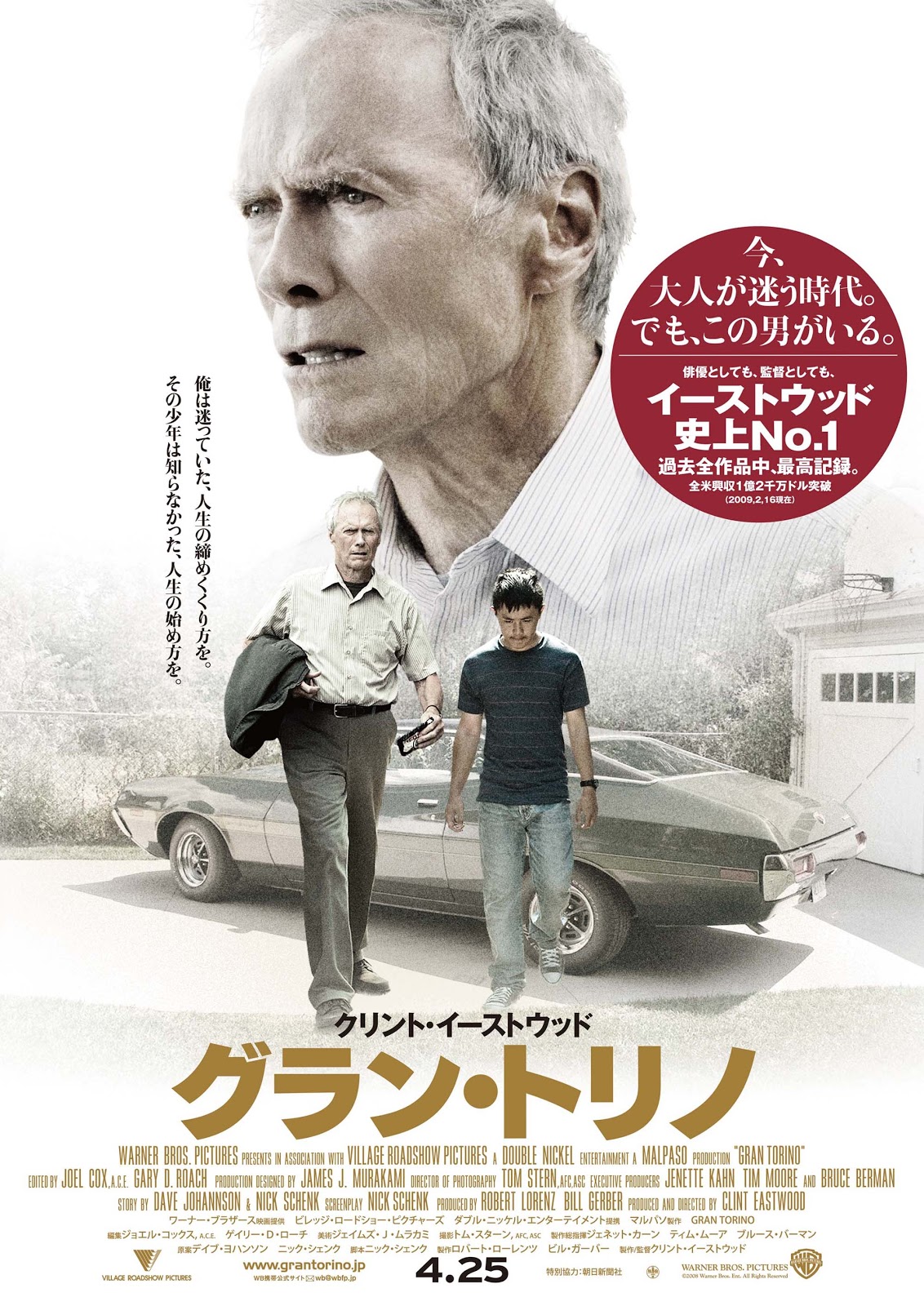
Gran Torino" is a 2008 American human drama film directed, produced, and starring Clint Eastwood.
Set in Michigan, the film depicts the emotional interactions between Walt, a stubborn ex-soldier, and his Hmong neighbor, a young boy named Tao. Once, a gangster tries to steal Walt's beloved car, but Walt takes him under his wing and gets him a job, where he works diligently. Meanwhile, the gang's harassment of Tao escalates. To protect Tao and his family, Walt risks his life and sends the gang to jail.
Overview of Gran Torino
Gran Torino is an American human drama film directed, produced and starred by Clint Eastwood in 2008. It was released on December 12, 2008 (limited release), January 9, 2009 (extended release), and April 25, 2009 (Japanese release). It has a box-office revenue of US $ 270 million and is highly regarded in Japan and abroad. Awards include National Board of Review of Motion Pictures Award for Best Original Screenplay, Best Actor (2008), Best Foreign Film (2009), Japanese Academy Award for Best Foreign Film (2010), and Cesar Award for Best Foreign Language Film (2010).
Grand Torino, which is also the title, is a car model of Ford Motor Company, and it is a car produced between 1972 and 1976 among Ford Torino.
"Grand Torino" was Clint Eastwood's last job as an actor, and in an interview at the time of the film's release, he said, "I spent many years as a director, and I wanted to retire as an actor, but I was fascinated by the role of Grand Torino," and Nick Schenk, who wrote the screenplay, made his screenplay debut.
Set in Detroit, Walt (Clint Eastwood), a lonely and stubborn man who served in the Korean War, is a lonely old man who lost his wife and is estranged from his two sons and their families. He spent his days feeling guilty about the Korean War he had once experienced. In the midst of this, the Hmong family, an Asian immigrant, moved to the next door, but Walt, who did not feel well about the increase in foreigners in the residential area, took a nasty attitude. However, he saved the Hmong boy Tao, who lived next door, by accident, and then started to interact with the Hmong. While he spent his time touching the kindness of Tao and Tao's sister Sue, Walt gradually forgave himself.
However, his attempt to save Tao's sister, who was persistently harassed by the same H' mong gang, developed into a bigger case. Revenge produced only new vengeance. Walt risked his life to fight.
The highlight is the friendship between Walt, who is bigoted and stubborn, and Tao, a H' mong boy, that transcends age, race and prejudice, and the way Walt ends his life.
Walt was deeply wounded in the Korean War. He could not escape from his suffering. Moreover, what remains in his memory is that he brutally killed his children during the war. Walt met Tao, who was about the same age as he was at that time, and saved Tao many times not only because he felt like a friend, but also because he felt like a penance for the past. He took the future of the boy once, and he wanted to make the future of Tao next. I think the biggest attraction was that the last weapon Walt chose to fight with was friendship and love, not guns or violence.
Outline and story of "Grand Torino"
Walt and his family.
The funeral of Dorothy, the wife of Walt Kowalski (Clint Eastwood), was being held at the church. The attending grandchildren irritated Walt by appearing in unusual looks, such as belly button looks, belly button earrings, and American football jerseys, and by laughing at each other with silly prayers. Due to Walt's stubborn and difficult personality, they are not getting along with their two sons and their families, and their conversation is strained. They were the sons who had a hard time thinking about the future of Walt, who was old and left alone.
The church funeral was over, and many people gathered at Walt's house to remember Dorothy, but the son, his wife, and his grandchildren looked uncomfortable. The grandson, who had no time to spare, found a picture of Walt from the Korean War and his medal in the trunk labeled "Legendary Hero" in the basement. Walt kept the medal and picture he received from the war in the trunk of the basement instead of decorating his house. He has never been honored by the medal for killing someone, and he has been tormenting Walt ever since.
On that day, a Hmong family of Asian immigrants was moving in next door. The town where Walt lived was once home to automobile factory workers. Walt had been an assembler for 50 years at Ford and loved the good old America of his time. However, after the factories were closed due to the spread of Japanese automobiles, many people left the town, and Walt did not like the fact that the number of immigrants increased instead. Walt looked at the immigrants and spit, saying, "How many rats are there?"
After a while, a boy named Tao Lo (Bee Vang), a member of the H' mong family next door, comes to borrow a jump cable. But Walt says, "I'm in mourning!" and drives Tao back with a cold attitude. A young priest named Janovic (Christopher Carley), who was worried about Walt when he was left alone, asked Dorothy, Walt's wife, to listen to the confession of Walt, who had been traumatized during the Korean War. However, he treated the young priest coldly as if he were a child.
Looking at Mitch's Land Cruiser, Walt said, "If I buy a Japanese car, will I win?" (In the dubbed version, "Can't I buy an American car?") as he drove away. He looked at his eldest son, Mitch (Brian Haley), who sells Japanese cars and drives Japanese cars, and seemed to dislike him.
Walt and the Hmong family
Tao tells his cousin Fong (Dua Moa), also a Hmong, to join the gang he is leading, but Tao ignores him because he does not want to join the gang. The gang still persistently invites Tao to join them and force him to steal Walt's car, a '72 Gran Torino.
At night, Walt is having drinks with friends at a bar when Father Janovich approaches Walt and the two talk about life and death. Walt tells Father Janovich that he will never forget his three years in the Korean War, when he shot, bayoneted, and beat teenagers to death with a shovel, and that he will live with that until the day he dies. Walt could talk about death in great detail, but he had little to say about life. This was because Walt had lived with his war experience all his life.
That night, Walt woke up and saw a suspicious light shimmering in his garage through the window of his room, so he grabbed his gun and went to the garage. Tao was in the garage, and Walt pointed the gun at Tao, but tripped over something and fell over.
The next day, as Walt is installing a wire fence on the garage window, he receives a phone call from his oldest son Mitch, but he is unable to tell him that he had fallen and let the culprit go, and does not mention the attempted theft of the Gran Torino last night.
Afterwards, Walt carefully polished the '72 Gran Torino, which he had installed the steering wheel himself, and was satisfied as he smoked cigarettes and drank beer while gazing at his beloved car. The Gran Torino was Walt's pride and joy.
That night, the gang members come to visit Tao and try to force him to join them. While the Tao family and gang members struggle to protect Tao, Walt shows up with a gun and fights off the gang members. As a result, Walt saves Tao, and from the next day, he is regarded as a hero for saving the Hmong family from the gangs, and gifts of thanks are placed on his doorstep one after another by the neighbors. While Walt is puzzled, Tao, his sister Sue, and Tao and Sue's mother come over to thank him for last night, and Tao apologizes for trying to steal the Gran Torino. A short time later, Father Janovich, concerned about what happened last night with the gang, comes to visit Walt. There, Father Janovich, who had been thinking about Walt since the night he and Walt had talked about life and death, told him to repent and unburden himself for the acts he had committed to protect himself and his friends when ordered to do so in the war. But what Walt was suffering from was not what he had been ordered to do, but what he had done of his own volition.
During the day, Walt was driving home from a barber shop when he saw his neighbor, Sue, being harassed by a gang of black thugs. Walt drove to Sue's place and got out of the car. Walt stood in front of the thugs and pointed his finger in the shape of a gun at them, as if he had his hand in his chest. He told Sue to get in the car, but the thugs grabbed Sue's arms and wouldn't let go, so Walt pointed a real gun at her and got her in the car. In the car, Sue and Walt have a friendly conversation and learn that Sue and her family moved to the area because they helped the US during the Vietnam War. They had come to the U.S. because they feared reprisals from the communist forces.
The day they saved Sue was Walt's birthday. Walt was fed up with Mitch and his wife's selfish eldest son, who had come to celebrate the occasion, and sent them away.
Sue came over and invited Walt to a barbecue, which Walt decided to attend. However, not knowing Hmong culture, Walt behaves rudely to the Hmong one after another, and is blatantly displeased. He is then confronted by a shaman who tells him about his past and present. In an uncomfortable situation, he becomes ill and vomits blood in the washroom. Walt says a lonely "happy birthday" to himself in the mirror.
Meanwhile, Tao is all alone in the basement with a sad look on his face as a group of happy-go-lucky young people are chatting. There is a girl he is interested in, but he does not have the courage to join her circle. Walt found Tao and called him "Trosuke" and swore at him for not even talking to the girl he was interested in.
Interaction between Walt and Thao
One day, Tao, his sister Sue, and the mother of Tao and Sue come to Walt to make amends for Tao's attempt to steal his car. He once refused Tao's request to help Walt in making amends, but was forced by Sue and her mother to come the next day.
The next day, Tao visits Walt's house to make amends. But Walt, who can take care of himself by himself, does not want Tao to help him. While feeling pity for Tao, who does not have confidence in himself and does not even know what he is good at, Walt suggests that Tao fix the neighbors' houses. Seeing the polite and serious work of Tao, Walt begins to have a good impression of Tao. Just then, Walt, who feels sick and vomits blood again, goes to the hospital. However, the result was serious. Walt calls his eldest son, Mitch, but hangs up because he can't say anything about his illness.
The next day, Tao comes to Walt to ask him to fix the water supply. After that, the two of them talk in the garage where the tools are kept. Walt, who is gradually getting a favorable impression of Tao, tells him about the tools he worked and bought and lends them to Tao. After that, Walt asks Tao to help him bring up the freezer of the house he no longer uses from the basement. To carry the freezer, he has to go up the steep stairs in the basement. Walt pulls up from the top, so he tells Tao to push from the bottom. The reason was that it was heavier to hold the top, but Tao says, "I pull up from the top" because he is worried about Walt's body because of his age and because he saw Walt vomiting blood in the garage. However, Walt, who thinks he was treated as an old person, does not listen to him saying, "I pull up from the top," but Tao shows a masculine side by shouting at Walt.
After that, Tao told Walt to quit smoking because he was worried about his health, but Walt did not listen. He lit his cigarette with a lighter bearing the emblem of the First Cavalry Division, which he had owned since' 51.
While teasing the dirt in Walt's garden, Tao complains that he wants to go to school but no one will hire him. Walt tells Tao that he worked at Ford and that he built the steering wheel for his beloved car. Steering is a device that controls the steering wheel. He can introduce Tao to building work, but he says, "First, you have to be a man." Then he takes Tao to a familiar barber shop. He shows Tao that he is having a conversation with the owner of the barber shop, Martyn (John Carroll Lynch), while cursing him as usual, and gives him a lecture on manly conversation. After that, Walt takes Tao to an acquaintance who works in construction, and he is hired safely. Walt, like building the steering wheel, was trying to lead Tao to the right path so that he wouldn't go wrong.
Violence breeds more violence
Thao is caught by gangsters on his way home from work. He is beaten, his tools are broken, and his face is burned with a lit cigarette.
When Walt saw Tao, whom he had not seen for a long time since he introduced him to his work, he noticed something unusual. When Walt heard about the situation from Tao, he became angry, but Tao, who was afraid of retaliation, told him not to do anything. However, Walt went to the gang by himself and continued to beat one of the gang members until the gang was alone at home. In addition, he pointed a gun at the gang and advised them not to approach Tao.
That night, the gangsters fired a gun at Tao's house. Fortunately, the family was safe, but Walt, who knew this was gang retaliation, went to his aunt's house, worried about Sue, who was not at home, and had Tao call her. Shortly after, Sue came back, but she was so violent that her face was deformed, and she was even sexually violent. After leaving the grieving family, she came home and shed tears. She could have expected this, but she could not forgive herself for her anger. Then Father Janovic came and told her that he had taken her to the hospital and that the Hmong would not say anything to the police about what had happened tonight. Father Janovic told her that Tao was looking at him from the outside. Tao was waiting for Walt to say that he would take revenge with him. Father Janovic, who was usually calm, also showed his anger in front of Walt. He then had a drink and talked about what they should do in the future. Walt, who had hated to be called Walt by Father Janovic and had made him call him Kowalski, said, "Call me Walt" for the first time and opened his heart to Father Janovic.
The next morning, Thao, who had lost his cool for revenge, came to Walt. Walt persuaded Thao to calm down and told him to come at four o'clock. Walt mowed the lawn, had his hair cut at his old barber, asked for a shave he didn't usually do, got a new suit, and went to the church with Janovic to repent. Walt's confession was not about the war or the revenge he was about to do.
He had a wife and had kissed another woman, he made money by selling a boat but didn't pay taxes, he didn't know how to deal with his two sons, and so on. Walt had set himself up because he knew what to do was the end of his life.
Walt's settlement
As he had promised, he brought Tao to Walt at four o'clock and took him to the basement. He put the medal he had received on Tao's chest and locked Tao in the basement. Walt left home, saying that he would settle the matter by himself, thinking of Tao's future life. Walt wanted to carry all the burdens and let his friend Tao live a decent life. Having decided to do so, Walt made his dog his neighbor's grandmother and telephoned Sue to tell her that Tao was underground.
On the other hand, in front of the gang house, Father Janovic was watching with the police because he was worried about Walt getting into the gang, but the police force Father Janovic to get in the car and leave because nothing happened.
When Walt contacts Sue, she opens the basement door where Tao is trapped. Tao rushes after Walt.
When Walt arrived at the gang house, he continued to use provocative words to the gun-holding gang and made a shape of a gun with his fingers, pretending to shoot the gang. After a while, he held a cigarette in his mouth, put his hand on his chest saying, "Do you want to light the cigarette yourself?" and said, "Holy Mary," pretending to pull out the gun. The gang thought it was a gun and fired at Walt. Among many witnesses, Walt fell. A lighter was in his hand.
It was not long before Tao and Sue ran to the gang house. Tao was dismayed by a parked police car and stopped by the police. There, he learned that Walt had been shot at putting out a lighter, that there were witnesses, and that the gang would face a long prison term. Tao could only watch Walt's body being carried away.
Later, Tao and Suu attended Walt's funeral. Father Janovic commemorated Walt and left the words: "I didn't know anything about life and death until I met Walt. He taught me."
With his own death, Walt carved out the future of his friend Tao. Realizing that guns and violence could not protect important things, Walt used friendship and love as weapons to protect important people.
Later, Tao was seen among Walt's family members gathered by his lawyer, who read a will with Walt-like profanity saying that he would give his beloved car, Gran Torino, to his friend, Tao, but only if he could keep three promises:
1) Don't cut the roof of your car like the Mexican bean eaters do -
2) Don't paint the car like a white Kuzu.
3. Do not put a spoiler on the rear part.
But it was Tao who could not help laughing at the words of Walt.
On a straight road along the coast was a car, Tao, driving a 72-year-old Gran Torino. Like the future of Tao, the road was endless.
Fictional character from Gran Torino
Walt Kowalski (played by Clint Eastwood)
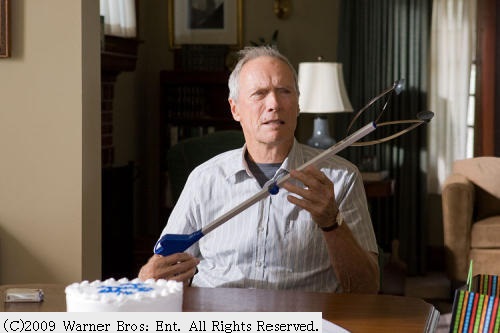
A lonely old man who is a stubborn and bigoted former soldier.
Having experienced the Korean War, she is still suffering from the wounds of the war.
His beloved wife has died, and he is no longer getting along with his two sons and grandchildren.
He is proud to have been an assembler for 50 years at Ford, and still cherishes and cares for Ford's' 72 Gran Torino.
He has an American flag in front of his house and loves good old America.
He loves his dog Daisy and drinks beer in in the garden is his daily routine and peace of mind.
She does all her own personal care and keeps her house clean. She never fails to take care of her garden.
He doesn't like the fact that more and more foreign cultures come into his town, and because of his original bad mouth, he curses and takes a bad attitude, but he is not a bad person at all.
Tao Lo (played by Bee Vang)
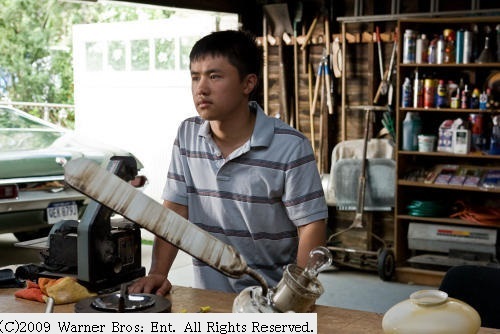
He is a boy from the H' mong family who lives next door to Walt.
Walt nicknamed him' Trosuke' because he was quiet, gentle, hardworking, but introverted and weak.
To help with washing dishes and gardening, she is called a woman and made a fool of by her fellow Hmong.
She looks unreliable, but she also shows a masculine side for her sister Sue.
He is lured into a gang of Hmong people led by his cousin, but he wants to work and save money and go to school.
Sue Law (played by Ahney Her)
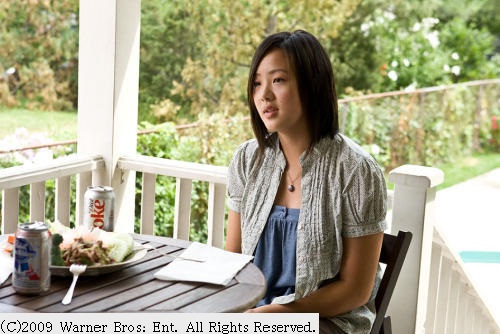
She is a girl from the H' mong family living next to Walt and is Thao's sister.
He is strong-willed and has a personality that does not fear gangs, but he loves his younger brother and is kind in some places.
He was smart, and he entered the heart of stubborn Walt without fear.
He is aware of Walt's kindness from the beginning and tries to socialize with him.
He thinks that he is an adult who can be a model for his younger brother, so he has a relationship with Tao.
Father Janovic (played by Christopher Carley)

Related Articles
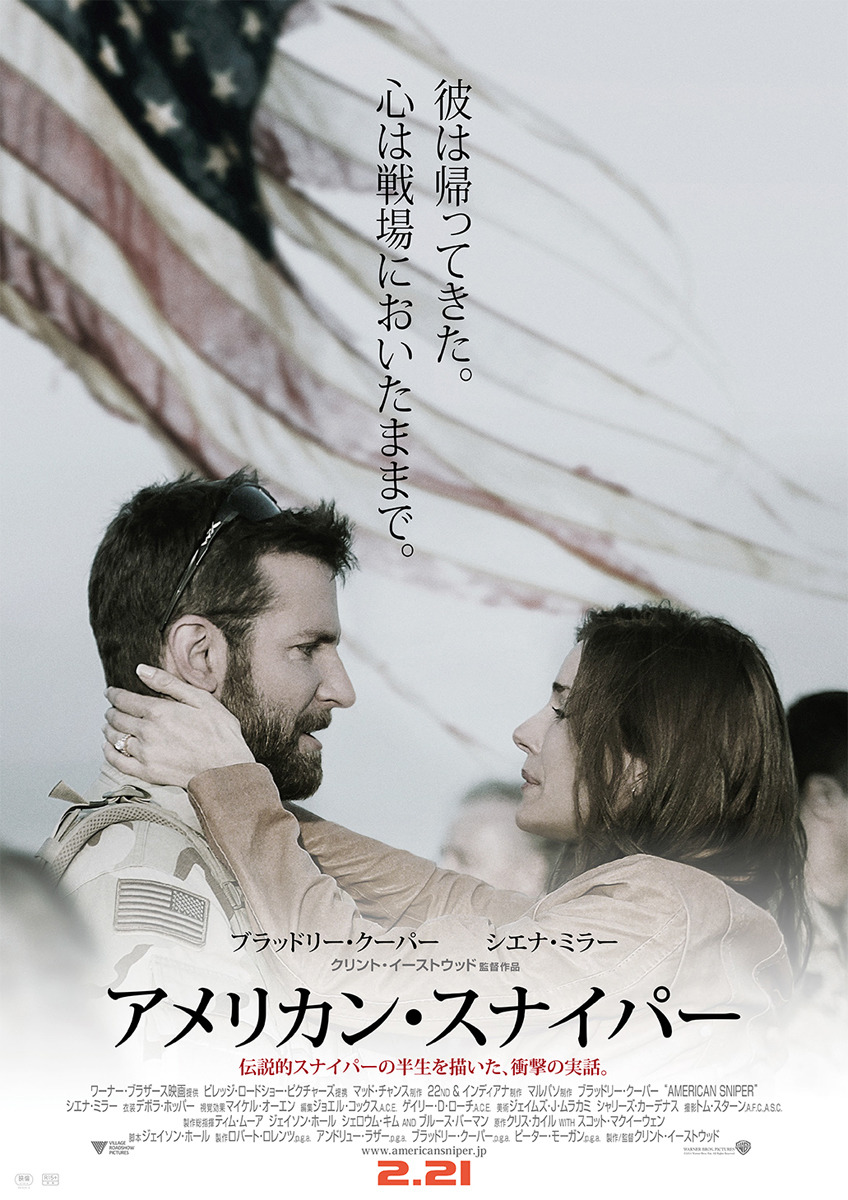
American Sniper (film) spoiler alert and discussion summary
American Sniper is a 2014 American film. Master director Clint Eastwood adapted the autobiographical book by Chris Kyle, a real-life sniper who served in the Iraq War, into a live-action film. Bradley Cooper stars in the lead role. Chris is a legendary sniper who is said to be the strongest in naval history. However, he and his family suffer the effects of the grueling mission that has taken its toll on his mind. The film depicts the cruel battlefield and the realities of empty warfare in an unaffected manner, with a structure that eliminates excesses in direction. The film can be viewed as a military action film, but it is also an anti-war film with an extremely strong message.
Read Article
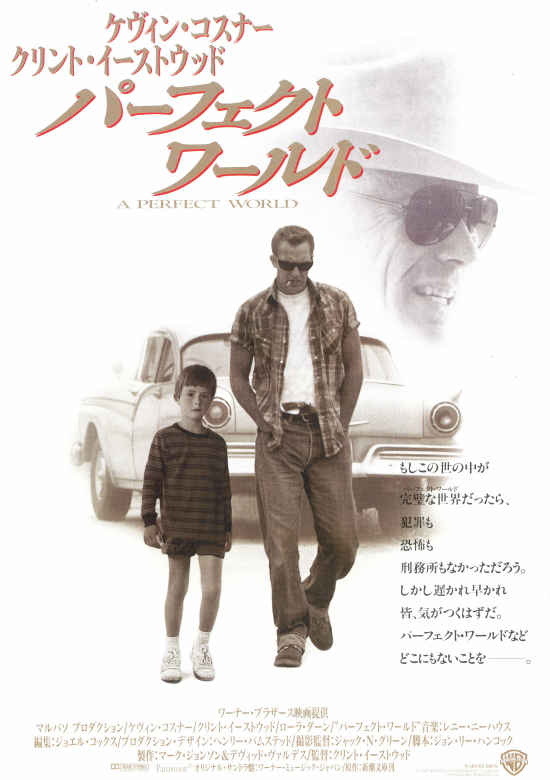
Spoiler alerts and discussion of Perfect World (film).
This American film was released in 1993, directed by Clint Eastwood and starring Kevin Costner. The film co-stars Clint Eastwood and Kevin Costner, two of Hollywood's biggest stars, and the child actor who plays Phillip gives a wonderful performance that surprises the viewer. Butch, an escaped convict, meets an 8-year-old boy named Phillip while on the run and takes him out as a hostage. During their escape, the two gradually become close to each other. The heartwarming road movie with a heartbreaking ending.
Read Article
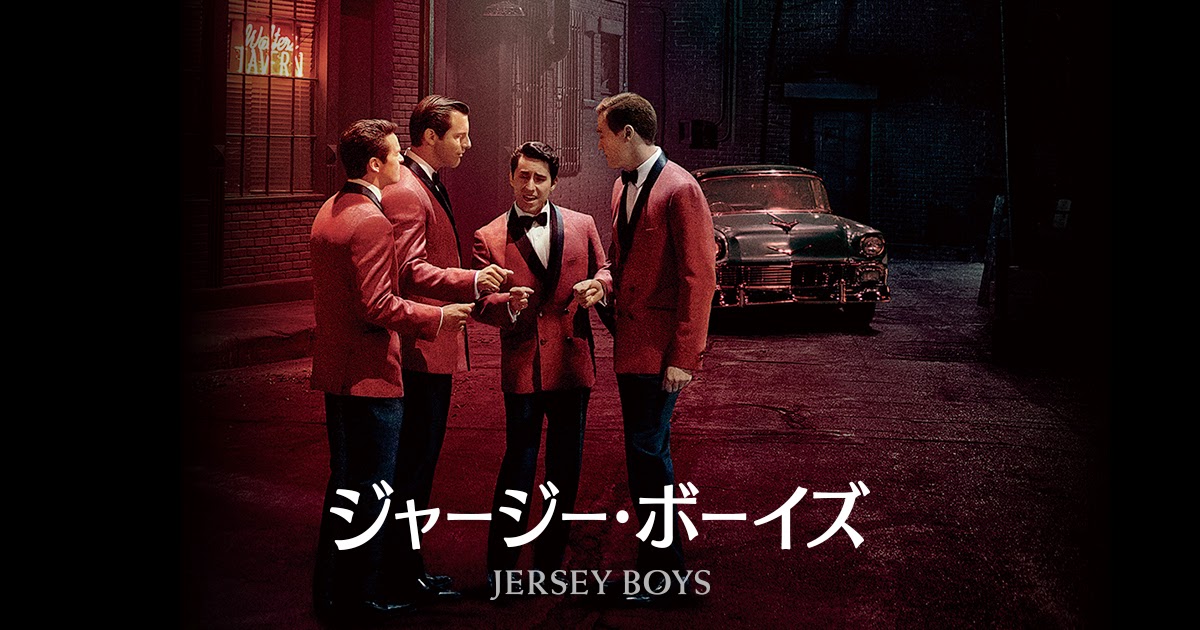
Jersey Boys Spoiler Commentary and Discussion Summary
Jersey Boys" is the film adaptation of the Broadway classic based on the biography of the Four Seasons, a pop group that flourished in the 1960s, by the master filmmaker Clint Eastwood. The film tells the story of friendship, dreams, glory and failure, and the true story behind the birth of the Four Seasons, four young men who rose to stardom with their God-given voices, songwriting talent, and breathtaking harmonies. The Four Seasons
Read Article

Spoiler alerts and discussion of The Changeling (film)
Her son disappeared one day and was taken into custody five months later. This mystery drama starring Angelina Jolie and directed by Clint Eastwood is based on a real-life serial abduction and murder case of a young boy in the 1920s called the "Gordon Northcott case.
Read Article
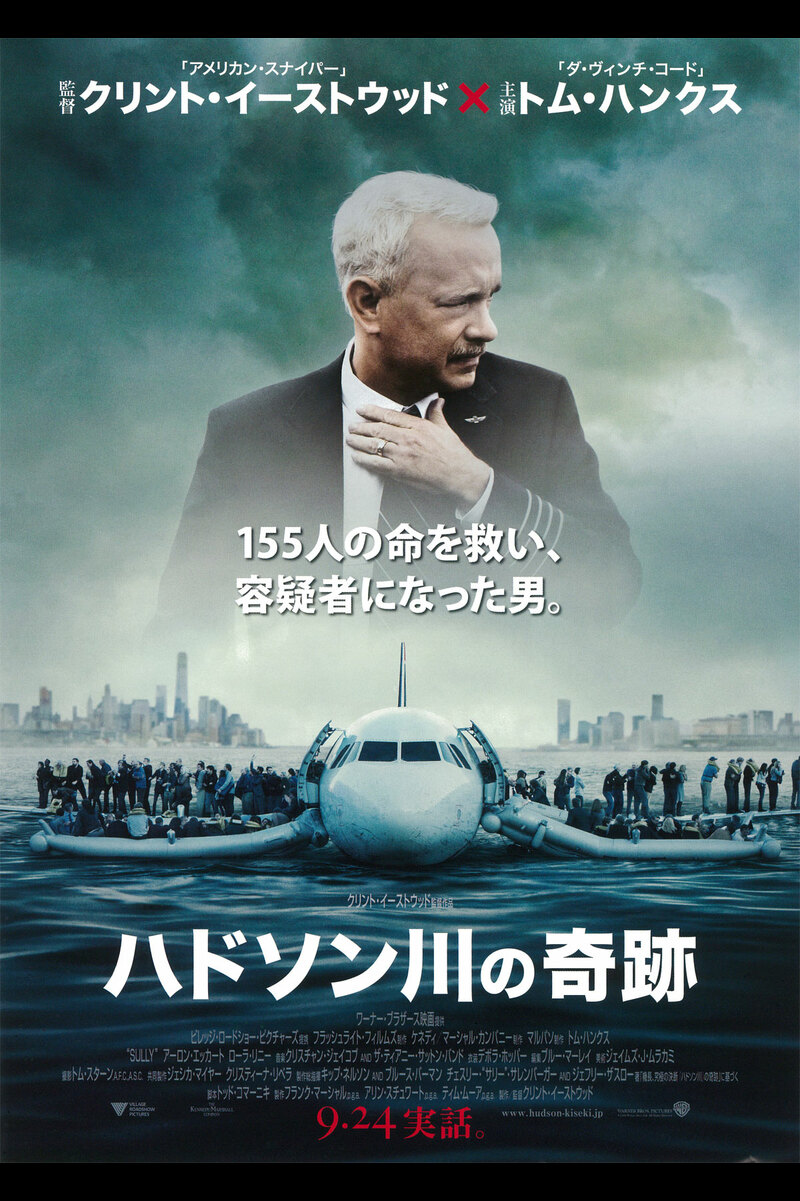
Spoiler alerts and discussion of Miracle on the Hudson River (film).
Miracle on the Hudson" is a human drama film released in Japan in 2016, depicting the real-life "Miracle on the Hudson" accidental water landing of US Airways Flight 1549 in 2009, and the unknown truth that followed. The film is directed by Clint Eastwood, a master actor and director, and stars Tom Hanks as the lead actor. The English title of the film is "SULLY," which is also the nickname of the captain. The film won the Best Foreign Film Award at the 40th Japan Academy Prize.
Read Article
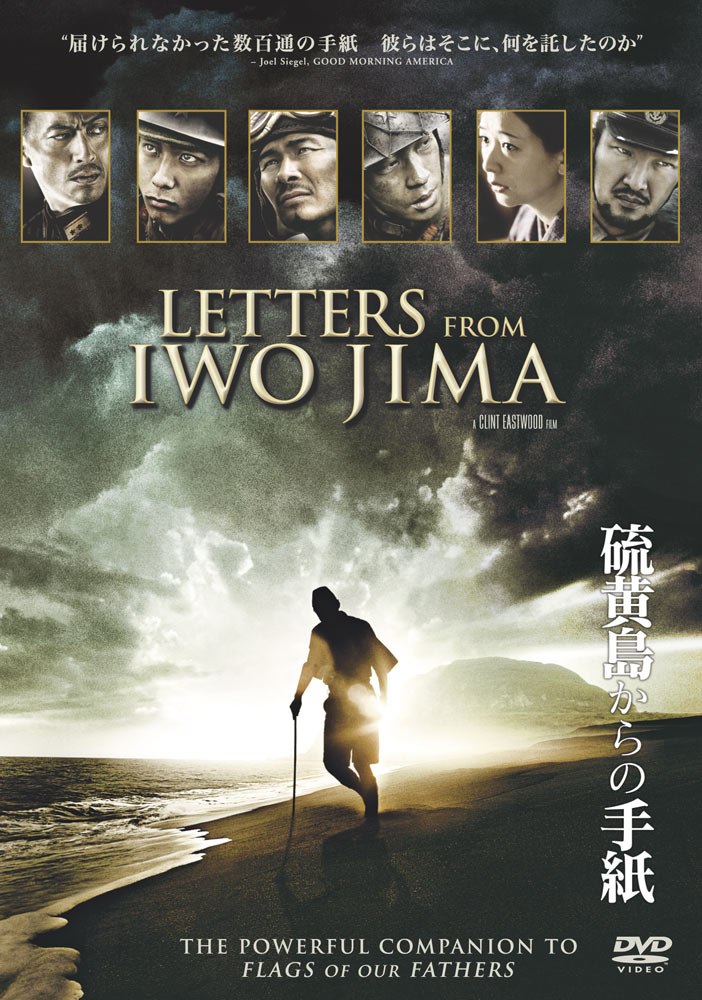
Spoiler alerts and discussion of Letters from Iwo Jima (film).
Letters from Iwo Jima" is a war film produced in the United States. The film is based on the "Gyokusai Soukai Soukou no Shoukan" ("Letter from Iwo Jima") sent by Tadamichi Kuribayashi, a commander of the Japanese Army, to his family at the end of the Pacific War. The Japanese side of the "Iwo Jima Diptych," the counterpart to "The Star-Spangled Banner of the Fathers," which depicts the battle of Iwo Jima from the U.S. side in the first film, the film begins with the soldiers' letters discovered in 2006 and depicts the days leading up to the crushing of Iwo Jima in 1944 from the perspective of Army Private Saigo and Lieutenant General Kuribayashi, the commander of the garrison.
Read Article
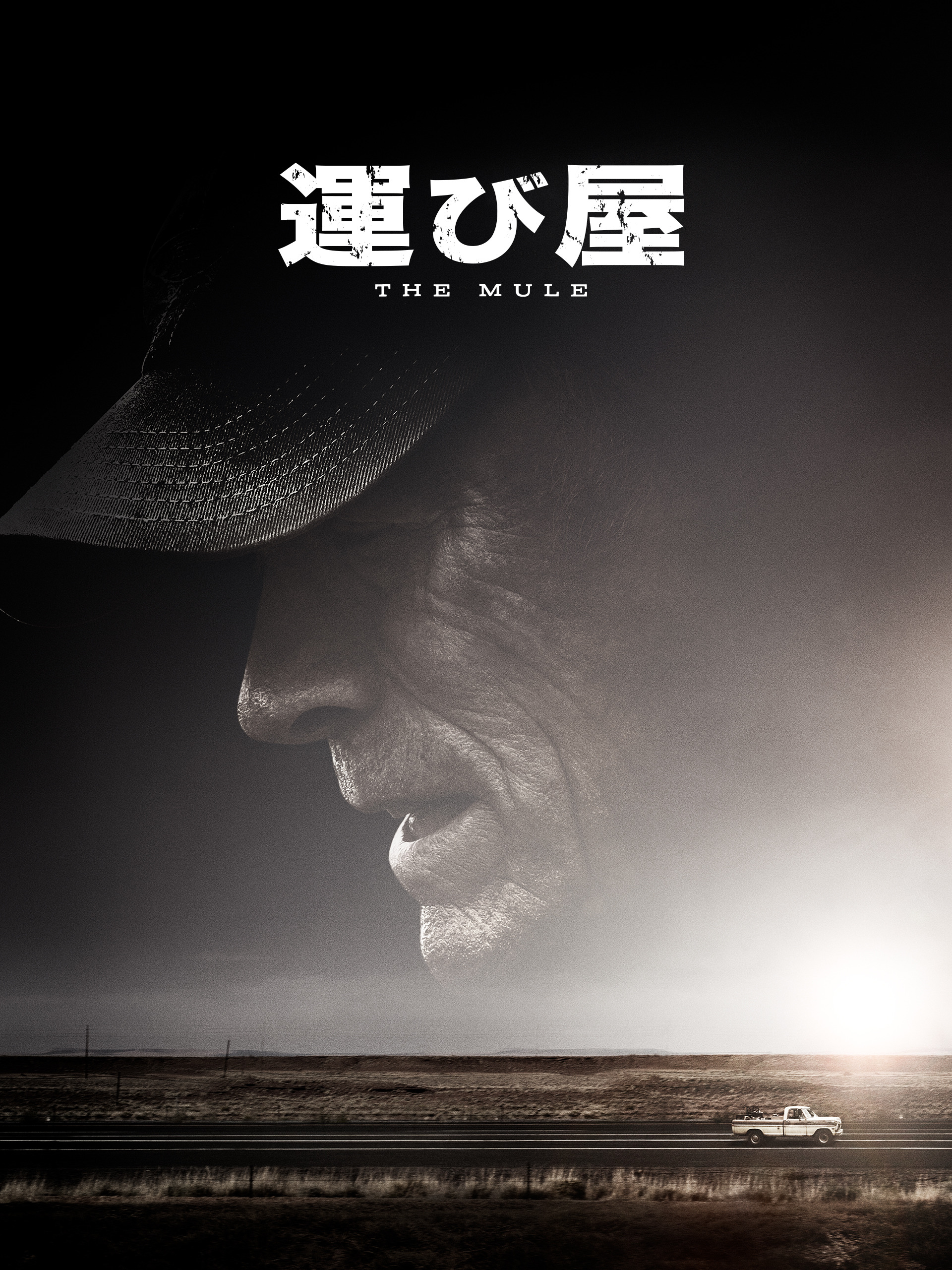
運び屋(映画)のネタバレ解説・考察まとめ
『運び屋』とは、クリント・イーストウッドによる2018年のアメリカ合衆国のクライム映画。 家族を蔑ろにして園芸家としての仕事を続けてきたアール・ストーンは、やがて孤独な90歳の老人になっていた。そんなある時、アールは荷物を乗せて車を走らせるだけで高額報酬が手に入る怪しげな仕事を引き受ける。しかし、その仕事の正体は麻薬の運び屋だった。 家庭を顧みない生き方をしてきた老人の人生を描いており、家族との関係を再構築しようとするアールが見所の作品。
Read Article
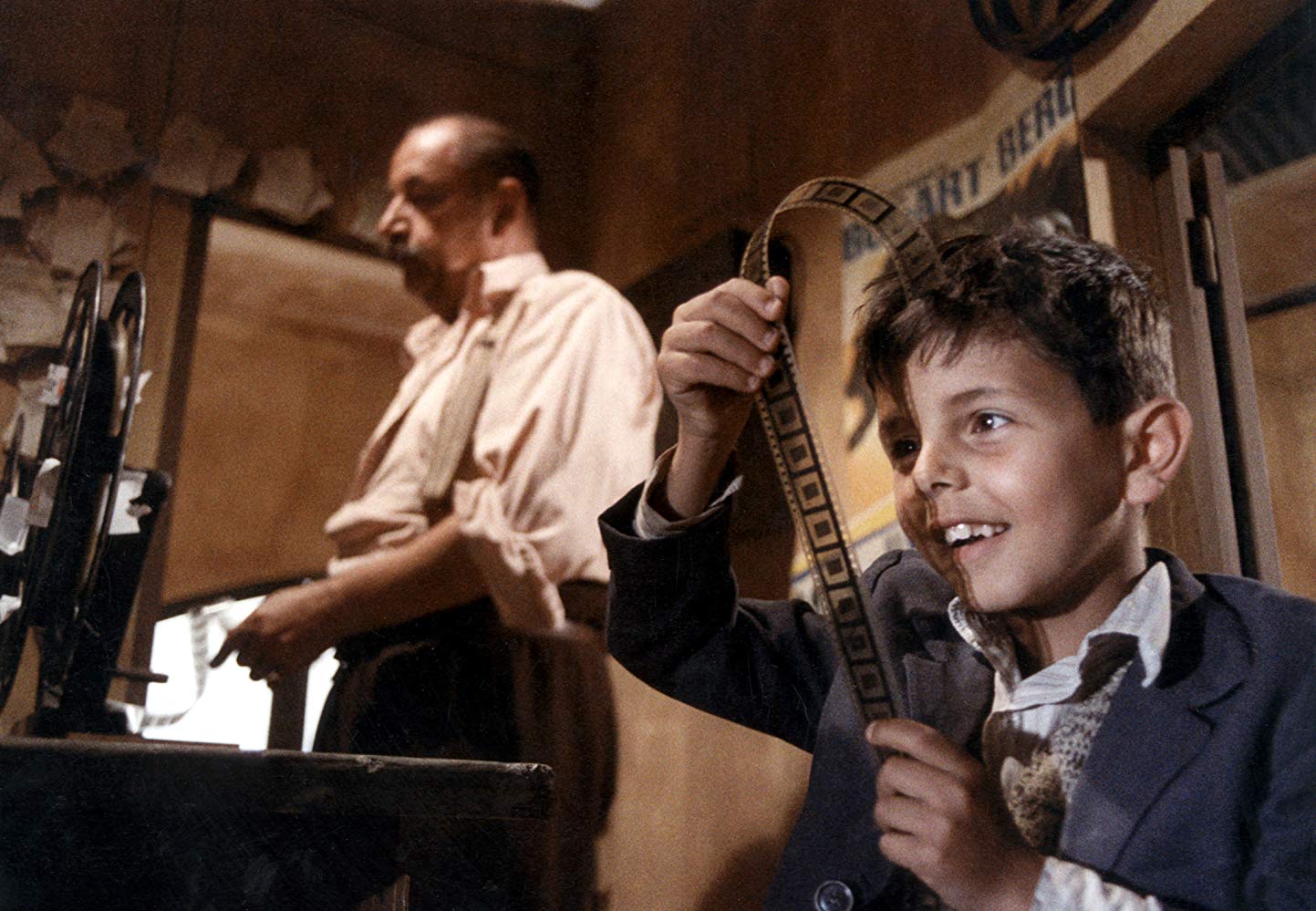
A collection of inspiring films! Seven films depicting the heart-to-heart exchanges between an old man and a child! New Cinema Paradise" etc.
This is a collection of films depicting the emotional interactions between an old man and a child. The seven films include "Gran Torino," in which the famous actor Clint Eastwood plays a stubborn ex-soldier; "Too Loud, Impossibly Close," in which the protagonist struggles to solve a message left behind by his father; and "New Cinema Paradise," a masterpiece filled with love for movies. Here are the synopsis and highlights of each film.
Read Article
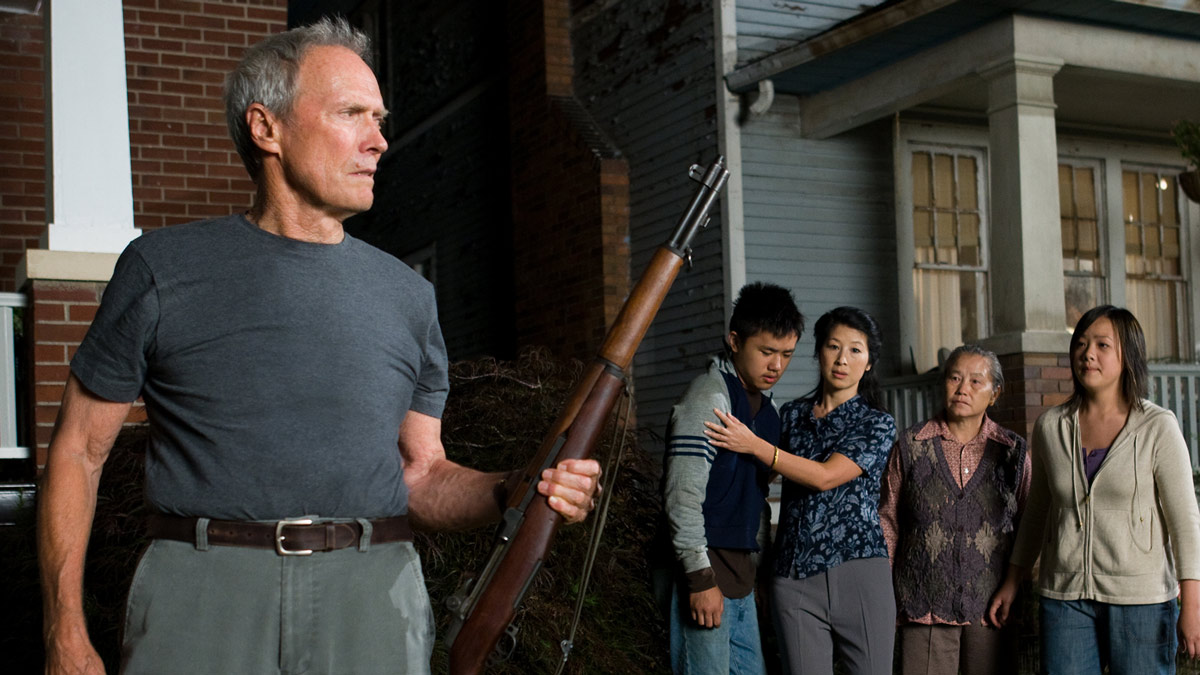
A collection of shocking revenge films that are more than just a scuffle! Gran Torino" and more!
Here we have compiled a list of shocking revenge drama films that don't stop at just being scintillating. They include "Gran Torino," in which the protagonist, played by Clint Eastwood, decides to take revenge for his neighbor, and "Kind Mr. Kumja," about a woman who is imprisoned for 13 years for a kidnapping.
Read Article
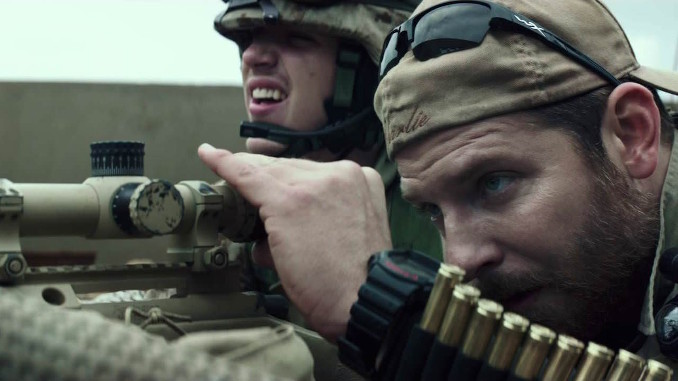
A compilation of films that scored 95 or higher on the movie review site "Yuichi Maeda's Super Movie Critique!
Here are films that have received a score of 95 or higher out of 100 points on the Japanese film review site "Yuichi Maeda's Super Movie Review". Films are listed in order of highest score. The film that received a perfect score of 100 points was "American Sniper.
Read Article
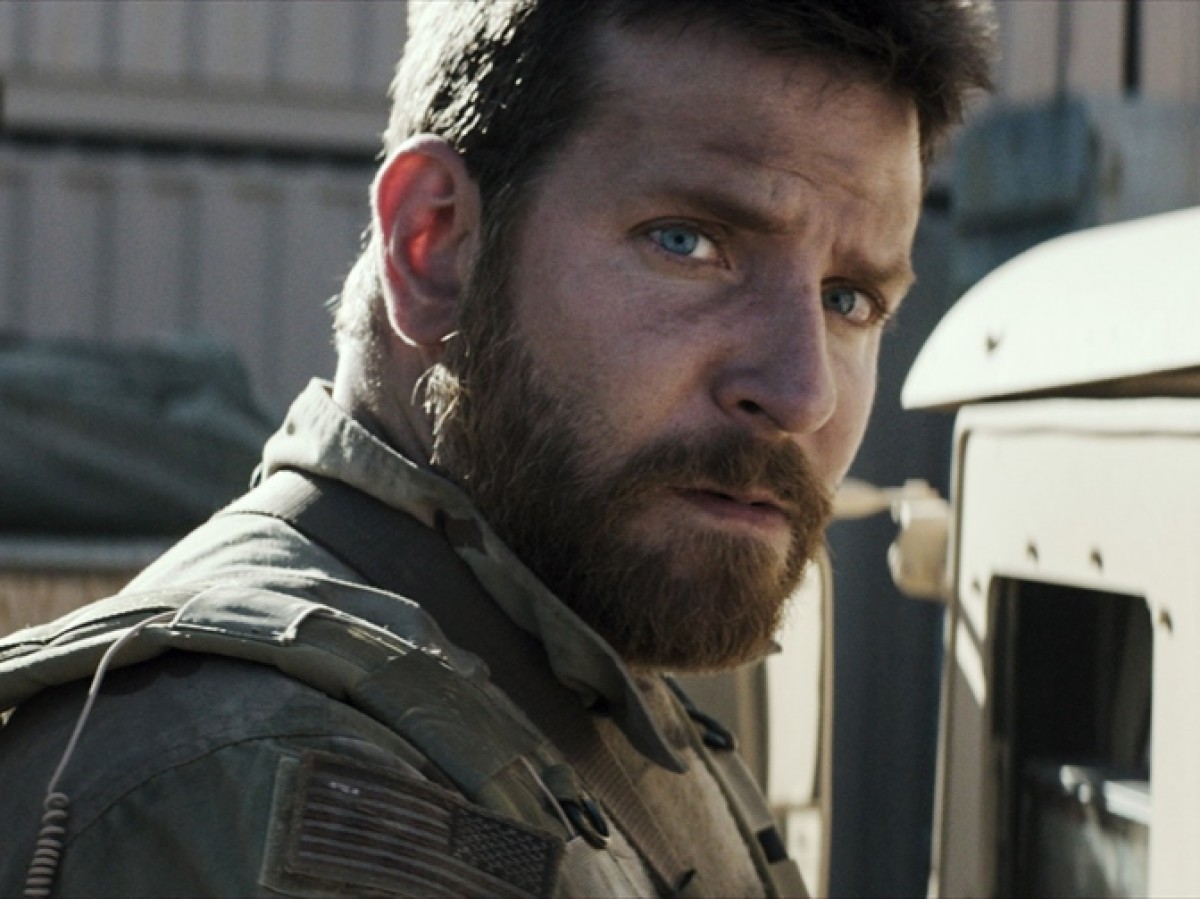
Summary of movies that received 95 points or more in "Yuichi Maeda's Super Movie Review! American Sniper" etc.
Here we have compiled a list of movies that received 95 points or higher on the movie review site "Yuichi Maeda's Super Movie Review. The list includes "American Sniper," about an American sniper who shot 160 people in the Iraq War, and "Tinker Bell," about the world of fairies based on the Disney film "Peter Pan.
Read Article
Tags
Contents
- Overview of Gran Torino
- Outline and story of "Grand Torino"
- Walt and his family.
- Walt and the Hmong family
- Interaction between Walt and Thao
- Violence breeds more violence
- Walt's settlement
- Fictional character from Gran Torino
- Walt Kowalski (played by Clint Eastwood)
- Tao Lo (played by Bee Vang)
- Sue Law (played by Ahney Her)
- Father Janovic (played by Christopher Carley)
- Spider / Phone (played by Doua Moua)
- Mitch Kowalski (played by Brian Haley)
- Steve Kowalski (played by Brian Howe)
- Karen Kowalski (played by Geraldine Hughes)
- Ashley Kowalski (played by Dreama Walker)
- John Carroll Lynch
- Trey (played by Scott Reeves)
- Duke (played by Cory Hardrict)
- Term for "Gran Torino"
- Gran Torino
- Hmong
- First Cavalry Division
- Words, lines, scenes and scenes from "Gran Torino"
- Walt: "For three years in Korea, I shot, I stabbed with a bayonet, and I hit and killed a teenage child with a shovel. I'll never forget that until I die. It's terrible. But I'll live with it on my back."
- Walt's will
- Behind the Scenes, Trivia, Small Stories / Episodes and Anecdotes of "Gran Torino"
- The Man Who Wrote the First Screenplay and Made the Big Movie
- Eastwood's son is in charge of the music.
- Theme song and insert song of "Gran Torino"
- ED (ending) Jamie Cullum: "Gran Torino"