
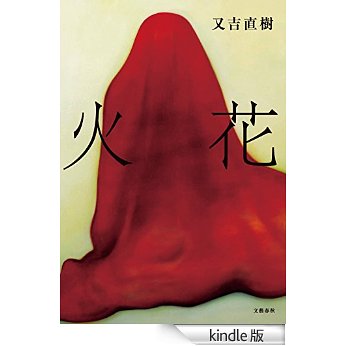
The only thing "Spark" is known for is its popularity and sales, but is its content really good enough to win the Akutagawa Prize?
First attack on recognition as a comedian-author?
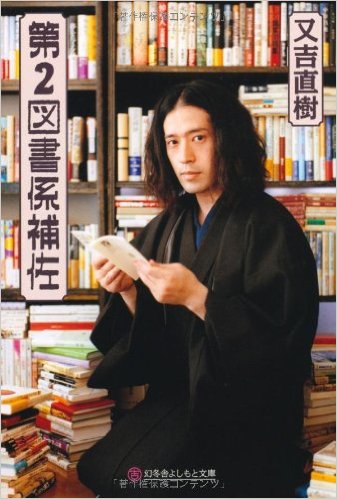
Let's begin with an overview of this novel.
The author, as it goes without saying, is comedian Naoki Matayoshi, and it first appeared in the February 2015 issue of Bungakukai.
The publication date was March 11, 2015. And as you know, it was nominated for the 28th Yukio Mishima Award and won the 153rd Akutagawa Award.
Even before its publication, it was a topic of conversation because it was a work of pure literature written by a comedian, and from the time of its release, the number of editions of the magazine increased.
Synopsis: Tokunaga, an unsuccessful comedian, has an electric encounter with Kamiya, a senior comedian, at a fireworks display in Atami. Tokunaga volunteers to become Kamiya's apprentice, and is accepted on the condition that he "write my biography. Tokunaga is drawn to Kamiya, who is full of humanity in spite of his eccentric genius, and Kamiya also opens his heart to Tokunaga, and Kamiya tries to impart his philosophy of laughter to Tokunaga
What is its content?
The content of the book is truly controversial.
One reader said, "As a work of pure literature, it has a very high degree of perfection, and the Akutagawa Award it won is no exaggeration.
Another says, "It is at the level of an amateur who yearns for pure literature, lacks expressive power, and is not worth reading through to the end.
Which of these is true?
Let's take a look at the contents of the book. As stated in the synopsis, the main character is told as me (Tokunaga), and my relationship with a senior comedian is the main focus of the story.
The beginning of the story begins in a literary style, and although the expression is a little blunt, the style seems to meet the level of pure literature (this can be called poor expression). (Those who criticize it as poor expression must be satisfied only with the level of a great writer.)
) Sometimes, the style changes suddenly to a literary taste when it seems to have become a broken style, and if it is said that the style is not consistent, that is the end of the story. (I am well aware that this is a category of pure literature that includes the style of writing.)
And the most important thing is the content of the story.
Because it is pure literature, there are no major incidents (like in popular novels), and the story consistently expresses the subtleties of emotions.
Perhaps this is the point that divides readers' evaluations.
Most of the novels we see in our daily lives are popular novels, and they are designed to keep readers interested with their eccentric characters, outlandish stories, and unexpected twist at the end.
However, I would like you to think back once again. As I have said many times, this novel is pure literature.
And its threshold is higher than other novels.
I would not go so far as to say that it chooses its readers, but I think it is necessary to know more about pure literature before giving this novel a high evaluation.
