

Mori Ogai is one of the most famous writers of modern literature, and is always mentioned in Japanese language textbooks. His daughter, Mari Mori, was highly acclaimed for her so-called "aesthetic" style of writing and worked in a wide range of genres, including novels, essays, and translations. Not only her delicate and beautiful words, but also her clear "way of thinking" is her specialty.
Childhood Life
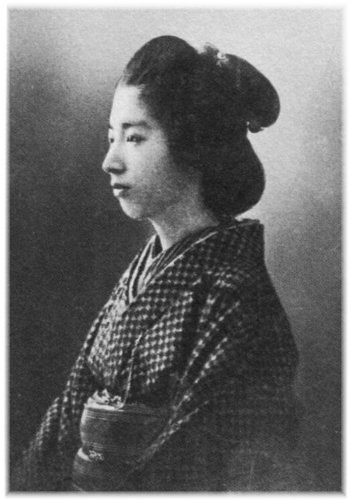
Born the eldest daughter of Mori Ogai, she was anyway doted on and loved by both her parents and others around her.
He loved his daughter so much that he gave her good clothes and fed her with good food from an early age to nurture her body and soul.
She entered the elementary school attached to Tokyo Women's Higher Normal School, which is now Ochanomizu Women's University, but dropped out after clashing with the school's teacher.
Shortly after graduating from Shirayuri Gakuen High School, she married Tamaki Yamada, a French literature scholar, and started living in France.
Her charm, however, is that she does not flaunt it!
Rather, she flaunts her expensive things, and she dismisses the act of looking down on others as "poor".
She says, "Extravagance does not mean having expensive things, but having an extravagant spirit. A truly extravagant person is not conscious of being extravagant, nor does he or she want to show it to those who cannot afford it.
The Struggling Lives Behind the "Luxury Theory
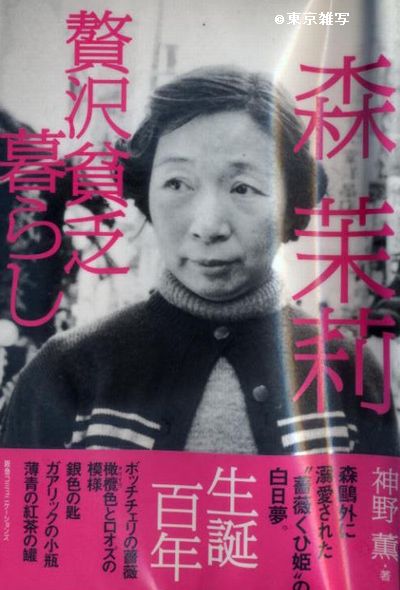
She was by no means a woman of luxury and sweet nectar throughout her life.
She divorced her geisha-playing husband, remarried and divorced again, and after Ogai's death, she had to struggle to make ends meet because she no longer received royalty income. ......
It was only after life became difficult that she picked up her pen and published "My Father's Hat," an essay on Ogai, at the age of 54.
He went on to publish several popular full-length novels that pioneered the "JUNE" genre, centered around a beautiful young boy.
One of them, "The Bed of Dead Leaves," is an erotic work with a particularly strong aesthetic color.
It is also the work that prompted Akihiro Miwa to say, "The bed scene has real feeling.
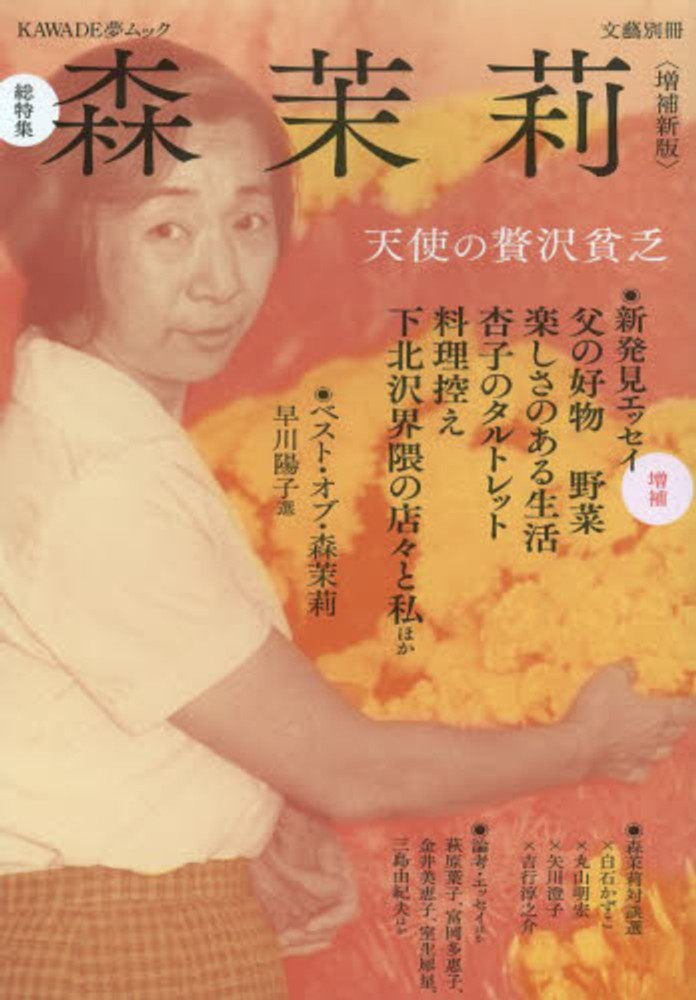
Her resilience in verbalizing her own ideas and critiquing her surroundings while receiving recognition for her work is of value to those living today.
