
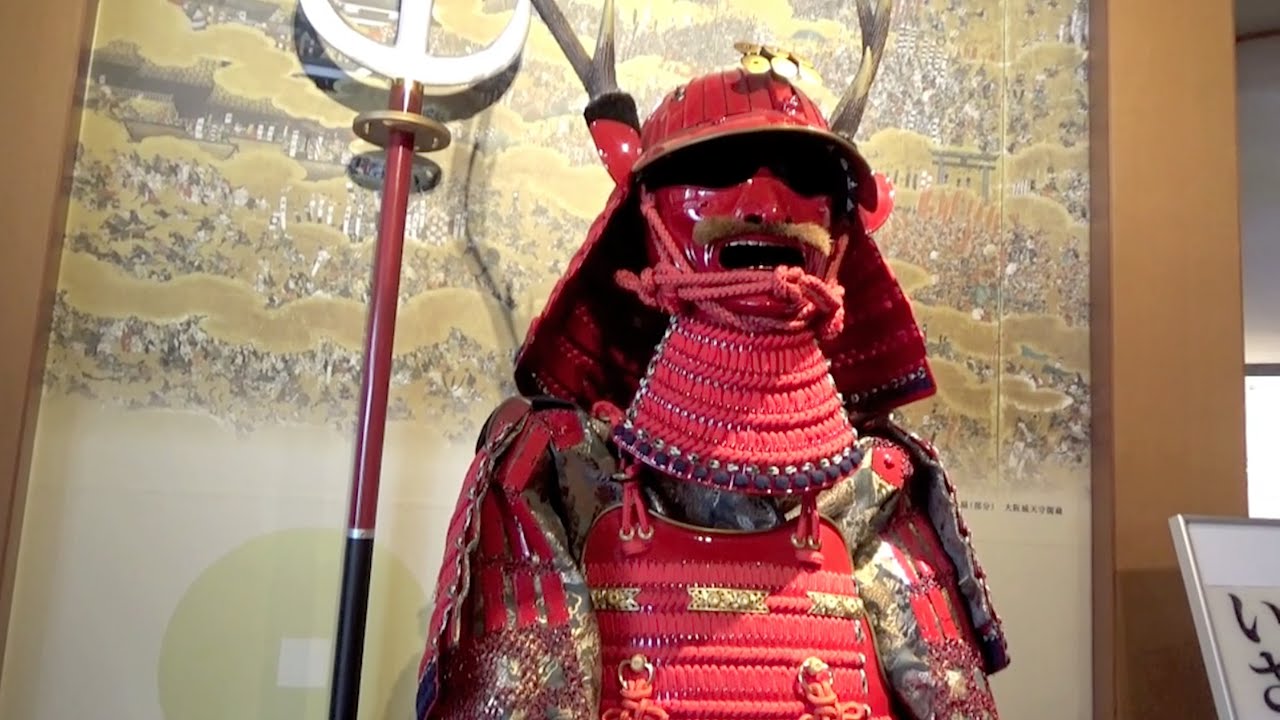
Have you ever heard of the term "Akazuke"? If you are a fan of the Warring States period, you may immediately recognize it as armor and armors painted in red or vermilion. The most famous example is Shingen Takeda, and it was later passed down to Nobumichi Sanada and Naomasa Ii. This article summarizes images of such akabawari armor. Red-colored armor looks so cool!
The crimson Han that stands out on the battlefield
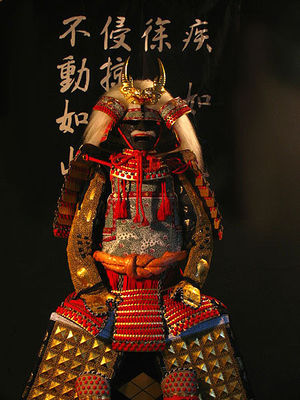
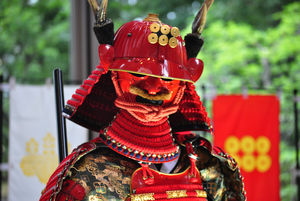
The unit' Akazonae' (red arms), with all their armor painted in red, was led by a particularly brave and distinguished commander. It is said that when the Akazonae attacked like a sharp cone, the enemy could not maintain the front line and collapsed.
The pronoun of "Akazonae" is Takeda Shingen Ko.
Source: blogs.c.yimg.jp
It is said that Akazonae originated from the advance party of about a thousand horsemen whom Takeda Shingen gave an important position.
This unit is very strong, and it is said that the perception that Akazonae is a selected and strong elite unit became fixed.
Source: sana-da.com
Source: livedoor.blogimg.jp
What is' Akazonae' (アカゾナエ)?
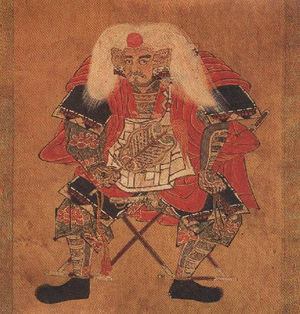
Akazonae was one of the troops that existed during the Sengoku period (period of warring states) in Japan.
In the Sengoku Period (Period of Warring States), in addition to red, there was "iro-muki" (colored armor) which was unified with black, yellow, and other colors, but at that time red was served in cinnabar, which was a luxury item.
Since the Akazonae were especially conspicuous on the battlefield, they were often elite troops led by busho (Japanese military commander) who were especially excellent in bravery, and this was handed down as a symbol of bravery in later generations.
Source: dic.pixiv.net
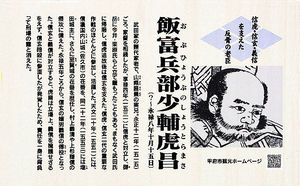
It was originally written by Obu Toramasa, a vassal of the Takeda family.
Source: www.asahi-net.or.jp
Toramasa Iitomi was a busho (Japanese military commander) in the Sengoku period (period of warring states) and a senior vassal of the Kai-Takeda clan.
It is said that the first military commander to lead the Akazonae was Obu Toramasa, who served the Kai-Takeda clan, and thereafter the Akazonae became exclusively a byword for the Kai-Takeda army. After Obu Toramasa, Yamagata Masakage inherited the Akazonae and built its strength.
Source: dic.pixiv.net
Obu Toramasa was a senior vassal of the Takeda clan who served two generations of Takeda Nobutora and Shingen. He became famous for his bravery by defeating powerful military commanders such as Hojo Ujitsuna and Suwa Yorimitsu.
After that, Toramasa, along with other senior vassals, banished his lord Takeda Nobutora and backed up Harunobu (Shingen) TAKEDA. Toramasa, as a leading member of the Takeda clan, moved from place to place to fight and played an active role. He started the famous Akazonae.
Source: xn--qiq996b0d096fygc.com
Why do you wrap yourself in red?
The main reason is that it stands out on the battlefield.
Being conspicuous indicates that it is easy to be found or seen by the enemy.
As proof of this, there is an episode in the Second Choshu Conquest at the end of the Edo period, in which the Hikone clan led by the Ii clan challenged the Akazonae (red arms) and became a target. Because of this, they took off their armor and ran away. The chance of being targeted on the battlefield increases dramatically just by wearing these armor. Such dangerous armor was the Akazonae. Therefore, the Akazonae was often an elite force led by a military commander who excelled in bravery, and it has been said as a symbol of bravery.
Source: historivia.com
Sanada Maru Complete Edition 4th Collection Preview Video
The tradition was passed on to Sanada, a former vassal of Takeda Shingen.
Source: city.living.jp
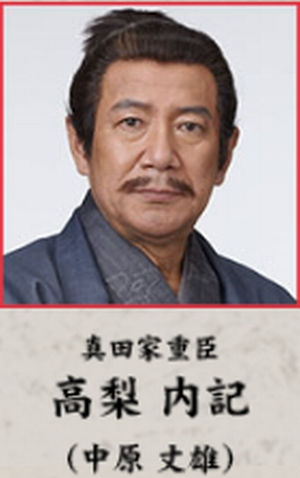
Sanada Yukimura (Yukimura) had served Takeda Shingen since his grandfather, Sanada Yukitaka, and his father, Sanada Masayuki, was also a vassal of the Takeda family.
Source: pleasure-bit.com
Of course, the introduction of the Akazonae also had the purpose of encouraging the ceremony, but Yukimura, who inherited the Takedas lineage, might have had more respect for the bravery of the Takedas, such as Obu Toramasa and Yamagata Masakage.
Source: pleasure-bit.com
Source: upload.wikimedia.org
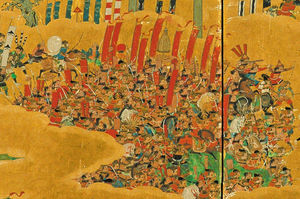
It was organized by Sanada Yukimura (Yukimura) at the Osaka Natsu no Jin (Summer Siege of Osaka) in 1615. It is said that Nobushige's true intention when he entered Osaka-jo Castle at the invitation of the Toyotomi clan, who was likely to lose the battle, was not to win a reward or restore the family name, but to show the Takena of Sanada to the world by having Ieyasu TOKUGAWA blow 一泡. The Sanada troops organized by Akazonae (red arms) from the Takeda family attacked the headquarters of Ieyasu in the Battle of Tenno no Teraguchi and achieved the breaking of the headquarters, which was said to be the first time since the Battle of Mikatagahara, and showed great performance as praised in "Satsuma-kyuki" (Old Record of Satsuma) (Shimazu Family), saying' Sanada is the best soldier in Japan and there is no such story in the story from ancient times.
Source: ja.wikipedia.org
Is it possible to say that Sanada Yukimura's Akazonae contains the same DNA as Ii's Akazonae?
Source: detail.chiebukuro.yahoo.co.jp
Source: arasujinetabare.com

Contents
- The crimson Han that stands out on the battlefield
- The pronoun of "Akazonae" is Takeda Shingen Ko.
- What is' Akazonae' (アカゾナエ)?
- It was originally written by Obu Toramasa, a vassal of the Takeda family.
- Why do you wrap yourself in red?
- The tradition was passed on to Sanada, a former vassal of Takeda Shingen.
- Tokugawa Ieyasu, to which many vassals of the Takeda family belonged, was passed down to his vassal, Ii Naomasa.
- SANADA MARU IS FINALLY OVER!
- Also known as "Ii no Akaoni" and "Ii no Aka-ushi-cow" ~ Became the model of Hikonyan ~
- Historia Bonus