
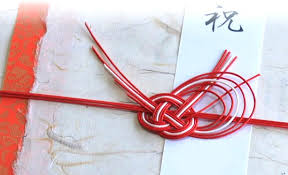
Have you ever heard of mizuhiki? The traditional mizuhiki used to decorate gift bags and other items has been made more fashionable and friendly.
The spirit of Japan that lives on in the modern age [MIZUHIKI
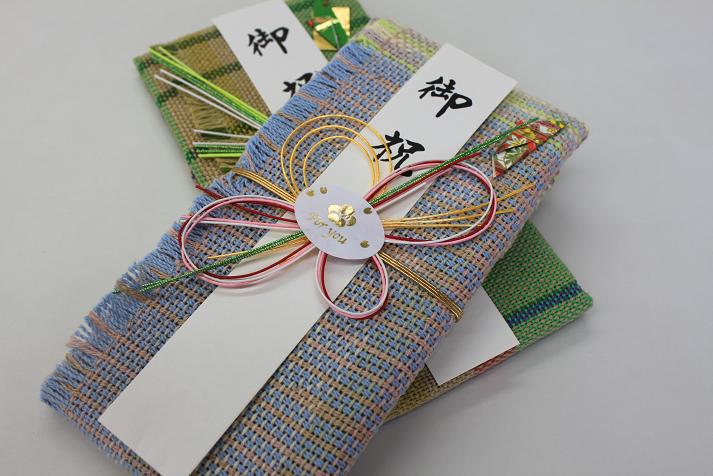
MIZUHIKI is used to decorate gift envelopes. Although it is a familiar item, few people know the meaning and shape of the knot in detail. Let's make your celebration more enjoyable and meaningful by learning the meaning of mizuhiki once again!
Origin of Mizuhiki From the Asuka Period Zu gifts
The origin of mizuhiki dates back to the Asuka Period. Later, red and white twine was also tied on gifts presented to the imperial court, and eventually spread to the general public, becoming an established part of Japanese culture.
Today, mizuhiki is made of Japanese paper in the form of twisted strands, which are then tied with mizu-glue to prevent them from loosening. This method of stringing is the origin of the word mizuhiki.
How to Tie MIZUHIKI Knots Put your wishes into the knot.
There are two main ways to tie mizuhiki: the "bow knot" and the "knot cut".
Knotting is a thin mizuhiki knot (also known as a "hard knot") that cannot be untied once tied. It is used for wedding ceremonies, celebrations of complete recovery, and general occasions of condolence. The direction of the ends of the mizuhiki should also be noted. The mizuhiki should be tied facing upward for celebrations and downward for condolences.
Since the bowknot can be re-knotted many times, it is used for congratulatory events (celebrations) such as births, births, and higher education. It is not suitable for wedding ceremonies, as it cannot be repeated many times. It is also called a "hanakotogi" (flower knot).
Source: www.ringbell.co.jp
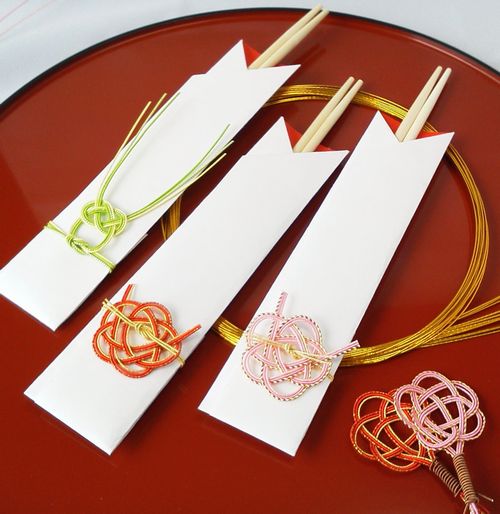
Mizuhiki is also used for festive chopsticks and festive meals.
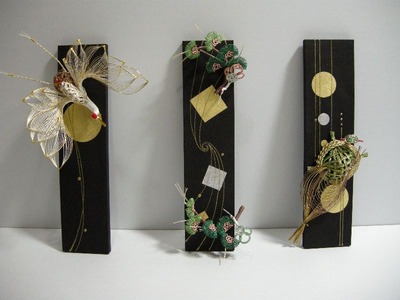
These large mizuhiki are also used for binding decorations.
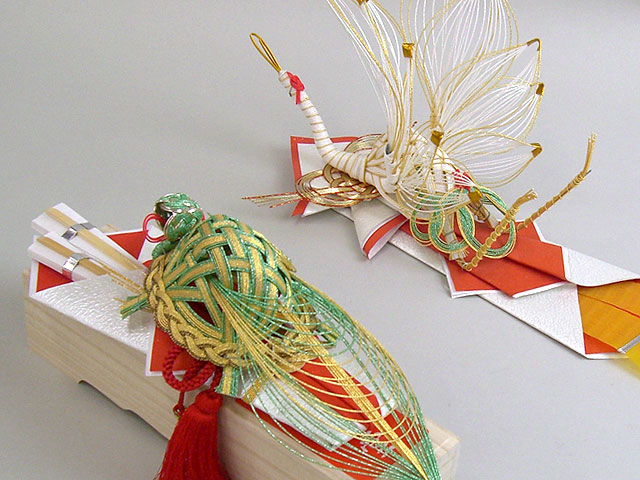
These mizuhiki decorations also appear at betrothal and wedding ceremonies to bring good luck.
Modern stylish mizuhiki
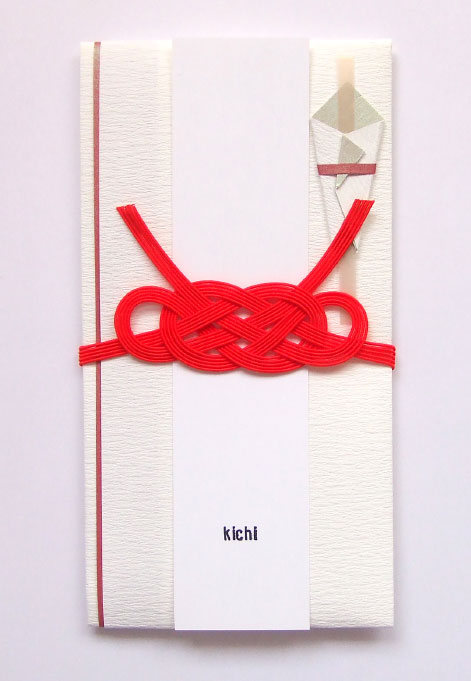
Stylish arrangement of traditional awaji knots
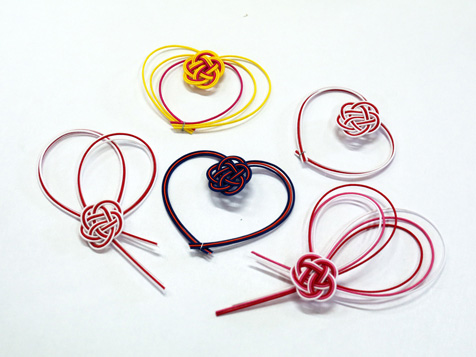
Mizuhiki ornaments with an arrangement can be used not only to decorate a gift bag, but also to attach to a gift or as a chopstick rest.
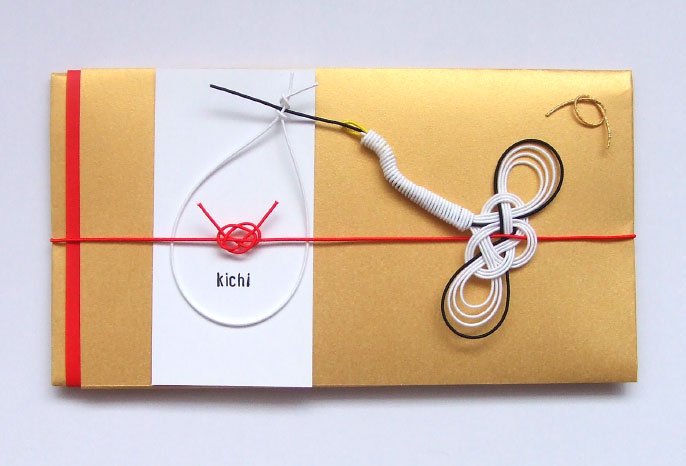
A more friendly and enjoyable mizuhiki celebration bag
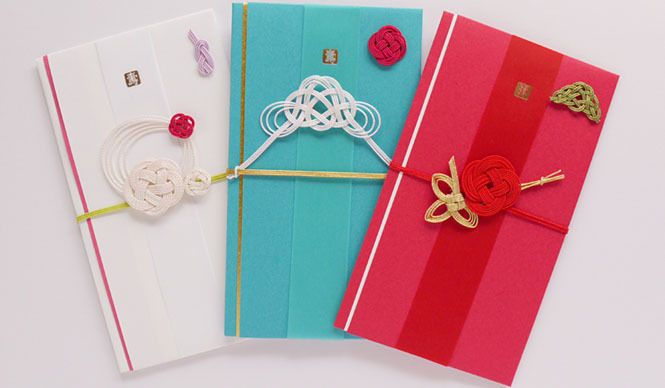
A very cute congratulatory pouch that recreates the image of Japan.
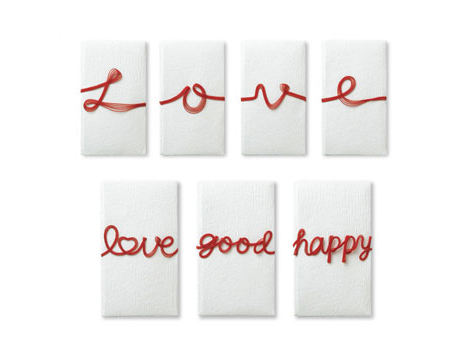
Mizuhiki of the alphabet
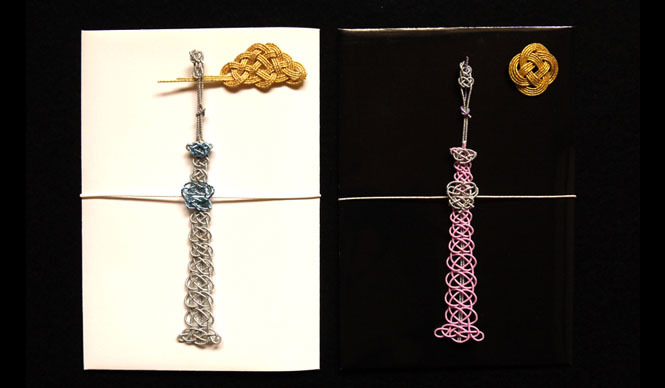
This one depicts the Eiffel Tower in Paris using mizuhiki. The Eiffel Tower is flanked by traditional "awaji-knots" and "ume-knots. The awaji-knot means a once-in-a-lifetime event, while the ume-knot means a strong bond that cannot be broken.
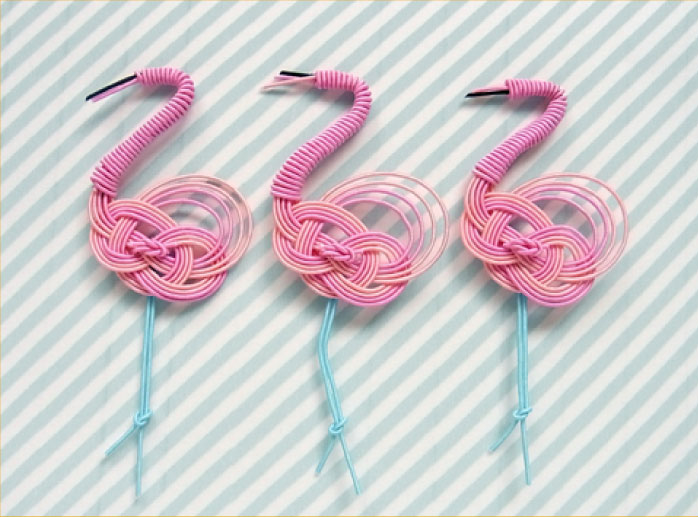
The adorable flamingos are also based on the traditional shape of mizuhiki.
This more fashionable and friendly version of mizuhiki will surely make your celebration even more enjoyable and memorable♪
