

Here we summarize the "esophageal cancer" that caused the death of the popular TV personality Yashikata Kajin, including the horrific symptoms and key points for early detection.
On January 3, 2014, Yashikata Kajin, a popular singer and TV show host, died of esophageal cancer at the age of 64.
Drinking alcohol and smoking are considered to be carcinogenic factors.

Source: welcome-to-gettyimages.jp
Tobacco and alcohol are considered risk factors.
Currently, environmental irritants are considered to be more important carcinogenic factors than genetic and constitutional factors.
Source: kotobank.jp
The risk factors for esophageal cancer are being better understood. Particularly affected are alcohol consumption and smoking
Source: allabout.co.jp
Smoking and alcohol consumption are said to increase the incidence of cancer, but in the case of esophageal cancer, the interaction increases the incidence even more
Source: xn--v8jxh614zbfh.name
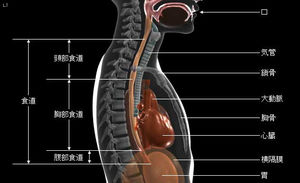
The most common site in Japanese is the central thoracic region and esophagus.
Source: ganjoho.jp
The most common site of formation is in the central part of the esophagus.
About half of esophageal cancers in Japanese people originate near the center of the esophagus in the chest, followed by 1/4 of esophageal cancers in the lower part of the esophagus
Source: ganjoho.jp
About 50% of esophageal cancers in Japan occur in the middle of the esophagus in the chest (mid-thoracic esophagus), and about 25% in the lower 1/3 of the esophagus (lower thoracic esophagus)
The esophagus is divided into three regions: cervical, thoracic, and abdominal. The thoracic esophagus is the most common site of esophageal cancer (87.8%), and cervical and abdominal esophagus occur in about 5% each.
Source: www.onh.go.jp
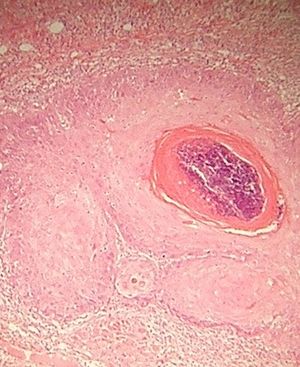
...Also, in Japan, it is often squamous cell carcinoma.
Source: upload.wikimedia.org
Squamous cell carcinoma often forms in the superficial layer of the skin
The epithelium of the esophagus is made up of squamous epithelium, and in our country, more than 90% of esophageal cancers are squamous cell carcinomas.
Source: www.chiba-saiseikai.com
In Japan, esophageal squamous cell carcinoma accounts for more than 93% of all esophageal cancers and is most common in the central thoracic esophagus.
Source: ja.wikipedia.org
Squamous cell carcinoma, which accounts for most esophageal cancers in Japan, originates from the innermost mucosal epithelium and eventually develops toward the outer membrane.
Source: www.pref.aichi.jp
What are the initial symptoms?
Source: welcome-to-gettyimages.jp
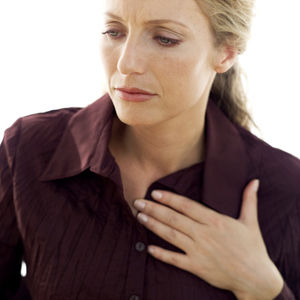
A sinking sensation is the initial symptom, but there may be no symptoms in the early stages
One of the typical early symptoms of esophageal cancer is a sinking sensation
Source: allabout.co.jp
A prickling pain in the back of the chest when swallowing food or a stinging sensation when swallowing hot food is seen in the early stages of the disease.
Source: ganjoho.jp
Esophageal cancer often has no symptoms in the early stages, and nearly 20% of cases are detected during physical examinations or physical examinations
Source: ganjoho.jp
What are the symptoms of advanced disease?

Source: welcome-to-gettyimages.jp
As it progresses, food can be grasped.
As it progresses, the tumor rises toward the inside of the esophagus and the walls of the esophagus become hardened, making it difficult for food to pass through.
Source: allabout.co.jp
As the cancer grows, the inside of the esophagus narrows and food is trapped and noticed.
Source: ganjoho.jp

Tags
Contents
- Yasashita Kajin passed away at the age of 64.
- Mr. Yashiki became popular as "Kansai's ratings man.
- Ms. Yashiki, who had been recuperating after announcing that she had esophageal cancer.
- What is the "esophageal cancer" that Takajin-san suffered from?
- Drinking alcohol and smoking are considered to be carcinogenic factors.
- The most common site in Japanese is the central thoracic region and esophagus.
- ...Also, in Japan, it is often squamous cell carcinoma.
- What are the initial symptoms?
- What are the symptoms of advanced disease?
- What is the treatment?
- What are the preventive measures?
- Early detection is the most important part of health checkups.
- Related Summary