
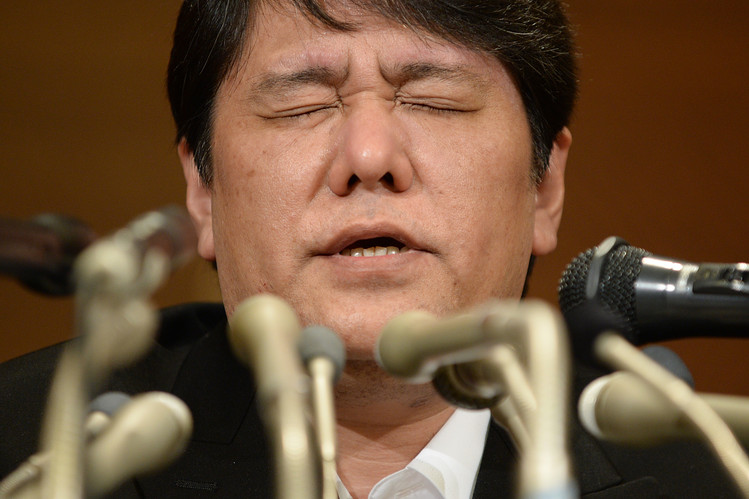
In 2014, Mamoru Samurakouchi, a composer with a hearing impairment who is believed to be deaf-mute, confessed that his music had been written by pianist Takashi Aragaki. He confessed and apologized to all parties concerned. This led to widespread recognition of the existence of ghostwriters, causing a ripple effect in the industry. On the other hand, however, it was also considered not uncommon in the same industry. We summarized the details of what is wrong with ghostwriters and whether they are guilty of any crimes.
▼ Criminal responsibility (violation of copyright law)
Article 121 of the Copyright Law provides that "A person who distributes copies of a work in which the true name or a well-known pseudonym of a person other than the author is indicated as the name of the copyright owner shall be punished by imprisonment with work for not more than one year or a fine of not more than 1,000,000 yen."
Source: biz-journal.jp
It can be applied regardless of the copyright protection rules, so it's possible that alternative works and ghostwriters will also violate those rules.
Source: ja.wikipedia.org
Samuragochi's actions are likely to be illegal because they are a problem for record companies and CD buyers who have paid for his works in the hope that they are his.
Source: biz-journal.jp
▼ Civil liability (compensation for damages)
If an innocent person sells a work under the name of a famous person, the person who is used as an infringement of the right of publicity can claim civil compensation.
Source: detail.chiebukuro.yahoo.co.jp
While there is theoretical justification for a fan to file a civil suit claiming he or she was "cheated," the price of the CD and the cost of the trial make it impractical to file a damage suit.
Source: biz-journal.jp
If it's possible, it's more likely to be a record company
Source: biz-journal.jp
It's not too much to say that the damage [to the event company that organized the concert] will be in the hundreds of millions of yen. Of course, there is a high possibility the case will be brought to court for damages.
Source: headlines.yahoo.co.jp
・ However, in the case of using such "ghost writer", there is also a "ghost writing contract"

Source: welcome-to-gettyimages.jp
"Ghostwriting contracts" are common
If a book is written by a ghostwriter instead of the author, such as when a celebrity publishes the book as the author, it is common to sign a ghostwriting contract.
Source: biz-journal.jp
Ghostwriting contracts often involve transferring the rights of the actual author (the ghostwriter) to the author.
Source: biz-journal.jp
Typically, ghostwriters are also paid a certain amount of money or a percentage of sales.
Source: detail.chiebukuro.yahoo.co.jp
[In this case], there seems to have been a financial trouble between Samuragochi and the ghostwriter side, who is no longer satisfied with the profit sharing rate so far.
Source: woman.infoseek.co.jp
- "Ghost writer" that is not praised in common sense anyway, the disturbance will continue for a while.
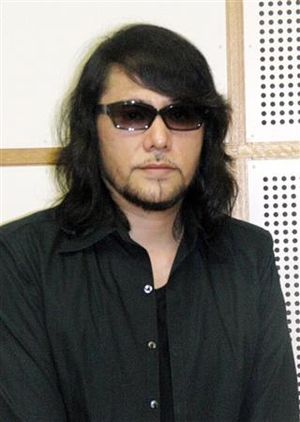
Source: bins-dsrt.com
Will Samuragochi Face Social Sanctions?
In common sense, it is not an act of much praise to publish what others have written as one's own, and in short, it is an act of fraud.
Source: homepage2.nifty.com
It is not hard to imagine that Samuragochi will be subject to more serious social sanctions than a legal challenge.
Source: biz-journal.jp
Will this be a major change in the industry?
Source: woman.infoseek.co.jp
Mamoru Samuragochi's "ghost writer" scandal is getting a lot of attention. We'll keep an eye on developments in the future, but in any case, it seems certain that we shouldn't deceive people.
Related Summary
Mamoru Samurakouchi's ghostwriter issue has become a hot topic! Sensorineural hearing loss is not a disability! - RENOTE [RENOTE].
renote.net
Mamoru Samurakouchi was known as "a composer who is deaf in both ears." However, in 2014, it was revealed that someone else had composed the music, and Takashi Aragaki, who was the ghostwriter, caused a major stir when he revealed that Samurakouchi was hearing. Subsequent re-examinations revealed that Samuragochi was diagnosed with "sensorineural hearing loss," not "total deafness. In this article, we summarize the symptoms of sensorineural hearing loss and the difference from "total deafness.
Is Ghostwriting a Crime? A summary of the various issues revealed by the Mamoru Samuragochi fiasco! - RENOTE [RENOTE].
renote.net
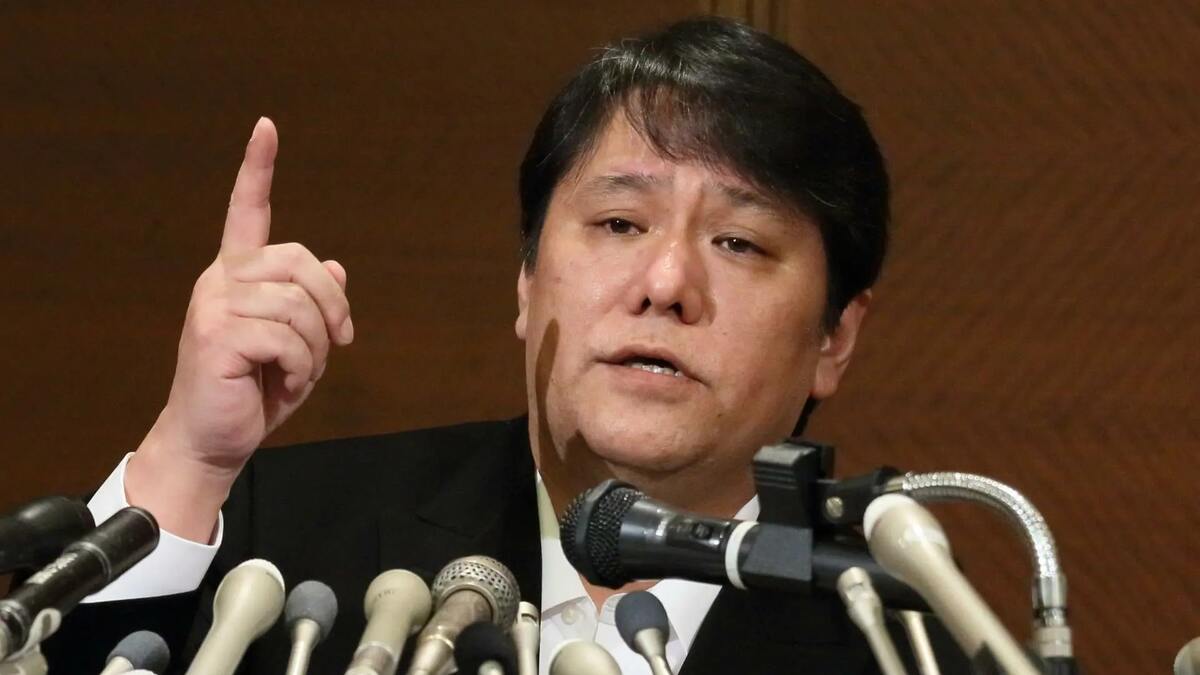
In 2014, Mamoru Samurakouchi, a composer with a hearing impairment who is believed to be deaf-mute, confessed that his music had been written by pianist Takashi Aragaki. He confessed and apologized to all parties concerned. This led to widespread recognition of the existence of ghostwriters, causing a ripple effect in the industry. On the other hand, however, it was also considered not uncommon in the same industry. We summarized the details of what is wrong with ghostwriters and whether they are guilty of any crimes.

Contents
- - Mamoru Samuragochi, a composer of total deafness, confessed that the song was written by a "ghost writer".
- - Takashi Niigaki of Toho Gakuen University, who was a "ghost writer", explains the process leading to the publication.
- ・ After that, Mr. Takashi Niigaki held a press conference and also mentioned financial exchanges with Mr. Samuragochi.
- - Figure skater Daisuke Takahashi, who uses Samuragochi's music to perform at the Sochi Olympics, is embarrassed.
- ・ In the industry, effect in the industry such as the CD being discontinued.
- ・ However, this "ghost writer" problem is said to be common in the industry.
- - Why are these "ghost writers" used?
- - So is it a crime to use these "ghostwriters"?
- ・ However, in the case of using such "ghost writer", there is also a "ghost writing contract"
- - "Ghost writer" that is not praised in common sense anyway, the disturbance will continue for a while.
- Related Summary