
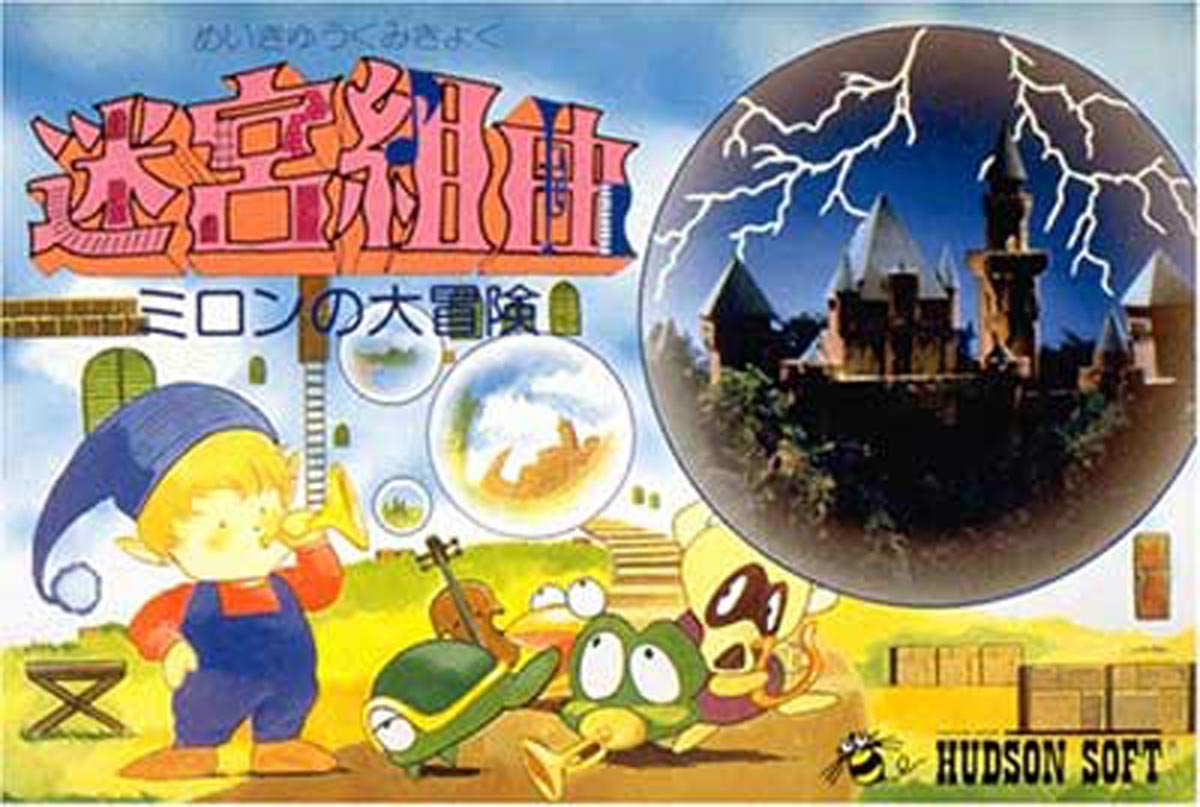
Labyrinth Suite: Milon's Great Adventure" is an action RPG for the Family Computer released by the Japanese game maker Hudson in 1986.
The player controls the main character "Miron" and aims to defeat the demon Maharito, recover the stolen musical instruments, and rescue the princess Ersila.
The word "Suite" in the title is also an important element, and "music" is the core of the atmosphere throughout the game.
The bonus stage, in which the BGM changes not only on the game screen but also as the story progresses, is particularly impressive.
It is basically a side-scrolling action game that became popular with "SUPER MARIO BROS.."
There's left / right movement and jump, and the unique B-button bubble attack.
Bubbles look like soap bubbles, and they burst and disappear after a certain distance.
It is used not only to attack a monster, but also to create a hidden door by driving a bubble into a seemingly empty space.
As the story progresses, the power, the distance, and the speed at which it can be shot continuously are enhanced.
In addition, Millon's physical strength is set, and his strength decreases when he is attacked by a monster, is trapped by thorns, or catches fire.
If you lose your physical strength, it's game over.
It is also characterized by the fact that it does not have a life system (also called a remaining machine) that allows players to regain their physical strength a specified number of times after losing it, which is used in many games.
Due to its low physical strength, this game is often regarded as a highly difficult game.
The player operates the Miron to explore Garland Castle.
The final goal was to defeat the demon マハリト and rescue the princess.
Bonus Stage
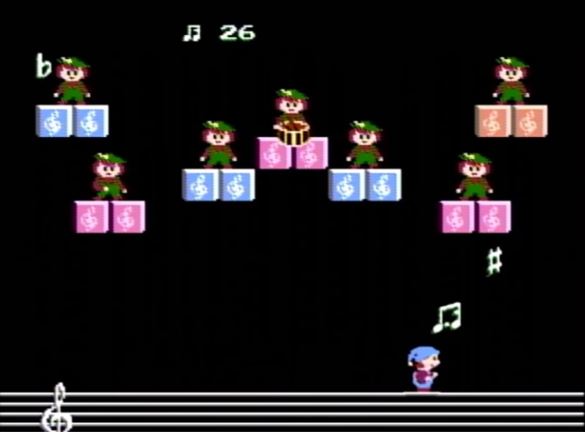
Bonus Stage
You can enter the bonus stage by touching the "instrument box" hidden in the stage.
On the bonus stage, you can challenge only in this way, and there is no door to enter from the usual labyrinth.
The purpose of the system is to collect more music symbols from the floor under the five line notation design within the time limit.
For every four points earned after the time limit ends, you get one coin.
The music symbol is 1 point for normal notes, 2 points for #(sharp), and -1 point for flat.
If you get more than 50 points, you can get 1 coin for every 2 points.
Although seven performers are lined up on the stage, only one taiko player holds the instruments at the first attempt of the bonus stage, and only the taiko part of the background music is played.
Each time the player tries the bonus stage, the instrument passes into the hands of the player, and the seventh challenge completes the BGM with all the parts.
1st floor
Separate coin room
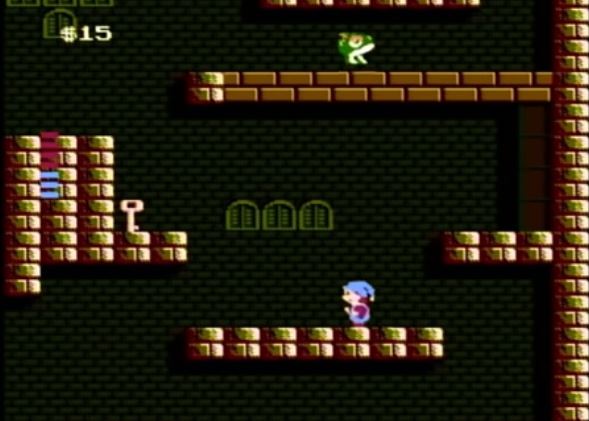
Separate coin room
The first challenge is the labyrinth.
There is an isolated section at the top of the map, and it cannot be entered at the beginning.
There is a chance to visit again after reaching the third floor.
Chamber of stone steps
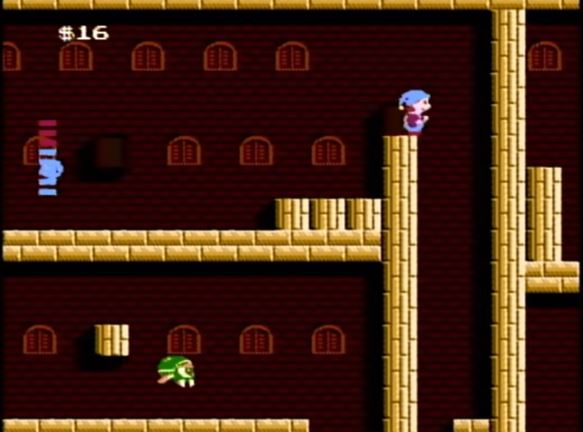
Chamber of stone steps
A labyrinth with a huge staircase at the bottom right of the map.
There is a shop inside the labyrinth where you can buy shoes at a lower price than in a separate coin room.
2nd floor
Domino Room
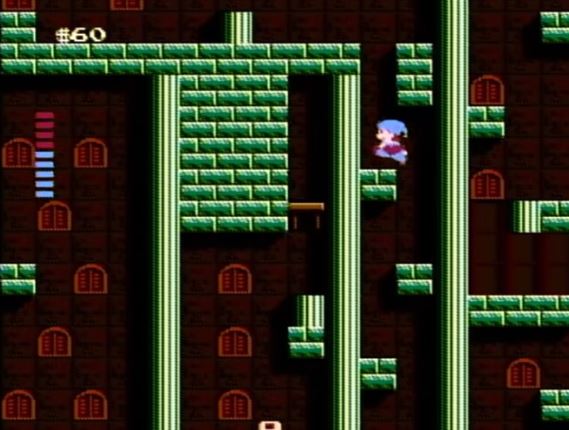
Domino Room
There are a lot of domino blocks that break and disappear when you get on top.
There is also a shop in this labyrinth where you can buy lamps.
Hudson's Room
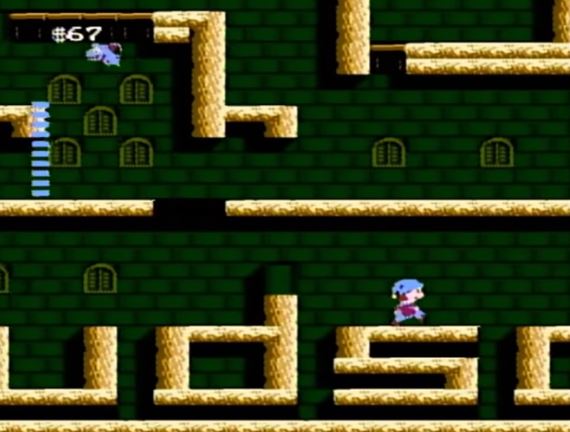
Hudson's Room
The word' hudson' is written in a block at the bottom of this labyrinth.
This is where many long-range enemies appear.
It is an area of higher difficulty than the labyrinth up to this point.
Well
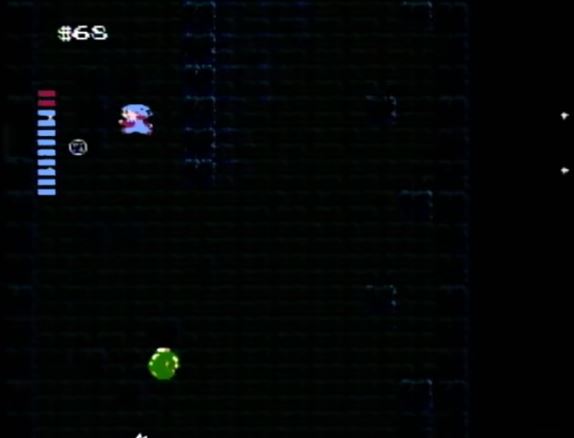
Well
A labyrinth where you can jump in from the second floor.
If you don't have the lamp of the item, you can't see anything in the dark and you can't attack it properly.
A cell in a dungeon
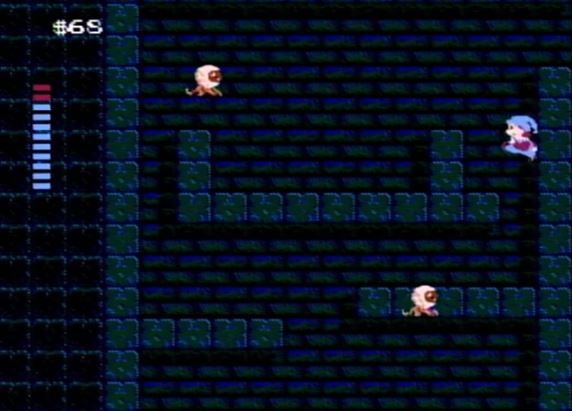
A cell in a dungeon
A labyrinth that is beyond the hidden door behind the well.
It drops vertically in a long room.
Although it is a labyrinth, it is a very short area and serves as a bridge to the room of fire that continues.

Related Articles
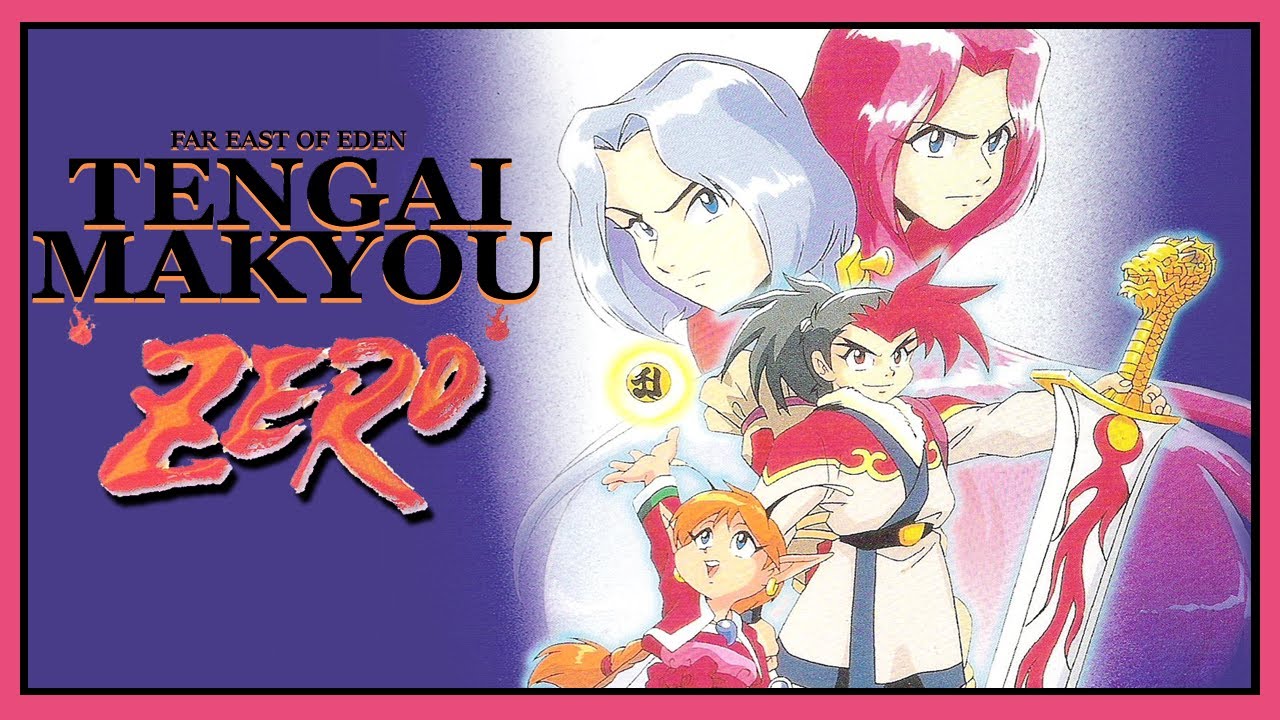
Spoiler commentary and discussion of Tengai Makyo ZERO (game)
Tengai Makyo ZERO" is a role-playing game released by Hudson (absorbed by Konami in 2012) in 1995, and is the only Super Nintendo Entertainment System (SNES) title that is an offshoot of the Tengai Makyo series that has been developed for the PC Engine and other platforms. The game was planned and drafted by Oji Hiroi, known for his "Sakura Taisen" and "Majin Eiyuuden Wataru" series. The story takes place in the fictional country of "Zipangu," based on the concept of "a false view of Japan from a foreigner's perspective. The story depicts a battle between a tribe of fire, a race different from humans, and an army of hell, which descended to earth 600 years ago from the heavens.
Read Article
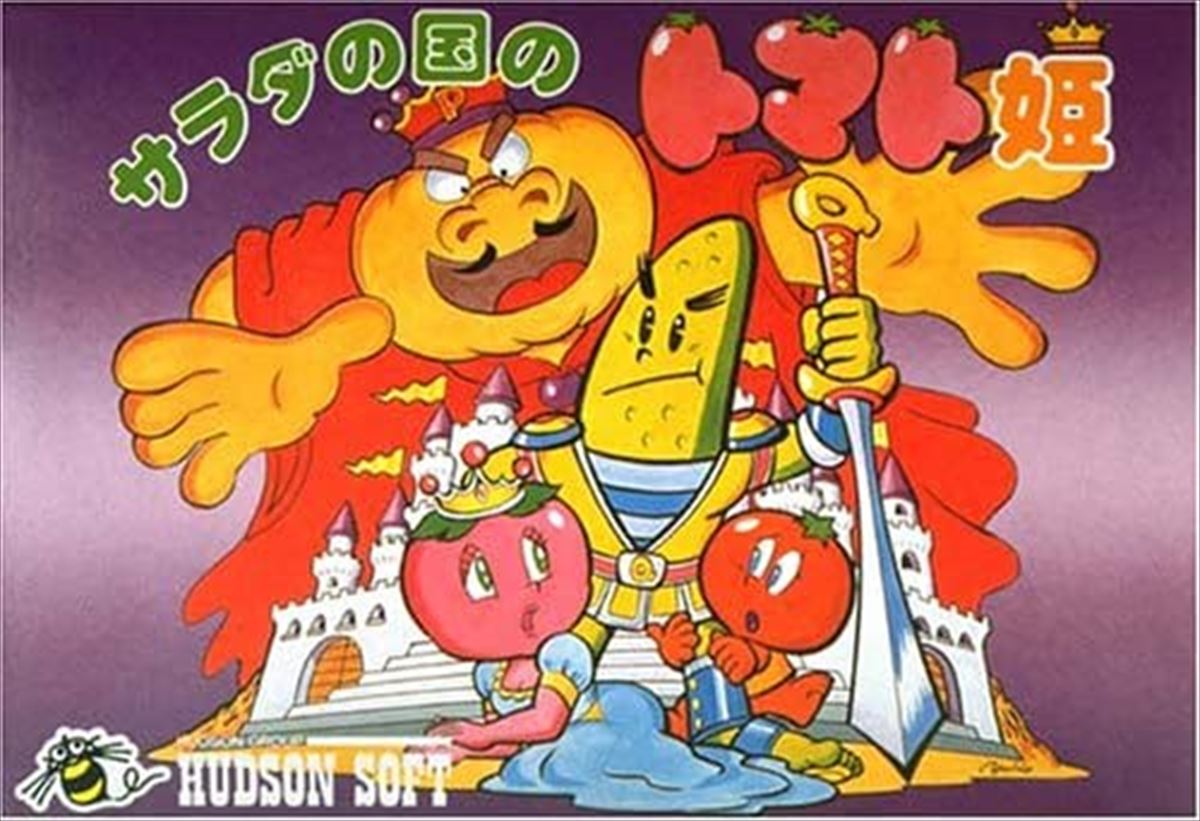
Spoiler commentary and discussion of Princess Tomato in the Land of Salad (game)
Tomato Princess in Salad Land" is an adventure game released by Hudson in 1984 for the personal computer and in 1988 for the Family Computer. The game takes place in the Salad Kingdom, where vegetables and fruits live in peace. However, a rebellion by the minister, Pumpkin King de Avalle, deposes the Onion King and imprisons Princess Tomato. The Cucumber Warriors stand up to restore peace from the minister, who calls himself the Pumpkin King and rules the kingdom.
Read Article
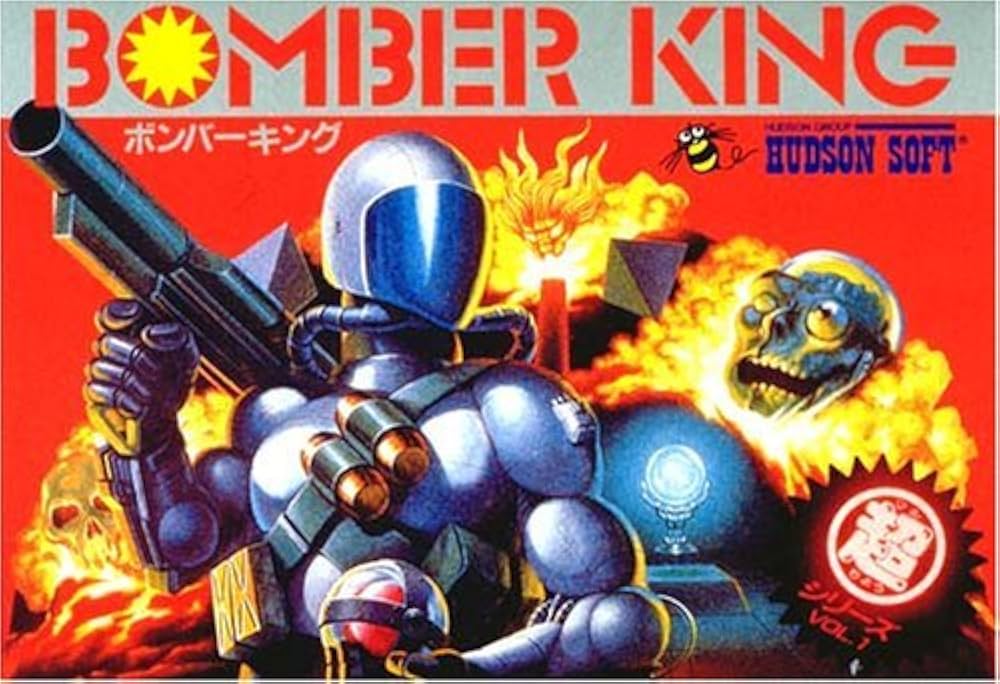
Exhilarating! Nostalgic game software! Bomber King.
It may still be popular today. Its name is Bomber King! The super-gekimuz action game from Hudson! Many of you may have fond memories of it. Let us introduce you to such Bomber King.
Read Article
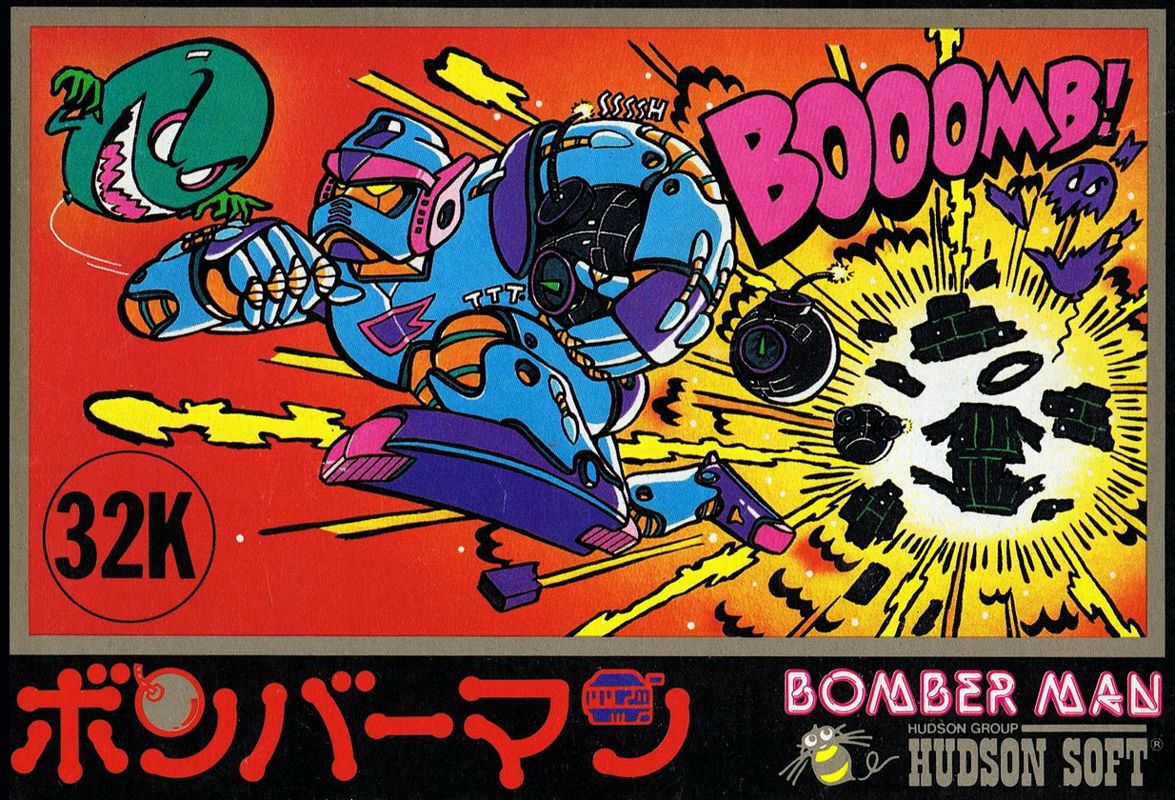
ボンバーマン(初代・元祖)のネタバレ解説・考察まとめ
『ボンバーマン』(初代・元祖)とは、ファミリーコンピュータ用ソフトとして1985年12月にハドソンが発売したアクションゲーム。 地底王国で悪の手先として爆弾製造を行っていたロボットのボンバーマンは、地底を脱出し人間になろうと試みる。ボンバーマンを裏切り者として追ってくる強敵に対し、ボンバーマンは武器の爆弾を手に対抗する。 ファミコンのみならずゲームボーイアドバンスやプレイステーションにて収録・リメイクされ、初代『ボンバーマン』以降も多数の作品がシリーズ化された。
Read Article
![A Masterpiece] I want to play it again before I die! Super NES Game 【Recommended】.](https://renote.net/files/blobs/proxy/eyJfcmFpbHMiOnsiZGF0YSI6MTgwNzkyLCJwdXIiOiJibG9iX2lkIn19--89a512c082c743fd6aa77efd98b378b2f9c670a1/z_5fb7b0d7ec722.jpg)
A Masterpiece] I want to play it again before I die! Super NES Game 【Recommended】.
I want to play it again before I die! This is a compilation of Super Nintendo Entertainment System (SNES) game titles. There are more than 1,000 Super Nintendo Entertainment System (SNES) game titles, so we took the time to compile this list. Generally, the further back you go, the older the release.
Read Article
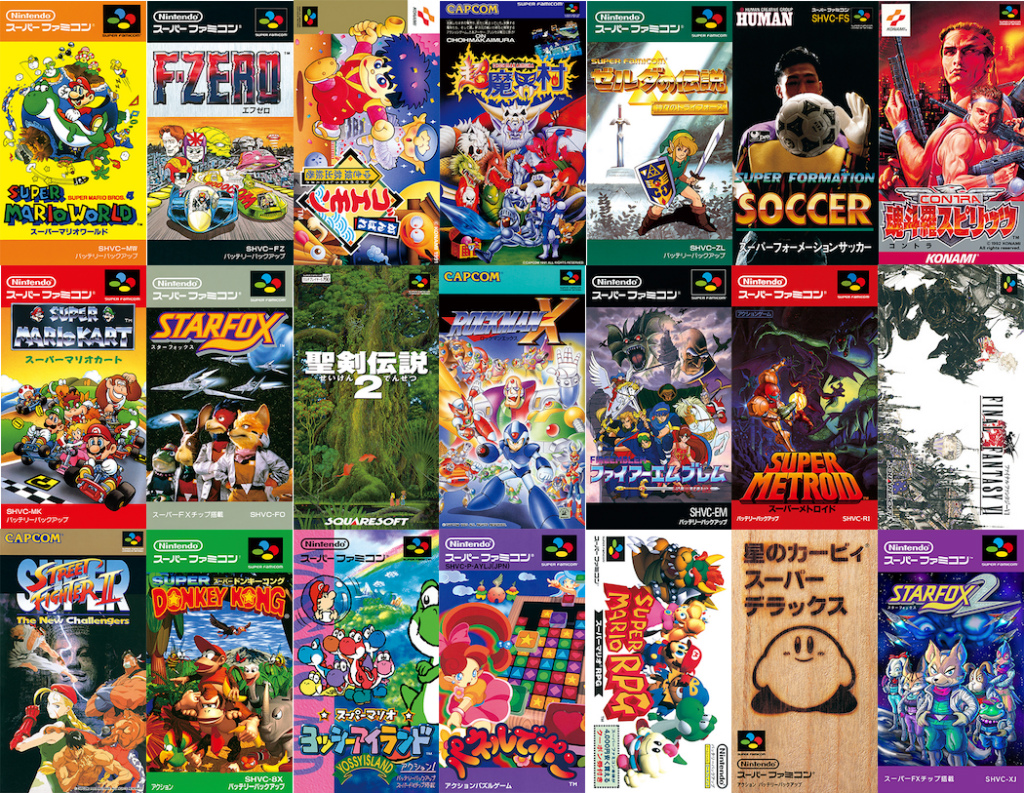
A compilation of recommended Super Nintendo Entertainment System (SNES) software classics.
We will compile a list of the most interesting and highly rated SFC classic software in the series by genre. The SNES is still colorful even if you play it now. Some of them have appeared on the Virtual Console.
Read Article
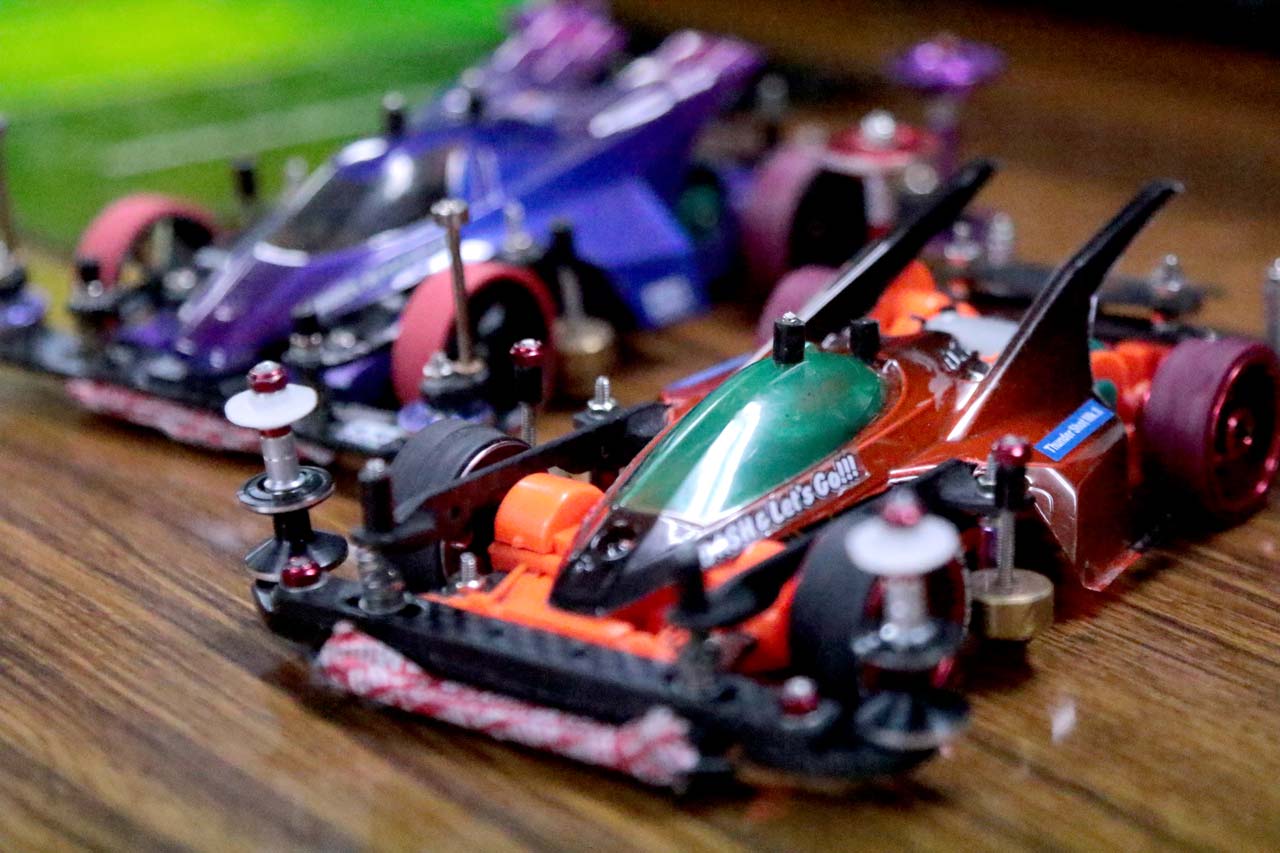
If you were born between 1985 and 1990, you know what I'm talking about! A compilation of nostalgic toys and fads [mini 4WD, etc.].
We have compiled a list of nostalgic toys and popular items that those born between 1985 and 1990 know. Toys such as Mini 4WD and Zoids, stationery such as KAMITSUKI GRANDMA and Batoen, and other items that make you say, "I miss them! and "I miss them so much! The following is an introduction with images.
Read Article
Interesting history! Summary of the history of "Bomberman" from its birth to the present
The Bomberman series, a super classic by the popular game maker Hudson, is an action game in which players use bombs to battle and enjoy the story. The game's simplicity, depth, and addictive gameplay have been passed down from generation to generation. However, when we lift the lid on its history, we find that it has undergone many changes and interesting facts in the past. In this article, we summarize the interesting and profound history of the very popular game "Bomberman.
Read Article
Three of the best burning SFC party games
These days, there are fewer and fewer places to play outside. Going out somewhere costs a lot of money. In this case, we have no choice but to play at home. So, I would like to introduce the hottest party game you can enjoy on the SFC.
Read Article
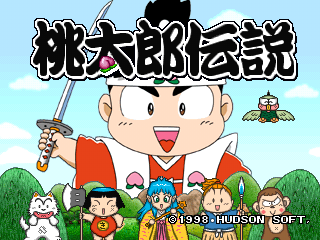
Momotaro Dentetsu (Momotaro Tetsu) Gaiden, The Legend of Momotaro
Introducing Momotaro Densetsu, an RPG outside of Momotetsu. It is a masterpiece that is as popular as Momotetsu.
Read Article
A compilation of classic Nintendo 64 games
We have compiled a list of games that were released on the Nintendo 64 and are now even called masterpieces.
Read Article
Contents
- Outline of "Milon's Secret Castle: Milon's Great Adventure"
- The plot and story of "Milon's Secret Castle: Milon's Great Adventure"
- The Beginning of Adventure
- First floor of the castle
- Second floor of the castle
- To the hidden room on the first floor of the castle.
- Third floor of the castle
- MIRON, TAKING OVER THE THIRD FLOOR OF THE CASTLE.
- To the final battle
- Milon's Secret Castle: Miron's Great Adventure game system
- Bonus Stage
- 1st floor
- Separate coin room
- Chamber of stone steps
- 2nd floor
- Domino Room
- Hudson's Room
- Well
- A cell in a dungeon
- Fire room
- 3rd floor
- Separate coin room
- Trap room
- Fireplace room
- Chamber of a threaded rod
- Ice room
- Lost Room
- Maiden on the right
- Genshinden on the left
- 4th floor
- マハリト room
- Other
- Shop
- Room of the Beast
- Warp zone
- Characters from "Milon's Secret Castle: Milon's Great Adventure"
- Protagonist
- Millon
- Enemy character
- Slime eye
- Tambo
- Mauri
- Camry
- Hardtal
- ルビデ
- Beat
- Paumel
- Gerbo
- Kattingshire
- サフマ
- Voodoo
- メダマルゲ
- Gyoro
- AGAG (
- Braintot
- Aye-aye
- Shim
- マドーラ
- Flying eye
- Ung Bao
- Flag
- Spark
- Giant head
- Bone wing
- Medium boss
- Fire
- Crowe
- Boss
- Boss Monster common specifications
- Homer
- Dormer
- Barkama
- Dormer
- Red Homer
- Red Barkama
- Kama
- マハリト
- Milon's Secret Castle: Miron no Daibōken
- An item that falls when a monster is defeated
- Heart
- Parasol
- Balloon
- Items hidden on stage
- Coin
- Honeycomb
- Hachisuke
- Key
- Instrument box
- Items purchased at stores
- Medicine
- Shoes
- Lamp
- Vest
- Hammer
- Saw
- Feather
- Hovering
- Excalibur
- Super Shoes
- Paint
- Water bottle
- Power & High Power
- Tips
- Important item
- Crystal
- Homer's crystal
- Deauxma's crystal
- Barcama crystal
- Blue Homer crystal
- Red Balkerma crystal
- Kama's crystal
- The Crown and the Staff
- Term for "Milon's Secret Castle: Milon's Great Adventure"
- Epsilon Star
- Musical instrument
- Bubble
- "Milon's Secret Castle: Milon no Daibōken" (The Great Adventure of Milon): Behind-the-Scenes Stories, Trivia, Small Stories /
- Types of instruments added in the Bonus Stage
- Misspelling of the bonus stage clear message
- Hiding function of title screen