

There are many Russian writers in the literary world, including Dostoevsky, Tolstoy, Pushkin, and Gogol. Russian literature is characterized by the complexity of its characters' names... One name has several nicknames, and this is one of the reasons why Russian literature is often dismissed as "difficult. Why are Russian names so complicated in the first place? In this article, we have compiled a list of unique Russian names and nicknames. We hope you will find it useful for appreciating literary works.
RUSSIAN LITERATURE IS HARD TO READ!
One of the things that makes Russian literature so difficult to read is the way names are called, which is unique to the Russian language. Russian names consist of three parts: first name (имя/Imya), paternal name (отчество/Otyestva), and family name (фамилия/famIliya).
The name has a paternal title.

Source: blog.goo.ne.jp
FOR EXAMPLE, THIS PERSON.
Real Name: Vladimir Vladimirovich Putin
Vladimir is his name.
Ura ジーミロヴィチ is my father.
Putin becomes the family name.
In Japan, it is abbreviated as Vladimir Putin, but it is seldom abbreviated in Russian.
The paternal title is a name created from the name of the person's father, and the father's name can be found by looking at the paternal title. In the case of Vladimir Vladimirovich Putin, we know that his father's name is also Vladimir.
When calling politely, a set of name + paternal title
And a nickname made from a name. Normally, I call them by their nickname, and when I call them politely, I call them by a set of their name plus their father's name.
父称にも男性形と女性形があって、アンドレイ(Андрей)の息子ならアンドーレエヴィチ(Андреевич)、娘ならアンドレーエヴナ(Андреевна)よ。ヤーコフ(Яков)の息子の父称はヤーコヴレヴチ(Яковлевич)、娘の父称はヤーコヴレヴナ(Яковлевна)
— ロシア語たん (@Rusgo_tan) April 7, 2013
この二人に丁寧に呼びかけるときは、「イヴァン・アンドレーヴィチ」「アンナ・ヤーコヴレヴナ」になるわ。このように、ロシア人を丁寧に呼ぶときは名前+父称で呼ぶのよ
— ロシア語たん (@Rusgo_tan) April 7, 2013
pet name
Source: www.amazon.co.jp
The difficulty of Russian literature is that we call it by name or by nickname.
Source: www.amazon.co.jp
Source: ameblo.jp
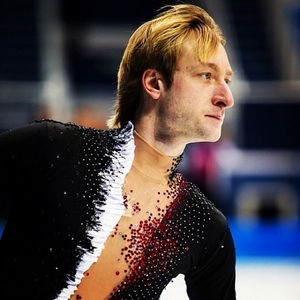
Evgeny's nickname is "Jenya."
The form of a nickname is determined by the name, so you can tell the nickname by looking at the name, and the name by looking at the nickname.
In Russian, names end in consonants for males and а or я for females, but nicknames often end in а or я for both genders.
Male names and nicknames
Source: bluemoon-yh.info
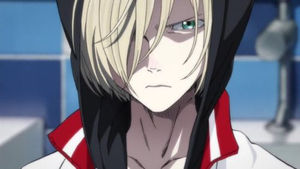
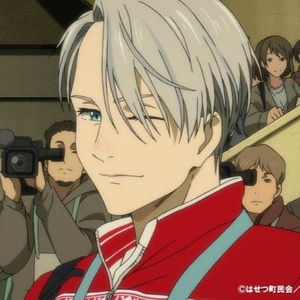
Yuri is Julia.
In addition, his grandfather is called Urachka (also called Eurashka), with the suffix chika (or shuka) meaning small.
Source: pbs.twimg.com
Victor is Veča.
Alexandre. Sasha, Sashinka.
ALEXEI. ALIOš
Vladimir: Also described as ヴォロージャ or ワロージャ
Fedor: フェージャ, フェドゥーリャ, フェヂューニャ
Ivan … Vanya, ヴァーネチカ (Depending on the book, Vanya)
ーーーーーーーーーーーーーーーーーーーーーーーーーーーーーーーーーーーーーーーーーー
Mikhail. Misha.
PYOTR. PECHA
NIKOLAY. KORYA.
Dmitry. Zima, Mi Cha, Mi Tinga
Sergei. セリョージャ.
ーーーーーーーーーーーーーーーーーーーーーーーーーーーーーーーーーーーーーーーーーー
LOGION. ROGER.
Evgenie. Jenya.
Maksim. Max.
Konstantin. COURSE CHA
Female names and nicknames
Alexandra. Sasha, Sashinka, Shura, Shurachica.
Annah … Anya, アニュータ, アニェーチカ, アーンヌシカ
Valentina. ヴァーリャ, Valyusha, Valyushka, Váli Chica.
VERONICA. NIKA.
VICTORIA. ヴィーカ.
ーーーーーーーーーーーーーーーーーーーーーーーーーーーーーーーーーーーーーーーーーー
Diana. ディアーヌチカ, ディアーヌシュカ, Dina.
Ekaterina. Kacer, katyusha, katinka
Elena. Lena, Renecka, リノーク
Larissa. Larissa, Larissa.
Margarita: Riita, Ri ータチカ
ーーーーーーーーーーーーーーーーーーーーーーーーーーーーーーーーーーーーーーーーーー
Marina … Mari ーシャ, Mari ーナチカ, Mari ーシカ
Maria. Marsha, マーシェンカ, Mathewscha.
Natalia: ナターシェンカ, Nata, ナターシェチカ
Olga Alexandrovna Yurievskaya. Orilla, オーリェンカ, オーリチカ.
Polina. Paulia, Parinca.
ーーーーーーーーーーーーーーーーーーーーーーーーーーーーーーーーーーーーーーーーーー
ROSA. RO ーザチカ, RA ズィータ, RA ZII!
Svetlana. スヴィェータ, スヴィェータチカ, スヴェトラーンカ, スヴィェーティク
Sofia. Sonya, ソーニチカ, Sofatchika, Sophie.
Tamara. Toma, Thomchica, Tamara rachika.
Tatiana … Tanya, Tanichka, タニューシュカ, タニューシャ
ーーーーーーーーーーーーーーーーーーーーーーーーーーーーーーーーーーーーーーーーーー
Julia. Julia, Eurinca, Eureka, Yurichiku.
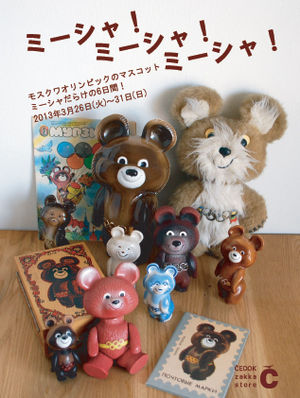
Nickname of a popular Russian character
Source: www.cedok.org
Popular Russian character "Koguma no Misha"
Misha's real name is Mikhail Butterpitch タプテキン.
Source: www.amazon.co.jp
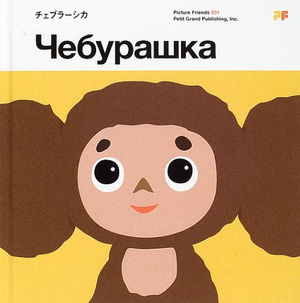
This is Cheburashka. The names "-shka" and "-chka" are affectionate terms "for small children," regardless of gender.
Misha the Bear cub" is a popular Russian character. In Russia and other former Soviet Union countries, "Misha the Bear cub" is more often called "Mishka" (Мишка) than "Misha" (Миша).
