
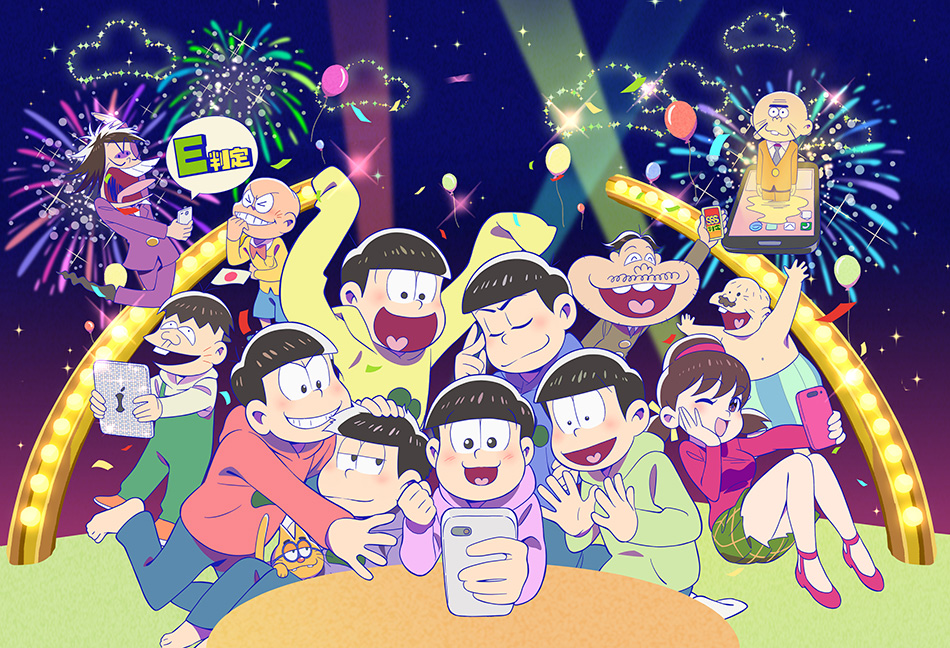
The anime "Osomatsu-san" has become a hot topic not only because of its fascinating characters and characters, but also because of the parody stories of various works and real people. In this article, along with captured images of the anime, we will also introduce the original works that were used as the source material. A commercial video of the second season of the anime is also included.

Source: 37.media.tumblr.com
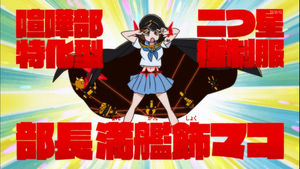
It was mecha-like and reminded me of a full-fledged mako.
Kill la Kill
Mako Mankanshoku
Voice - Suzaki Aya [21].
A student at Honnoji Gakuen who first met Ryuko, she is a member of the 2nd year A class. She belongs to the tennis club. For a time, she was the head of the fighting club that Ryuko founded. She has a hard time with her younger brother Mataro, and punishes him with wrestling moves whenever he gets into trouble. He has an extremely fast pace, inherited from his mother, and has a "super" natural way of thinking.
Source: cdn49.atwikiimg.com
When Ryuko decided to leave the club, he refused to go back to the slum, and his whole family tried to hunt her down, challenging her wearing the "two-star uniform specialized for fighting club" given by Satsuki. However, he was really sorry that he and his family were swallowed up by greed, and in the end, he decided that he would rather live in poverty with his family than in a luxurious but greed-ridden life with his family scattered around him, so he disbanded the club and returned to a life of slum living without stars.
Source: livedoor.blogimg.jp
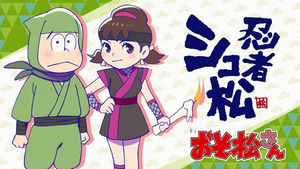
Shi-Matsu is no longer officially WW, but dressed as the Kunoichi of Totoko next door.
Source: livedoor.blogimg.jp
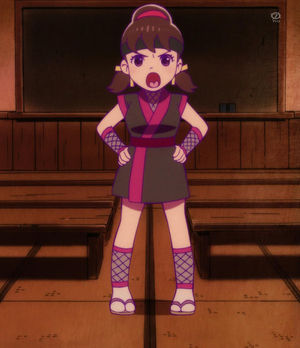
I recognize this black and pink kunoichi.
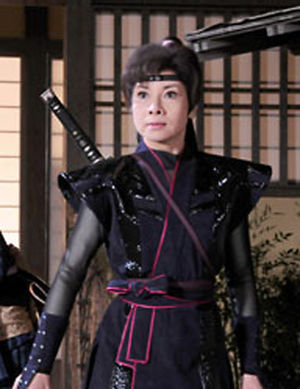
Source: blog-imgs-41.fc2.com
Yumi Kaoru a.k.a. Ogin, the Kunoichi in Mito Komon, WW.
Kaoru Yumi, who had made several guest appearances on Mito Komon in the past, officially started to appear regularly as Ogin in Part 16. At that time, Minoru Itsumi, the production manager, asked Yumi if she would like to introduce a new character that had never appeared before. Yumi then asked a shop that she knew to produce the costumes to create the character image of Kagero Ogin.
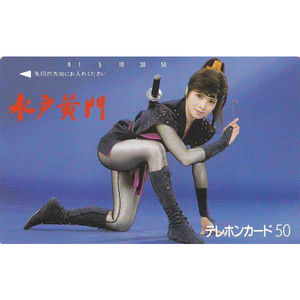
Source: item.shopping.c.yimg.jp
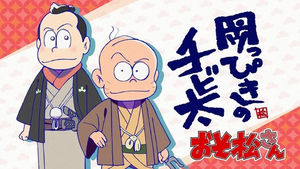
Source: livedoor.blogimg.jp
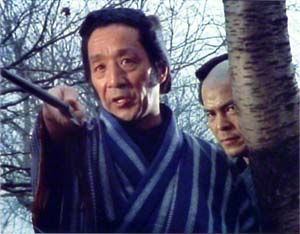
Source: www.jidaigeki.com
secret evil-doer
Okappiki Dobu (岡っ引どぶ) is a TV historical drama based on Shibata Renzaburo's historical novels ("Shibaren Catcher's Tales: Okappiki Dobu" and others).
In 1981, a total of six series were broadcast in Fuji Television's "Jidai Geki Special" slot, and in 1991, it was broadcast as a serial drama series on Wednesdays from 8:00 p.m. to 8:54 p.m.
Dobu: Kunie Tanaka
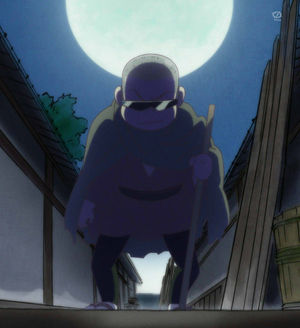
Source: livedoor.blogimg.jp
Kanto-size tatami mat (approx. 176 cm by 88 cm)
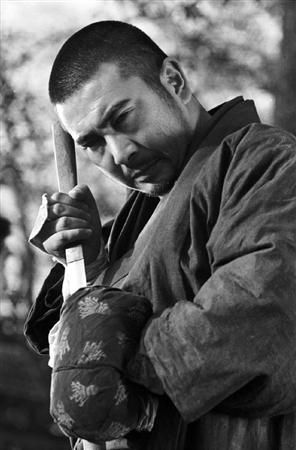
Source: rokiochan.files.wordpress.com
Zatoichi" is an action period drama in which Zatoichi, a blind chivalrous man with a badge, travels around the country and confronts villains with his amazing sword fighting skills.
In 1974, a TV drama series was produced by Katsu Productions, also starring Katsu.
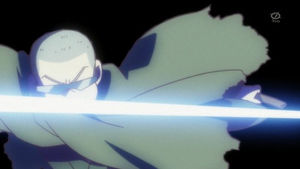
Source: livedoor.blogimg.jp
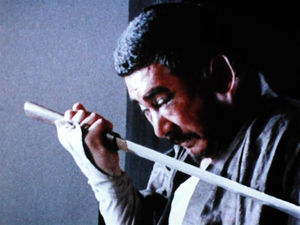
Source: five-of-nine.cocolog-nifty.com
Most of the current version of Zatoichi's personality was created when the story of Zatoichi was produced with Shintaro Katsu in the lead role. It was also Katsu who used the long cane from the original story as a cane for preparing the story.
The first film, "Zatoichi Monogatari" (The Tale of Zatoichi), which is based on the friendship between the two men with no sweet-talking with Hirate Zoshu, was directed by Misumi, but after the fifth film, Katsu's taste is a kind of "resignation," rejecting nihilism and not taking fate into his own hands.
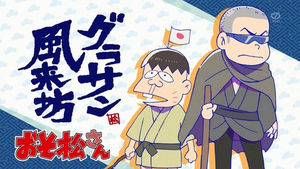
Source: livedoor.blogimg.jp
However, I'm getting a Mr. Flag vibe from Daigoro from "Wolf with Children.
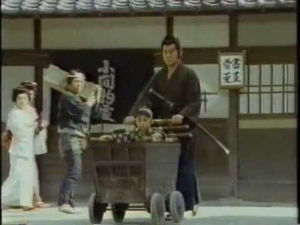
Source: i.ytimg.com
Kozure Okami (Wolf with Child) is a Japanese historical manga (gekiga) written by Kazuo Koike and illustrated by Tsuyoshi Kojima, serialized in Manga Action (published by Futabasha) from September 1970 to April 1976.
Both the original story and the artist steadfastly established themselves as writers with this work. Subsequently, a number of films were produced, including a film version starring Tomisaburo Wakayama and a TV drama version starring Kinnosuke Manya.
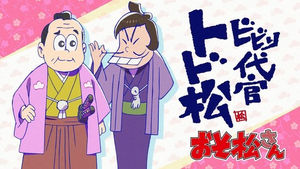
Source: livedoor.blogimg.jp
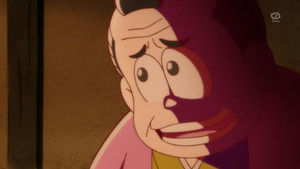
Source: livedoor.blogimg.jp
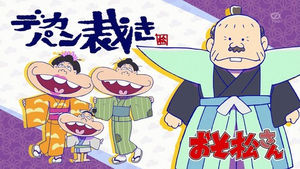
You're evil too~!
XX-ya, you are evil too!"
One of the most common images of the evil dairyman is the line, "You are evil, too. The stereotypical scene is that of an evil merchant handing over a box of confections (such as a box of confections filled with brightly colored confections) to a bad merchant during a nighttime discussion with the merchant (a shipping agent, money changer, etc.) at the bad daikan's mansion. Although many people associate this line with the term "bad dairogan," it is actually not used very often in dramas. According to actor Nobuaki Kawai, who is known for playing the role of an evil dictator in period dramas, this line was created as an ad-lib during the shooting of a commercial in which he and Taguchi Kei played together, and was adopted as a result of its impact on viewers and became firmly established. The most common line of the villainous merchant that follows this line is "No, no, not as bad as Odayogun-sama....
Source: ja.wikipedia.org
Source: livedoor.blogimg.jp
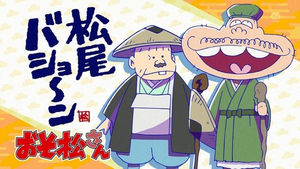
I thought it was a classic BL Basho and Sora coupling.
Matsuo Basho x Kawai Sora (Baso)" or "Kawai Sora x Matsuo Basho (Sobaso)" (commonly known as "Hosomichi group" or "Hosomichi")
Source: dic.pixiv.net
Source: livedoor.blogimg.jp
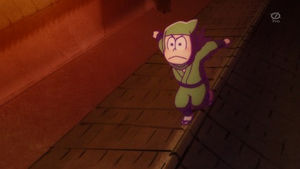
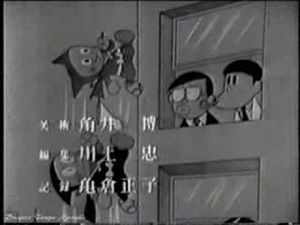
Choromatsu in the style of Ninja Hattori-kun
Source: i.ytimg.com
What is the origin of ninja running?
Hello, when I watch Naruto, I see that the ninja run with their hands behind their backs and leaning forward.
This may be due to the anime's direction, but it looks like they are running very fast.
But in reality, the fastest way to run is to run with both hands waving widely like a track and field athlete, right?
Then, who first thought of this method of running with both hands behind your back?
It is an amazing idea, isn't it?
I seem to remember that Ninja Hattori-kun also did the "ninja run" where he ran with his hands behind his back. ......
Source: oshiete.goo.ne.jp
Sanpei Shirato (February 15, 1932) is a Japanese manga artist. Born in Tokyo. He is male. His real name is Noboru Okamoto. He gained popularity for his gekiga works dealing with ninja, such as "Ninja Bugeicho Kagemaru Den", "Sasuke", and "Kamui Den".
Shiratsuchi's ninja manga are characterized by the scientific and rational explanations and illustrations for the ninja techniques that appear, whether they are feasible or not, and are a departure from the manga that had been published until then, which often featured ridiculous techniques and arts.
Source: ja.wikipedia.org
Source: livedoor.blogimg.jp

Related Articles
Spoiler commentary and discussion of Osomatsu-san (anime)
Osomatsu-san" is an animated film based on Fujio Akatsuka's manga "Osomatsu-kun". The catch copy is "Even if you grow up, you are still an idiot. The six children Osomatsu, Kalamatsu, Choromatsu, Ichimatsu, Jyushimatsu, and Todomatsu, who were children in "Osomatsu-kun," grow up and become adults, but they become virgins and NEETs. The six live at home and spend their days idly without working. Iyami, Chibita, Totoko, Hatabo, Dekapan, and Dayon, all familiar faces from "Osomatsu-kun," also make an appearance. A nonsense and surreal gag comedy.
Read Article
TV anime Osomatsu series, voice actors of Osomatsu in the past!
This is the third installment of the Osomatsu series. This time, we will introduce you to the cast members of the modern Osomatsu and the first Osomatsu in the series!
Read Article
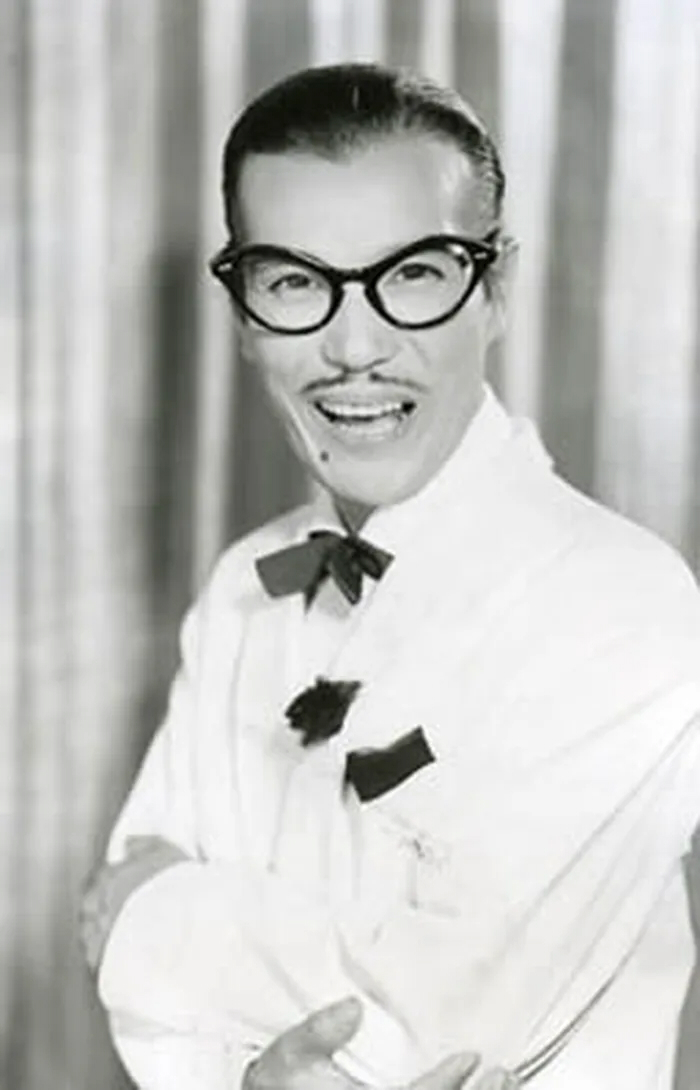
Osomatsu-kun in the Showa era, the model for Iyami, "Tony Tani
Iyami" appears in many Fujio Akatsuka cartoons, including "Osomatsu-kun. We have compiled a list of popular words created by "Tony Tani," a stage performer in the 1950s who modeled himself after Iyami.
Read Article
An evolved national gag. A variation of "Shae! in "Osomatsu-san".
Our own Iyami said to himself, "The national gag," "Shay! Shay! I used to strike this pose myself when taking pictures, but in "Osomatsu," the "Shay! has evolved.
Read Article
What is Tokiwasou? History, anecdotes, trivia, cartoonists who lived there, members, and where it is located!
Tokiwa-so is a two-story wooden apartment building in Minami-Nagasaki 3-chome, Toshima-ku, Tokyo. Although the building was demolished in 1982 due to aging, it is still very well known as a "sacred place for manga. Even today, the Tokiwa-so Manga Museum and the Tokiwa-so Project have left their mark on the manga world. This article provides information about Tokiwa-so and the manga artists who lived there.
Read Article
Now you are a Matsuno master! How to identify the Matsuno siblings & profile summary
I don't know the difference between the Matsuno brothers... I am sure there are many of you who do. So, I've compiled a list of ways to tell the Matsuno brothers apart & their characteristics!
Read Article
Not just smiling! A summary of Jyushimatsu's facial expressions
Jyushimatsu is often thought of as always smiling. Surprisingly, he makes a lot of different faces! So this time we have compiled a list of Jyushimatsu's faces.
Read Article
Arina Tanemura's "Osomatsu-san" 18-unit BL doujinshi has been discontinued...too bad, what's the reason for that!
Arina Tanemura is known as the author of famous manga such as "Kamikaze Kaito Jeanne" and "Full Moon wo Sagashite. In fact, she was working on a secondary work for the popular anime "Osomatsu-san," and was apparently in the process of publishing an 18-unit BL doujinshi. However, the publication was suddenly cancelled. Twitter was in an uproar over the incident. What exactly happened? This article summarizes.
Read Article
About the six mourning female figures in the official female adaptation of Osomatsu-san's "Jyoshimatsu-san" that are too realistic.
The popular gag anime "Osomatsu-san" finally reached its final episode on March 25. The "Jyoshimatsu-san", female versions of the six children, made their first appearance in the 13th episode. The same voice actors as the Matsuno family's six children play the roles of the female characters, giving them a creepy-cute charm like the male characters. But that's not all. Let's take a look back at the real "mourning women" in the "Joshimatsu-san" series. But that's not all.
Read Article
Which is your favorite? A list of girls' (and a few boys') characters and their uniforms in anime (and a quiz!)
The uniforms of female characters in anime are far more glamorous, distinctive, and adorable than the unadorned uniforms of real life. From the colorful ones to the ones with a particular sense of fashion, to the simple but quaint ones, they are all impressive. And you can almost tell what the original story is just by looking at the uniforms. In this article, we have compiled a list of uniforms worn by girls in anime.
Read Article
New Osomatsu-kun is on the air! Here's a comprehensive review of Osomatsu-kun!
Fujio Akatsuka returns to commemorate the 80th anniversary of his birth with the return of the six children. What kind of adults have they grown up to be over time...?
Read Article
Thinking very much now, based on online opinion and my own judgment, "Sanjimatsu-san" (spoiler alert).
Osomatsu-san" has shown us something indescribably dense since the beginning of the New Year, but more than "Josimatsu-san," what caught my attention more than anything else was the TV series "Sane-matsu"....
Read Article
BL Words in a Row! A summary of the Jyushimatsu words that appeared in Osomatsu-san Episode 17.
Episode 17 of Osomatsu-san is a fourteen pine festival! In the story, there is a scene where Jyushimatsu is selling fanzines, and he utters a series of BL words. So this time, we've compiled a list of those memorable Jyushimatsu words!
Read Article
This is the work of a professional! The craftsmanship of a voice actor in animation!
There are professionals in every field. They are also known as "craftsmen. Their uncompromising workmanship is so impressive that it sometimes makes me lose my voice. Here are some examples of the craftsmanship of voice actors.
Read Article
Osomatsu-san" = "Gintama"? The new anime "Osomatsu-san" is too much of a troll for other works.
In the fall of 2015, "Osomatsu-san," one of Fujio Akatsuka's best-known works, was adapted into a TV anime to commemorate the 80th anniversary of his birth and to show what happens after "Osomatsu-kun," one of his best-known works, has grown up. The reason why its unprecedented content has been so well received is the "voice actors"!
Read Article
After 27 years, the anime is back! Introducing the characters and voice actors of "Osomatsu-kun" and "Osomatsu-san" all at once!
Osomatsu-kun," an original story by Fujio Akatsuka, was first made into an anime in 1966 and the second in 1988. Osomatsu-kun," which was adapted into an anime for the first time in 27 years as a grown-up version of "Osomatsu-san," which became a hot topic! In this issue, we will introduce the characters of "Osomatsu-kun" and "Osomatsu-san" and the animation production staff of the past generations!
Read Article
Late Night Gintama⁉"Osomatsu-san" Episode 1 Parody Summary Part 1
Osomatsu-san, you were blown away from the very first episode. So this time I have compiled a lot of parody stories. Since there are so many, I will introduce them separately.
Read Article
Late Night Gintama⁉"Osomatsu-san" Episode 3 Parody Summary
Episode 3 had a lot of parodies from outside the anime and manga. So here's a roundup of all the parroted material from episode 3!
Read Article
Late Night Gintama⁉"Osomatsu-san" Episode 7 Parody Summary
Episode 7 is all about Totti! We've also included a parody of Totti... and this time we've put together a parody of episode 7!
Read Article
Urban Legends of Osomatsu-san (actually the eight children): A collection of chilling and scary rumors about the afterlife.
We have compiled a list of urban legends about the popular anime "Osomatsu-san. The episode in the original story in which the entire Matsuno family ate a blowfish and died led to whispers that "Osomatsu-san takes place in the afterlife?" The episode of the original "Anonye" episode, the reason why Osomatsu-san gave a bullshit map was to kill the other siblings, and other scary episodes and fan's thoughts will be introduced.
Read Article
The character introductions on the official "Osomatsu-san" website have changed...! How in the world has it changed?
The introduction of the six children on the official website of "Osomatsu-san" has changed. Here is a comparison with the previous introduction!
Read Article
Late Night Gintama⁉"Osomatsu-san" Episode 1 Parody Summary Part 3
Osomatsu-san, you've been blowing me away since episode 1. This is my last parody compilation! I can't wait for episode 2 to air.
Read Article
Late Night Gintama⁉"Osomatsu-san" Episode 2 Parody Summary
I didn't realize there were two episodes of parrots! So here's a roundup of all the parrots from episode 2!
Read Article
Eye-catching compilation of "Osomatsu-san"!
Here's a collection of the cutest eye catchers from the anime "Osomatsu-san"! Lots of Christmas and parody eye-catchers!
Read Article
A great collection of illustrations! New Year's Illustrations from Anime, Manga, and Games
We're compiling all the great illustrations released in the new year! Take a look at these and enjoy the rest of the year!
Read Article
A deeper look at "Osomatsu-san" now (with spoilers for the final episode).
Osomatsu-san" has been the talk of the town despite being broadcast in the late-night slot. It is a work by the master of gag manga. It's not just the name value that makes it such a hit, but it's not just a gag, it's a satire. It's a little late for this, but I'd like to look back at the first episode and other episodes, and give you some insights, or at least some in-depth reading. It's really too late! I'm sure my brother Choromatsu would give me a hard time about it.
Read Article
Late Night Gintama⁉"Osomatsu-san" Episode 6 Parody Summary
Episode 6 also has a lot of parody material... so here's a roundup of all the parody material from episode 6!
Read Article
Late Night Gintama⁉"Osomatsu-san" Episode 14 Parody Summary
There are plenty of parodies in the anime Osomatsu-san! Here is a compilation of parody material from episode 14. Again, lots of funny parodies!
Read Article
Late Night Gintama⁉"Osomatsu-san" Episode 10 Parody Summary
In this issue, we have compiled a list of parody stories from episode 9. Again, lots of parody here!
Read Article
A discussion of the seven mysteries left unanswered in Osomatsu-san Episode 9, "Fourteen Pines' Love"! What do the cliff characters and station names mean?
In this section, we will discuss the "seven mysteries" in "Osomatsu-san's Love" episode 9, "Jyushimatsu's Love," including "the letters on the cliff and the station name," "her wrist," and "the meaning of the color coding of the main line. This episode contained many meaningful descriptions, and some viewers felt indigestion.
Read Article
Fan art and manga of Karamatsu and Kazumatsu from "Osomatsu-san" [The Colored Pine Combination].
Here is a collection of fan art and manga of Karamatsu and Kazumatsu from the anime "Osomatsu-san" uploaded by fans on the Internet. The majority of the works were published mainly on Twitter. Some of them are illustrations of couplings for fujoshi (rotten girls), so please be careful if this is not your cup of tea.
Read Article
A list and explanation of the names of the duo and trio in "Osomatsu-san"! Elder brother Matsu, etc.
Here we have compiled a list and explanation of the duo and trio names used by fans of the TV anime "Osomatsu-san". In addition to the explanations within "Osomatsu-san," the characters and their actions in the original "Osomatsu-kun" are also introduced.
Read Article
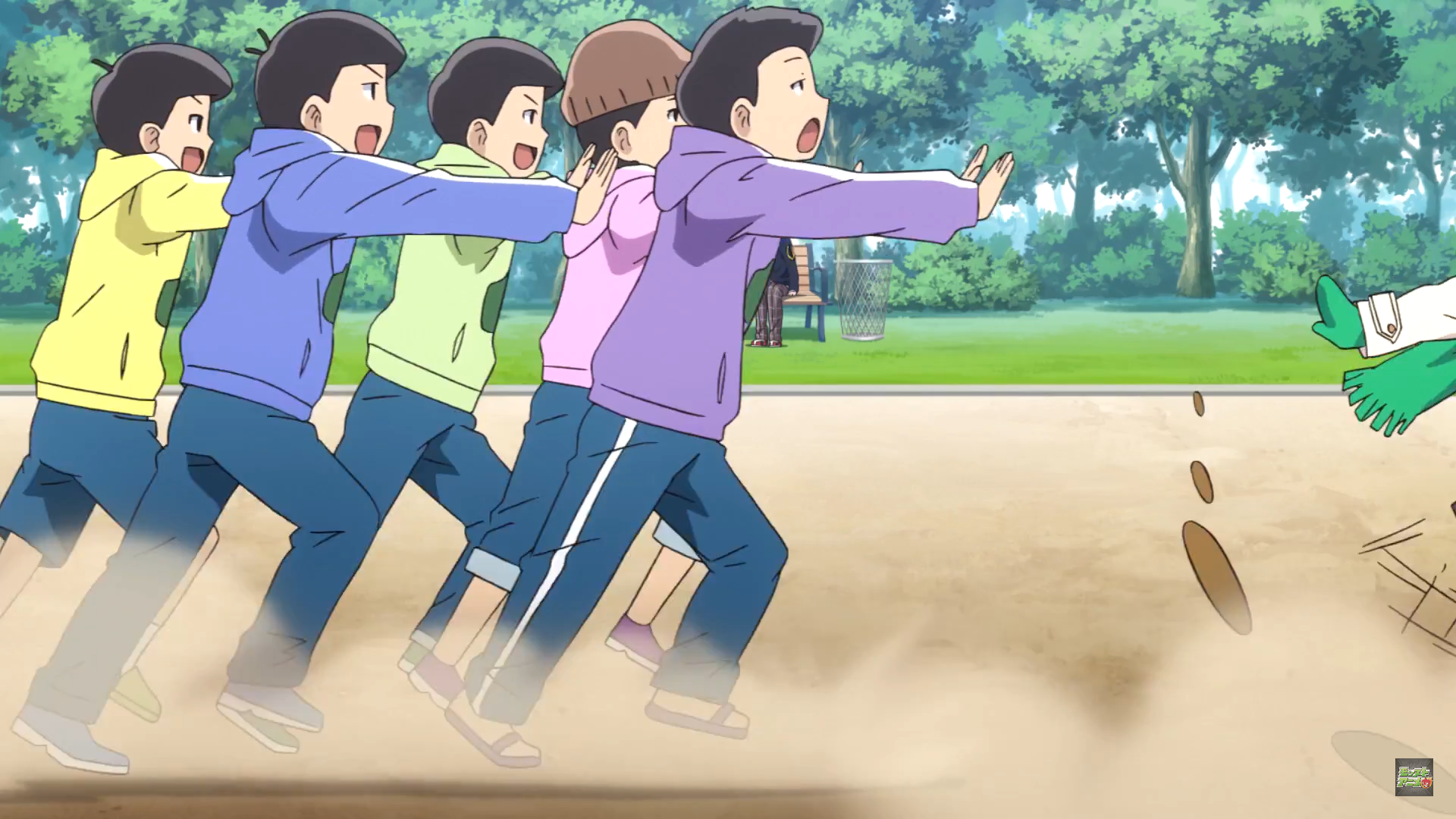
Not Just an Adventure Anime! A Parody of "Monstro" Episode 11
Monstar was adapted from a game application into an anime. It was a normal adventure anime...or so we thought, but it had a lot of parodies elaborated. In this article, we will summarize the parody material in Monstar episode 11! In episode 11, there is a parody of Osomatsu-san, a popular anime that is currently enjoying great popularity...!
Read Article
Late Night Gintama⁉"Osomatsu-san" Episode 17 Parody Summary
There are plenty of parodies in the anime Osomatsu-san! Here is a compilation of parody material from episode 17. This time we have a parody of that famous and popular manga that we all know!
Read Article
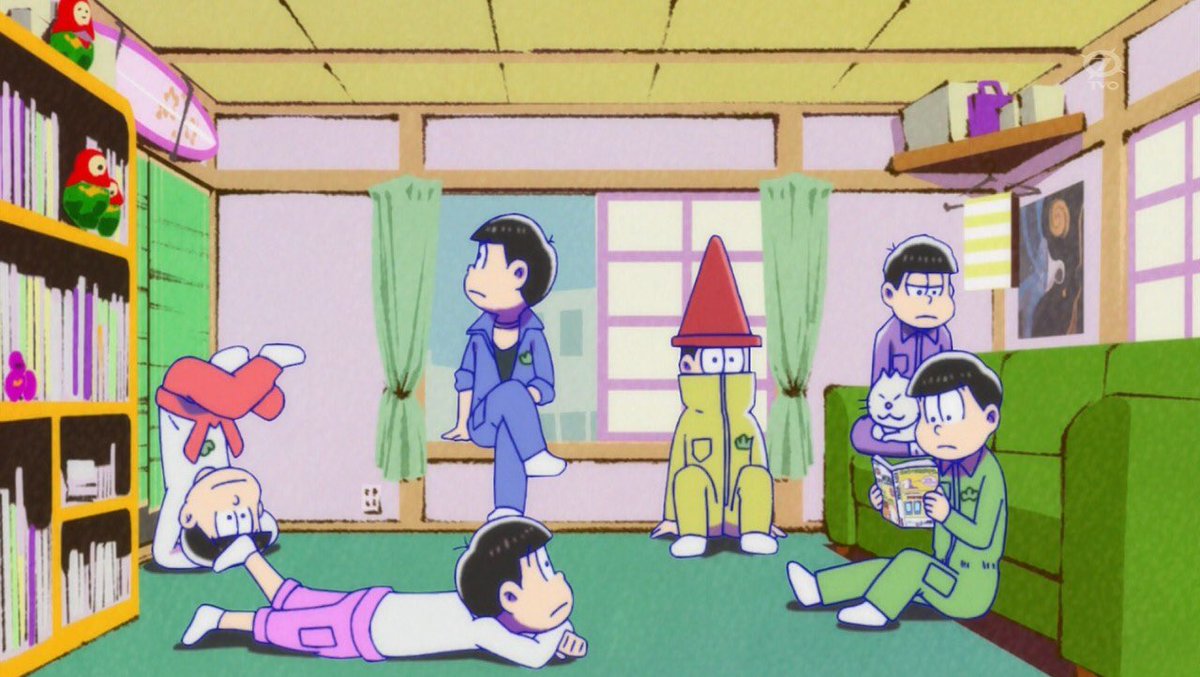
The height of the six children of "Osomatsu-kun" is considered! In "Osomatsu-kun," they are all 150cm tall!
How tall are the six children in "Osomatsu-san"? Considering the size of the room, it seems that they are not taller than 170 cm. Incidentally, in "Osomatsu-kun," which depicts their elementary school days, they were all 150 cm tall.
Read Article

Summary of "Osomatsu-san" related disturbances, including allegations of pacri and the suspension of distribution of doujinshi.
We have compiled a list of "Osomatsu-san" related disturbances that occurred due to the popularity of the anime, such as "Matsumatsu Maker," which became a topic of conversation for its ability to create "Osomatsu-san"-style avatars, and the "Katamusubi Incident," in which the character settings and other aspects of the application were accused of being a rip-off of the anime. Details of the uproar and fan reactions are introduced here.
Read Article
Tags
Contents
- What the heck!
- You're coming back?
- F6 => everyone dash => Kara~matsu catch Choromatsu falling off the cliff => Lipovitan D commercial
- It's a circlega campus de share house~!
- Thank you very much for the last one, I hope the second term will come!
- This is a training scene at Rocky I
- Star of Hope Totty WWWWWWW
- The battle between the digital school Choromatsu vs. the occult system Jyushimatsu is a battle between the digital school Choromatsu vs. the occult system Jyushimatsu.
- Gotta love it! The world's #1 man. It was flavorful.
- Below is a dreamy place
- In Fist of the North Star, the world was engulfed in nuclear flames ⇒ Osomatsu-san What a war!
- Gintama Episode 126
- Karamatsu's don't worry, I'm wearing them.
- In the Heisei version of Osomatsu-kun, Iyami, not Karamatsu, is the prey of Biollante?
- Is your brother Osomatsu's favorite platform Umimonogatari?
- My eyes - my eyes!
- Shako's punching power is really strong w
- Zangief is really strong. by Iyami
- The sound of rain falling on Chibita is Hazaromo Foods.
- However, the Totoko Robot's weapon is the same as Mazinger Z's Aphrodine A: a boob rocket.
- It was Afrodyne A, not Afrodyne A.
- Hatabo's friend, Hiroshi Tachi Aniki
- The background music after Chibita's phone call to kidnap Karamatsu is similar to the ED sukisuki song of Himitsu no Akko-chan.
- fried dough cake filled with karintou
- I know, right?
- Delivery God WW from Delivery Contrast
- overflowing with the smell of Showa era (1926-1989)
- De Utapuri
- Surprisingly good looking ⇒BL
- I'm not talking about F4.
- F6 with an F for Fujio
- The Axis, famous for Char's Counterattack, etc., was destroyed in an instant.
- Einstein without a doubt
- Laputa
- aoharide
- Don't say DT, W. He and his son are completely swamped.
- Wall Don!
- The table don! ⇒Kaijikai!
- Iyami is too handsome.
- Hi-Q, even the hairstyle is Hinata WW
- Kuroko's Basketball
- weak pedal
- fist fight
- Fist of the North Star?
- Love Live!
- Wall Maria of the Marching Giants
- Naruto.
- For bleach.
- assassination class
- The WW has a high jump rate.
- To Sailor Moon.
- To Virtua Fighter.
- Pokémon!
- Ashita no Joe WW
- I thought it was Gintama, but the director was Yoichi Fujita.