
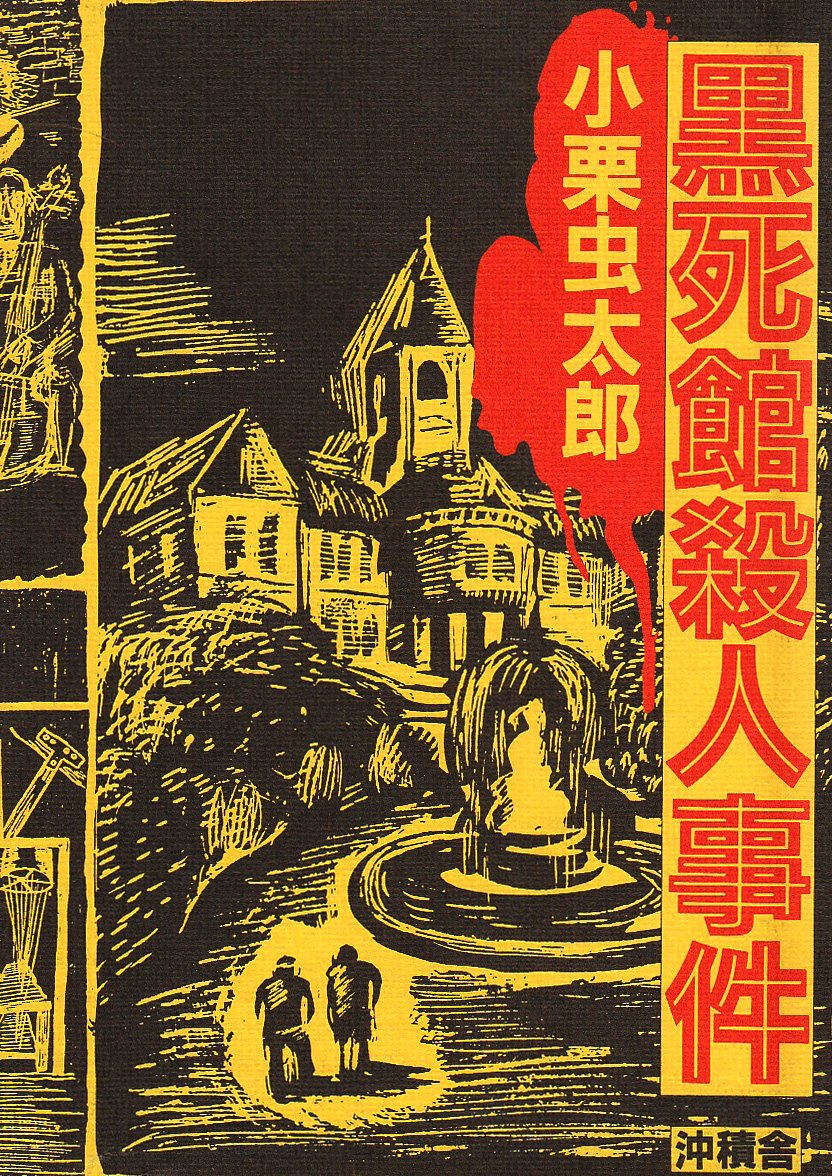
There are three books in Japanese mystery fiction and heterodox literature that are known as the "Three Odd Books. The three books are "The Black Death Pavilion Murder," "Dogra Magra," and "An Offering to Emptiness. The word "strange book" originally means "interesting and excellent book," but the "Three Strange Books" have the nuance of "strange and fantastic," and there are even rumors that reading them can cause mental disorders. Here, we will explain what the "Three Odd Books" are.
「虚無への供物」密室!密室!密室!密室!と続く一連の事件、繰り広げられる推理合戦、フーダニットとハウダニットで引っ張り最後の最後で読者に強烈な平手打ち。不思議の国のアリスやら有名なミステリのネタやら、いろいろ盛り込まれているけど、不勉強につき堪能しきれていない部分もおそらく多々。
— 水音 (@mine_twt) 2013.02.10 02:06
kindleでドグラ・マグラと黒死館殺人事件は無料であるのに虚無への供物がないのはなんでだろ。
— yy (@python_spameggs) February 8, 2013
「虚無への供物」中井英夫/ 「ぼくにとって蒼司君は、つねに不思議な誘惑を感じさせる存在だったって。(略)どうしても彼を、ぼくの組み立てた運命どおりに歩かせてみたくなり、あげく断崖の上から突き落としてしまった(略)ただし突き落すからには、彼には新しい翼をつけてやるつもりでいた」
— それっぽく見える文学bot (@hmk_bngk_bot) February 8, 2013
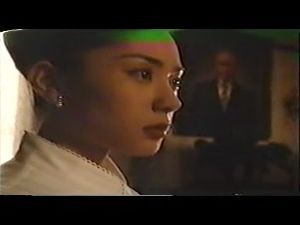
"Kubutsu no Gubutsu" has been adapted into a TV drama.
Source: d.hatena.ne.jp
"Bara no Satsui - Kubutsu to Koma -"
It was broadcast on NHK-BS in 1997, starring Eri Fukatsu and Toru Nakamura, six times in total, and has not been made into a DVD.
▼ It is sometimes regarded as one of the four great strange books including "Hako no naka no miraku."
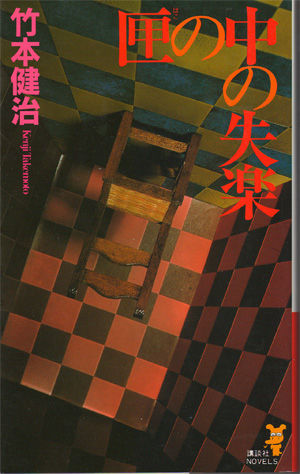
In addition, Kenji Takemoto's "Hako no naka no Kiraku" (1978) is sometimes added as' the fourth strange book' and called' the four great strange books,' but many people disagree with this.
Source: www.worldendsgarden.com
"Miraku in a Enclosure"
Recommended by Hideo Nakai, it was serialized in the novel magazine "Genei-jo" from April 1977 to February 1978, and was Kenji Takemoto's first novel. Although it is a detective novel, it denies detective novels and takes the form of Anti Mystery. It was written under the influence of the three great books of "Kokuseikan Satsujin Jiken," "Dogra Magura," and "Kubutsu no Kyobutsu." Therefore, some say that it is too early to include it in the category of strange books, but there is a strong opinion that it is' the fourth strange book.'
Source: www.gpara.com
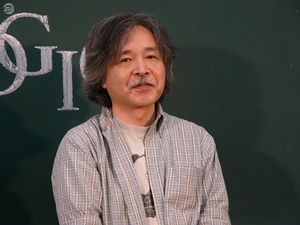
Kenji Takemoto
Born in 1954 in Aioi City, Hyōgo Prefecture. On the recommendation of Hideo Nakai, he made his extraordinary debut as a mystery writer running a full-length series in the magazine "Genei-jo". His debut work was "Hako no Naka no Rakuraku" (The Blunder in the Enclosure). He has a cult following as a meta-mystery and anti-mystery writer. He is as good as a go player. In recent years, he has also worked on game scenarios.
The aim of this book is this special arrangement. In each chapter, truth and fiction are exchanged. In the great fiction that contains itself.
Source: members3.jcom.home.ne.jp
The reason I associated it with the "Black Death Hall Murder Case" was that the pedagogical [1] element was very strong, and the students who are the characters explain their reasoning with a lot of knowledge in their favorite fields such as mathematics, physics, psychology, pharmacology, magic, etc.
Source: takuteku.blog.so-net.ne.jp
[1] The term "Gengaku" refers to the act of pretending to be a scholar, the act of showing off one's learning, and the act of pedant.
In this story, we must concentrate on overcoming the "discontinuity" between the chapters, and with all our might, we cannot afford to wonder who the culprit is.
Source: rhino.blue.coocan.jp
▼ Entertainment and culture related summary

Tags
Contents
- ▼ Three great strange books ① "Dogura Magura"
- "Dogra Magra" can be read for free on Aozora Bunko.
- "Dogra Magura" was also made into a movie.
- "Dogra Magra" is also a CG animation.
- ▼ For reference when you start reading "Dogura Magura".
- Some songs are inspired by "Dogra Magura."
- I'm worried about my son who has "Dogra Magra." my father.
- What about the people who actually read it?
- ▼ Three Great Books of Mystery ② "Kuroseikan Satsujin Jiken"
- You can read "Kokuseikan Satsujin Jiken" for free on Aozora Bunko.
- There is also a manga version of "Kokuseikan Satsujin Jiken".
- ▼ Three Great Strange Books ③ "Gifts to Nothingness"
- "Kubutsu no Gubutsu" has been adapted into a TV drama.
- ▼ It is sometimes regarded as one of the four great strange books including "Hako no naka no miraku."
- ▼ Entertainment and culture related summary