
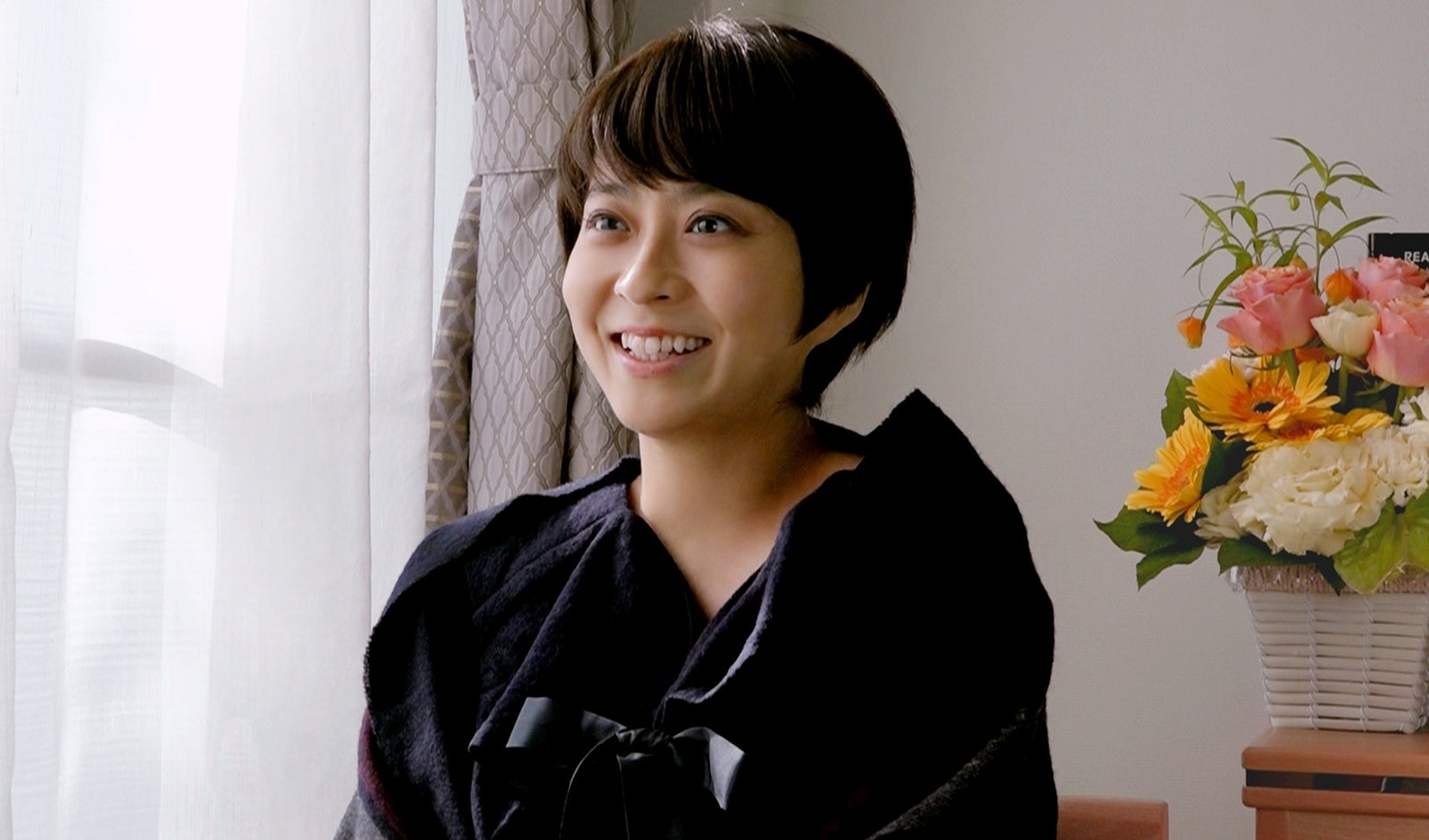
In June 2017, freelance announcer and TV personality Mao Kobayashi passed away due to cancer. About a year after the birth of her first son, signs of breast cancer were confirmed, but the cancer failed to respond early and worsened to the point that it metastasized throughout her body. Some believe that if she had been able to respond early, she would have had a 90% chance of survival.
Here we summarize Mao Kobayashi's treatment options and her battle against the disease.
We have no choice but to remove the cancer.
Or they can be destroyed by radiation.
WE DO N'T HAVE ANY SIDE EFFECTS.
Source: hawk.2ch.sc
Why did the doctor tell you to come back in three months?
Mao might have forgotten.
Source: hawk.2ch.sc
WAI マッマ DID STAGE FOUR, BUT HE HAD AN OPERATION RIGHT AWAY, SO HE'S BEEN WAITING FOR 20 YEARS.
Source: hawk.2ch.sc
▼ "The last month" until Mao Kobayashi's death
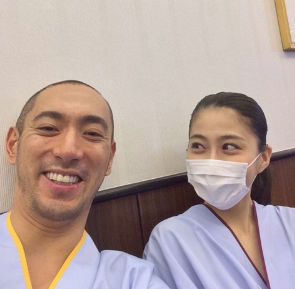
The breast cancer that took the life of Mao Kobayashi. What kind of suffering did she endure in the last months of her life?
Breast cancer tends to spread to the bones and lungs, causing physical symptoms such as pain and difficulty breathing.
Bone metastases in particular often cause severe pain," said Dr. Kunio Nitta of the Nitta Clinic (Kunitachi-shi, Tokyo), who has long been involved in end-of-life cancer treatment as a home physician. In fact, Mao's blog does not shy away from describing the pain and agony caused by her bones.
Last night at midnight, I got up to take pain rescue medicine for the first time in a long time" (April 10).
On April 22, Mao was hospitalized. She received blood transfusions, intravenous drips, and other treatments, and was discharged from the hospital after about a month and a week. Hospital officials testified that Ms. Mao had strongly hoped to return home.
Some patients are hesitant to spend time in an environment without medical care, but in Ms. Mao's case, her home doctor apparently adjusted the dosage of her medication, which she described in her blog as "reassuring.
Dr. Nitta explains the current care at home.
Now, palliative care at the hospital level can be provided at home. For example, opioids (medical narcotics) are used for pain, but there are various methods of administration, including oral medications, paste medications, suppositories, and continuous infusion, and patients themselves can adjust the dosage of medications according to their own symptoms."
Compared to hospitalization, where the only private space is around the bed, home healthcare allows patients to do what they want, when they want, and see their families freely.
Returning to the smell of life, family, and one's own space is an expression of the patient's will to "live to the end," even though they have cancer," says Dr. Nitta. In his blog, he writes, "Home is the best place. (The children will be back from the park soon. I can't wait to see them" (May 29).
▼ People live longer at home than at a hospital, and even if they do not receive treatment that is physically burdensome, their life expectancy will not change.
The benefits to cancer patients of staying at home have been shown in studies conducted by the University of Tsukuba and Kobe University.
Patients who spend more time at home than in the hospital often survive longer, and their life expectancy remains the same even without physically demanding treatment.
▼ Mao, who was able to have a conversation until one day before his death, must have died peacefully.
There is an impression that cancer is a painful end, but according to Ebizo, he was able to talk with her until one day before his death. From the blog, we learn that they had a warm time with their bins, with Kangen stroking their legs and Reika helping them with the pain-writing sheets, saying, "I want to do it! The blog shows that the parents and children spent a warm time together. Dr. Takuko Doi, director of the Breast Cancer Center at Shonan Memorial Hospital (Kamakura City, Kanagawa Prefecture), who works with nurses to help patients return home, said, "The hospital is a very good place to be.
Although they certainly have symptoms, most are able to communicate and do what they want to do right up to the end. That is why it is important for them to spend their final hours at home."
Ebizo said tearfully at the press conference.
The time I was able to spend with my family was truly irreplaceable..."
▼ Netizens' reaction

IF I HAD N'T MADE A MISTAKE IN THE FIRST YEAR, I MIGHT NOT HAVE DIED.
Source: hayabusa3.2ch.sc
Maybe there was a misdiagnosis? I wish we could get to the point where we could diagnose diseases with AI sooner, and then there would be no misdiagnosis.
Source: hayabusa3.2ch.sc
EVERYONE LOVES THEIR HOME, AND THEY DO N'T WANT TO DIE IN A HOSPITAL OR ANYTHING.
Source: hayabusa3.2ch.sc
When someone who had been there for 24 hours suddenly disappeared
THE FEELING OF A GAPING HOLE IN THE FAMILY'S MIND MUST BE TERRIBLE.
Source: hayabusa3.2ch.sc
YOU WERE A BIG MAN.
I think it's great to be fighting a hard disease.
Source: hayabusa3.2ch.sc
But if we hadn't refused to remove the cancer when it was confirmed, it would have been much different.
Source: hayabusa3.2ch.sc
I think the most important thing in this man's fight against the disease is to leave it for a year and four months.
I can't believe it's cancer.
Source: hayabusa3.2ch.sc
Are there any preventive measures against breast cancer?
WOMEN MUST BE SCARED WHEN IT BECOMES SO POPULAR.
Source: hayabusa3.2ch.sc
Early detection and treatment early detection and treatment.
It's a good example of how sloppy private medical treatment is.
Source: hayabusa3.2ch.sc
NO CANCER PATIENT HAS BEEN TAKEN CARE OF SO GENEROUSLY AT HOME.
Mao was happy.
Source: hayabusa3.2ch.sc
▼ One week after Mao Kobayashi's death, an unexpected situation occurred. The clinic he was attending was ordered to stop working for "undocumented medical treatment".
On June 28, about a week after Mao Kobayashi's spectacular death, surprising news broke.
Eleven clinics across Japan were ordered to suspend their operations for administering another person's umbilical cord blood without notification.
One of the clinics was Clinic A, which Ms. Mao had visited many times since last year.
The 11 private clinics were administering blood from the umbilical cords of pregnant women, so-called "cord blood," for cancer treatment and other purposes. The Regenerative Medicine Law, which came into effect in November 2002, requires that anyone wishing to perform medical treatment using another person's stem cells, such as bandage blood, submit a plan to an expert committee and have it reviewed for safety and other issues. However, Clinic A had not submitted a notification and was ordered by the Ministry of Health, Labor and Welfare to temporarily suspend regenerative medicine,'' said a medical professional.

Related Articles
スローダンス(SLOW DANCE)のネタバレ解説・考察まとめ
『スローダンス』とは、2005年7月からフジテレビで放送されたドラマである。脚本は衛藤凛。主演は妻夫木聡で、深津絵里や広末涼子などが出演する。自動車学校の指導員を務める芹沢理一は大学時代に映画監督を目指していたが、自分にブレーキをかけて諦めていた。ある日、理一はひょんなことからコーヒーショップで自動車教習所の生徒でありかつて自分の人生に影響を与えた牧野衣咲と再会し、彼女と関わるうち次第に恋に落ちていく。人生にブレーキをかける男とかけない女のスローな恋を描く。本作は最高視聴率22.5%を獲得した。
Read Article
![Mao Kobayashi] Summary of famous people who died of illness in their 20s and 30s [Shota Nakao](https://renote.net/files/blobs/proxy/eyJfcmFpbHMiOnsiZGF0YSI6NjExNzg3OCwicHVyIjoiYmxvYl9pZCJ9fQ==--3530d049e9b309877707c25a55d0ae6f167e49f0/img_1b8edf2ef9d51983cdbe5742899fd1c5109850.jpg)
Mao Kobayashi] Summary of famous people who died of illness in their 20s and 30s [Shota Nakao
This section introduces celebrities who passed away at a young age, such as Mao Kobayashi and Shota Nakao. The names of diseases and ages at the time of their deaths are also summarized. Please take a look again at this article to see what kind of talented people existed.
Read Article
Mao Kobayashi's death...circumstances surrounding celebrities with cancer
Here we summarize the circumstances surrounding celebrities with cancer, including Mao Kobayashi, who died of cancer. It includes the media's insensitive behavior that continued throughout her illness, cancer treatment, and Mao Kobayashi's medical condition.
Read Article
Summary of risks of breast cancer suffered by Mao Kobayashi
Breast cancer, famous for the death of freelance announcer Mao Kobayashi at a young age, is now said to be a disease that affects one in twelve women. Here we summarize the details of breast cancer, including risks, treatments, and symptoms. Be prepared for the disease with reliable knowledge and information.
Read Article
Tags
Contents
- ▼ Mao Kobayashi, a freelance announcer who was battling cancer, passes away.
- It finally moved to his jaw and was so spectacular that the cancer popped out of his skin.
- ▼ In fact, was Mao Kobayashi alive 90% of the time? Be reported by Shukan Shincho
- Netizens put together articles
- ▼ 90% chance of survival. Why did this happen? How did the netizens react?
- ▼ "The last month" until Mao Kobayashi's death
- ▼ People live longer at home than at a hospital, and even if they do not receive treatment that is physically burdensome, their life expectancy will not change.
- ▼ Mao, who was able to have a conversation until one day before his death, must have died peacefully.
- ▼ Netizens' reaction
- ▼ One week after Mao Kobayashi's death, an unexpected situation occurred. The clinic he was attending was ordered to stop working for "undocumented medical treatment".
- ▼ One of the folk remedies that Mao Kobayashi was trying was "H-hyperthermia."
- ▼ Ichikawa Ebizo VIII, who was trying various folk remedies, paid more than 100 million yen in total for treatment.
- -- How did netizens react to the unexpected order to suspend business operations for "unauthorized medical treatment"?