
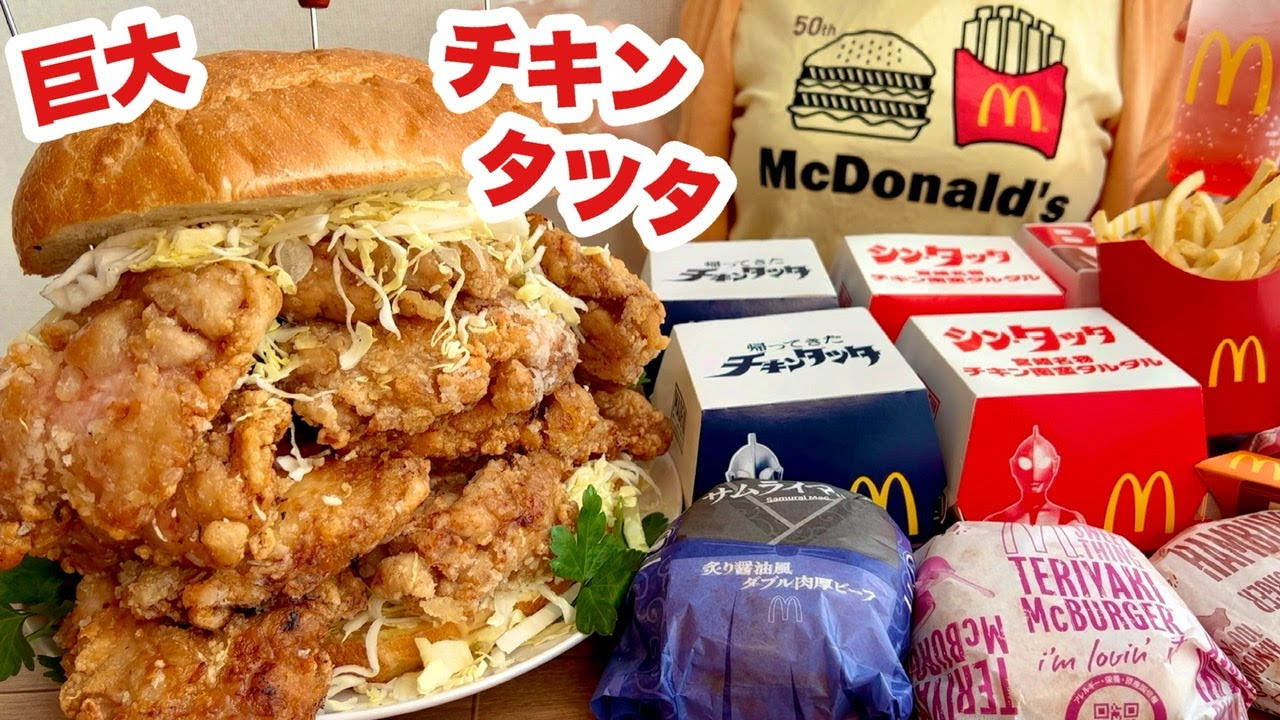
Gluttony" is a culture that continues to thrive in Japan. The "food fight," in which contestants compete in the amount of food they eat and the speed at which they eat it, is a particularly exciting form of "gluttony. Although there was a time when the "gluttony" of eating was considered to be a very pleasurable experience, in reality, it is also a dangerous competition that can result in death... In this article, a former food fight champion talks about the "cost of gluttony. Eating doesn't have to be a competition. Let's just eat slowly and enjoy the food.
Overview of "Gluttony," a unique culture in Japan
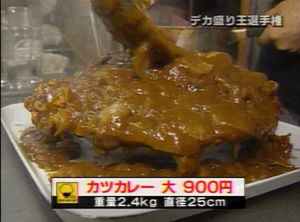
Source: livedoor.blogimg.jp
Started with a TV show
Until the Sunday Big Special (1989 - 1991) and the second half of the TV Champion (1992 - 2002), the National Gluttony Championships, broadcast on TV Tokyo, were programs in which ordinary viewers competed to eat a lot.
TV Tokyo's "National Gluttony Championships" Set Fire to "Gluttony"
Source: www.tv-tokyo.co.jp
Viewers became enthusiastic about the food away from human beings and changed the name to Food Fight as a food sport and it became a big boom.
Source: ja.wikipedia.org
As the king, Takeru Kobayashi, Giant Shirata, Gal Sone and so on started to gain popularity as big eaters.
Source: matome.naver.jp
Dangers of gluttony/food fights
The intestines and other parts of the body are bobbing around...
Frequent allegations of vomiting
One 30-something former food fighter woman posted a blog revealing, "Not fat is a lie, I'm just throwing up."
The blog also leaked that "players were running to the bathroom on the field and vomiting up everything they had eaten.
It was even revealed that someone who couldn't hold out until the bathroom interrupted the filming to vomit, and that his mouth was sealed, causing a brief uproar.
Former Tokyo University School of Medicine lecturer explains the dangers of gluttony

*Image is for reference only.
Increased likelihood of various diseases such as diabetes, obesity, myocardial infarction, stroke, erectile dysfunction, etc.
People with a weak pancreas are prone to pancreatitis, and people with ulcers in the digestive tract are prone to life-threatening emergencies such as sudden rupture of the digestive tract and vomiting or dropping blood due to a bulge in the digestive tract
In addition, "binge eating" can be a symptom of a disease called "psychogenic anorexia.
What is psychogenic anorexia?
Although patients with psychogenic anorexia nervosa have anorexia and eating disorders, they sometimes eat unusually large meals.
After that, they exhibit abnormal behavior such as vomiting and vomiting their own food.
According to Mari Suzuki, professor of endocrinology at the National Graduate Institute for Policy Studies, most food fighters may have an eating disorder.
When I was watching the championships on TV, most of the last five women left were emaciated. Many of them had bony skinned legs as well. I think this means that almost all of them have an eating disorder. If they ate and digested normally, they would almost certainly gain weight. I failed in the qualifying round, but there were actually patients with eating disorders out there," she says.
Professor Suzuki continued, "I can understand if food fighters are competing for time, but what about competing for quantity?
Tomoko Miyake, psychogenic anorexia food fighter

Contents
- Overview of "Gluttony," a unique culture in Japan
- Dangers of gluttony/food fights
- The intestines and other parts of the body are bobbing around...
- Former Tokyo University School of Medicine lecturer explains the dangers of gluttony
- What is psychogenic anorexia?
- Tomoko Miyake, psychogenic anorexia food fighter
- Boom in gluttony subsides quickly
- A fatal accident caused by gluttony occurred.
- Top food fighter, Shirata
- The "gluttony" craze made him a star.
- Retired because gluttony can be pretty hard.