
The entertainment industry has always been shadowed by the shadow of drugs, and there is no end to the number of cases of big-name actors and musicians who have been arrested for their use or possession. While this in itself is an unforgivable crime, it does not diminish the appeal of the works they left behind.
Here is a ranking of the sales of major musicians who have been arrested for drug-related troubles.
Source: 2338.img.jugem.jp
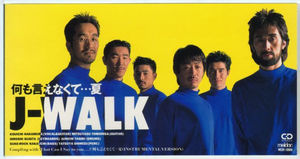
"I can't say anything. summer" (' 91)
Released on July 21, 1991, this is JAYWALK's (then J-WALK) 18th single. Lyrics: Mitsuyasu CHIKU, Music: Koichi Nakamura, Arrangement: J-WALK.
7th place per week (Oricon)
Ranked 32nd in 1992 (Oricon)
Ranked 64th in 1993 (Oricon)
Official] J-WALK "Nothing to Say...Summer
The title track, "Nanakawenakute...Natsu," is a summer version of the song "Nanakawenakute" from the album "Downtown Stories" released in December 1990 with different lyrics, which sold approximately 980,000 copies and became JAYWALK's signature song.
The song became a hit from 1992 to 1993, about a year after its release, and gradually increased in sales from the summer of 1992, reaching No. 10 on the Oricon Chart dated January 11, 1993, the first time it had been in the top 10 since its release. Its highest position, No. 7, was recorded two and three weeks later.
With this song, she made her first appearance at the 44th NHK Kohaku Uta Gassen (Red and White Singing Contest) in 1993.
As of March 10, 2011, one year after his arrest, Nakamura terminated his exclusive contract with his agency, Freeway, after discussions between the two parties, and officially left JAYWALK.
Coincidentally, the scandal occurred on the 30th anniversary of JAYWALK's formation. Not only were the fans disappointed, but also the remaining members and staff "are very saddened by this outcome.
Former JAYWALK Koichi Nakamura Tearfully Announces Return to Office
www.oricon.co.jp
Koichi Nakamura, the vocalist of the former rock band JAYWALK, held a press conference before his solo live in Tokyo for the first time since his return on March 17. Nakamura, who was sentenced to two years in prison with a four year suspended sentence for violating the Stimulants Control Act and the Narcotics Control Act in March 2010 and is still on probation, bowed deeply, saying, "I'm really sorry that I caused so much concern to many people because I did such a terrible thing three years ago," and spoke quietly about the current situation.
After his release, he said, "For the first year, I was hospitalized at a certain hospital for about a month, and then I returned to Nagoya. I was sentenced to two years in prison, suspended for four years, and I thought I'd be given a prison sentence, so I was going to spend two years without doing anything." Regarding his life after that, he said, "I had to support my family. But I couldn't find a job, so I was having a difficult year."
8th Ken'ichi Mikawa (about 150 - 2 million)

Source: images.iflyer.tv
Kenichi Mikawa
Real name: Yoshiichi Momose
Birth: May 15, 1946 (age 68)
Birthplace: Suwa City, Nagano Prefecture
Genre: Enka
Active Period: 1965 -
Representative Songs: "Yanagigase Blues," "Scorpius no Onna," etc,
Representative Songs: "Yanagigase Blues," "Scorpius Woman," etc.
He was arrested for the first time in October 1977 for violation of the Marijuana Control Law.
In that year, "Station" was released and was used for the ending of a drama. After its release, the song was ranked high in wired requests and was said to be Mikawa's first hit song in a long time, but it never became a n hit due to his arrest for violation of the Marijuana Control Law.
He was arrested for the second time in 1984 for violating the Cannabis Control Law. He was sentenced to one year and six months in prison, suspended for three years. Since the cannabis incident, he has appeared on TV less often than before, and he has continued to perform at bars and hot springs in local areas.
Source: blogs.c.yimg.jp
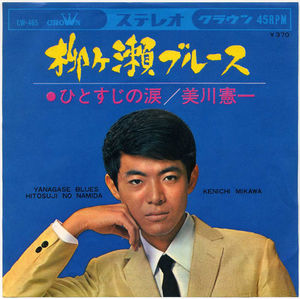
"Yanagase Blues" (' 66)
The third single album released by Ken'ichi Mikawa on April 1, 1966. Lyrics and music by Hideo Usa.
The song was set in "Yanagase," an entertainment district in Gifu City, and since it became a hit with over 1.2 million copies, the place name of Yanagase became known nationwide and Mikawa himself established his position as a star singer.
Yanagigase Blues Kenichi Mikawa
This is Kenichi Mikawa's third single, and it marked a turning point in his career, as he switched from the "youth song" style of his debut to the enka/mood song style. Compared to the "seishun uta-yang" style, this song is darker, and Mikawa himself often said on TV programs that he did not want to sing it at first because of his "upbeat personality.
The song was set in Yanagigase, an entertainment district in Gifu City. The song became a hit, selling more than 1.2 million copies, making the name of Yanagigase well known throughout the country and establishing Mikawa as a star singer in her own right.
Source: www.officiallyjd.com
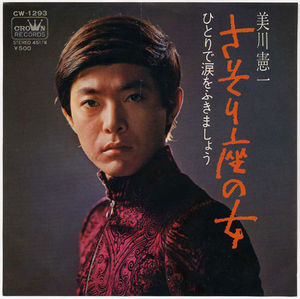
"Scorpio Woman" (' 72)
Ken'ichi Mikawa's 25th single, released on December 20, 1972, is written by Ritsuko Saito, the wife of the president of a band hotel in Yokohama, and composed by Hiroyuki Nakagawa.
It is one of the representative songs of Mikawa along with' Yanagase Blues.'
Originally,' Scorpio no Onna' was supposed to be included as a song for the B side, but Mikawa, who liked the song, directly asked Crown Records to make it for the A side, and it became a hit that sold 97000 copies in Oricon's tally.
"Scorpio no Onna" (Ken'ichi Mikawa)
Mikawa himself is not a Scorpio but a Taurus (born on May 15) man.
In the late 1980s, in the midst of the impersonation boom, Croquette, a leading impersonator, imitated Mikawa, and the two performed together for the first time in the 1989 New Year's Day broadcast of "All Star Laughing Impersonation Kohaku Utagassen! and performed together with Croquette for the first time.
This was the first "appearance by the performer himself," a surprise appearance by a male celebrity in the middle of a song. This appearance drew a huge response and triggered a resurgence in Mikawa's popularity.
"Scorpio Woman" (croquette)
He is deeply indebted to Korokke, who created a chance for him to make a comeback after having been deprived of his business due to his two arrests, and he is still on good terms with Korokke. He has held joint concerts all over the country, and Mikawa himself often says, "I am grateful to Korokke for reviving me from the bottom up."
7th Naoko Ken (about 265 - 3 million)
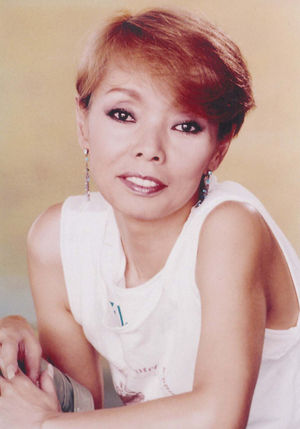
Source: www.sadonavi.net
Naoko Ken
Real name: Naoko Noguchi (maiden name: Asada)
(Naoko Noguchi)
Birth: July 7, 1953 (age 60)
Birthplace: Izu City, Shizuoka Prefecture
Genre: Songs, mood songs
Period of activity: 1971-
Representative Songs: "LA-LA-LA", "Abayo,
Seagull is a seagull", "Natsu no akisatte", "Natsu no akisatte",
Natsu wo akitate (Give up the summer)" etc.
1977 Arrested for violation of the Marijuana Control Law (possession). The case received extensive media coverage, but he denied on twitter in 2011 that he had ever been arrested.
The prosecution was suspended in September. As a result, he refrained from performing for about six months.
@AppBankuso スイマセン、わたくし逮捕された事は一度もありません。気を付けて下さい。
— 研ナオコ (@naokoken77) February 8, 2011
Source: www1.ocn.ne.jp
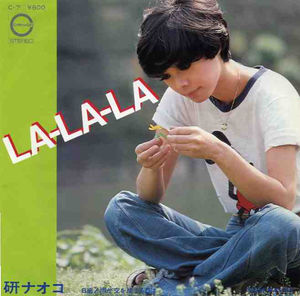
"LA-LA-LA" (' 76)
Naoko Ken's 11th single, released by Canyon Records on June 23, 1976, with lyrics and music by Nakajima Miyuki and arrangement by Kuni Kawachi.
He participated in' the 27th NHK Red and White Singing Contest' for the first time and sang the song.
Oricon: 12th in Best Week
Ranked 75th in fiscal 1976 (Oricon)
Source: suzuenta-etc.up.n.seesaa.net
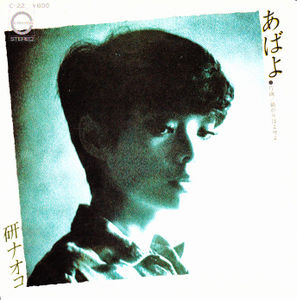
"Abaya" (' 76)
This is the 12th single released by Naoko Ken in September 1976. It is a single cut from the album "Wakumare". Ken himself was the only Oricon to win first place, making it Ken's biggest hit. The lyrics and music were by Nakajima Miyuki and the arrangement was by Kuni Kawachi.
He won the Singing Award of the 18th Japan Record Awards, the Broadcast Music Award of the Japan Song Awards, and the Best Song Music Award of the FNS Music Festival.
#1 of the week (Oricon)
Ranked 46th in 1976 (Oricon)
Ranked 25th in 1977 (Oricon)
[November 1976] Aba-yo / Seventh year: Naoko Ken finally recognized as a singer
www.sponichi.co.jp
[November 1976] Aba-yo / Seventh year: Naoko Ken finally recognized as a singer
It took seven years to reach No. 1, and she was treated as a comedian before she was recognized as a singer.
"As a TV personality, I'm the third, but as a singer, I'm going to Naoko Ken as the second." This is 180 degrees different from the comical style seen in commercials, conte, and on stage. The expression of the singing face, while producing a feeling of fatigue, beautifully expresses the melancholy and loneliness of women. This gap and the works written by Nakajima Miyuki led to the biggest hit in the studio, with record sales of 650000.
Source: www1.ocn.ne.jp
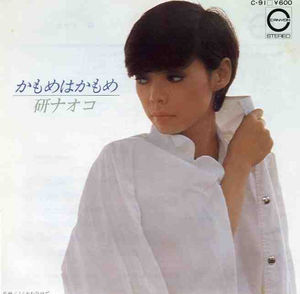
"Kamome-ha Kamome" (' 78)
Naoko Ken's 16th single, which was released in March 1978. Lyrics and music: Nakajima Miyuki, full text: Kei Wakakusa.
Since he had refrained from performing for half a year since September 1977, this was his first single in six months since his previous work, and was a single cut from the album "Kamome no Yoni" (Like the Seagulls).
7th place per week (Oricon)
Ranked 39th in 1978 (Oricon)
10th (The Best Ten)

Related Articles

List of entertainers and celebrities with criminal records and arrest records [Backstory of the World] [No way!
While many people have a glamorous image of the entertainment industry, many others have the impression that it is a "world of darkness. In fact, it is not uncommon to find entertainers with "criminal records and arrests. Their offenses range from drug possession to fraud and extortion, and from minor to serious crimes. Here we introduce a list of entertainers with such "criminal records".
Read Article
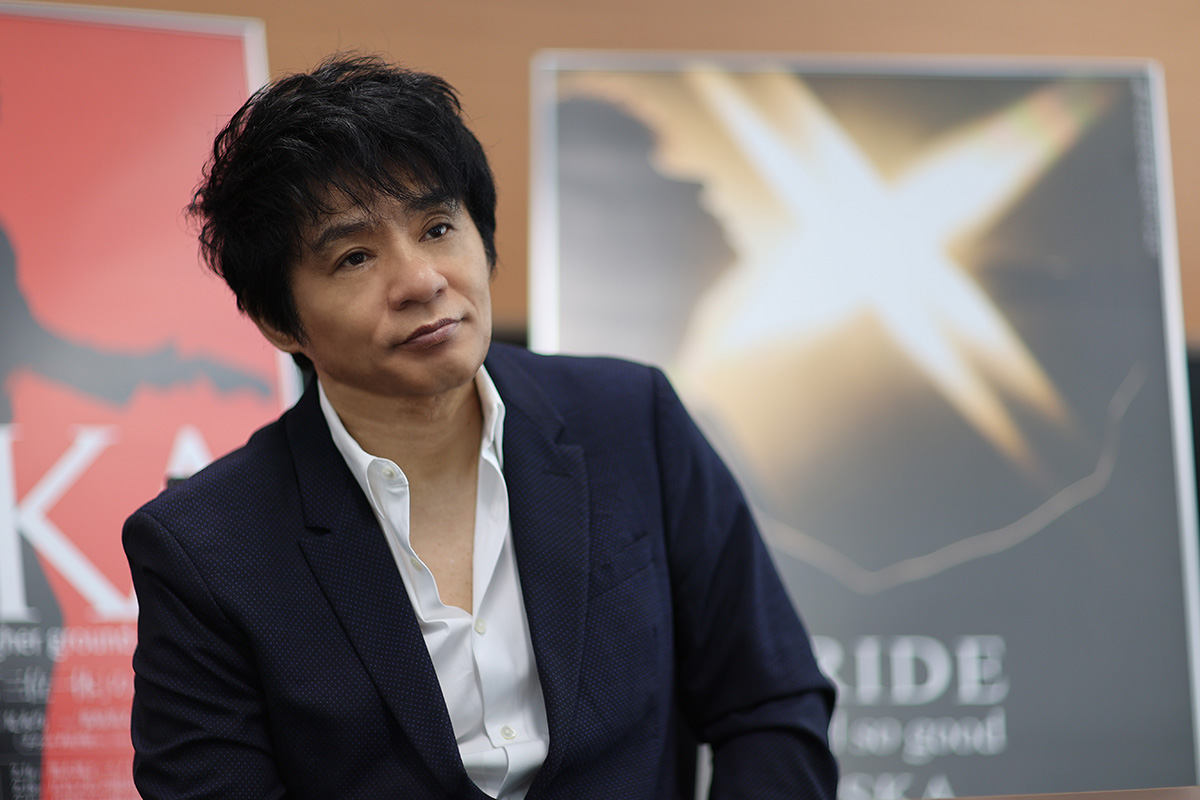
Who is Kasumi Tochinai, who was arrested with ASKA for violation of the Methamphetamine Control Law? A summary of developments after his release
When singer ASKA was arrested on suspicion of violating the Methamphetamine Control Law, a woman who was believed to be his accomplice was also arrested. Her name is Kasumi Tochinai, and there is a testimony that she is related to the music industry. At the time of her arrest, there was a fuss about whether the number of arrests in the music industry would increase.
Read Article

Drugs? A thorough explanation of the "Annaka" that the arrested ASKA is said to have smoked! Drugs?
ASKA of "CHAGE and ASKA" was arrested for possession of methamphetamine. We have compiled a summary of what exactly "annaka" is, along with the circumstances of the case, although the term is unfamiliar to many.
Read Article

Summary of ASKA's alleged methamphetamine use! There were rumors before his arrest.
In 2014, the news that ASKA of CHAGE and ASKA had been arrested for violating the Stimulant Drug Control Law took all of Japan by surprise. Even before this arrest, there had been rumors of drug use by ASKA, which he and his office had stubbornly denied, but there were incidents in interviews and other settings that raised suspicions of drug use.
Read Article
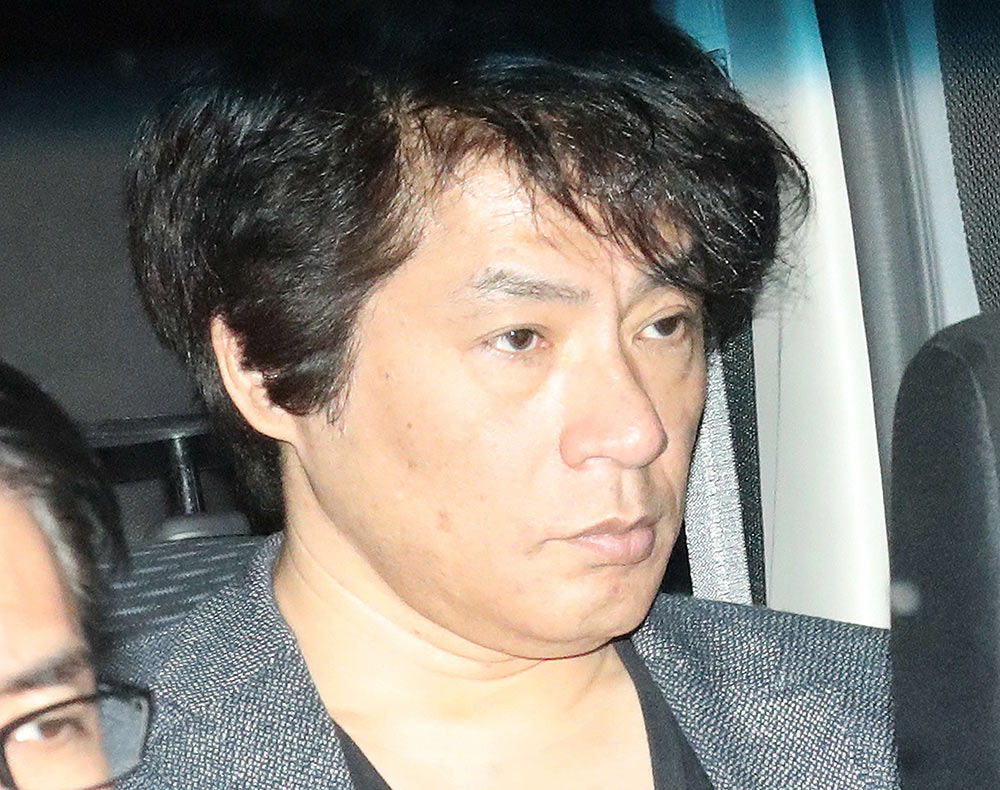
Thorough explanation of why ASKA, arrested for possession of methamphetamine, has an income of tens of millions of dollars a year, and CD collections are meaningless!
ASKA of "CHAGE and ASKA" arrested for possession of methamphetamine Following the arrest, the record company has decided to recall all ASKA-related CDs. ASKA is unable to earn any income from the records, but reports indicate that he still earns tens of millions of dollars a year. Why in the world, we will explain it here.
Read Article
Contents
- ASKA was also arrested on suspicion of possession of methamphetamine.
- #10 Kentaro Shimizu (about 650000)
- 9th PLACE: Koichi Nakamura (* FORMER JAYWALK) (APPROX. 150 - 2 million)
- 8th Ken'ichi Mikawa (about 150 - 2 million)
- 7th Naoko Ken (about 265 - 3 million)
- 6. Yasuyuki Okamura (approx. 250 - 3 million)
- 5th Yutaka Ozaki (about 1,037 - 10.5 million)
- 4. Yosui Inoue (approx. 1,580 - 16 million)
- 5th Noriyuki Makihara (about 2,075 - 21 million)
- 2nd PLACE: Tsuyoshi Nagabuchi (APPROX. 2,120 - 21.5 million PIECES)
- #1 Aska (* from Chage and Aska) (about 3,100 to 31.5 million pieces)