
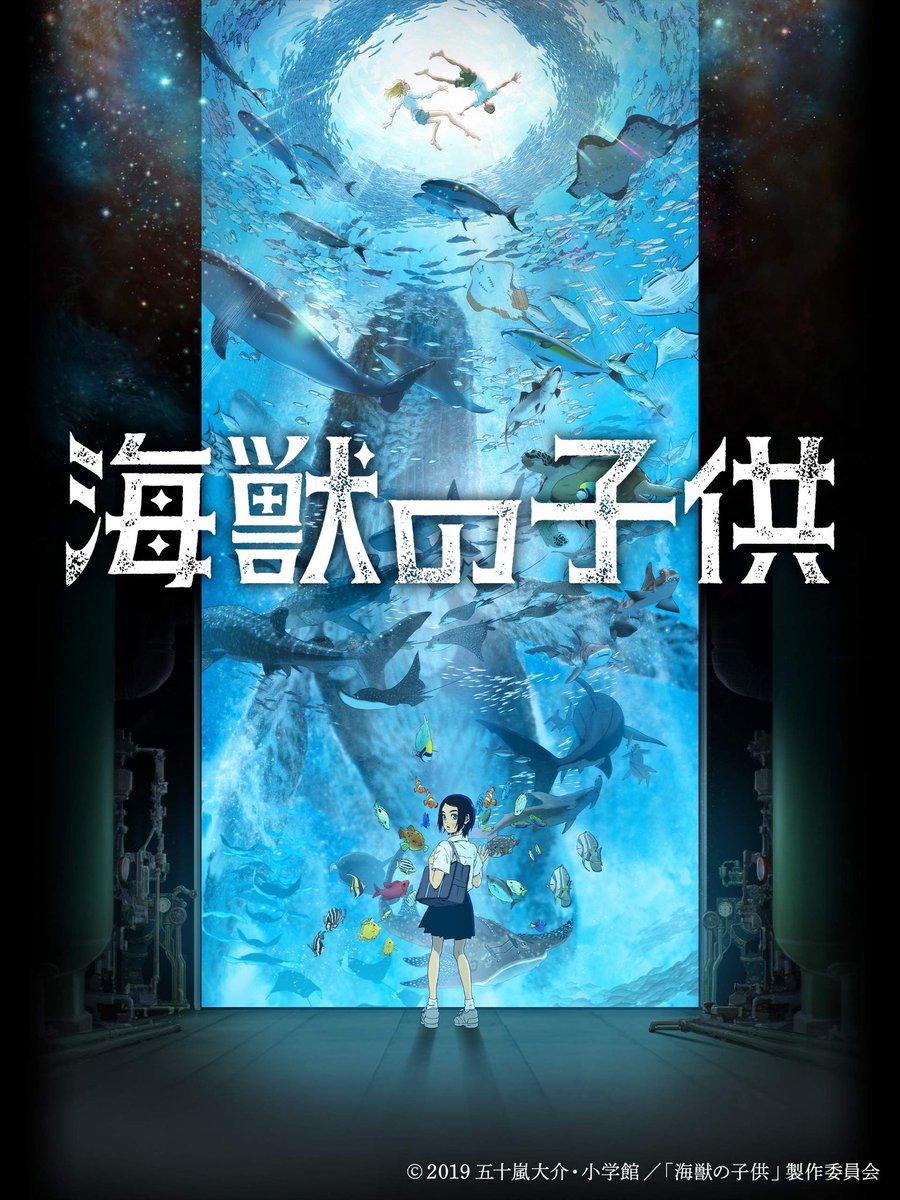
Children of the Sea" is a fantasy story based on a myth about the sea, and is the first full-length manga work by Daisuke Igarashi, as well as the first animated film of the same name based on the manga. The manga was serialized in the monthly manga magazine "IKKI" published by Shogakukan from February 2006 to November 2011. The film was directed by Ayumi Watanabe and was released in 2019 with Aina Ashida voicing the main character, Ruka Yasumi. The film tells the story of a summer in which the main character, Ryuka, a junior high school student, becomes involved with Umi and Sora, children raised by dugongs, and becomes entangled in unrealistic experiences in the natural world of the ocean.
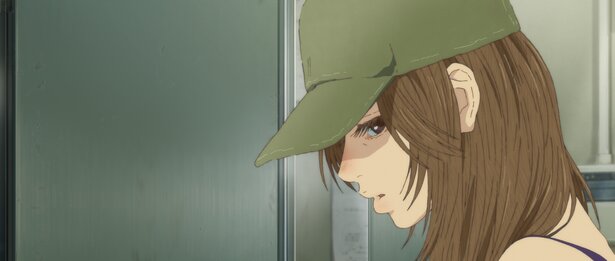
Kanako opened her heart to Dedé and told her that she had a different way of looking at the world than other people. Her way of looking at the world is the same as that of Ryuka, Angrad, and Dedé. Kanako's way of looking at the world is not defined by "death" and is a necessary point of view to feel a world where life is being reborn.
About a week after the disappearance of Ryuka and Umi, Dedé and Kanako followed the same procedure on the same ship that Angrad was on.
Dedé asks Kanako, "Why did you come with me?" Kanako answers, "I met you for the first time, but somehow I thought you knew me."
Dedé said to Kanako, "You know that the world of the sea is different from our world. It's right next to us, but there are things that can't even breathe each other. The sea is' higan' (equinoctial week). And the woman's body is connected to higan. You must know that. The woman's body is the path that pulls life from higan to this side. In fact, women are experts about the sea. That's why we always get to Ryuka." Kanako laughed at this remark for the first time and said, "If you are a Dedé, you might understand me." She said this when she expressed her true feelings.
Kanako said, "Most of what I see is not human. Most of the world is made of' things that are not human,' isn't it? So I see more things that are not human. But apparently that doesn't work. I only see the world in proportion, but apparently other people are different. Ryuka looks like me. I wonder if Ryuka is the same as me." In response, Dedé said, "Me, too. Angrad, too. We are like each other."
Ryuka: "To die means to be born in another world?"
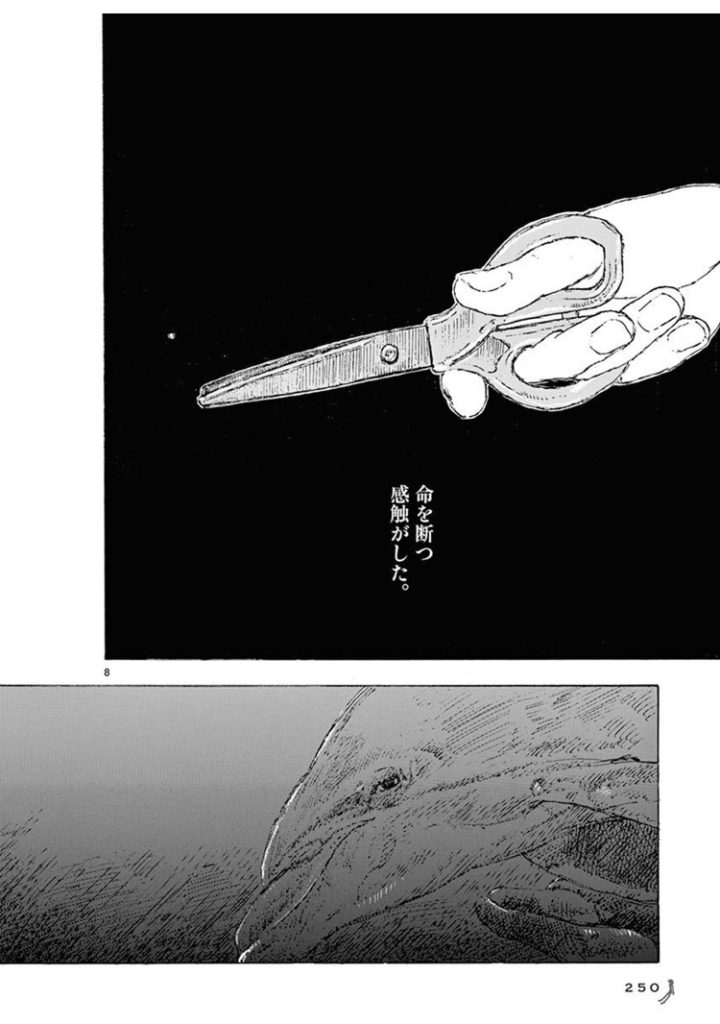
When Kanako gave birth to her baby, Ryuka asked Kanako after cutting the umbilical cord of the baby. This is a phrase that shows that Ryuka, who witnessed the birth festival, regarded the birth not simply as a birth but as a rebirth from another life.
After coming to the hospital with Kanako, Ryuka was told by Kanako to cut her umbilical cord. When she did so, she felt a "life-slashing sensation." Seeing the birthday festival, Ryuka knew that life could be reborn and thought about another life that might have disappeared.
Kanako explains to Ryuka how babies are born, saying, "In the womb, they breathe in the amniotic fluid, and as soon as they are born, they start breathing in the lungs, so it's like a sea creature being reborn as a land creature." Ryuka asks Kanako, "Is dying the same thing as being born in another world?" Kanako answers, "Is it like the front and back of the same thing?"
"Kaiju no Kodomo" (Children of the Sea Beast): Behind-the-Scenes Stories, Trivia, Small Stories /
The Secret Story of the Birth of the Manga Kaiju no Kodomo
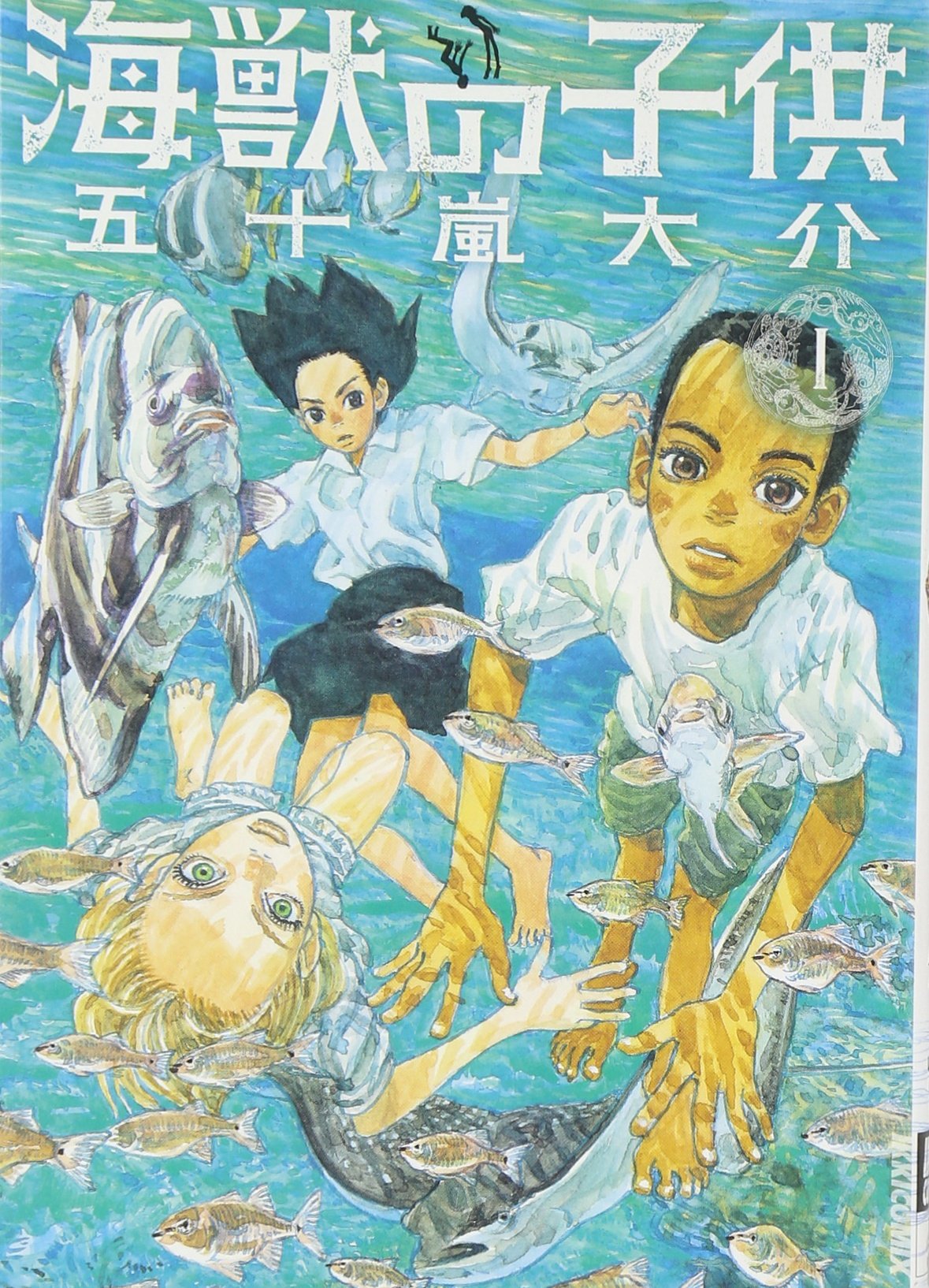
When the author, Daisuke Igarashi, traveled alone to Iriomote Island in Okinawa Prefecture, he became interested in the beautiful sea of Okinawa Prefecture and the creatures living there. He also became inspired by the lifestyle of living in harmony with nature that he had come into contact with in Iriomote Island, the custom of even young people to place their hands on a Buddhist altar when they visit someone else's house, and the traditional performing arts and festivals.
The story follows a general flow of "a story about a boy raised by a dugong and a girl who meets the boy." The story is based on the worldview of Igarashi's favorite poet, Shinpei Kusano, who wrote a poem called "Tanjosai" (Birth Festival), which describes how frogs are singing in a mountain marsh. The story is about a boy and a girl heading for the festival.
"STUDIO4 ° C" produced overwhelming image beauty
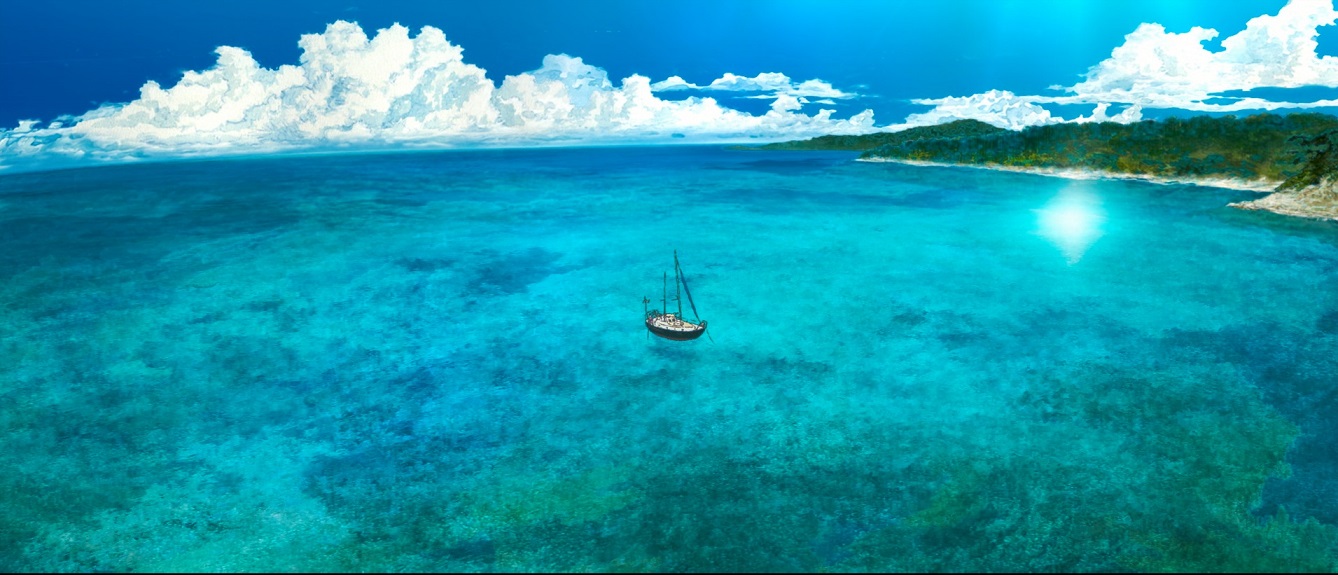
The animation production of the animated film "Kaiju no Kodomo" is handled by STUDIO4 ° C, a production company that has been attracting anime fans with innovative video expression.
STUDIO4 ℃ is an elite creative group led by Eiko Tanaka, the line producer of Miyazaki Hayao's "My Neighbor TOTORO" and "KIKI'S DELIVERY SERVICE." It also produces animation for Masaaki Yuasa's "Mind Game," which won the Media Arts Festival Grand Prize in 2004, and Michael Arias's "Tekkon Kinkreet," which won the Japanese Academy Award for Best Animated Film in 2006.
The film adaptation of The Children of the Sea-Beast began six years before the film's release and was produced over a long period of time using a combination of hand-drawn and computer-generated animation.
Theme song and inserted song of "Kaiju no Kodomo"
Theme song: Kenshi Yonezu "Umi no Yurei"
It is the theme song of the animation movie "Kaiju no Kodomo" (Children of the kaiju).

Related Articles
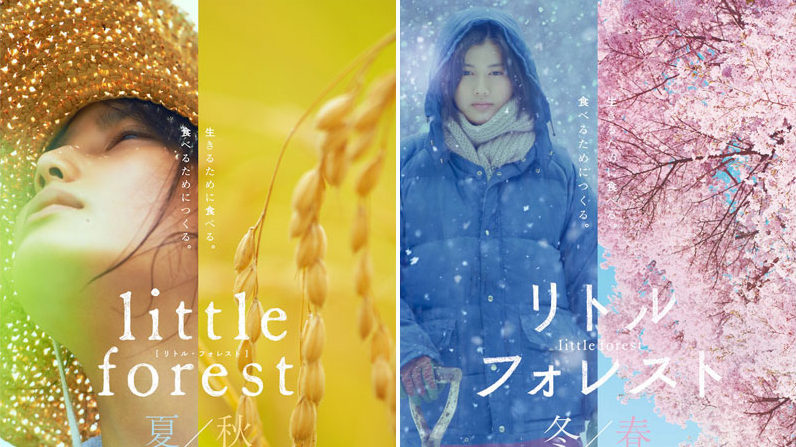
Little Forest (manga and film) Spoiler Commentary and Discussion Summary
Little Forest" is a human drama about the growth of a main character, directed by Junichi Mori and starring Ai Hashimoto, based on a manga and comic strip by Daisuke Igarashi. The manga "Little Forest" was created based on the author's real-life experiences and serialized in "Monthly Afternoon" published by Kodansha from December 2002. The "Little Forest" movie is a four-part series: "Summer" and "Autumn," released in August 2014, and "Winter" and "Spring," released in February 2015. The film tells the story of the main character Ichiko, who lives in a small village in the Tohoku region of Japan, as she faces nature and reexamines herself.
Read Article
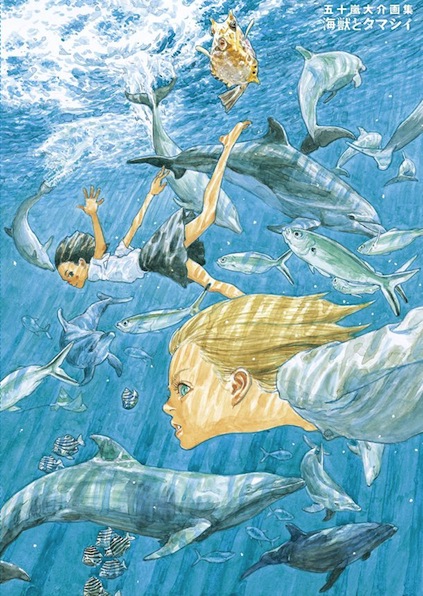
Overwhelming! The World of Daisuke Igarashi
This is a summary of Daisuke Igarashi, a Japanese manga artist who depicts the connections between people, nature, and the things that lurk therein based on his high artistic ability.
Read Article
Tags
Contents
- Outline of "Kaiju no Kodomo"
- Outline and story of "Kaiju no Kodomo"
- The Encounter of Ryuka and the Sea
- Sea and sky
- Sea Ghost
- Hoshi no Uta
- Angrad
- Primitive faith
- Dedé and Kanako
- In the sea.
- Later Ryuka and others
- Characters from "Kaiju no Kodomo"
- Ryuka Ankai
- Sea
- Empty
- Jim Cusack
- Angrad
- Dedé
- Masaaki Yasumi
- Kanako Yasumi
- Jean Louis
- Term for "children of the sea beasts"
- Umi no Kodomo
- Sea Ghost
- Meteorite
- Rasetsu
- Creation myth
- Primitive man
- Birthday festival
- Words, lines, scenes and scenes of "Kaiju no Kodomo"
- Kanako: "Most of what I see is not human. Most of the world is made of' things that are not human,' isn't it? So I see more things that are not human. But apparently that's not good. I just see the world in proportion, but apparently other people are different."
- Ryuka: "To die means to be born in another world?"
- "Kaiju no Kodomo" (Children of the Sea Beast): Behind-the-Scenes Stories, Trivia, Small Stories /
- The Secret Story of the Birth of the Manga Kaiju no Kodomo
- "STUDIO4 ° C" produced overwhelming image beauty
- Theme song and inserted song of "Kaiju no Kodomo"
- Theme song: Kenshi Yonezu "Umi no Yurei"