
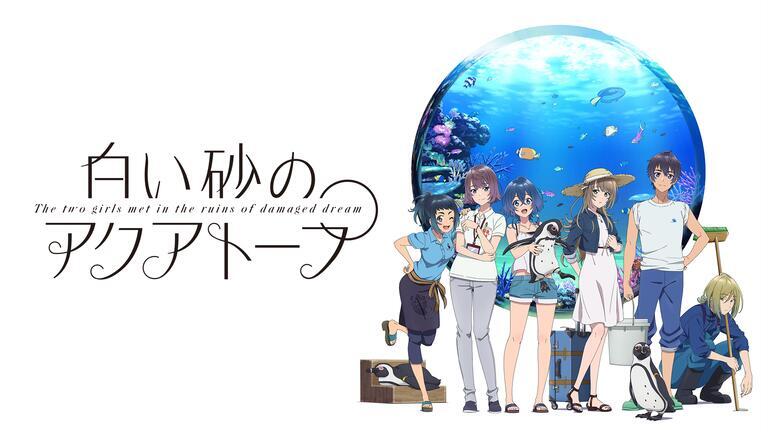
White Sand Aquatope" is an anime work produced by P.A. WORKS that was broadcast in the summer of 2021, depicting the interaction between two girls at an aquarium.
Kukuru Umisakino, who lives in Okinawa, struggles against the looming crisis of the aquarium's closing as the aquarium's deputy director. Meanwhile, Miyazawa Kazehana, who was born in Iwate, breaks her dream of becoming an idol and comes to Okinawa on a heartbreaking trip by herself. With nowhere to go, Fuka asks for a job at the aquarium, and Kururu, sensing her enthusiasm, agrees. The two girls struggle to rebuild the aquarium.
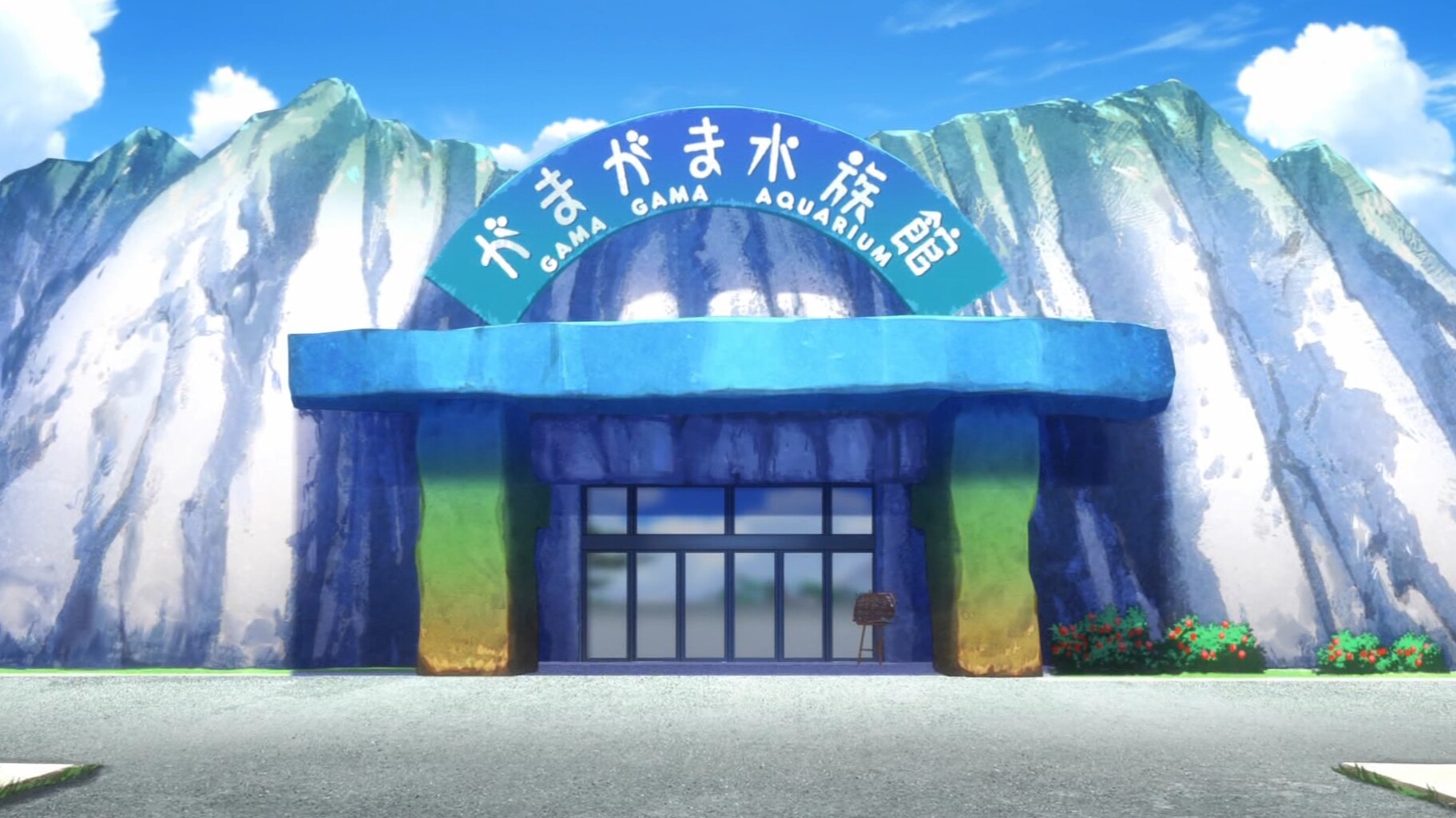
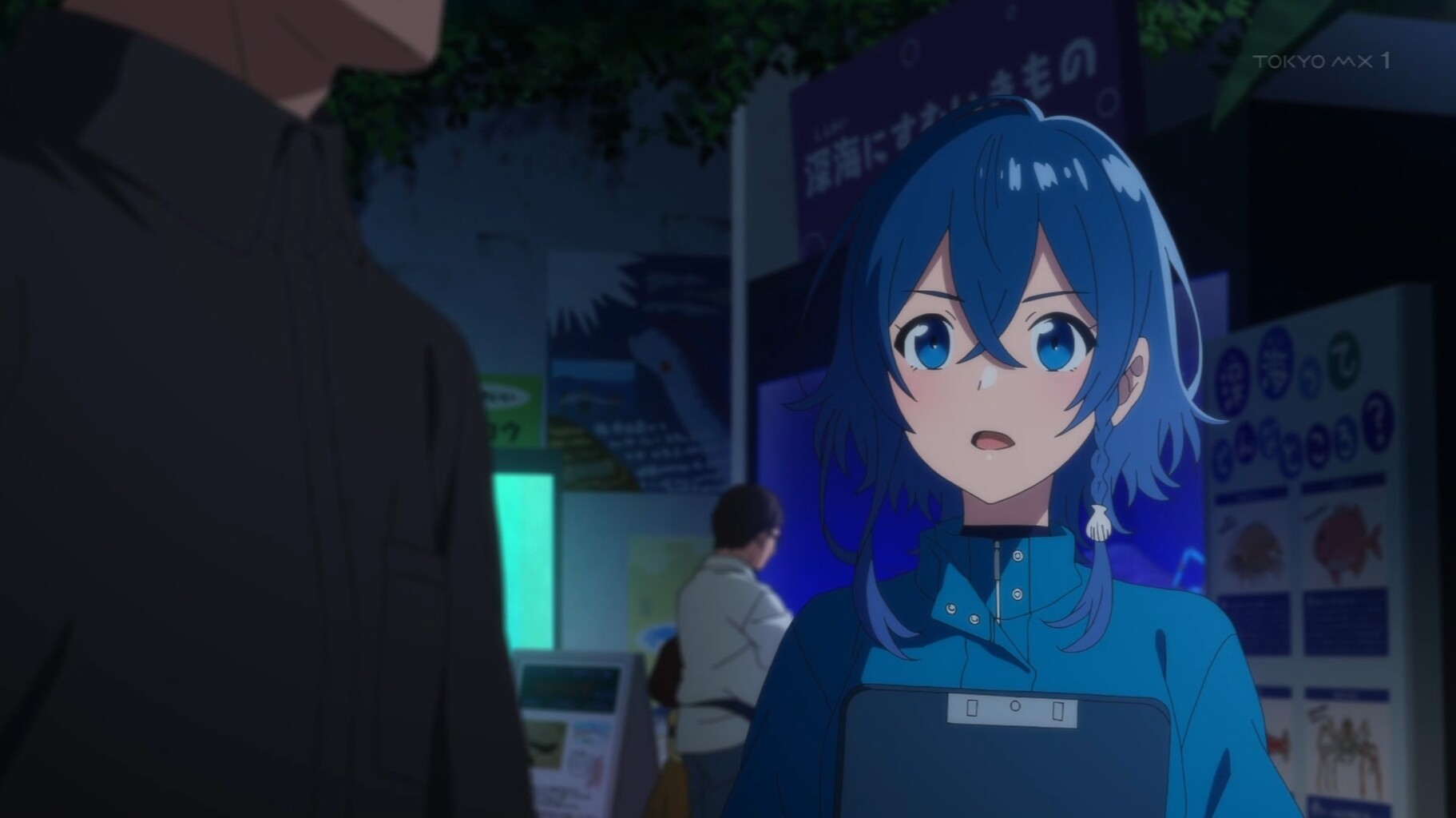
An aquarium in Okinawa, where the old man is the director and Kukuru is acting for him, is on the verge of closing down due to a decrease in the number of visitors, and all the employees are struggling to avoid this.
The entrance is the hollow of a huge Gajumaru tree, and it seems that Kidzimner, who appears in the story, originally lived here.
Okinawa Dialect of "White Sand Aquatope"
Kukuru "Maktoosou ke-nankurunusa"
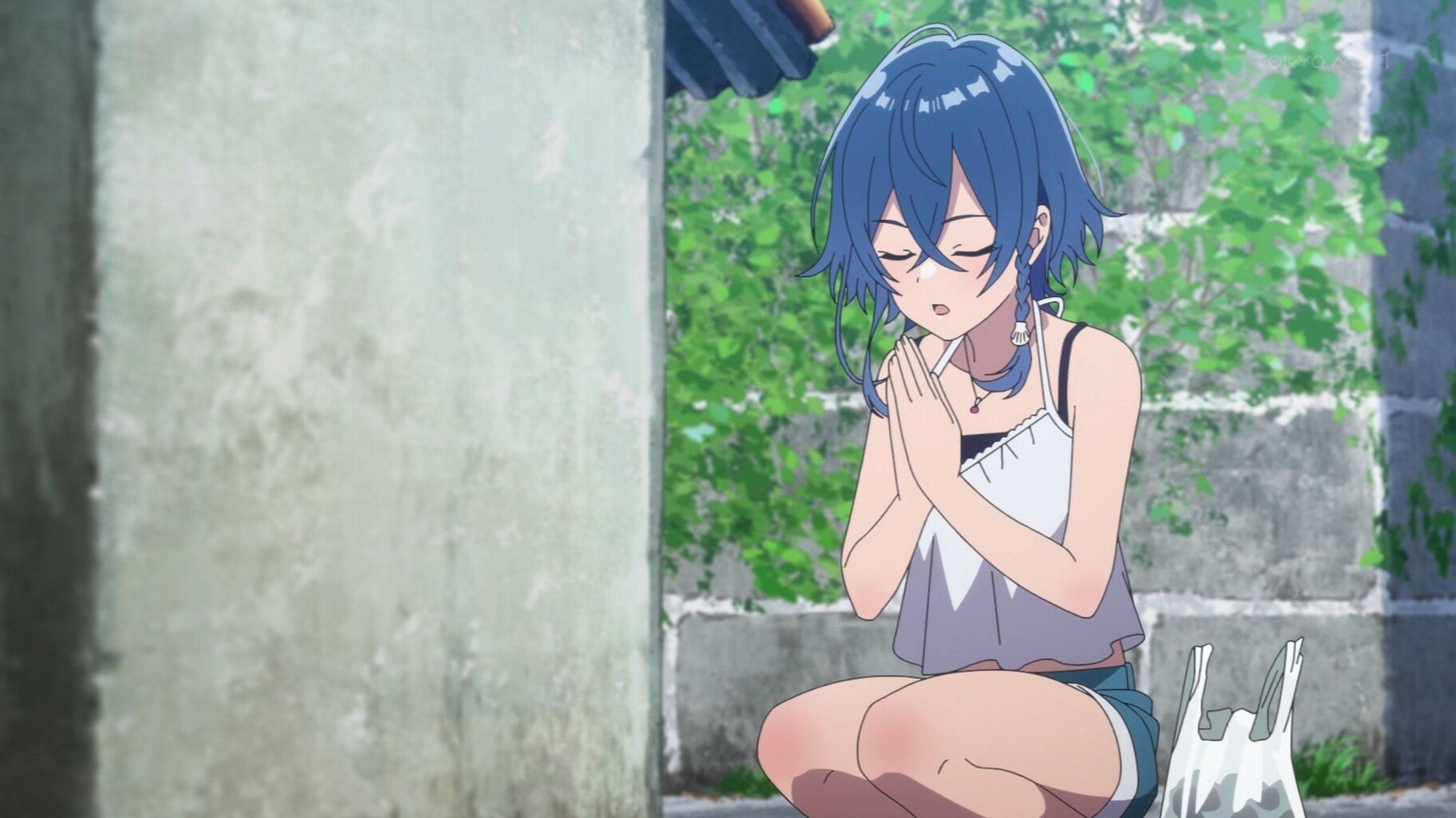
From the first episode, the words spoken by Kukuru while dedicating a fish head to a hokora (a small shrine).
"Makitou" means "sincere action (right action)," "sokei" means "because you do it," and "nankurunusa" means "something will be done," and if you continue, it becomes "something will be done because you are doing the right thing."
It is more of a proverb than a colloquial word, and if you look for a similar word in standard Japanese, it says, "Do your best and wait for God's will." It can be said to be a kind of optimism, but it also shows the earnest character of the Okinawans.
Satsuki' ichiribachode'
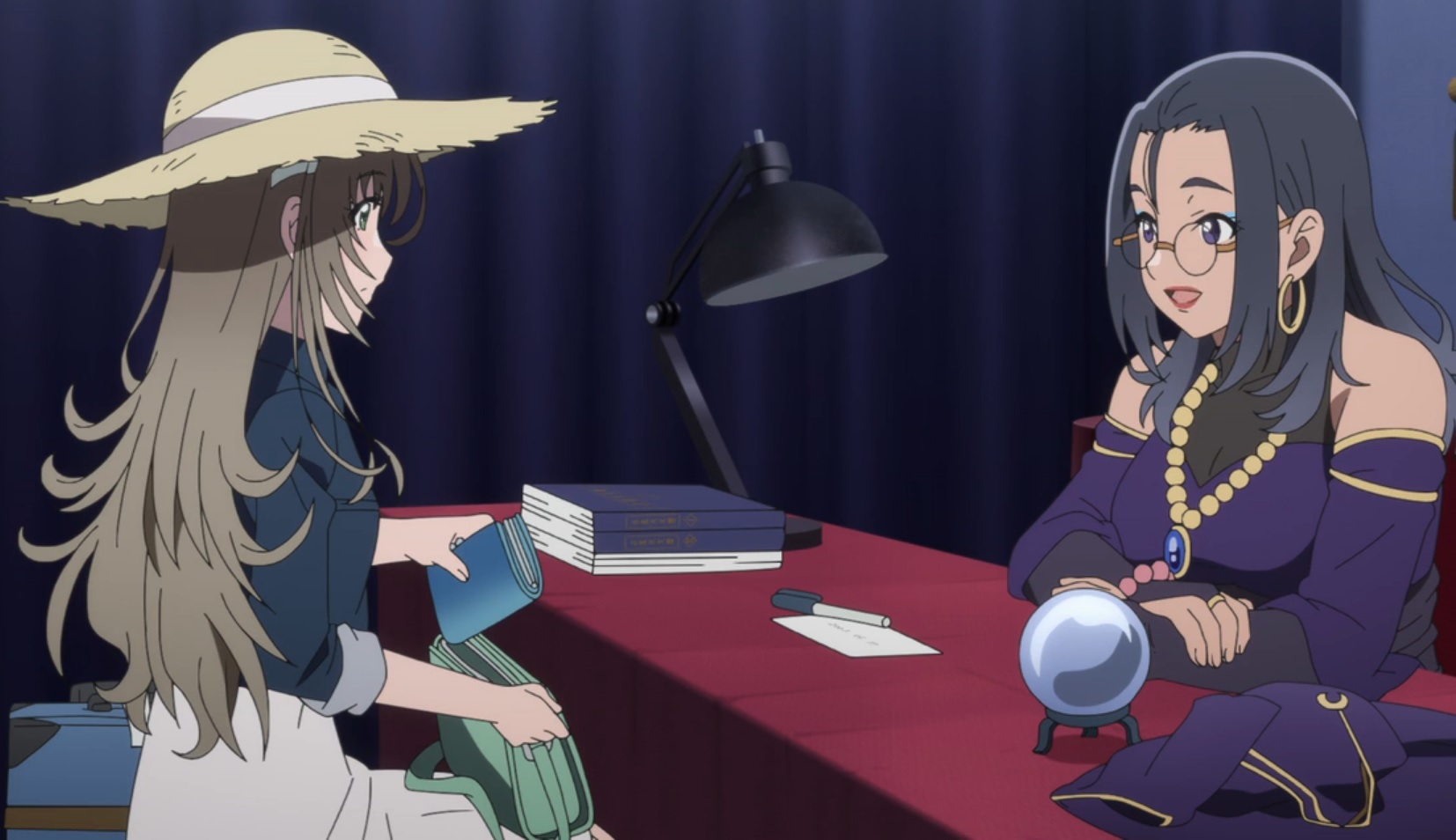
From Episode1. This is what the fortune-teller Meisa, or 月美's mother Satsuki Teruya, said to Fuka, who was about to pay the fee for fortune-telling, while declining to do so.
"Icha-ba" means "arita-ba (arita-ba)," and "cho-de-u" means "brothers," which means "once you meet, you are like a brother."
In the harsh environment of typhoons every year, the people of Okinawa have worked together to overcome this and have developed a cheerful and friendly prefectural character. When you meet someone, your brothers and sisters are the same, so it's natural to laugh together, grieve together, and help each other when you are in trouble. This is a dialect in which you can feel the strength and gentle consideration of the people of Okinawa.
Female Customer "Churawagi"
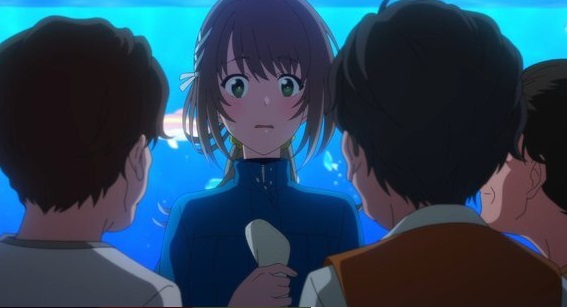
The fact that Fuka was a former idol became widely known in the town, and people gathered at the Gamama Aquarium almost like they were on a hiking trip. When they gazed at the rumored Fuka, they began to say, "Chura-ka-gi-sa." Fuka, who did not understand the meaning of the words, was only confused.
"Chura" means "beautiful," "Ka-gi" means "face" or "appearance," and "sa" is an auxiliary verb equivalent to "-- da." If you continue, it means "beautiful," and the characters in the story tell that Fuka has a very well-groomed appearance.
It should be noted that' yanaka-gi' means' ugly.'
Satsuki "Akisamiyo"
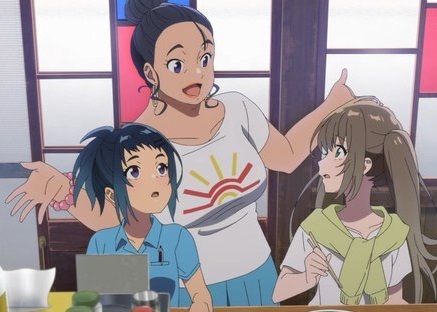
This is what Satsuki said when he met Fu Hua again at Kameh.
In the Japanese language, it means "Oh, my God." It is called an exclamation point.
The word itself does not have much meaning, but the fact that she is able to deal with a Fuka that she has only met once shows that she is a woman with a friendly personality.
Satsuki "Ama-san"
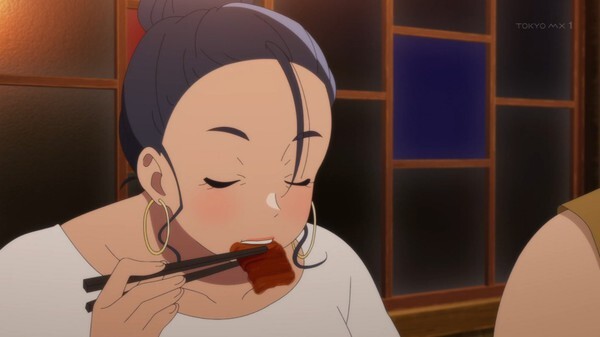
This is what Satsuki said when she ate Tsukimi's mango rafuteh.
Ama-san' means' sweet,' and it is a word used by those who do not like sweets to say that if they eat rafuteh with a lot of mangoes, they will be satisfied.
Immediately after this scene, the word "magii" that Satsuki said to Tsukimi is also in the Okinawan dialect, meaning "big" or "fat." Since the characters of the young generation of Kukurukachi speak a language close to the standard language, it seems that Satsuki often speaks the Okinawan dialect.
Words, lines, scenes and scenes from "White Sand Aquatope"
Fuka "Leave me here!"
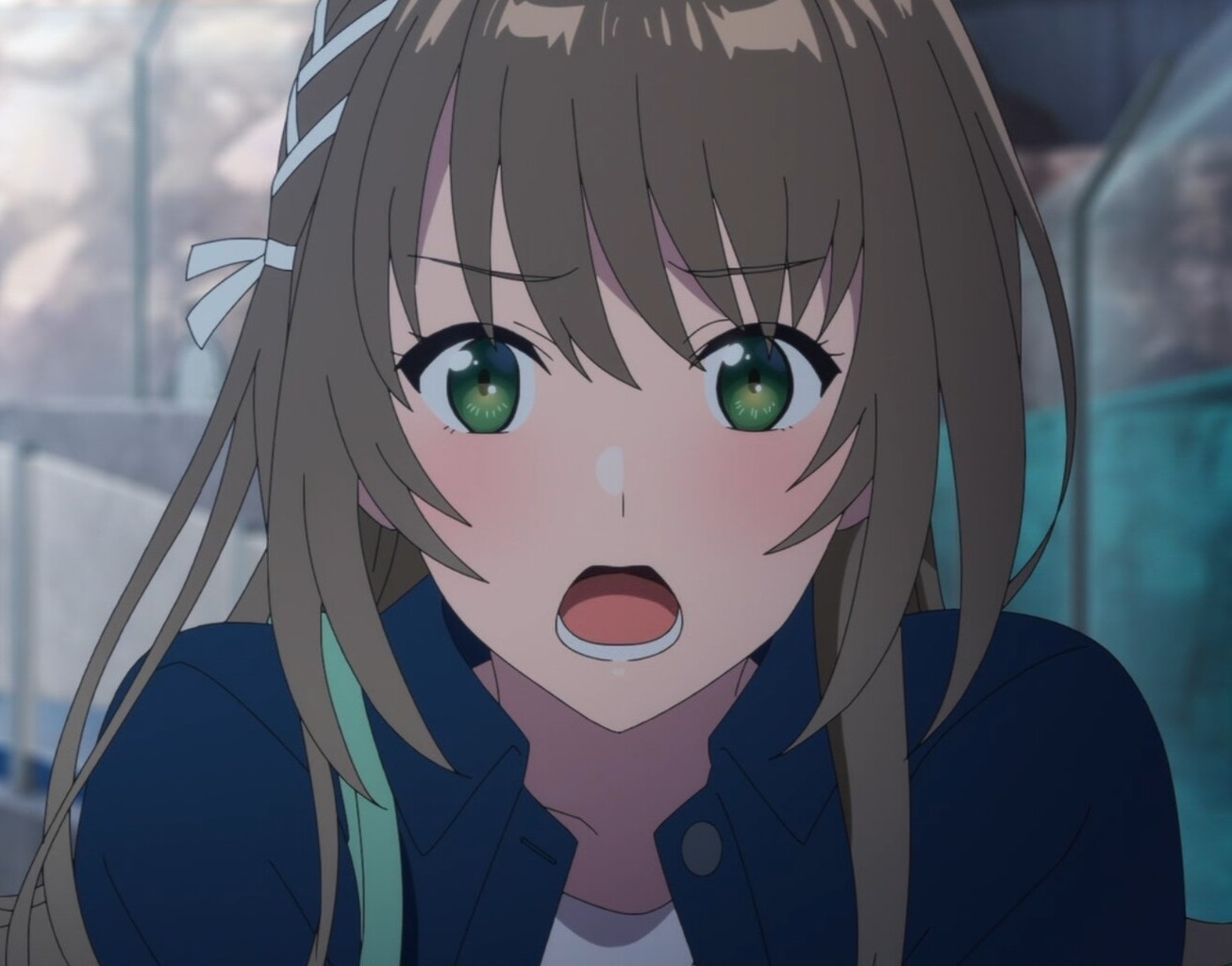
The last of the first episode is a word that Fuka uttered toward Kukuru.
Fuka, who had left Tokyo and never returned to his home town, was escorted by 夏凛 to visit the Gama Gama Aquarium. Fuka, who learned of the warm and cool atmosphere and the fact that Kurukuru's people were suffering from a labor shortage, suddenly said, "I want you to leave me here and let me work."
The dream of an idol is broken, and Fuka, who was half lost, takes a new path. At the same time, the story of "Aquatope of White Sand" begins in earnest. Her desire to go from the passage of the gloomy aquarium to the work space in the strong light is a metaphor for "going from the darkness of despair to the light of hope."
Even though she is always pulling her around, she is always surprised at this time, and if you change your point of view to her, it will be a confusing scene.
"Come again next year, and I'll keep doing it."

Contents
- Outline of "White Sand Aquatope"
- Outline and story of "White Sand Aquatope"
- Part 1: The Gama Aquarium
- Part 2: Aquarium Tin Gala
- Characters from "White Sand Aquatope"
- Employees of Gamama Aquarium
- Umi 咲野 no Kururu
- Fuka Miyazawa
- Shikuya YAKAMA
- Grandfather
- Gosuke GUDEN
- Aquarium tin Gala
- Akira Hoshino
- Haebaru BarA
- Tetsuji Suwa
- Garando Bondo
- Kaoru Shimabuku
- Maeda Syuri
- Yonekura Marinade (Yonekura Marinade)
- Eiji Higa
- Friends of of Kururu
- Teruya 月美
- 夏凛 KUDAKA
- Nakamura Kai
- Other
- Satsuki Teruya
- Eri Miyazawa
- Maho Nakamura
- Takeshita
- Kamisato
- Chinenrui
- Haebaru Shizuku
- 城居 Ruka
- Miura Kyoko
- Guden misaki Cape
- Kidzimner
- Term for "white sand aquatope"
- Gama Ma Aquarium
- Okinawa Dialect of "White Sand Aquatope"
- Kukuru "Maktoosou ke-nankurunusa"
- Satsuki' ichiribachode'
- Female Customer "Churawagi"
- Satsuki "Akisamiyo"
- Satsuki "Ama-san"
- Words, lines, scenes and scenes from "White Sand Aquatope"
- Fuka "Leave me here!"
- "Come again next year, and I'll keep doing it."
- Theme song and insert song of "White Sand Aquatope"
- OP (opening): ARCANA PROJECT "Tayutae, Nanairo"
- ED (ending): Mia REGINA "Gekkai no Yurikago" (Gekkai's cradle)