
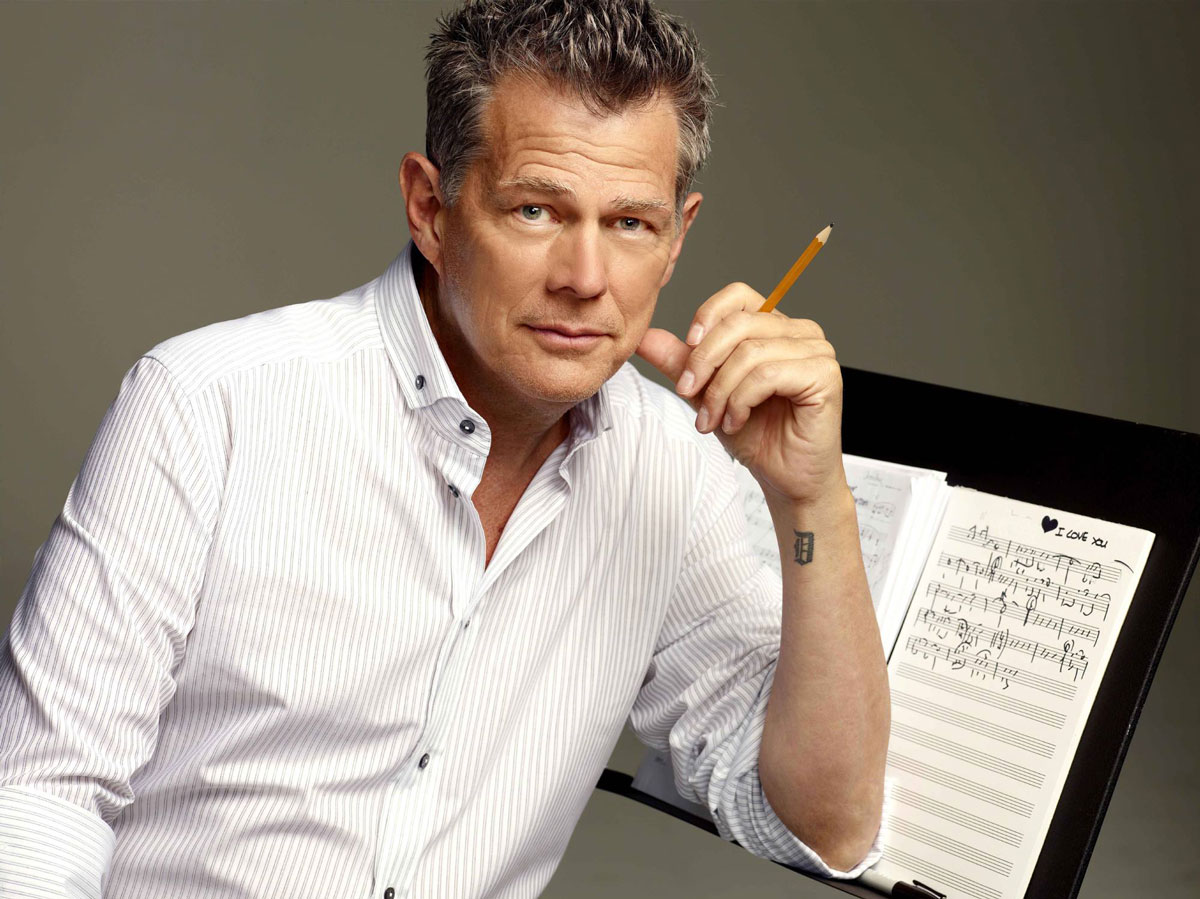
David Walter Foster (born November 1, 1949) is a Canadian musician, composer, arranger, and record producer. In 1978, he formed "Airplay" with Jayg Laydon. Since then, he has written and produced music for numerous artists, earning him the nickname "Hitman. He has been nominated for 47 Grammy Awards, winning 16 of them. He is one of the world's most successful producers, selling over 500 million records worldwide.
David Foster Overview
David Foster (David Foster) was born on November 1, 1949. He started as a keyboardist in the 70s. Soon after, he worked with big musicians such as Barbras Tri-Sand and George Harrison. In 1979, he formed "Airplay" with ジェイグ Reid. In the same year, he produced "After the Love Has Gone" by Earth Wind & Fire, which was the second biggest hit in the U.S. and won the first Grammy Award and the Best R & B Song. In 1982, he produced "Hard to say I'm sorry, I can't be honest," which was No. 1 on the U.S. Billboard Chart and brought a dying band back to life like a phoenix. Foster, who is good at ballads, provides music to many artists and produces many hits during this period. He also worked on a wide range of film soundtrack work. In particular, the soundtrack for the 1992 film "Bodyguard" sold a total of 5000 copies worldwide and won three major categories at the Grammy Awards. Among them, Whitney Houston's "I will always love you" won the No. 1 in the U.S. for 14 weeks in a row. It was the longest hit on the Billboard Chart at that time. After the 90s, he found Celine Dion and Josh Groban, and is the world's best producer who continues to be active even now.
History of David Foster's activities
He joined Chuck Berry's back band in 1966 and formed his own band "Skylark" in 1971, making "Wild Flower" the 9th biggest hit in the United States. He moved to Los Angeles in 1974, where he suddenly found a job with a super-bigwig. Jim Keltner, a well-known drummer, introduced him to Ringo Starr, and he was lucky enough to play just one piece of the piano in the album "Good Night Vienna." In the following year, 1975, he played George Harrison's album "Extra Texture" and a year later played Fender Rose and Clavinet in Harrison's album "Thirty & 1/3." He also played with famous bigwigs such as Barbras Tri-Sand and Paul Anka. He also formed "Attituers" with Jim Keltner and Danny Kortchmar.
1970s - Started production activities
David Foster's First Production
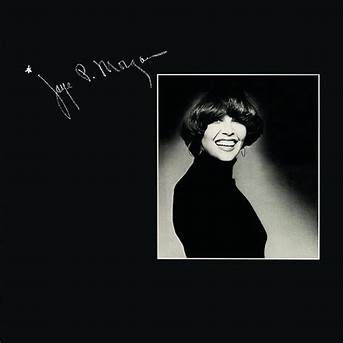
In 1977, he produced the first album of his 13-year-old prodigy brother, Keene Brothers. For a long time, this was thought to be Foster's first production. In fact, when AOR critic Toshiki Nakata interviewed him in 1994, he asked, "Is it OK if the first album I worked on is the first album of Keene Brothers?" Foster answered, "Yes, that's right. Wait, you produced Jaye P. Morgan before that. the album wasn't released." However, the album was released in 1976 in a form that was almost independent production. The album "Jaye P. Morgan", which Foster himself had never seen, was considered extremely rare even among Japanese fans, but it was made into a miraculous CD in 2000. This album was Foster's memorable first production work, and the content was made into a gorgeous finish with a large number of musicians, who were the greatest number as of 1976.
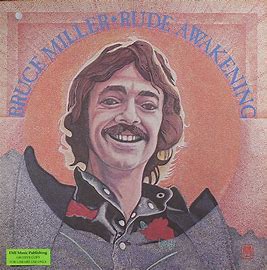
In recent years, however, an even older production has been discovered: Canadian folk singer Bruce Millar's 1975 first album, "Rude Awakening," which was released only in Canada-but backed by top Los Angeles studio musicians, and emblazoned with Tom Scott's sophisticated saxophone throughout.
David Foster and Disco Music
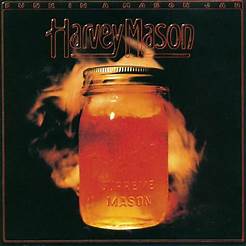
David Foster produced a number of disco songs around the time of his 1979 Earth Wind & Fire album "I am Apocalypse," which featured a brilliant blend of white and black music. In 1977, Harvey Mason's third solo "Funk in a Mason Jar," "Till you take my love," which he arranged and played, became a big hit on the R & B chart, and in 1979, he also participated in Mason's second album "Groovin you."
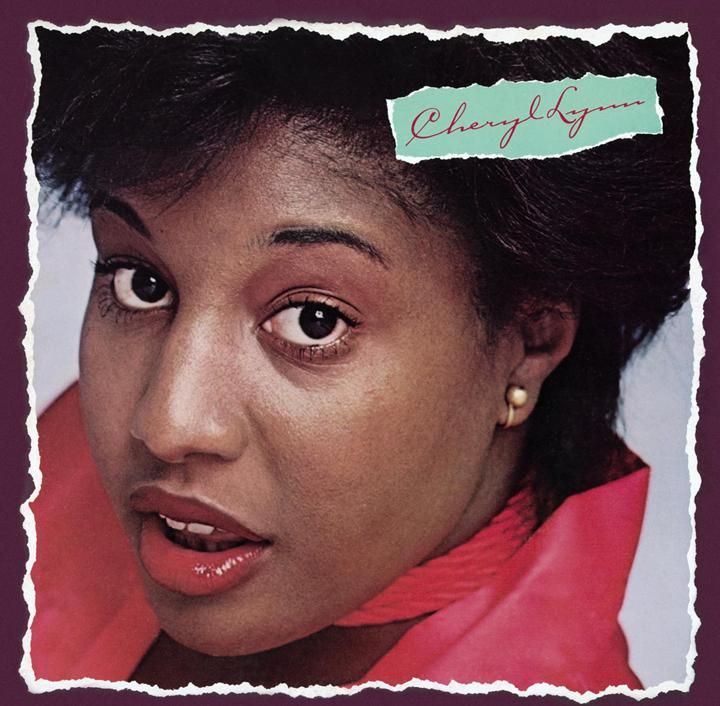
In 1979, he made his debut under Maurice White of Earth Wind & Fire, and in the 80s, he produced the third work of the diva "Denise Williams" which was a smash hit of "let's here it for the boy" on the soundtrack of the film "フットルース".
Around the same time, "GATT To Be Real," which produced the debut movie of "Cheryl Lynn" through a strong collaboration with TOTO's David Paich, took advantage of the disco boom that was at the height of its prosperity at that time and became the number one hit on the U.S. Billboard R & B chart and the 12th hit on the general chart.
The year 1978 was also a busy year for Foster. He produced all of Alice Cooper's "Closed World". Although it was a unique collaboration with Kiwamono Hard Rocker, it became a work that utilized the features of both Foster and Cooper, proving the wide range of Foster's music.
"It's the falling," co-written with Carole and included in Carole Bayer Sager's second solo "… Too," has since been covered by Michael Jackson and many other artists.
Produced Bill Champlin's first solo work, "Single Aristocrat", which became independent from the Sands of Champaign and later joined the Chicago Board of Directors. Although it was not a hit in terms of sales, the album received high praise from AOR freaks for its high quality.
He also produced "Along the red ledge" by Hall & Oates. "it's a Rough" was ranked 20th in the U.S. and became the first smash hit by the producer and Foster. In the following year, 1979, "X-Static" was also produced by Foster again, and "Wait for me" rose to 18th in the U.S. Around this time, he frequently employed talented studio musicians from Los Angeles, and especially worked with musicians around TOTO, forming a kind of family.
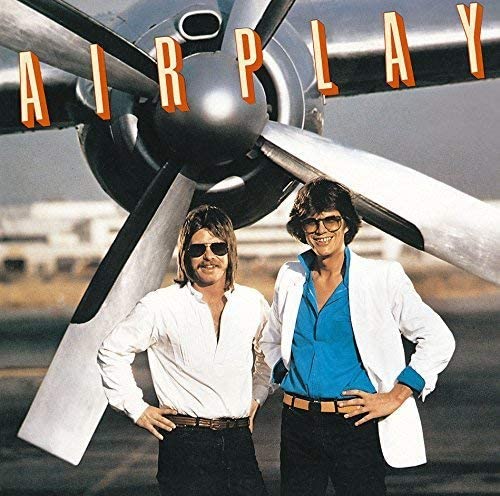
His biggest work in 1978 was probably "Airplay," which he formed with Jay Graydon, who was also a producer of "Peg," a song from Steely Dan's album "Aja." At that time, he had Tommy Mottola, the manager of Hall and Oates, listen to the demo tape, which was handed over to an executive of RCA. After that, Foster and Jay became busier as producers, and Airplay ended up breaking up with just one album. This album became so famous that it was called a textbook for AOR (adult oriented ロックーアダルト rock). One song from this album, "After the love has gone," co-written by Jay Graydon and Bill Champlin, was liked by Maurice White, the general manager of "Earth Wind & Fire," and was included in their album the following year.
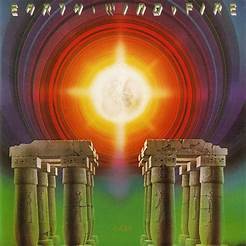
Earth Wind & Fire's 1979 album, "I Am," involved the writing of six of the band's nine songs as well as playing the keyboard. It was a masterpiece album that brought a high level of musical chemistry to a band that used to be the mainstream of black music by pouring white essence into it. It was also a major turning point for the band, and "After the Love Has Gone" was the No. 2 hit in the U.S. and Foster's first Grammy R & B Song of the Year.
Working with Quincy Jones
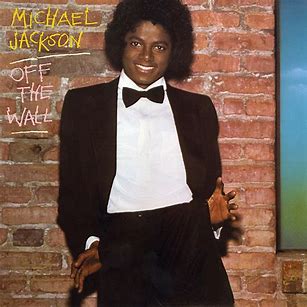
Foster began receiving job offers from producer Quincy Jones in 1978 on Brothers Johnson's album "Blam!" and later on in the soundtrack of the musical "Wits." In 1979 on Michael Jackson's album "Off the Wall," Foster played two songs: "Girlfriend" provided by Paul McCartney, and the cover of Foster's song "It's the falling" in Carole Bayer Sager's "… Too." Foster also adapted and played the synth for Michael Jackson's "Thriller" with Michael and Paul McCartney's duet "Girl is mine."
Since the 1980s, he has produced many hits as a producer.

Tags
Contents
- David Foster Overview
- History of David Foster's activities
- 1970s - Started production activities
- David Foster's First Production
- David Foster and Disco Music
- Working with Quincy Jones
- Since the 1980s, he has produced many hits as a producer.
- Film soundtrack work
- 1990s - Working with big names From producing albums to producing songs
- Meeting with Celine Dion
- David Foster and the Olympics
- 2000s - Commitment to classical music
- Since the 2010s, as the culmination of music carriers
- David Foster's profile and personality
- David Foster (David Foster) discography
- Album
- "The Best of Me" - The Best of Me (1983)
- "David Foster" - David Foster (1986)
- "Symphony Sessions" - The Symphony Sessions (1988)
- "River of Love" - River of Love (1990)
- "Recordings" - Recordings (1991)
- "Christmas Album" - The Christmas Album (1993)
- "Love Lights the World" - Love Lights the World (1994)
- "Eleven Words" (2020)
- Compilation album
- "David Foster Presents Again, Again" - David Foster Presents Love, Again (2010)
- The Best of Celine Dion & David Foster (with Celine Dion) (2012)
- "" "Melodies of Love: David Foster's Songbook" "- - David Foster's Songbook (2017)
- "David Foster Works" - David Foster Works (2018)
- "David Foster Works 2" - David Foster Works 2 (2019)
- David Foster's signature song
- Till you take my love
- Got to be real
- Nothing you can do about me
- After the Love Has gone
- Let's go round again
- Hard to say I'm sorry
- Mornin
- Through the fire
- Who's holding Donnna now
- Hold me.
- Glory of love
- I will always love you
- Earth song
- To love you more
- David Foster's music video (MV/PV)
- Nothing you can do about me
- The Best of Me
- The Best Of Me - David Foster & Olivia Newton-John
- Love Theme from St. Elmo's Fire
- Winter Games
- David Foster's Words of Wisdom
- "My encounter with Quincy Jones taught me what good music is. I was wrong before."
- "Celine Dion does exactly what I ask for, which excites me. If you ask Whitney Houston to do the same thing, she returns something different from what I think. But 99.9 percent, it was beyond my imagination." "No! I'm not saying that. huh? Wait? Okay, let's forget about my idea, let's go!" "She was a genius."
- David Foster's Inside Stories, Trivia, Small Stories / Episodes and Anecdotes
- Four divorces and five marriages
- Malibu's idiot son.