
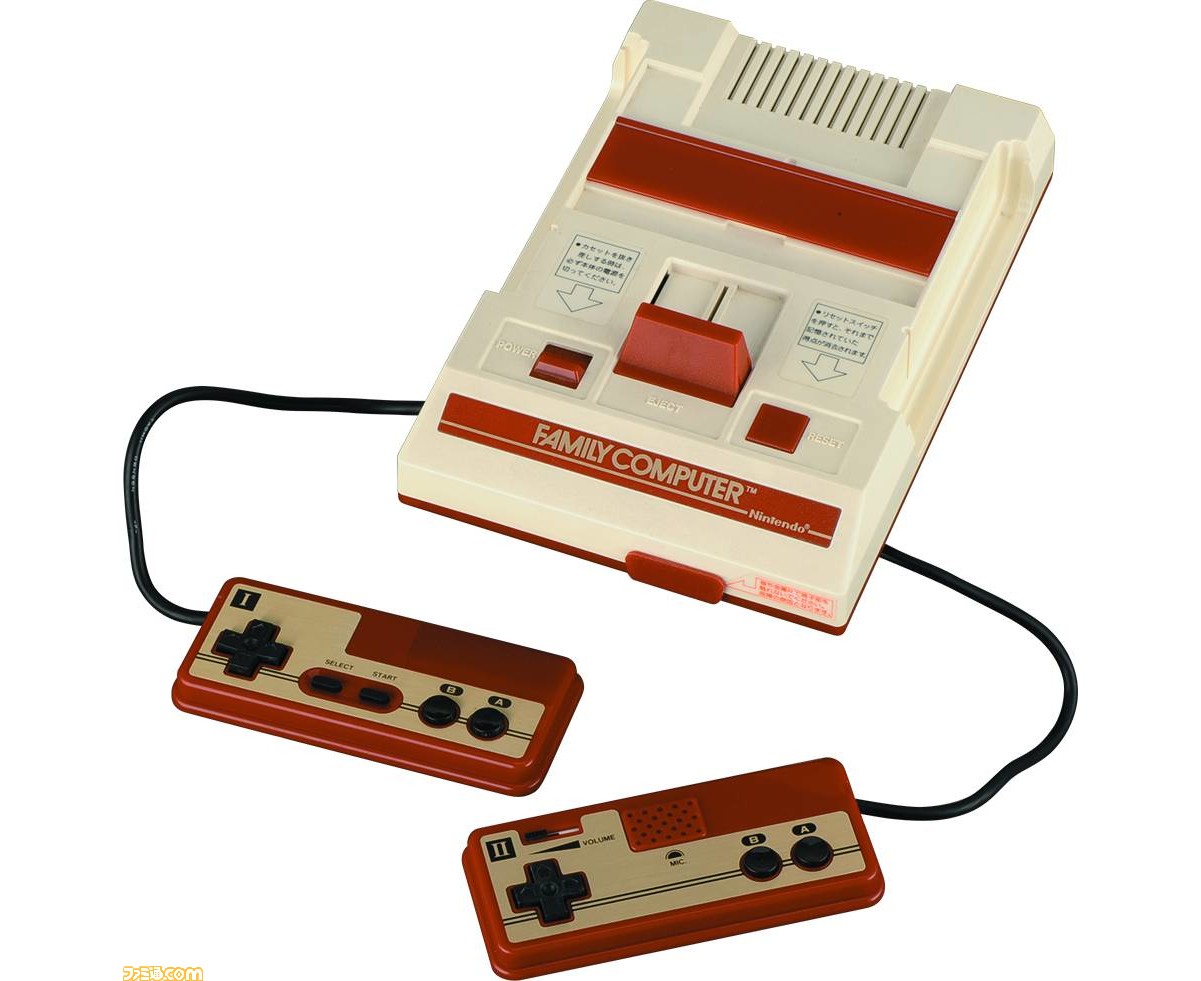
Video games are enjoyed by children and adults alike. The history of video games began in the 1970s and has evolved into its current form through the creators' ingenuity and various technological innovations. Some of them died out without being well-known to the public, and their rise and fall can be seen in the history of video games. This section introduces the history of video game consoles, both famous and obscure.
1991 works
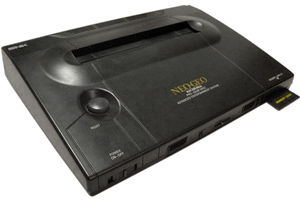
NEOGEO
Source: upload.wikimedia.org
A home video game console released by SNK on July 1, 1991. The manufacturer's suggested retail price was 48,800 yen. It was developed for home use, but was later diverted to arcade use.
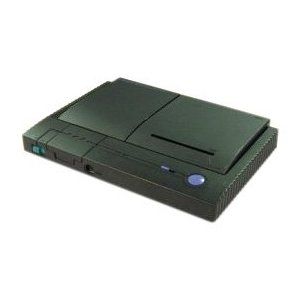
PC Engine Duo
Source: ec2.images-amazon.com
A home video game console, a sister machine of the PC Engine, released by NEC Home Electronics (NEC Home Electronics) on September 21, 1991. The suggested retail price at the time was 59,800 yen.
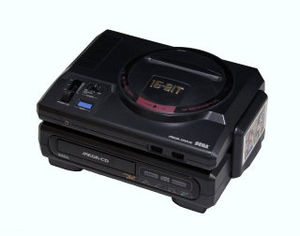
Mega CD
Source: www5.plala.or.jp
Peripherals for the Mega Drive released by Sega Enterprises (now Sega). Released in Japan on December 12, 1991. Priced at 49,800 yen. The second CD-ROM machine in Japan.
1993 works
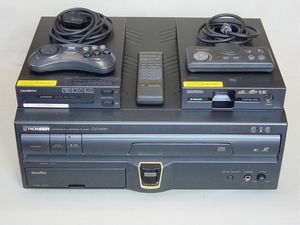
laser-activated
Source: upload.wikimedia.org
Laserdisc player released by Pioneer on August 20, 1993. in addition to the usual functions of CD, CDV, and Laserdisc compatible LD players, it can also play PC Engine or Mega Drive games by installing a special pack on the front panel.
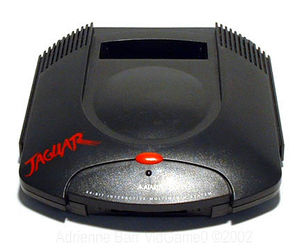
Atari Jaguar
Source: www.youjeu.com
A home video game console released in 1993 by Atari, an overseas video game manufacturer. List price: 29,800 yen.
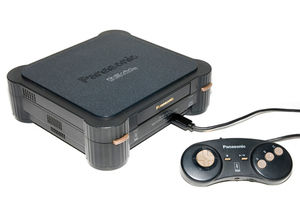
3DO
Source: consollection.de
A video game console released by Matsushita Electric Industrial (now Panasonic) in North America in 1993 and in Japan in 1994. 3DO's business model was to release hardware from licensed electronics manufacturers and collect royalties on each hardware and software sold. For this reason, multiple companies released models.
1994 works
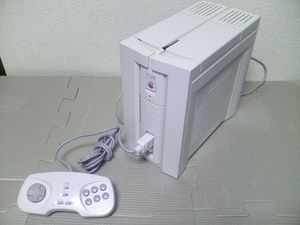
PC-FX
Source: upload.wikimedia.org
Released on December 23, 1994 (Heisei 6), this home video game console was the next generation of the PC Engine, developed by NEC Home Electronics (NEC Home Electronics) in collaboration with Hudson. The suggested retail price at the time was 49,800 yen.

Contents
- 1972 works
- Odyssey
- 1975 works
- TV Tennis
- 1976 works
- Fairchild Channel F
- 1977 works
- Video Game 15
- Atari 2600
- 1978 works
- Racing 112
- 1979 works
- building block scrabble
- 1980 works
- Games & Watches
- intravision
- 1981 works
- cassette-vision
- 1983 works
- Arcadia
- TV boy
- PV-1000
- family computer
- SG-1000
- 1985 works
- Sega Mark III
- Game Pocket Computer (Game Pocket Computer)
- 1986 works
- twin family computer
- 1987 works
- PC-engine
- Sega Master System
- 1988 works
- Mega Drive (Sega)
- 1989 works
- Game Boy (video game console)
- PC Engine Shuttle
- PC Engine Core Graphics
- 1990 works
- game gear
- PC Engine GT
- Super Nintendo
- 1991 works
- NEOGEO
- PC Engine Duo
- Mega CD
- 1993 works
- laser-activated
- Atari Jaguar
- 3DO
- 1994 works
- PC-FX
- Praedia
- Sega Saturn
- Playstation
- 1995 works
- Virtual Boy
- 1996 works
- Pippin ATMARK
- Nintendo 64
- Game Boy Pocket
- 1998 works
- Game Boy Light
- Game Boy Color
- NEOGEO Pocket
- Dreamcast (game)
- 1999 works
- WonderSwan
- NeoGeo Pocket Color
- 2000 works
- Playstation 2
- PS one
- WonderSwan Color
- 2001 works
- Game Boy Advance
- Nintendo GameCube
- 2002 works
- Xbox
- swan crystal
- 2003 works
- Game Boy Advance SP
- N-Gage (Engage)
- PSX
- 2004 works
- Nintendo DS
- PlayStation Portable
- 2005 works
- Game Boy Micro
- Xbox 360
- 2006 works
- Nintendo DS Lite
- Playstation 3
- Wii
- 2008 works
- Nintendo DSi
- 2009 works
- Nintendo DSi LL
- PlayStation Portable go
- 2011 works
- Nintendo 3DS
- PlayStation Vita
- 2012 works
- Wii U
- 2013 works
- Xbox One
- 2014 works
- PlayStation 4
- New Nintendo 3DS
- 2016 works
- Nintendo 2DS
- PlayStation 4 Pro
- 2017 works
- Nintendo Switch