
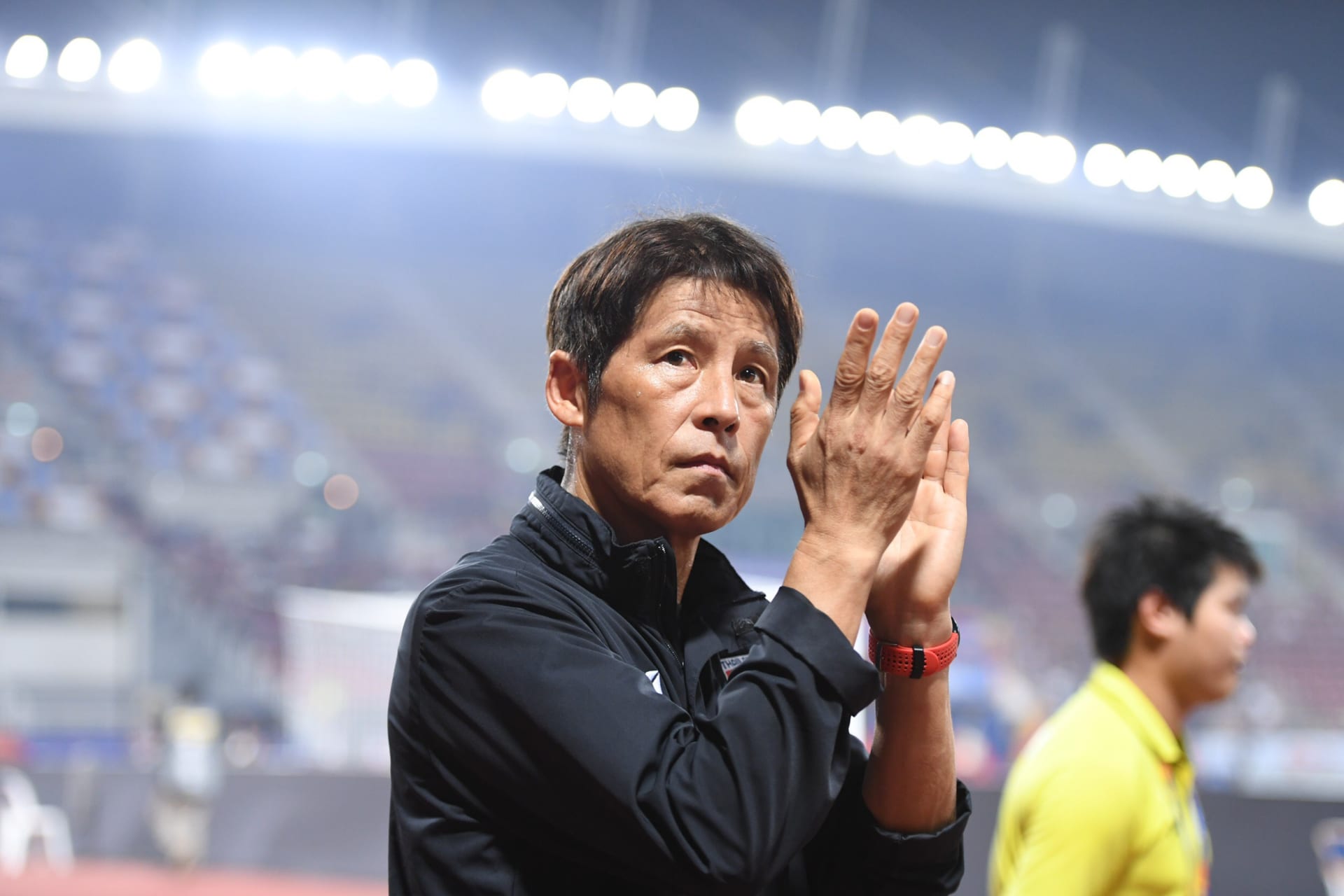
In 2018, Halil Hodzic, the coach of Japan's national soccer team, was dismissed and Akira Nishino was hastily appointed as coach. The public was of the opinion that a new coach would be selected after the World Cup, and many "coaching candidates" were mentioned. Here is a list of names that have been mentioned as possible replacements for Nishino.
He led his country to victory in the 02 Korea-Japan World Cup, finished second in the Euro in 04 as the head coach of the Portuguese national team, and finished fourth in the 06 Germany World Cup.
Also in Japan, he took command at Jubilo Iwata in 1997, although it was only for four months, and contributed to laying the foundation for the golden age.
Having experienced glory and failure as the world's most pressured Brazilian coach, Portugal's coach experience, club team experience in Brazil, Chelsea of the Premier League, and Jubilo Iwata of Japan of the Premier League and Jubilo Iwata of Japan.
Source: number.bunshun.jp
He has a track record on the big stage, and I think he has the ability to lead Japan to a higher level.
Some say that he is good at controlling the motivation of players, and some say that Japanese players need a coach who can look at the mental part rather than technical guidance.
Mihailo Petrović
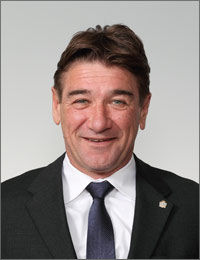
Source: blog-imgs-49-origin.fc2.com
Mihailo Petrović (October 18, 1957 -) is from Serbia.
In 1985, he moved to SK Sturm Graz, where he worked until his retirement in 1993. In 1996, he became the manager of the club's amateur team. At the same time, he met Ivica Osim, the former head coach of the Japanese national team, who was also the head coach of the top team, and trained him as a coach for two years.
Source: www.urawa-football.com
He came to Japan in June 06 and became the coach of Sanfrecce Hiroshima. He ranked 10th in the league and was demoted to J2 in 07, but he returned to J1 in the following year by defeating J2 with overwhelming strength, and in the following year, 09, he ranked 4th in the league, which was the best performance ever for a club that was promoted.
Source: www.urawa-football.com
He basically likes to play aggressive soccer. He aims to play aggressive soccer by putting a risk on defense with the same concept as Ivica Osim, "Think and run soccer."
Source: ja.wikipedia.org
José Pekerman
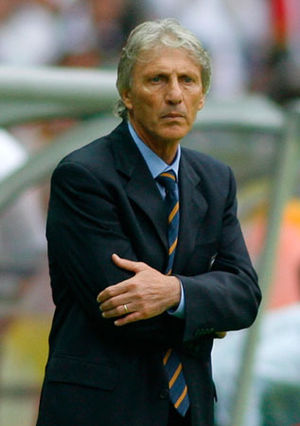
José Pekerman (José Néstor Pekerman, September 3, 1949 -) is an Argentinian former soccer player and current soccer coach. When he was playing, he was a midfielder (right side half).
He became famous as the coach of the Argentine national team by generation and won the South American Youth Championship twice and the FIFA U-20 World Cup three times. He led the Argentine national team from 2004 to 2006 and became the coach of the Colombian national team in 2012.
After the 2010 World Cup in South Africa, the Japan Football Association listed him as a possible successor.
He is known for his coaching of young players, including leading the U-20 Argentina national team to the world championship three times.
Some say that Pekerman, who values discipline and is good at breaking up with organizations, is suitable for Japan.
He is expected to raise the Japanese national team to the next stage, including the young generation who are not making much progress.
Source: number.bunshun.jp
At a press conference the day before the match against Japan, he was asked about the possibility of becoming the coach of the Japanese national team in the future. He acknowledged that he had contact with the Japanese national team, saying, "I am grateful that Japan is following me in my career. I know they are interested."
Source: brazil2014.headlines.yahoo.co.jp
He is 65 years old this year. He will be nearly 70 years old at the World Cup (2018) in four years' time. There is an example of Osim, and some people say that it is difficult to work on the opposite side of the earth due to his age.
Zaccheroni
Source: trend-comment.com
I have experienced the World Cup and I like Japan and understand the Japanese people well.
He is a human gentleman, free from match-fixing problems, and free.
Even after the World Cup in Brazil, he wanted to stay in the mound, but he insisted that four years would be too short and wanted to return to the mound.
Source: www.zakzak.co.jp
Considering the background of inviting Aguirre to advance Zaccheroni's soccer, Zaccheroni's comeback is the most natural course to continue that line.
Source: number.bunshun.jp
