
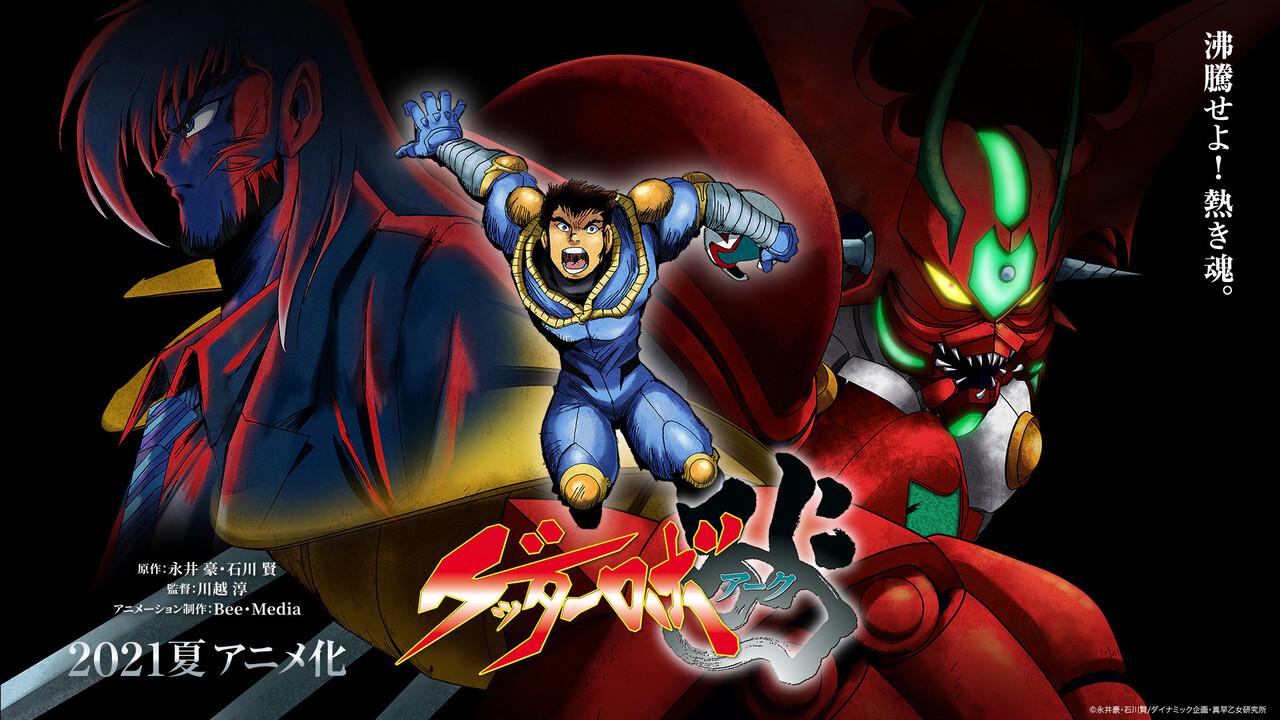
Getter Robo Arc" is a science fiction giant robot battle manga by Ken Ishikawa and the final work in the epic "Getter Robo Saga" of the "Getter Robo" series.
There was a prediction that Getter Robo, which was supposed to be a righteous robot, would become a demon invading the universe as Getter Emperor in the future.
Why was such a future created? Takuma Nagare, the son of the first Getter pilot Ryoma Nagare, was supposed to drive the latest Getter "Arc" in the present day to solve the mystery, but due to the sudden death of the author, the story was left a mystery and unfinished.
An anime adaptation will be made in the summer of 2021.
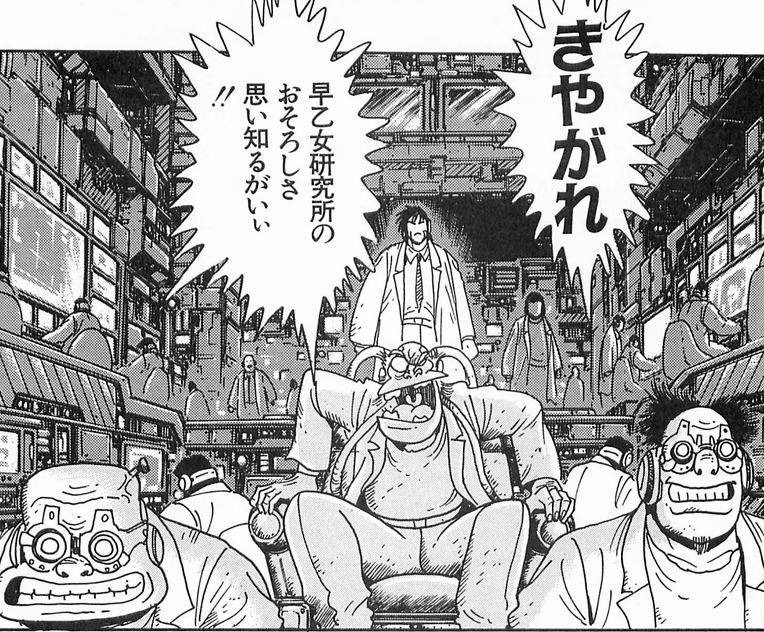
A Shikishima that activates an interception system in high tension.
Shikishima, whose Saotome Research Institute was surrounded by the army corps of Andromeda Province, shouted while preparing the attack system.
This is still on the main character's side.
There are many characters that are too high tension in Ishikawa's works such as this one, but this Shikishima is especially outstanding.
Takuma: "Dad?"
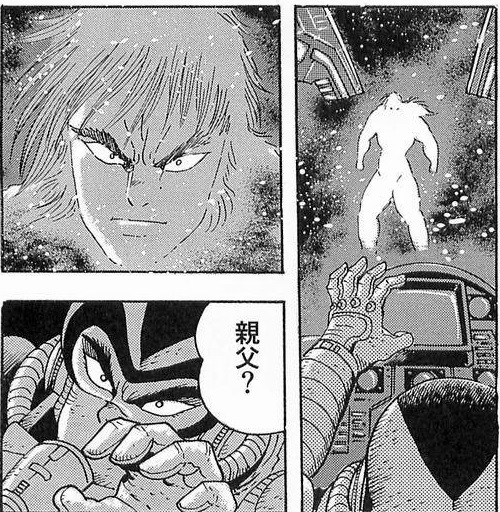
Ryoma has no substance, but a mental body.
At the end of the story, Getter Emperor and Ryoma came to pick up Getter Ark and Takuma, who had been forcibly space-time transcended from the future world and flown to somewhere in the universe.
It was pointed out by the Getter Fleet that it would be impossible to search the entire universe for a person who did not know where he had been flown to without information, but the power of the Getter Emperor and Ryoma's love for children as a father made it possible without difficulty.
Then, Takuma, who had fainted in the getter arc, woke up and murmured, "Dad?" as he sensed the presence of a father he had never met.
The author, Ken Ishikawa, is a cartoonist whose selling point is his high tension style, but in fact, he is also good at the theme of' father and child,' and this is a scene where his ability is fully demonstrated.
Behind the Scenes, Trivia, Small Stories / Episodes and Anecdotes of "Getter Robo Arc"
Creative style expected to be incomplete
Due to the sudden death of Ken Ishikawa, the author of this work, it became a masterpiece.
However, even while Ishikawa was still alive, a certain number of fans had anticipated that the film would not be completed. This was not because Ishikawa's poor health and other details had been told in a very literal way, but because of his creative style.
This is because he is a cartoonist who is proud of his outstanding drawing and composition skills, and he is capable of properly planning the ending even in a work with a fairly wide oburoshiki.
More than that, however, there was a peculiarity of "spreading a larger furoshiki under a folded oburoshiki," which meant that even a piece that to finish beautifully, but it drew a bigger incident at the end and made it impossible to collect.
And he was a cartoonist who often ended his series half-heartedly after the popularity of his series fell or the magazines he published were suspended.
So, from the beginning of this series, people were worried, "Will' GETTER SAGA' really end? Will it be all right? Show me the getter emperor."
However, this is due to the fact that Ishikawa's pure wish as a creator,' I want to draw more of the world of this manga. I want to expand it,' and the editor's plot to instigate him knowing this, come to a standstill.
In the first place, the "GETTER ROBO" series itself was completed with "Getter Robo Go" once, and Ishisa himself was satisfied that it' ended beautifully.'
However, an editor who was not satisfied with it asked ISHIKAWA about the whereabouts of the getter dragon, which had not been depicted in "Getter Robo Go," and ISHIKAWA answered the question while adding a new creation, and ISHIKAWA said,' Well, let's draw it,' so ISHIKAWA suddenly got motivated and a history that lasted until the end of writing was created.
However, it is also true that Ken Ishikawa was a cartoonist who left a legend for this reason.
The concept of "Ryoma versus Takuma"
GETTER ROBO, the hero robot, was a friend of humanity and a friend of justice when it first came into being in the 1970s.
However, as the GETTER ROBO series continued into the 2000s, the "getter line," the driving force behind GETTER ROBO, came to be described as having a will that was the deification of a dictatorship that protected only human evolution and destroyed the rest.
Of course, the series' fans were perplexed by the transformation of the former hero of justice into evil, and Ryuma Ryu, the former main character of the series who disappeared in "Getter Robo Go," was portrayed as assimilating the getter emperor of evil itself.
This transformation of Getter and Ryoma was intentionally defined by the author, Ken Ishikawa, and fan sites and others have speculated that the character Takuma, the son of Ryoma, the former main character of the GETTER ROBO series, may have come to the end of the story with the intention of depicting his relationship with his father, who had fallen to the path of evil, like "Darth Vader" and "Luke Skywalker" in the Star Wars series.
He also published "Maju Sensen" in 1975, which tells the story that the main character, Shin'ichi Kuruma, was transformed into a ADVENTURES OF DINO RIKI by his father, Genzo KURUMA, and as a result they had a fierce conflict.
The story of Takuma, who was influenced by his father, Ryoma, who was a GETTER ROBO pilot, is similar to that of Shinichi.
Three times the usual weight of the original
The feature of the author, Ken Ishikawa, is the precision of his pictures. It is almost impossible to say that most of the pages on a piece of genko yoshi are empty.
Also, since he was a cartoonist who made his debut in 1969 and died in 2006 during the period of high economic growth in the Showa period, he basically did not have a digital drawing technique and used the conventional analog drawing technique for writing.
In a commentary on the manga version of "Makai Tensho," cartoonist Miki Tori said, "The physical weight of the finished manuscript, with ink and tone on top of paper, is twice that of a manuscript drawn by an ordinary cartoonist. In addition, the invisible weight of the painter's sweat and emotion, added to it, makes it feel more than three times heavier."
In fact, the depiction of battleships filling the space and the depiction of characters waging a fierce battle have a particularly large amount of depiction, and the level of depiction rises to the level of his works in his later years, and there is an anecdote on the Internet that when a person who does not know Ishikawa read his works in his later years (including this work), he mistook them for' the amount of depiction feels great energy. It must be the work of a young cartoonist.'
Theme song and insert song of "Getter Robo Arc"
OP (opening): JAM Project "Bloodlines ~ Fate's Bloodline ~"
ED (ending): JAM Project "Dragon 2021"

Related Articles
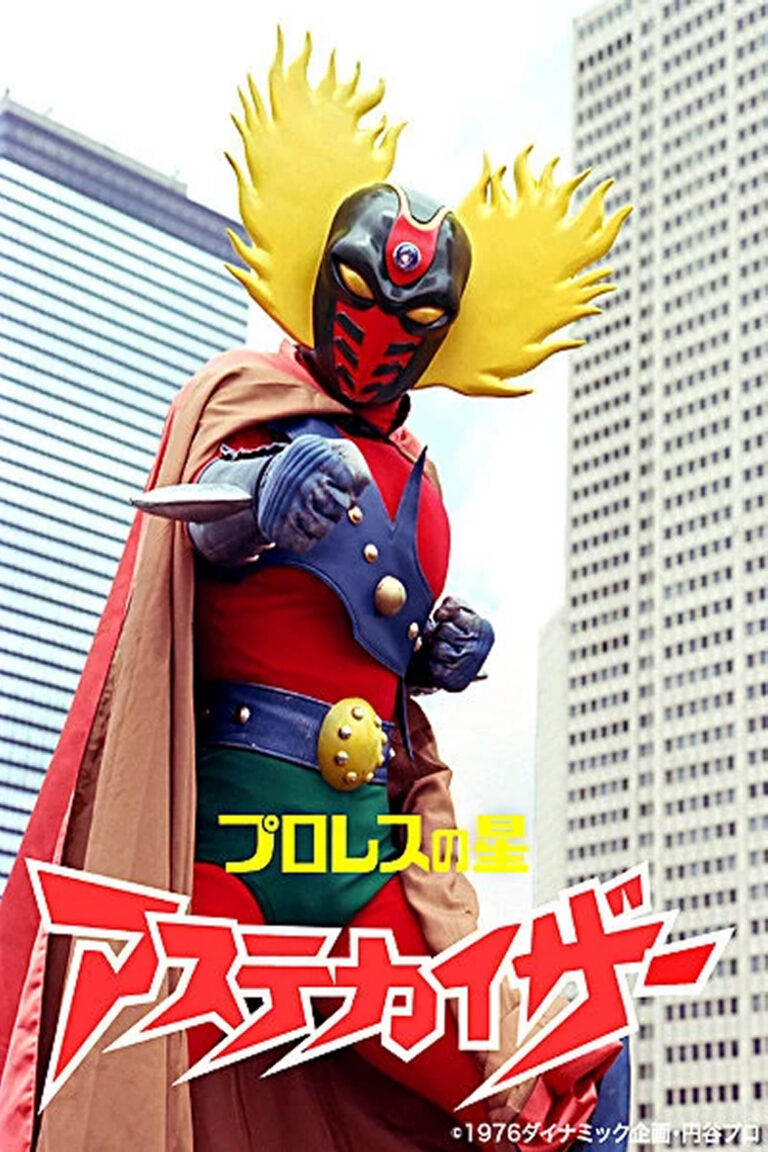
What is Astekaiser (Tsuburaya Productions), the star of professional wrestling?
Pro Wrestling Star Astekaiser" is a special effects drama produced by Tsuburaya Productions and written by Go Nagai and Ken Ishikawa that was broadcast from October 1976 to March 1977. It depicts the exploits of the righteous warrior Astekaiser, who stands up against the Black Mist, an evil fighting force that is trying to conquer the world of professional wrestling. It is famous for the fact that New Japan Pro-Wrestling fully backed the series, and for its "dramamation," in which live-action is replaced by animation during the climactic battle scenes.
Read Article
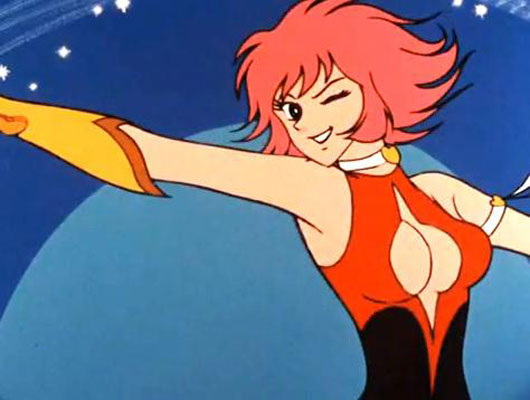
Cutie Honey Spoiler Commentary and Discussion Summary
Cutie Honey" is one of Go Nagai's best-known works, which has been produced in a variety of media, including manga, TV animation, original video animation, and several live-action films. Full of sexy scenes and realistic action sequences, the battles between Cutie Honey and the evil Panther Claw have won over a wide range of fans, not only boys and girls.
Read Article
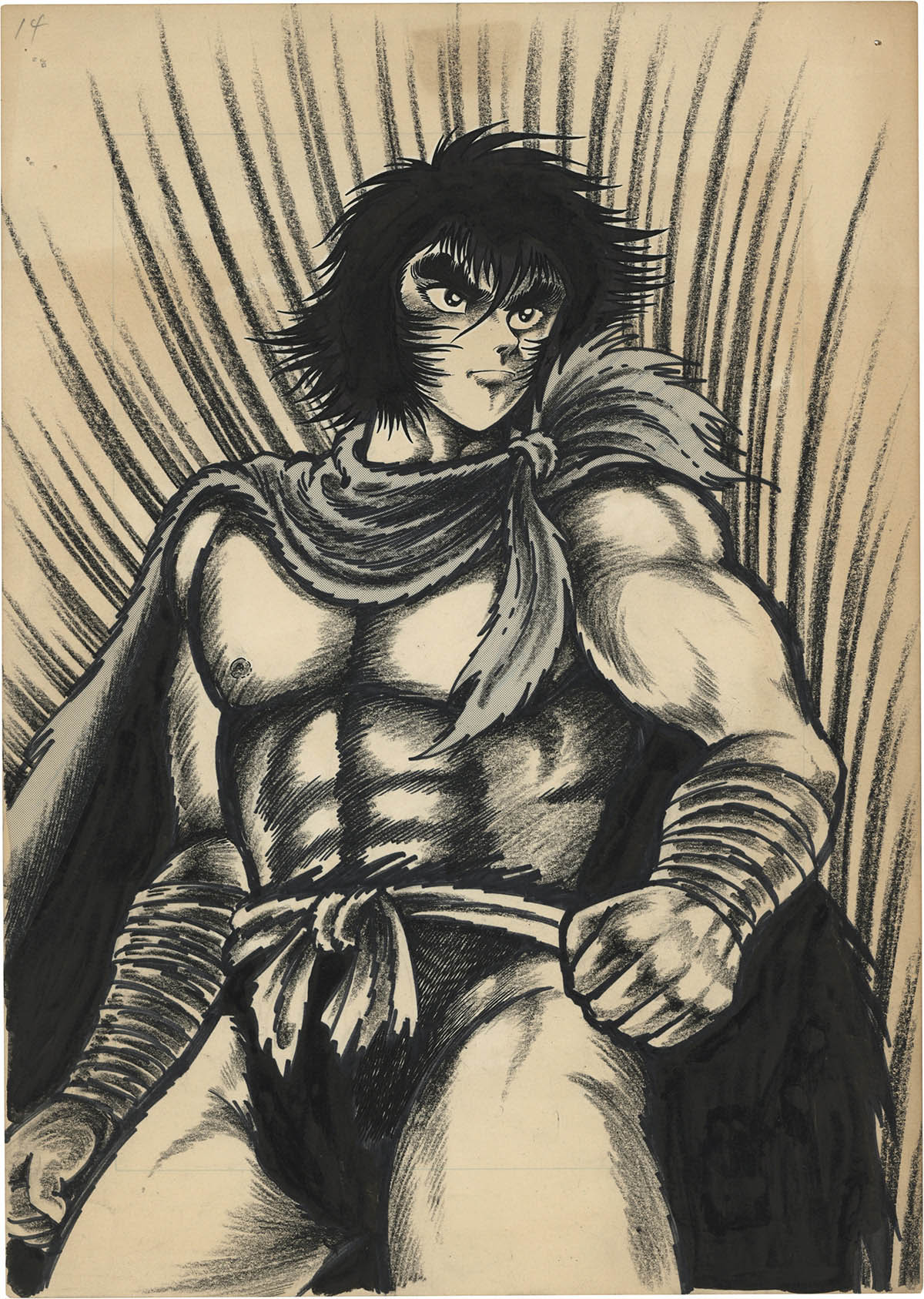
バイオレンスジャック(永井豪)のネタバレ解説・考察まとめ
『バイオレンスジャック』とは、永井豪とダイナミックプロによるポスト・アポカリプス漫画。『週刊少年マガジン』にて1973年から1974年まで、『月刊少年マガジン』にて1977年から1978年まで、『週刊漫画ゴラク』にて1983年から1990年まで連載された。約17年間に渡る連載期間は永井豪作品最長であり、多くの永井キャラクターが共演したことでも知られる。巨大地震で分断された無法地帯関東で逞しく生きる少年たちと、彼らを見守る謎の存在バイオレンスジャックとその敵スラムキングとの戦いを描いた作品である。
Read Article
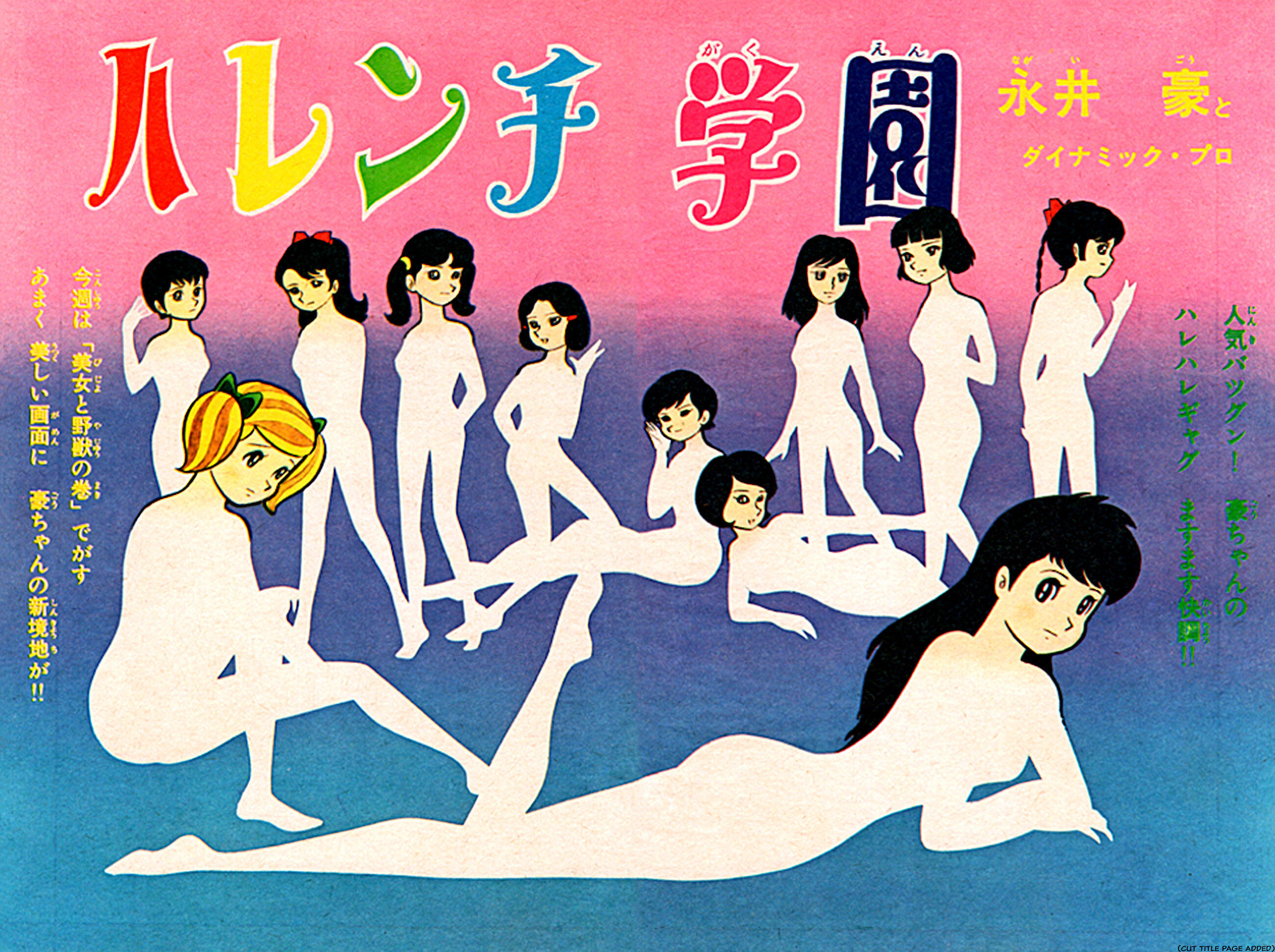
ハレンチ学園(永井豪)のネタバレ解説・考察まとめ
『ハレンチ学園』とは、永井豪によるギャグ・学園漫画。『週刊少年ジャンプ』誌上にて1968年から1972年まで連載された。漫画を基にした実写テレビドラマ版・実写映画版・OVA版などがある。連載当時としては過激な性描写と破天荒なストーリーで人気と話題を博し、永井豪の初期の代表作品であるとともに草創期の『週刊少年ジャンプ』を支えた作品として知られた。日本一ハレンチな学校「聖ハレンチ学園」を舞台に、そこに集った常識外れの生徒たちと教師たちが巻き起こす騒動を描いたギャグ・学園・セクシー漫画である。
Read Article
Spoiler commentary and discussion of DEVILMAN (manga version of DEVILMAN)
Devilman" (manga version DEVILMAN) is a manga serialized in "Weekly Shonen Magazine" by Go Nagai. Through battles with daemons, human weakness and wickedness are exposed, and in the process, the work questions what is the real devil and what should be protected. Akira Fudo, a quiet high school student, decides to become Devilman and fight to protect humans from the Daemon Army, which has awakened from a 2 million year sleep, at the suggestion of his friend Ryo Asuka. Akira fights to protect humans from the daemons, but he is driven to despair by the outright cruelty of the cornered humans.
Read Article
Mazinger Z (Go Nagai) Spoiler Commentary and Discussion Summary
Mazinger Z" is a manga and animated television series created by Go Nagai and Dynamic Productions. The manga version was serialized in "Weekly Shonen Jump" and "TV Magazine" from 1972 to 1974, and the anime version was broadcast from 1972 to 1974. There are two sequels, "Great Mazinger" and "UFO Robot Grendizer". It is a representative work of the super robot series in which the main character pilots a giant humanoid robot to fight enemies, and has created many followers. The story depicts the main character riding a super robot to fight against evil scientists.
Read Article
獣神ライガー(Jushin Liger)のネタバレ解説・考察まとめ
『獣神ライガー(Jushin Liger)』とは、1989年にテレビ朝日系列で放送されたSFロボットテレビアニメである。バイオアーマー「獣神ライガー」の力を手に入れた少年・大牙剣が、邪神復活を目論むドラゴ帝国と壮絶な戦いを繰り広げる。筋肉隆々の巨人に主人公が乗りこんで戦うという、これまでにないアイデアが話題を呼んだ。勧善懲悪のヒロイックな子供向け番組であるが、永井豪を原作・原案に迎えた結果、ハードなストーリーや凄惨な戦闘描写、そして過激なお色気・サービスシーンが盛り込まれた。
Read Article
Spoiler commentary and discussion of Jeeg the Steel God (anime)
Kôteketsujin Jeeg" (鋼鉄神ジーグ) is a robot anime broadcast in 2007, a sequel to "Kôteketsu Jeeg" broadcast in 1975, but with a modified setting and worldview. The show was well received for its brushed-up presentation of the charms of the good old works, such as the sexy scenes typical of Go Nagai, the author of the previous work, and the hot-blooded direction and special training scenes seen in the robot anime of yesteryear. Fifty years have passed since the decisive battle between the first-generation Steel Jeeg and the Great Kingdom of Disturbance. In order to defeat a new enemy that has emerged from Kyushu, which is still covered by a ward, high school student Kenji Kusanagi becomes the pilot of the Steel God Jeeg and begins to fight.
Read Article
Spoiler commentary and discussion of Grendizer U (Grendizer U)
Grendizer II" is a reboot of the internationally popular robot animation "UFO Robot Grendizer". The film was a hit with its gorgeous staff, including Mitsuo Fukuda as general director, Yoshiyuki Sadamoto as character designer, Ichiro Okochi as scriptwriter, and Kouhei Tanaka as music composer. The catchphrase is "Space and Earth, you ask me to remember?" Scheduled to air in 2024. Duke Freed flees to Earth after his home planet Freed is destroyed. When Duke learns that the Vega Star Alliance, his enemy, is approaching Earth, he rides the Grendizer, the guardian god of the planet Freed, to intercept them.
Read Article

Summary of the magazine's past heroines
Shonen Magazine" is one of the longest running weekly shonen manga magazines in Japan. Over its long history, the magazine has produced numerous masterpieces and supported Japanese manga culture. Because of the "shōnen manga" (boys' manga) concept, most of the main characters are boys, but the heroines who support them are also an integral part of the story, and are depicted in an attractive manner. The heroines are childhood friends, students, outsiders, and people from other worlds, and their relationships range from lovers to friends to rivals. Here we introduce some of the heroines who have graced the pages of the magazine.
Read Article
April 2024 Spring Anime (First Semester Anime) Summary
This is an alphabetical list of spring anime that will start airing in April 2024.The April 2024 spring anime lineup includes many hot new anime and sequels to popular series. Information such as anime titles, broadcast information, cast voice actors and staffs are compiled in an easy-to-understand format.
Read Article
July 2024 Summer Anime (this season's anime) Summary
Summer anime to be broadcast in the July 2024 season are listed in alphabetical order.The July 2024 summer anime lineup includes many sequels to popular series. Information on anime broadcast and distribution information, voice actors and staff, and synopsis is compiled in an easy-to-understand format.
Read Article
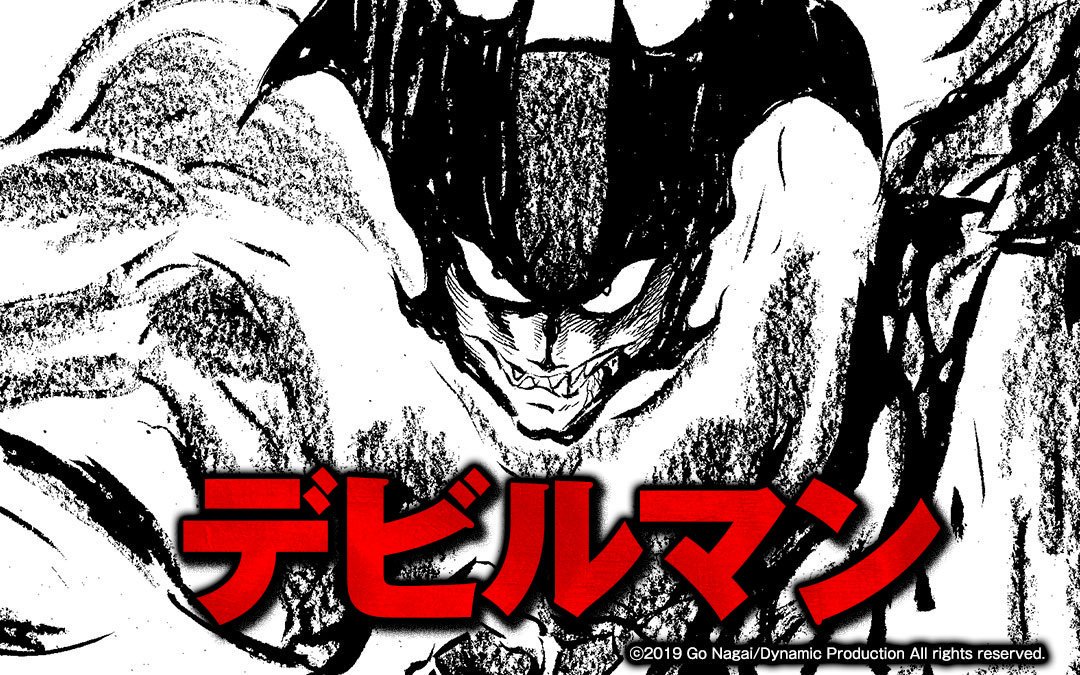
Devilman (DEVILMAN) Quotes, Great Lines / Great Scenes and Scenes of Devilman (DEVILMAN)
Devilman" is a manga that was created in the 1970s in parallel with an anime project, and is one of the most exciting works by the original author, Go Nagai. The novel setting with a demon as the main character, the hard-hitting action, and the apocalyptic storyline based on the book of Revelation in the latter half of the series attracted a great deal of attention and spawned a number of derivative works. The secret of what man, the devil, and God are is hidden in the words of the characters in this film.
Read Article
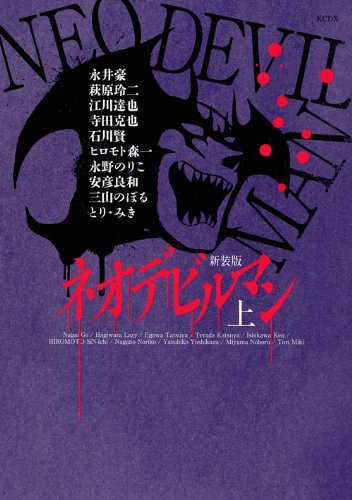
Devilman "Neo-Devilman㊤" summary by an elite group of writers.
The Devilman series has been creating a lot of buzz with the recent announcement of the production and release of a new animated series. Here we introduce the first volume of "Neo-Devilman," an anthology in which talented manga artists who are fans of this work have all developed their own unique worldviews in books.
Read Article
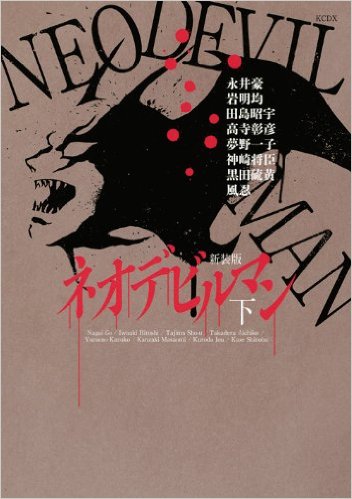
Devilman "Neo-Devilman㊦" summary by an elite group of writers.
The Devilman series has been making a splash with the recent announcement of the production and release of a new animation. This is a summary of the second volume of the anthology "Neo Devilman," in which unique manga artists who are fans of this work have all developed their own unique worldviews in their books.
Read Article
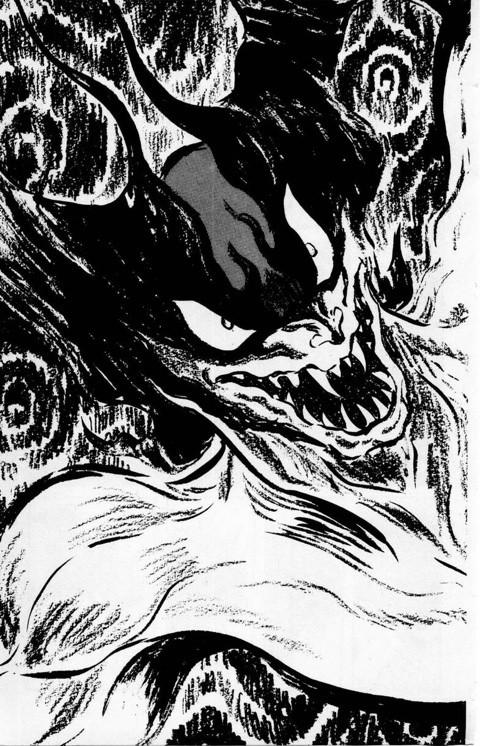
A collection of traumatic scenes from the manga version of "Devilman!"
Although "Devilman" was a popular hero in the anime, the manga version is different from the anime and has a much different storyline. In a word, it is not for children. Please note that the storyline is quite depressing and grotesque.
Read Article
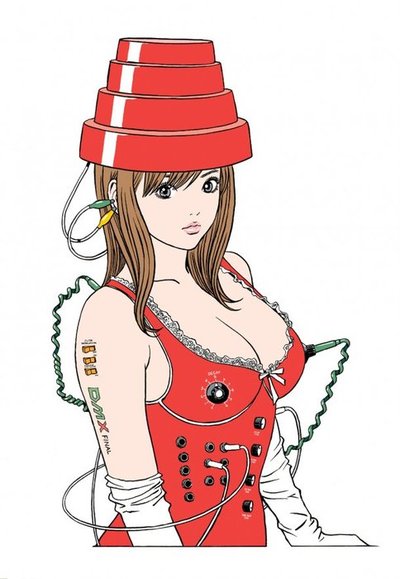
In the 1980s, shounen magazines were at the height of their chooch-hoo depictions! 10 works of rage
Chochi-H depictions in shounen magazines, manga that made boys all over Japan "hot" are compiled here.
Read Article
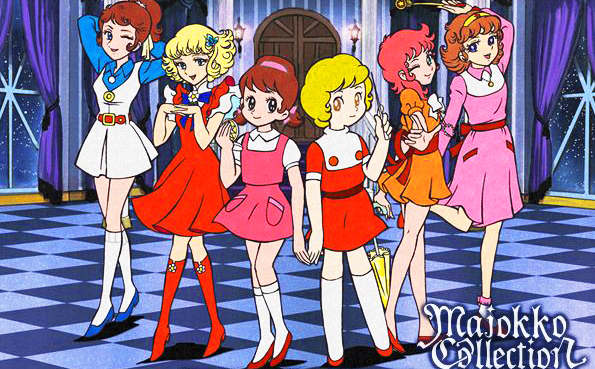
Magical Girls? No. Summary of "Toei Witch Girl Anime" [1970s-1980s].
There are many "magical girl anime" and "transforming girl anime" being aired today, but the foundation of these anime was probably the "witch girl anime" that started appearing in the 1970s. Here, we have compiled a list of "Toei Witch Girl Series" that appeared from the 1970s to the 1980s.
Read Article
![Galada K7] Thorough Explanation! List of Mechanical Beasts in Mazinger Z! [DUBLAS M2](https://renote.net/files/blobs/proxy/eyJfcmFpbHMiOnsiZGF0YSI6ODU0MjAzMiwicHVyIjoiYmxvYl9pZCJ9fQ==--65390e54dda550ff84d1aee7926311b34a4aeb8a/226.jpg)
Galada K7] Thorough Explanation! List of Mechanical Beasts in Mazinger Z! [DUBLAS M2
Mazinger Z" is a legendary masterpiece that has been passed down from generation to generation as the originator of the Super Robot anime. The main character, Mazinger Z, fights "mechanical beasts" led by Dr. Hell, who aims for world domination. Their designs vary widely and are free-spirited, ranging from sniper-like models to machines with human-like body parts. Here we introduce some of the mechanical beasts that appeared in "Mazinger Z".
Read Article
Contents
- Overview of Getter Robo Arc
- Outline and story of "Getter Robo Arc"
- New team of getters
- Alliance with the dinosaur empire
- Encounter with the Getter Fleet
- Kamui Rebellion
- List of Getter Robo Arc characters
- Pilot
- Nagaretakuma
- Kamui Show
- Baku YAMAGISHI
- Former Getter Team
- Nagareryoma
- Jinhayato
- Kuruma Benkei (Carriage Benkei)
- Neisser
- Ichimonji go
- Tachibanasho
- Saotome Research Institute
- Saotome
- Shikishima
- 伊賀利
- Hoshi (star)
- Employees
- Getter Pilots
- Andromeda Province
- Queen Merdosa
- Kumei Zhuge
- Carter McDonnell
- Ueko
- Mother queen worm)
- Dinosaur Empire
- Galle III
- Han
- Bat
- Getter Saurus Pilots
- Vice
- Ganliu
- ゴズロ
- Campania
- Getter Fleet
- Musashi Tomoe
- Earthman soldier
- Other
- Mother of Takuma
- Mother of Kamui
- Messiah タイール
- Schwarzkopf
- Ron Dominik Schwizer.
- List of Getter Robo Arc weapons
- Getter Robo Arc
- Getter arc
- Getter Kiriku
- Getter Khan
- Shin ゲッタータラク
- Getter D2
- Getter Corps
- UAV Stelber
- Getter Saurus
- Getter Dragon
- Getter ship
- Getter emperor
- Uzala
- BUGS
- Geta-ten
- Terms of the Getter Robo Arc
- Untouchable Zone / Untouchable Stoker 01
- Haji
- Kama of Hell
- Emtor wave
- Subspace fixture Sordo
- Space-time supercollider Starboda
- Getter Senki
- Dark Death Cannon
- Words, lines, scenes from "Getter Robo Arc"
- Onomatopoeia' ドワオ'
- Shikishima: "Come on! Don't worry about the horror of the Saotome Institute!"
- Takuma: "Dad?"
- Behind the Scenes, Trivia, Small Stories / Episodes and Anecdotes of "Getter Robo Arc"
- Creative style expected to be incomplete
- The concept of "Ryoma versus Takuma"
- Three times the usual weight of the original
- Theme song and insert song of "Getter Robo Arc"
- OP (opening): JAM Project "Bloodlines ~ Fate's Bloodline ~"
- ED (ending): JAM Project "Dragon 2021"