

When news of the death of an entertainer or celebrity active in the entertainment, sports, or business worlds reaches the public, it often generates a great deal of public shock and often leads to feature articles and sections on that person. This article introduces information on entertainers and celebrities who died between 2012 and 2015, along with a summary of their activities during their lifetime.
Masanao Kimura
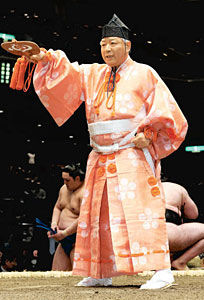
Source: iryou.chunichi.co.jp
Kimuramasanao Yondai
Sanyakukaku Gyoji of Ozumo (Grand Sumo); real name is Yukihisa YAMAUCHI.
He died of hepatocellular carcinoma at 1:52 a.m. on Jan. 29 at the age of 59.
He succeeded to the name of Masayoshi Kimura from the Nagoya Sumo Tournament in 1971. He became the current name from the Spring Sumo Tournament in 1984, and was promoted to Juryo-kaku in 1990, Makuuchi-kaku in 03, and Sanyaku-kaku in 08.
Since the 10th Autumn Grand Sumo Tournament, he has been absent for three consecutive tournaments due to cancer treatment. Even after returning to sumo, he lived his life as a gyoji to the limit of his physical strength, saying, "I wish I could die on the dohyo." However, he was absent from the 10th Kyushu Grand Sumo Tournament last year due to a recurrence, and he was also absent from all the New Year Grand Sumo Tournaments.
Kameyama Suken Kiyoshi
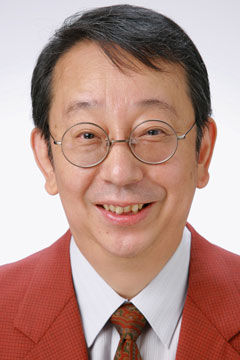
Source: www.kira-boshi.com
Sukekiyo Kameyama
Voice actor and actor.
On the morning of January 26, he died of pneumonia caused by malignant lymphoma at the age of 58 in a hospital in Saitama Prefecture.
Born in Ishinomaki, Miyagi Prefecture, he studied under actor and voice actor Natsuko Kawaji while he was a student at the Faculty of Art at Nihon University. After that, he appeared in many TV dramas and movies as a voice actor and an actor, and also worked with Koichi Yamadera and Rika Matsumoto as a live group called "Trick Square." After Shun Yashiro died in 2003, he took over the role of Winnie the Pooh in the Japanese version of the animated film "Winnie the Pooh" and became its representative work.
Shozo Shimamoto
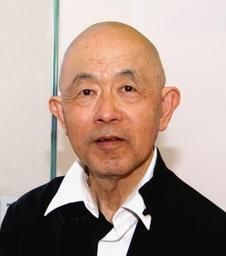
Source: www.niigata-nippo.co.jp
Shôzô Shimamoto
Avant-garde artist
He died of acute heart failure at 5:17 p.m. on January 25 at the age of 85 at a hospital in Nishinomiya, Hyogo Prefecture.
After graduating from Kwansei Gakuin University, he studied under the painter Jiro Yoshihara. In 1954, he took part in the establishment of the avant-garde art group "Concrete Art Association" in the Kansai region. He is known for his works that he drew by shooting paint from a cannon, and his avant-garde style was praised in Europe and the United States. He also served as chairman of the Japan Art and Culture Association for the Disabled (now Able Art Japan).
Fumihiko Jinguashi
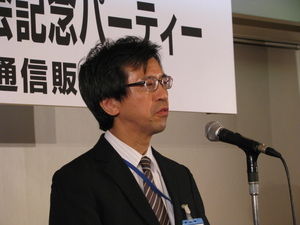
Fumihiko 神宮司
Deputy Director-General of the Consumer Affairs
At around 3:05 a.m. on Jan. 27, the manager of a 10-story apartment building in Toshima City, Tokyo Prefecture, found the man lying on the ground. He was confirmed dead at a hospital. The Mejiro Police Station of the Metropolitan Police Department believes that he jumped to his death.
Tetsuo Hara
Source: kinksakae.exblog.jp
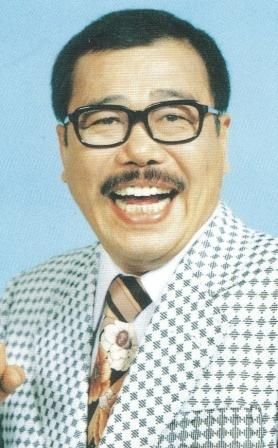
Tetsuo Hara
He was an actor of the old Yoshimoto comedy troupe known for his jokes such as "Who is a hippopotamus!"
On Jan. 23, he was found to have died of liver cancer on Jan. 11 at the age of 78.
After graduating from high school in his hometown of Kumamoto, he developed his skills at a traveling theater company. In 1953, he moved to Osaka. After working as a comedian at a strip theater, he joined Yoshimoto in 1962 and was active in Shingeki (New Comedy). In 1969, he became the chairman of Shingeki (New Comedy). He was nicknamed "Kaba" because of his charming square face and became one of the leading actors of Shingeki.
After leaving Shingeki in 1990, he appeared in "Hissatsu" series and "Hagure Keiji Junjohha" (Hagure Detective Junjohha). His last public appearance was at the award ceremony in 04 when Yoshimoto Shingeki won the Special Jury Prize at the Kamigata Owarai Grand Prize.
Kouhei Takahashi
Source: medical.nikkeibp.co.jp
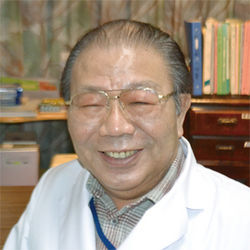
Taira Toru Takahashi
He is an obstetrician and gynecologist in Minami-Soma, Fukushima Prefecture, which was hit by the nuclear crisis at Tokyo Electric Power Co.'s Fukushima No. 1 nuclear power plant.
He died on January 22 at the age of 74, the cause of death unknown.
The director of the Haramachi Central Obstetrics and Gynecology Clinic, which is about 25 kilometers north of the plant. In August 2012, he posted a message on the hospital's Web site titled "The State of My Body and Request for Doctors," saying, "I don't know how long I will be able to live. I hope there will be a successor. Please take care of my last request."
Michael Winner
Source: bohyo.blog84.fc2.com
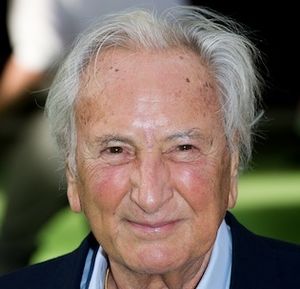
Michael Winner
British film director.
He died at his home in London on Jan. 21 at the age of 77.
Entered the film industry 56 years after working as a journalist. Known for his movies such as "The Wolf" and "The Mechanic" starring Charles Bronson.
Fumiya Suzuki
Source: news.goo.ne.jp
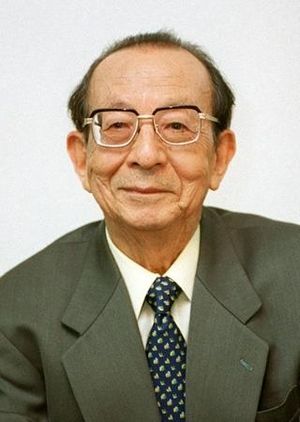
Bunya Suzuki
Former NHK announcer.
He died of acute pneumonia at 6:13 p.m. on January 20 at the age of 88.
In 1948, he joined NHK, where he was a sports announcer. He was known for his unique expression called "Bunya-bushi" (Bunya-bushi in Japanese), as well as his fast and comfy portrayal.
At the 1964 Tokyo Olympics, she was in charge of TV broadcasting of the women's volleyball "Japan versus the Soviet Union," which caused a sensation of "witches of the east." At the match point where Japan led the match, she said, "Finally, it is the gold medal point."
He was also in charge of broadcasting a number of baseball broadcasts, including the radio broadcast of the 1969 summer Koshien final between' Matsuyama Shogyo' and' Misawa Koko' (Misawa High School). He was in charge of a rematch between the two teams, which ended in a draw in the 18th inning with both teams having no points.
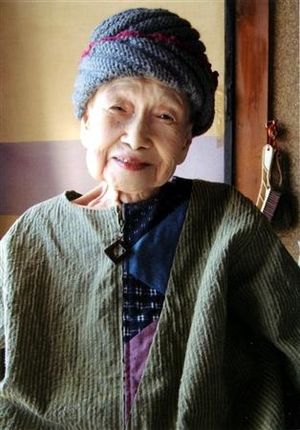
Toyo Shibata
Source: marugenota.jugem.jp
Toyo Shibata
She is a female poet who first published her collection of poems at the age of 98, "Don't be Discouraged," which has become a bestseller with over 1.5 million copies.
At 0:50 a.m. on January 20, he died of old age at a welfare facility for the elderly in Utsunomiya City at the age of 101.
Born in Tochigi City,, Tochigi Prefecture. After her husband's death, she started writing poems when she was over 90 years old. In 2010, she published "Do Not Give Up" (published by Asukashinsha). Her poems, which were expressed with youthful sensitivity and gentle words, have been well received, and they have been translated and published overseas, including in South Korea and the Netherlands. In 2011, she published a collection of poems called "Hyakusei" (One Hundred Years Old).
dapeng (giant bird in Chinese mythology, similar to the roc or Garuda)
Source: www.chunichi.co.jp
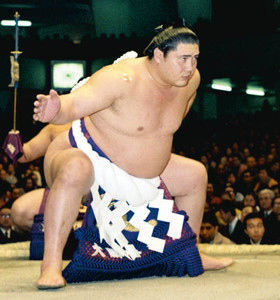
Taiho
Taiho, whose real name is Koki Naya, is the 48th Yokozuna and has won 32 tournaments, the most in sumo history.
On the afternoon of the 19th, he died of ventricular tachycardia at the age of 72 in a hospital in Tokyo.
He joined Nishonoseki stable at the age of 16. In 1961, he was promoted to Kashiwado and Yokozuna at the same time, creating the "Hakuho era." Due to his strength and popularity, the buzzword "Kyojin, Taiho, Tamagoyaki" was born. He retired in 1971.
From 05 to 08, he was the director of the Sumo Museum Hall of the Japan Sumo Association. He received the Shiju Hosho (Medal with Purple Ribbon) in 04 and Bunkakorosha (Person of Cultural Merit) in 09.
Stan Musial.
Source: www.niigata-nippo.co.jp
Stan Musial
He was a former outfielder who hit 3630 hits, ranking fourth in the Major League history.
He died at his home in Missouri on Jan. 19 at the age of 92.
He has played for 22 years since his debut in 1941. He has become the league's MVP three times, the leading hitter seven times, and has been selected as an All-Star player 20 times. He was nicknamed "The Man" by his fans and was inducted into the Hall of Fame in 1969.
Conrad Bain.
Source: www.allposters.co.jp
Conrad Bain (upper right)
An American actor who played the role of the main character's adoptive father in the U.S. TV series "Arnold Boya is Popular."
He died of old age on January 16 at the age of 89.
Arnold Boya, played by Bain, is a comedy about a millionaire adopting a black brother who grew up in a slum in New York. It was broadcast in the United States in 1978, and in Japan in the 1980s, it was broadcast on some local stations.

Contents
- April 2015
- autumn garment
- Kinya Aikawa
- Hideyoshi Hashiba
- Kazuo Yamagishi
- March 2015
- Shinji Ogawa
- February 2015
- Sina.
- Kenji Ekuan
- Yorio Hinuma
- January 2015
- Richard von Weizsaecker
- Taeko Kono
- Sonoda Tenko Hikari
- refined (prose, etc.)
- Falcon Akasegawa
- King Abdullah
- Admiral Chen Sun-sin
- ORIGA
- Takashi Imoto
- Hitoshi Saito
- Yasuaki Otoyo
- Shuo Otsuka
- Thomas Cartwright
- Yasuko Nakayama
- snowfall in Katayama
- Kozo Ishii
- Kozo Ishii
- Rod Taylor
- Nobuyuki Fujimoto
- Ulrich Beck.
- December 2014
- Tomiko Miyao
- Kikuko Miyagi
- Joseph Pitau
- Hidetoshi Nakamura
- supreme authority (of the emperor)
- Hideto Kakuto
- Joe Cocker
- a row of distant mountains
- Koichi Kawakita
- Hisashi Yamauchi
- Chiaki Akiyama
- Takeo Gamaike
- November 2014
- Sugawara Bunda
- Kiyoshi Yano
- Go Ching-yuan
- Keie Nakajima
- Yoichi Okura
- Nobuyoshi Koshibe
- Ken Takakura
- October 2014
- Koichiro Kimura
- Katsumi Oyama
- September 2014
- Ieyumi Iemasa (master of the game of go)
- Toeko Tatsuno
- Takako Doi
- TENN
- Mitsuko Miyazawa
- Tokiwanzan Oyakata
- Yoshiko Yamaguchi
- Toshiyuki Abe
- August 2014
- dragon and tiger
- Yonekura-Saikan era (1877.12.2-1818.4.12)
- Masakazu Handa
- Tokuhiro Nakajima
- Richard Attenborough
- Toshio Mishima
- Hachiro Yamagishi
- Joban Tsu Ichibe Tayuu (famous Heian-period Japanese dictionary)
- Robin Williams
- Yasuyuki Nakai
- mangataro
- Yoshiki Sasai
- Atsushi Nagata
- July 2014
- Hideo Nakamura
- Yoshiyuki Tsuchiya, a construction worker
- Akio Yamada
- Atsushi Fukatsu
- Theodore Bankirk.
- James Shigeta
- Yusuke Fukada
- first storm of spring
- June 2014
- Fumiaki Ogawa
- Masami Ogishima
- Hatsumi Iizuka
- Ichiro Komatsu
- Yozo Ishikawa
- Ryuzo Hayashi
- Osamu Nagatani
- Akio Sanbei
- the old giving way to the new
- Hitomi Toyama
- Naka Taro
- May 2014
- Haramoto tribute
- Kazuki Kasuya
- Terumon Nishimori
- Bunbae
- masterpiece
- Tsuneo Murayama
- Kazuyoshi Tabe
- Tomohiro Kami
- Naohiro Iwai
- Jun Osaka
- Koji Yada
- April 2014
- Junichi Watanabe
- Naoya Matsuoka
- Kyujo Kyoko
- Ichimura, Midoriro
- Rubin Carter.
- Tito Vilanova
- Danny Ishio
- Zhou Fortune
- Sano Minoru
- Ultimate Warrior
- Mickey Rooney
- March 2014
- Toshiki Haruhara
- Shigeo Miyata
- Reiko Mori
- Noriko Matsumoto
- Toshihiko Yamamoto (left)
- Hiroo Iguchi
- Shigeki Watanabe
- Ken Utsui
- Yukio Fujimaki
- Maria Anzai
- Eikatsu Yoshida
- Kinharu Soemon
- Frank Jobe
- Scott Calvert
- Shoji Yasui
- February 2014
- Kenichi Yamamoto
- Michio Mado
- Yukiko Nishihara
- Kunizan Yamamoto
- Takashi Makino
- Toru Mori
- Hiroyuki Suzuki
- Ralph Kainer.
- Luis Aragonés
- January 2014
- Masaaki Tsukada
- Katsuyo Kobayashi
- Ichiro Nagai
- Masako Bando
- Masahide Sakuma
- Yukio Funai
- Takao Iwami
- Hiroshi Yoshino
- Seizo Kato
- Hiroo Onoda
- Yutaka Nonami
- Keiko Awaji
- Kaoru Mizusawa
- Yashiki Kajin (kabuki actor)
- Eusebio.
- Shigeyuki Imai
- Tokuo Yamashita
- December 2013
- Japanese puppet theatre in which recited narrative and dialog is accompanied by a shamisen (forerunner of bunraku)
- Otaki Eiichi
- Nobuo Ohki
- PIE
- Hisako Takahashi
- Masafumi Oura
- Khair Kalashnikov
- Takayuki Daito
- Tetsuro Kashibuchi
- Yoko Ogawa
- Peter O'Toole
- Joan Fonteyn
- Chang Chengtaek
- Omphalodes japonica (spec
- Nelson Mandela.
- Hiromichi Namiki
- November 2013
- Paul Walker
- Yoshiko Kuromiya
- Kagurazaka Floater
- Jun Imura
- Shotaro Kobayashi
- Mad Dog Vashon
- Mitsunosuke Bando
- Kusuhiko Hamaguchi
- Chiyoko Shimakura
- Mitsuo Komatsubara
- October 2013
- Tetsuji Kawakami
- Tokiko Iwatani
- fragrance of tomorrow (esp. incense)
- softly
- Kazuhiko Kasai
- Yukichi Amano
- Koichi Iijima
- Lawrence Klein
- Yanase Takashi
- Komatei Shima
- Yakuza Sakurazuka Yakunin
- Giuliano Gemma
- September 2013
- Taro Ishida
- Puyi Yamauchi
- Ken Norton Jr.
- Takeshi Hashimoto
- Shinya Taniguchi
- Toshiro Naito
- Makoto Moroi
- Shunsaku Tsutsumi
- August 2013
- David Frost.
- Shuji Yamada
- Arashi Fujisawa
- Masayuki Dobashi
- Tsuyoshi Ida
- Julie Harris
- Keiko Fuji
- Ted Post.
- Cedar Walton.
- Elmore Leonard
- Fujio Yamaguchi
- Mark Sutton
- Sadogawa Quasi-
- July 2013
- Taisei Inagaki
- Toru Hirayama
- Shofukutei Shokyo
- Hirohiko Nakamura
- Yoshiharu Imai
- October
- Masahiko Umetsu
- Yuriko Inose
- Helen Thomas
- Nobuyuki Aihara
- Akira Ishii
- Cory Monteith
- Masao Yoshida
- Isamu Shibasaki
- Amer G. Bose
- Maki the Magic
- Minoru Nishizawa
- Isamu Kaneko
- Senji Yamaguchi
- Douglas Engelbart
- Hachiro Kaga
- June 2013
- Ryutaro Nakamura
- Toshiro Shimoyama
- Jim Kelly.
- Yusuke Yoshinaga
- Minoru Inagaki
- Richard Matheson
- James Gandolfini
- Kakiemon Sakaida
- Tatsuyuki Ishimori
- Esther Williams
- Makoto Nakamura
- Shun Shioya
- Nagato Isamu
- Chen Ki-Tong
- Kazuro Morita
- Katsuya Soma
- May 2013
- Hideki Yoshimura
- Masuko Ushioda
- Chisaku Shigeyama
- Tadaharu Ito
- Suke Minami
- Yuzo Seto
- Nakai Taiki
- Isao Natsuyagi
- Susumu Oda
- Ray Harryhausen
- Giulio Andreotti
- Toshio Kawatake
- Hisaya Iwasa
- Jeff Hannemann.
- Chris Kelly
- April 2013
- Shinji Maki
- Teruo Owaki
- Shintaro Okamura
- George Jones.
- Yoshio Tabata
- Konno Higashi
- common crossbill (Loxia curvirostra)
- Pat Summerall.
- Toshiaki Nishizawa
- Rentaro Mikuni
- Fumio Takeda
- Otomo Kogyo
- Shinichiro Shimojo
- YAMAGUCHI Noboru
- Yasuhiro Yamada
- Margaret Thatcher.
- Tadamichi Tanaka
- Tadamichi Tanaka
- March 2013
- Takao Nagaishi
- Yoshiko Sakaguchi
- Masayuki Sukenoh
- Derek Watkins.
- Hirohisa Hagiwara
- Kanai Tsutomu
- Boris Berezovsky
- Takashi Iwashige
- Tanaka Appeasement
- Gilles Rahman
- Seihito Togawa
- Katsuhisa Yamada
- Ima-eupa-sai
- Takeshi Takishita
- Goro Noya
- Masao Ishizaka
- Alvin Lee.
- Yuuko Minami
- Toyomitsu Hirai
- Ryoichi Tsuji
- Hugo Chavez
- Kaoru Sudo
- February 2013
- Michiko Otsuka
- Van Cliburn.
- Kaoru Shimamura
- Mizuo Inagaki
- Chieko Honda
- Damon Harris.
- Cuba
- Donald Richey
- Jerry Bass
- Koujiro Hongo
- Yufuko Tojo
- Ikuzo Sakurai
- Yasuko Hatoyama
- west side house (in a town)
- Tatsuya Kunimatsu
- Michiko Yamaoka
- master pestle vendor
- Motoo Yamagata
- Ichiro Shioji
- January 2013
- Masanao Kimura
- Kameyama Suken Kiyoshi
- Shozo Shimamoto
- Fumihiko Jinguashi
- Tetsuo Hara
- Kouhei Takahashi
- Michael Winner
- Fumiya Suzuki
- Toyo Shibata
- dapeng (giant bird in Chinese mythology, similar to the roc or Garuda)
- Stan Musial.
- Conrad Bain.
- Nagisa Oshima
- Aaron Swartz
- Kameichi Toyoda
- Hiroshi Ishikawa
- Sungmin Cho
- Hisayuki Sasaki
- Yukio Otani
- Ijichi Yoshimura
- December 2012
- K, vocalist of Pay money To my Pain
- Noriko Sengoku
- Sato, Makoto
- Seiji Abe
- Taniguchi section (section of Tokyo)
- Tetsuo Ishii
- Yoshiyuki Aoki
- Yoshiya Tobe
- Kunio Yonagaga
- Daniel Inouye
- Maurice Herzog
- Rabbi Shankar.
- snow, snow and mirrors
- Galina Vishnevskaya
- Shoichi Ozawa
- Joseph Woodland.
- Hiromori Kawashima
- Michiko Ishii
- Sasakia japonica (species of sockeye salmon)
- Dave Brubeck.
- Hitomi Nakahata
- Nakamura Kanzaburo
- Bessie Cooper.
- Yoshinori Watanabe
- November 2012
- Mitsumasa Saito
- Yukiko Inoue
- court historian
- Emi Makino
- Shunichi Kobayashi
- Taro Arakawa
- Hisayuki Miyake
- Mitsuko Mori
- Senri Sakurai
- Carmen Basilio.
- Mediterranean water milfoil (Myriophyllum spicatum)
- Santoshi Ishigami
- October 2012
- Dongxiang High School
- Samantabhadra (bodhisattva)
- Hiroshi Nagano
- George McGovern.
- Narita, Ippodo
- Tomonobu Imamichi
- Katsumi Oyama
- Kazuko Yoshimoto
- Haruko Mabuchi
- Tetsuo Kaneko
- September 2012
- Hiromichi Horikawa
- Yoshiyuki Miyazawa
- Takashi Kikuchi
- Michael Clark Duncan
- August 2012
- Junko Nakano
- Kasugano Yachiyo (breed of dogtooth violet)
- Taketoshi Naito
- Neil Armstrong
- Tony Scott
- Yoshiaki Sekiguchi
- Koichi Hamada
- July 2012
- Ernest Borgnein.
- Sage Stallone.
- Tsutomu Koyama
- June 2012
- Yasushi Ono
- Emi Ito
- akae waterfall
- Jun Hatanaka
- Prince Tomohito of Mikasa
- May 2012
- Kisehiko Ozaki
- Kaneto Shindo
- Yoshiyuki Suzuki
- Kobayashi, Susumu
- Sanae Nakahara
- Kosuke Takeuchi
- April 2012
- Alexander Dahle Owen
- Shigeru Araki
- Rikiya Yasuoka
- Takeshi Aono
- March 2012
- Mie Yamaguchi
- Taro Fujioka
- February 2012
- Mike Bernardo
- Whitney Houston
- Chikage Awashima
- Angelo d'Indy.
- Chieko Misaki
- January 2012
- Hisao Maki
- Takao Sakurai
- Hiroju Sakai